Pisarz
Dio Chrysostom
40 - 120
WYŚWIETLENIA PL.WIKIPEDIA (PV)

 Dio Chrysostom
Jego biografia jest dostępna w 34 różnych językach w Wikipedii. Dio Chrysostom jest 758. najpopularniejszym pisarz (wzrost z 798. w 2024 roku), 325. najpopularniejszą biografią Turcja oraz 19. najpopularniejszym pisarz Turcja.
Wskaźniki rozpoznawalności
43k
Wyświetlenia strony
Ostatnie 12 miesięcy
70.02
HPI
Indeks historycznej popularności
Wyświetlenia strony Dio Chrysostom według języka
Wśród przedstawicieli zawodu Pisarz
Wśród przedstawicieli zawodu „Pisarz” Dio Chrysostom zajmuje 758. miejsce na 7,302. Przed nim są Edmond de Goncourt, Natalia Ginzburg, Hugo Ball, Cao Xueqin, Ibn Hawqal, i Theognis of Megara. Po nim są Abu al-Ghazi Bahadur, Arto Paasilinna, Maurus Servius Honoratus, Harry Mulisch, V. S. Naipaul, i Charles Maurras.
Najpopularniejsi w Wikipedii: Pisarz
Zobacz wszystkie rankingi
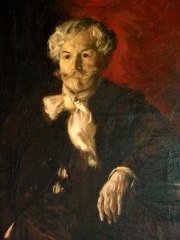
Edmond de Goncourt
1822 - 1896
HPI: 70.11
Miejsce: 752
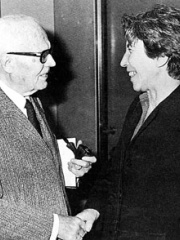
Natalia Ginzburg
1916 - 1991
HPI: 70.10
Miejsce: 753
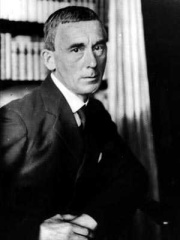
Hugo Ball
1886 - 1927
HPI: 70.09
Miejsce: 754
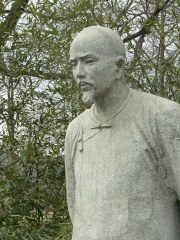
Cao Xueqin
1724 - 1763
HPI: 70.07
Miejsce: 755

Ibn Hawqal
943 - 988
HPI: 70.03
Miejsce: 756
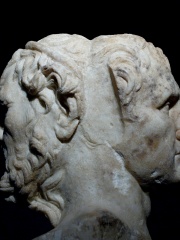
Theognis of Megara
570 BC - 485 BC
HPI: 70.03
Miejsce: 757
Dio Chrysostom
40 - 120
HPI: 70.02
Miejsce: 758
Abu al-Ghazi Bahadur
1603 - 1664
HPI: 70.02
Miejsce: 759
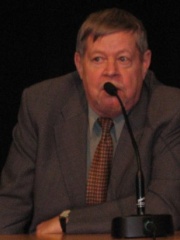
Arto Paasilinna
1942 - 2018
HPI: 70.00
Miejsce: 760
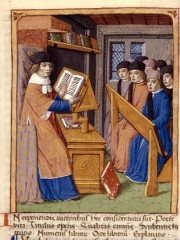
Maurus Servius Honoratus
363 - 301
HPI: 69.97
Miejsce: 761
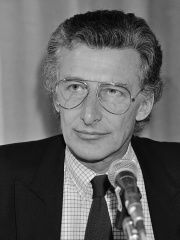
Harry Mulisch
1927 - 2010
HPI: 69.95
Miejsce: 762
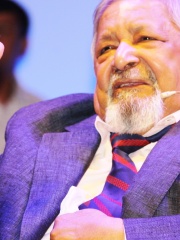
V. S. Naipaul
1932 - 2018
HPI: 69.95
Miejsce: 763
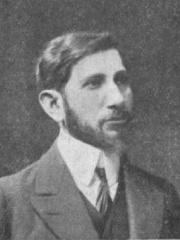
Charles Maurras
1868 - 1952
HPI: 69.94
Miejsce: 764

Współcześni
Wśród osób urodzonych w 40 roku Dio Chrysostom zajmuje 6. miejsce. Przed nim są Pope Clement I, Pedanius Dioscorides, Statius, Martial, i Claudia Octavia. Po nim są Gnaeus Julius Agricola, Lucius Licinius Sura, i Lucius Flavius Silva. Wśród osób zmarłych w 120 roku Dio Chrysostom zajmuje 3. miejsce. Przed nim są Tacitus, i Nicomachus. Po nim jest Gaius Octavius Tidius Tossianus Lucius Javolenus Priscus.
Inne osoby urodzone w 40 roku
Zobacz wszystkie rankingi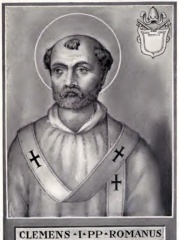
Pope Clement I
RELIGIOUS FIGURE
40 - 99
HPI: 86.00
Miejsce: 1
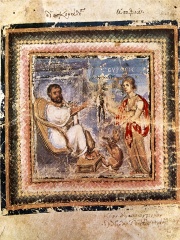
Pedanius Dioscorides
PHYSICIAN
40 - 90
HPI: 77.86
Miejsce: 2
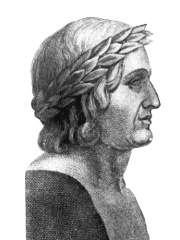
Statius
WRITER
40 - 96
HPI: 73.28
Miejsce: 3
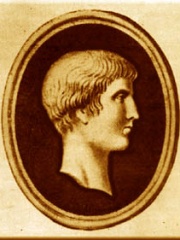
Martial
WRITER
40 - 104
HPI: 72.33
Miejsce: 4
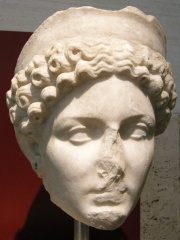
Claudia Octavia
POLITICIAN
40 - 62
HPI: 71.26
Miejsce: 5
Dio Chrysostom
WRITER
40 - 120
HPI: 70.02
Miejsce: 6
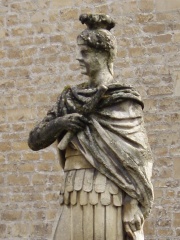
Gnaeus Julius Agricola
MILITARY PERSONNEL
40 - 93
HPI: 68.92
Miejsce: 7
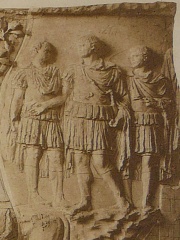
Lucius Licinius Sura
POLITICIAN
40 - 108
HPI: 62.22
Miejsce: 8
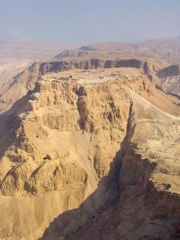
Lucius Flavius Silva
MILITARY PERSONNEL
40 - 81
HPI: 59.96
Miejsce: 9
Inne osoby zmarłe w 120 roku
Zobacz wszystkie rankingi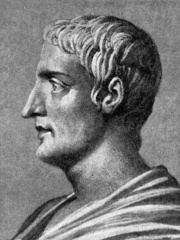
Tacitus
HISTORIAN
54 - 120
HPI: 82.21
Miejsce: 1
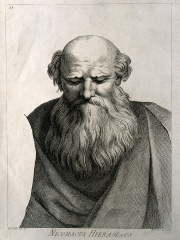
Nicomachus
MATHEMATICIAN
60 - 120
HPI: 70.80
Miejsce: 2
Dio Chrysostom
WRITER
40 - 120
HPI: 70.02
Miejsce: 3

Gaius Octavius Tidius Tossianus Lucius Javolenus Priscus
POLITICIAN
60 - 120
HPI: 60.03
Miejsce: 4
W kraju Turcja
Wśród osób urodzonych w kraju Turcja Dio Chrysostom zajmuje 325. miejsce na NaN. Przed nim są Pithana (-1800), Ayşe Sultan (1541), Attalus II Philadelphus (-220), Eudokia Makrembolitissa (1021), Bülent Ecevit (1925), i Ibn Hawqal (943). Po nim są Gennadius Scholarius (1400), Theophilus of Antioch (140), Andronikos V Palaiologos (1400), Calouste Gulbenkian (1869), Michael IV the Paphlagonian (1010), i Andranik (1865).
Inne osoby urodzone w kraju Turcja
Zobacz wszystkie rankingi
Pithana
POLITICIAN
1800 BC - 1700 BC
HPI: 70.19
Miejsce: 319

Ayşe Sultan
POLITICIAN
1541 - obecnie
HPI: 70.13
Miejsce: 320
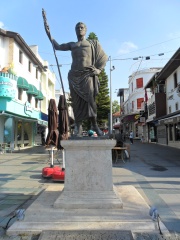
Attalus II Philadelphus
POLITICIAN
220 BC - 138 BC
HPI: 70.12
Miejsce: 321
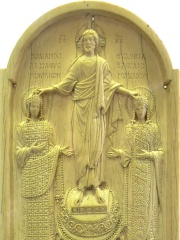
Eudokia Makrembolitissa
POLITICIAN
1021 - 1096
HPI: 70.11
Miejsce: 322
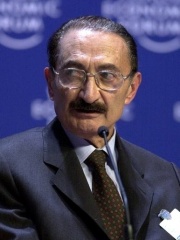
Bülent Ecevit
POLITICIAN
1925 - 2006
HPI: 70.07
Miejsce: 323
Ibn Hawqal
WRITER
943 - 988
HPI: 70.03
Miejsce: 324
Dio Chrysostom
WRITER
40 - 120
HPI: 70.02
Miejsce: 325
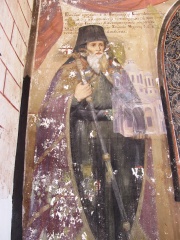
Gennadius Scholarius
PHILOSOPHER
1400 - 1473
HPI: 70.01
Miejsce: 326
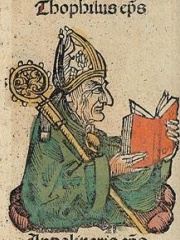
Theophilus of Antioch
RELIGIOUS FIGURE
140 - 183
HPI: 69.99
Miejsce: 327
Andronikos V Palaiologos
POLITICIAN
1400 - 1407
HPI: 69.99
Miejsce: 328
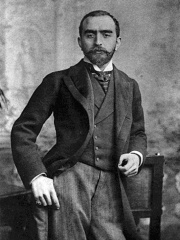
Calouste Gulbenkian
BUSINESSPERSON
1869 - 1955
HPI: 69.95
Miejsce: 329
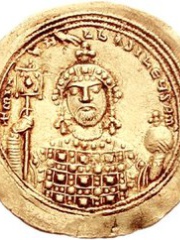
Michael IV the Paphlagonian
POLITICIAN
1010 - 1041
HPI: 69.95
Miejsce: 330
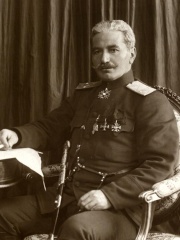
Andranik
MILITARY PERSONNEL
1865 - 1927
HPI: 69.92
Miejsce: 331
Wśród przedstawicieli zawodu Pisarz w kraju Turcja
Wśród przedstawicieli zawodu „Pisarz” urodzonych w kraju Turcja Dio Chrysostom zajmuje 19. miejsce. Przed nim są André Chénier (1762), Aratus (-315), Gregory of Narek (951), Kassia (810), Theodore the Studite (759), i Ibn Hawqal (943). Po nim są Bar Hebraeus (1226), Theodoret (393), Zenodotus (-330), Artemidorus (200), Aristophanes of Byzantium (-257), i George of Pisidia (580).
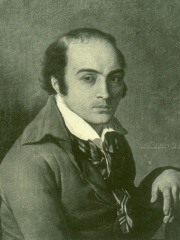
André Chénier
1762 - 1794
HPI: 71.30
Miejsce: 13
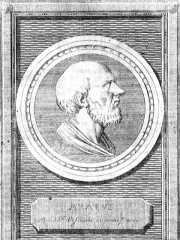
Aratus
315 BC - 240 BC
HPI: 71.21
Miejsce: 14
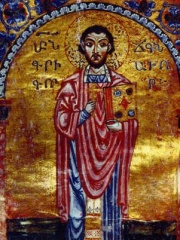
Gregory of Narek
951 - 1003
HPI: 70.76
Miejsce: 15
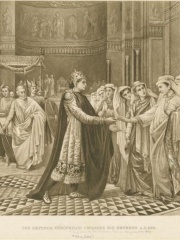
Kassia
810 - 865
HPI: 70.48
Miejsce: 16
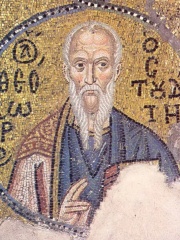
Theodore the Studite
759 - 826
HPI: 70.35
Miejsce: 17
Ibn Hawqal
943 - 988
HPI: 70.03
Miejsce: 18
Dio Chrysostom
40 - 120
HPI: 70.02
Miejsce: 19

Bar Hebraeus
1226 - 1286
HPI: 69.57
Miejsce: 20
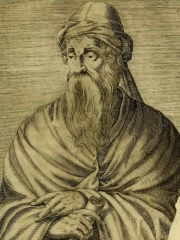
Theodoret
393 - 458
HPI: 69.51
Miejsce: 21

Zenodotus
330 BC - 260 BC
HPI: 68.83
Miejsce: 22

Artemidorus
200 - 200
HPI: 68.61
Miejsce: 23

Aristophanes of Byzantium
257 BC - 180 BC
HPI: 68.58
Miejsce: 24

George of Pisidia
580 - 634
HPI: 68.27
Miejsce: 25




