Postać religijna
Focjusz I Wielki
900 - 896
PL.WIKIPEDIA PAGE VIEWS (PV)
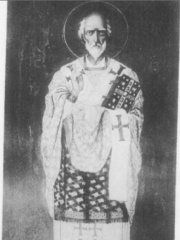
 Focjusz I Wielki
Jego biografia jest dostępna w 48 różnych językach w Wikipedii (wzrost z 47 w 2024 roku). Focjusz I Wielki jest 351. najpopularniejszym postać religijna (wzrost z 359. w 2024 roku), 122. najpopularniejszą biografią Turcja (wzrost z 127. w 2019 roku) oraz 16. najpopularniejszym postać religijna Turcja.
Memorability Metrics
76k
Page Views
Past 12 months
76.73
HPI
Historical Popularity Index
Page views of Focjusz I Wielki by language
Among Postać religijnas
Among postać religijnas, Focjusz I Wielki ranks 351 out of 3,187. Before him are Matteo Ricci, Pietro Parolin, Pope Symmachus, Irenaeus, Malachi, and Nathan. After him are Pope John XI, Al-Tirmidhi, Abu Hurairah, Theodora, Pope Clement III, and Zaynab bint Jahsh.
Most Popular Postać Religijnas in Wikipedia
Go to all Rankings
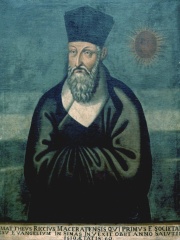
Matteo Ricci
1552 - 1610
HPI: 76.86
Rank: 345
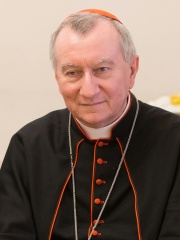
Pietro Parolin
1955 - Present
HPI: 76.84
Rank: 346
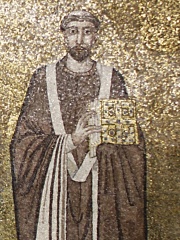
Pope Symmachus
460 - 514
HPI: 76.84
Rank: 347
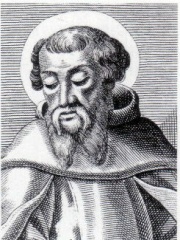
Irenaeus
130 - 202
HPI: 76.80
Rank: 348
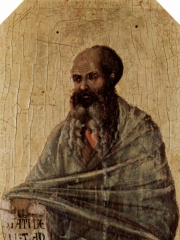
Malachi
450 BC - Present
HPI: 76.78
Rank: 349
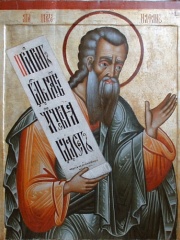
Nathan
1000 BC - 1000 BC
HPI: 76.74
Rank: 350
Photios I of Constantinople
900 - 896
HPI: 76.73
Rank: 351
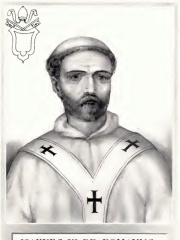
Pope John XI
910 - 936
HPI: 76.63
Rank: 352

Al-Tirmidhi
824 - 892
HPI: 76.62
Rank: 353

Abu Hurairah
600 - 676
HPI: 76.62
Rank: 354
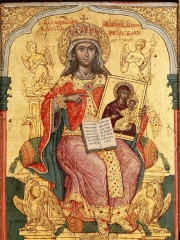
Theodora
815 - 867
HPI: 76.61
Rank: 355
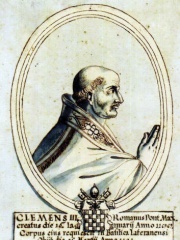
Pope Clement III
1130 - 1191
HPI: 76.61
Rank: 356

Zaynab bint Jahsh
592 - 641
HPI: 76.60
Rank: 357

Contemporaries
Among people born in 900, Focjusz I Wielki ranks 3. Before him are Ivar the Boneless, and Gorm the Old. After him are Pope Leo VII, Pope Lando, Oleg of Novgorod, Pope Benedict VI, Pope Stephen VIII, Pope Agapetus II, Ahmad ibn Fadlan, Halfdan Ragnarsson, and Pope Leo VIII. Among people deceased in 896, Focjusz I Wielki ranks 3. Before him are Pope Formosus, and Pope Boniface VI. After him are Abu Hanifa Dinawari, Hastein, Khumarawayh ibn Ahmad ibn Tulun, and Ermengard of Italy.
Others Born in 900
Go to all Rankings
Ivar the Boneless
POLITICIAN
900 - 873
HPI: 77.97
Rank: 1
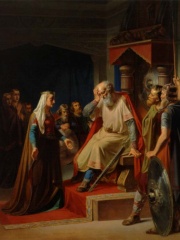
Gorm the Old
POLITICIAN
900 - 958
HPI: 77.46
Rank: 2
Photios I of Constantinople
RELIGIOUS FIGURE
900 - 896
HPI: 76.73
Rank: 3
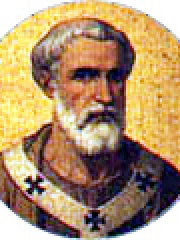
Pope Leo VII
RELIGIOUS FIGURE
900 - 939
HPI: 76.07
Rank: 4
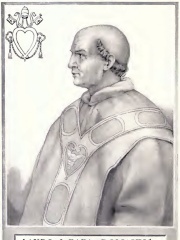
Pope Lando
RELIGIOUS FIGURE
900 - 914
HPI: 75.89
Rank: 5
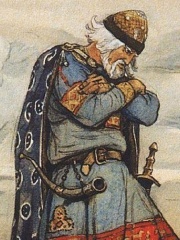
Oleg of Novgorod
POLITICIAN
900 - 912
HPI: 75.73
Rank: 6
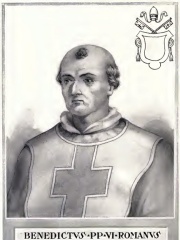
Pope Benedict VI
RELIGIOUS FIGURE
900 - 974
HPI: 75.42
Rank: 7
Pope Stephen VIII
RELIGIOUS FIGURE
900 - 942
HPI: 74.77
Rank: 8
Pope Agapetus II
RELIGIOUS FIGURE
900 - 955
HPI: 74.45
Rank: 9

Ahmad ibn Fadlan
WRITER
900 - 960
HPI: 73.87
Rank: 10

Halfdan Ragnarsson
POLITICIAN
900 - 877
HPI: 73.57
Rank: 11
Pope Leo VIII
RELIGIOUS FIGURE
900 - 965
HPI: 73.09
Rank: 12
Others Deceased in 896
Go to all Rankings
Pope Formosus
RELIGIOUS FIGURE
816 - 896
HPI: 81.79
Rank: 1
Pope Boniface VI
RELIGIOUS FIGURE
800 - 896
HPI: 77.65
Rank: 2
Photios I of Constantinople
RELIGIOUS FIGURE
900 - 896
HPI: 76.73
Rank: 3

Abu Hanifa Dinawari
ASTRONOMER
815 - 896
HPI: 68.56
Rank: 4
Hastein
POLITICIAN
810 - 896
HPI: 63.29
Rank: 5
Khumarawayh ibn Ahmad ibn Tulun
POLITICIAN
864 - 896
HPI: 59.47
Rank: 6

Ermengard of Italy
NOBLEMAN
HPI: 56.33
Rank: 7
In Turcja
Among people born in Turcja, Focjusz I Wielki ranks 122 out of NaN. Before him are Al-Battani (858), Dionysius of Halicarnassus (-60), Irenaeus (130), Stefan Dušan (1308), Romanos IV Diogenes (1030), and Piri Reis (1470). After him are Theodora (815), Pausanias (110), Zeno (425), Rachel (-3500), Enver Pasha (1881), and Mustafa IV (1779).
Others born in Turcja
Go to all Rankings
Al-Battani
MATHEMATICIAN
858 - 929
HPI: 76.82
Rank: 116
Dionysius of Halicarnassus
WRITER
60 BC - 7 BC
HPI: 76.82
Rank: 117
Irenaeus
RELIGIOUS FIGURE
130 - 202
HPI: 76.80
Rank: 118
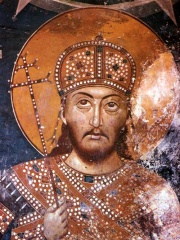
Stefan Dušan
POLITICIAN
1308 - 1355
HPI: 76.79
Rank: 119
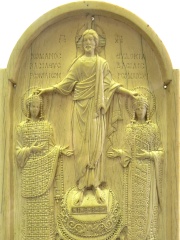
Romanos IV Diogenes
POLITICIAN
1030 - 1072
HPI: 76.79
Rank: 120
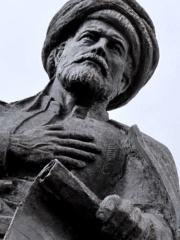
Piri Reis
GEOGRAPHER
1470 - 1554
HPI: 76.77
Rank: 121
Photios I of Constantinople
RELIGIOUS FIGURE
900 - 896
HPI: 76.73
Rank: 122
Theodora
RELIGIOUS FIGURE
815 - 867
HPI: 76.61
Rank: 123
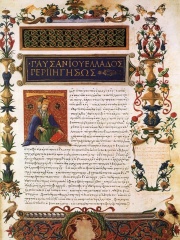
Pausanias
GEOGRAPHER
110 - 180
HPI: 76.58
Rank: 124
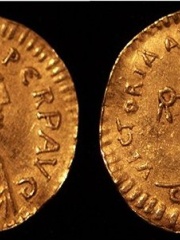
Zeno
POLITICIAN
425 - 491
HPI: 76.57
Rank: 125
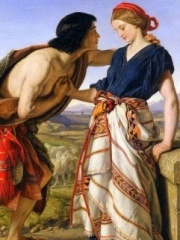
Rachel
RELIGIOUS FIGURE
3500 BC - 1553 BC
HPI: 76.38
Rank: 126
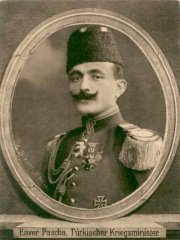
Enver Pasha
POLITICIAN
1881 - 1922
HPI: 76.30
Rank: 127
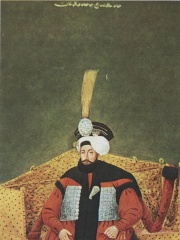
Mustafa IV
POLITICIAN
1779 - 1808
HPI: 76.29
Rank: 128
Among Postać religijnas In Turcja
Among postać religijnas born in Turcja, Focjusz I Wielki ranks 16. Before him are Saint Blaise (300), Michael I Cerularius (1005), Saint Pantaleon (275), Ephrem the Syrian (306), Ulfilas (311), and Irenaeus (130). After him are Theodora (815), Rachel (-3500), Fethullah Gülen (1941), Ignatius of Antioch (35), Pope John VII (650), and Dionysius Exiguus (475).
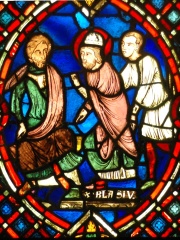
Saint Blaise
300 - 316
HPI: 79.63
Rank: 10
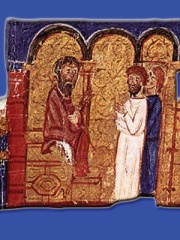
Michael I Cerularius
1005 - 1059
HPI: 77.21
Rank: 11
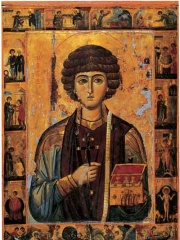
Saint Pantaleon
275 - 303
HPI: 77.11
Rank: 12
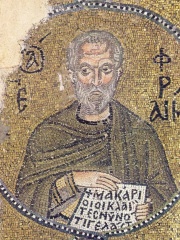
Ephrem the Syrian
306 - 373
HPI: 77.09
Rank: 13
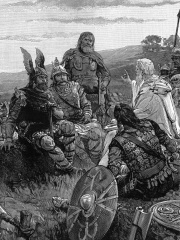
Ulfilas
311 - 383
HPI: 76.89
Rank: 14
Irenaeus
130 - 202
HPI: 76.80
Rank: 15
Photios I of Constantinople
900 - 896
HPI: 76.73
Rank: 16
Theodora
815 - 867
HPI: 76.61
Rank: 17
Rachel
3500 BC - 1553 BC
HPI: 76.38
Rank: 18
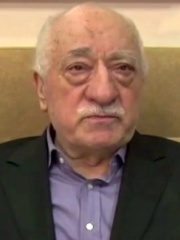
Fethullah Gülen
1941 - 2024
HPI: 76.15
Rank: 19
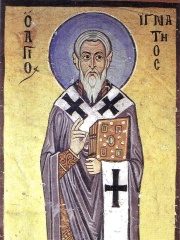
Ignatius of Antioch
35 - 108
HPI: 75.94
Rank: 20
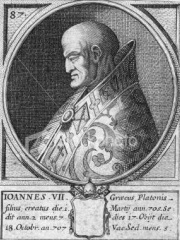
Pope John VII
650 - 707
HPI: 75.83
Rank: 21
Dionysius Exiguus
475 - 544
HPI: 75.75
Rank: 22




