Religieuze figuur
Josip Bozanić
1949 - heden
NL.WIKIPEDIA-PAGINAWEERGAVEN (PV)
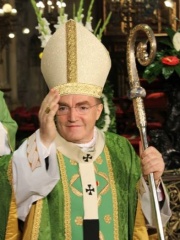
 Josip Bozanić
Zijn biografie is beschikbaar in 28 verschillende talen op Wikipedia (toegenomen van 26 in 2024). Josip Bozanić staat op plaats 1.098 onder de meest populaire religieuze figuur (gestegen van plaats 1.659 in 2024), plaats 60 onder de meest populaire biografieën uit Kroatië (gestegen van plaats 142 in 2019) en op plaats 6 onder de populairste religieuze figuur uit Kroatië.
Bekendheidsstatistieken
26k
Paginaweergaven
Afgelopen 12 maanden
66.04
HPI
Historische populariteitsindex
Paginaweergaven van Josip Bozanić per taal
Onder Religieuze figuur
Onder Religieuze figuur staat Josip Bozanić op plaats 1,098 van 3,187. Vóór hem staan Eugène Tisserant, Al-Bayhaqi, Junípero Serra, Heinrich Bullinger, Abu Darda, en Piruz Nahavandi. Na hem komen Abd al-Rahman ibn Muljam, Eustathius of Antioch, Jacques Paul Migne, Fausto Sozzini, Martin of Braga, en Joseph II of Constantinople.
Populairste Religieuze figuur op Wikipedia
Naar alle ranglijsten
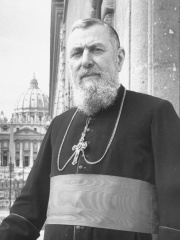
Eugène Tisserant
1884 - 1972
HPI: 66.08
Plaats: 1,092

Al-Bayhaqi
994 - 1066
HPI: 66.07
Plaats: 1,093
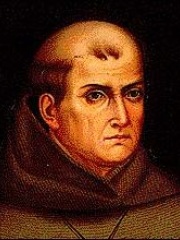
Junípero Serra
1713 - 1784
HPI: 66.06
Plaats: 1,094
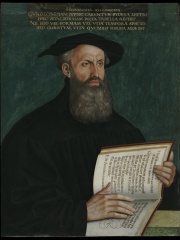
Heinrich Bullinger
1504 - 1575
HPI: 66.05
Plaats: 1,095

Abu Darda
580 - 653
HPI: 66.05
Plaats: 1,096

Piruz Nahavandi
700 - 644
HPI: 66.04
Plaats: 1,097
Josip Bozanić
1949 - heden
HPI: 66.04
Plaats: 1,098
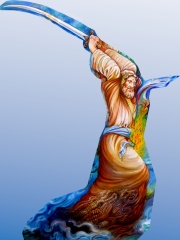
Abd al-Rahman ibn Muljam
HPI: 66.03
Plaats: 1,099
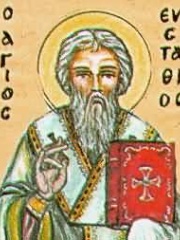
Eustathius of Antioch
300 - 400
HPI: 66.02
Plaats: 1,100
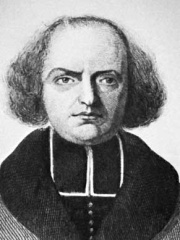
Jacques Paul Migne
1800 - 1875
HPI: 66.02
Plaats: 1,101
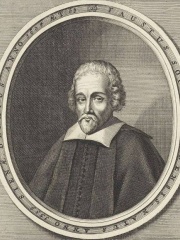
Fausto Sozzini
1539 - 1604
HPI: 66.01
Plaats: 1,102
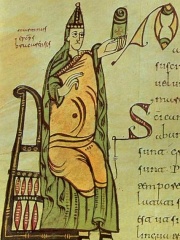
Martin of Braga
520 - 580
HPI: 66.01
Plaats: 1,103

Joseph II of Constantinople
1360 - 1439
HPI: 66.01
Plaats: 1,104

Tijdgenoten
Onder de mensen geboren in 1949 staat Josip Bozanić op plaats 106. Vóór hem staan Homi K. Bhabha, Quini, Morten Olsen, Stephen McKinley Henderson, Axel Honneth, en Angie Bowie. Na hem komen Walid Jumblatt, Valentina Matviyenko, Göran Persson, Ward Cunningham, Brigitte Bierlein, en Queen Aishwarya of Nepal.
Anderen geboren in 1949
Naar alle ranglijsten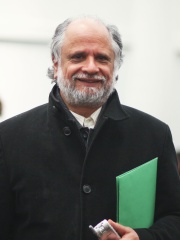
Homi K. Bhabha
PHILOSOPHER
1949 - heden
HPI: 66.35
Plaats: 100

Quini
SOCCER PLAYER
1949 - 2018
HPI: 66.34
Plaats: 101
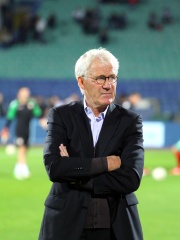
Morten Olsen
COACH
1949 - heden
HPI: 66.32
Plaats: 102

Stephen McKinley Henderson
ACTOR
1949 - heden
HPI: 66.27
Plaats: 103
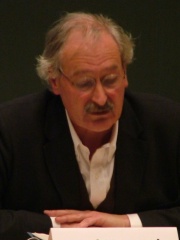
Axel Honneth
PHILOSOPHER
1949 - heden
HPI: 66.09
Plaats: 104

Angie Bowie
ACTOR
1949 - heden
HPI: 66.08
Plaats: 105
Josip Bozanić
RELIGIOUS FIGURE
1949 - heden
HPI: 66.04
Plaats: 106
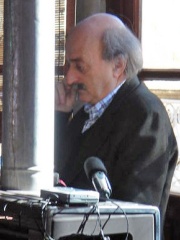
Walid Jumblatt
POLITICIAN
1949 - heden
HPI: 66.02
Plaats: 107
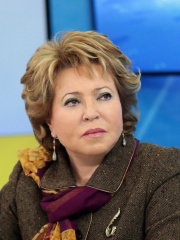
Valentina Matviyenko
POLITICIAN
1949 - heden
HPI: 66.01
Plaats: 108
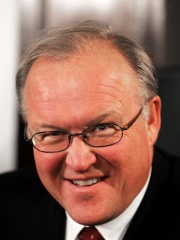
Göran Persson
POLITICIAN
1949 - heden
HPI: 65.99
Plaats: 109
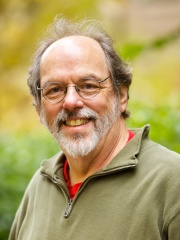
Ward Cunningham
COMPUTER SCIENTIST
1949 - heden
HPI: 65.87
Plaats: 110
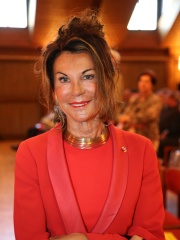
Brigitte Bierlein
POLITICIAN
1949 - 2024
HPI: 65.67
Plaats: 111
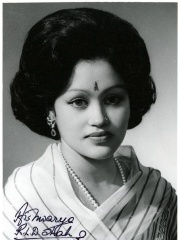
Queen Aishwarya of Nepal
POLITICIAN
1949 - 2001
HPI: 65.63
Plaats: 112
In Kroatië
Onder de mensen geboren in Kroatië staat Josip Bozanić op plaats 60 van NaN. Vóór hem staan Ivan Gundulić (1589), Luigi Dallapiccola (1904), Krešimir Ćosić (1948), Ante Gotovina (1955), Zlatko Čajkovski (1923), en Branko Zebec (1929). Na hem komen Dražen Petrović (1964), Milka Planinc (1924), Vladimir Beara (1928), Benedetto Cotrugli (1416), Milan Babić (1956), en Viktor Pavičić (1898).
Anderen geboren in Kroatië
Naar alle ranglijsten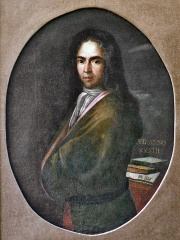
Ivan Gundulić
WRITER
1589 - 1638
HPI: 66.48
Plaats: 54

Luigi Dallapiccola
COMPOSER
1904 - 1975
HPI: 66.41
Plaats: 55

Krešimir Ćosić
BASKETBALL PLAYER
1948 - 1995
HPI: 66.35
Plaats: 56
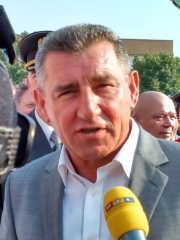
Ante Gotovina
MILITARY PERSONNEL
1955 - heden
HPI: 66.26
Plaats: 57
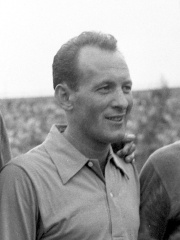
Zlatko Čajkovski
SOCCER PLAYER
1923 - 1998
HPI: 66.24
Plaats: 58
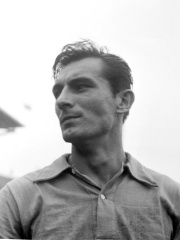
Branko Zebec
SOCCER PLAYER
1929 - 1988
HPI: 66.16
Plaats: 59
Josip Bozanić
RELIGIOUS FIGURE
1949 - heden
HPI: 66.04
Plaats: 60

Dražen Petrović
BASKETBALL PLAYER
1964 - 1993
HPI: 65.79
Plaats: 61
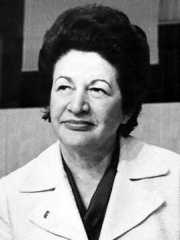
Milka Planinc
POLITICIAN
1924 - 2010
HPI: 65.59
Plaats: 62
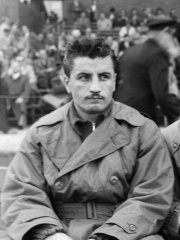
Vladimir Beara
SOCCER PLAYER
1928 - 2014
HPI: 65.48
Plaats: 63
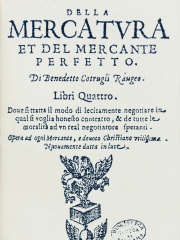
Benedetto Cotrugli
ECONOMIST
1416 - 1469
HPI: 65.25
Plaats: 64
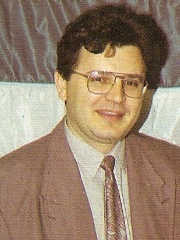
Milan Babić
POLITICIAN
1956 - 2006
HPI: 65.15
Plaats: 65
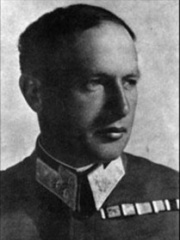
Viktor Pavičić
MILITARY PERSONNEL
1898 - 1943
HPI: 65.11
Plaats: 66
Onder Religieuze figuur in Kroatië
Onder Religieuze figuur geboren in Kroatië staat Josip Bozanić op plaats 6. Vóór hem staan Pope John IV (600), Pope Caius (250), Saint Marinus (275), Aloysius Stepinac (1898), en Margaret of Hungary (1242). Na hem komen Pavle, Serbian Patriarch (1914), Franjo Šeper (1905), George Martinuzzi (1482), Julian of Antioch (231), Quirinus of Sescia (300), en Marko Krizin (1589).
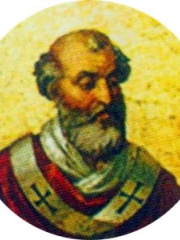
Pope John IV
600 - 642
HPI: 74.28
Plaats: 1
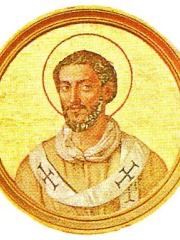
Pope Caius
250 - 296
HPI: 73.34
Plaats: 2
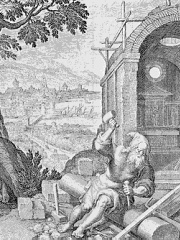
Saint Marinus
275 - 366
HPI: 73.29
Plaats: 3
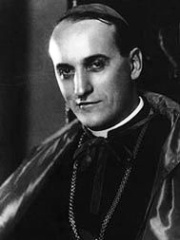
Aloysius Stepinac
1898 - 1960
HPI: 70.51
Plaats: 4
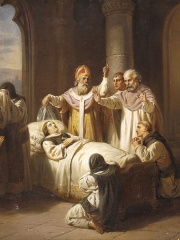
Margaret of Hungary
1242 - 1270
HPI: 68.48
Plaats: 5
Josip Bozanić
1949 - heden
HPI: 66.04
Plaats: 6
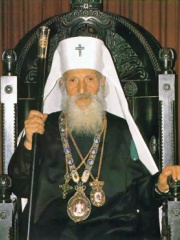
Pavle, Serbian Patriarch
1914 - 2009
HPI: 63.59
Plaats: 7
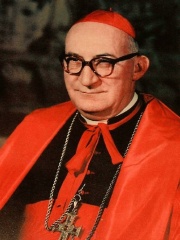
Franjo Šeper
1905 - 1981
HPI: 63.59
Plaats: 8
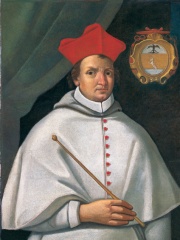
George Martinuzzi
1482 - 1551
HPI: 62.96
Plaats: 9
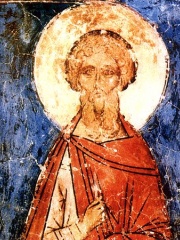
Julian of Antioch
231 - 305
HPI: 62.94
Plaats: 10
Quirinus of Sescia
300 - 309
HPI: 62.03
Plaats: 11
Marko Krizin
1589 - 1619
HPI: 61.84
Plaats: 12




