宗教家
Robert of Molesme
1024 - 1111
JA.WIKIPEDIA PAGE VIEWS (PV)
 Robert of Molesme
Memorability Metrics
35k
Page Views
Past 12 months
70.19
HPI
Historical Popularity Index
Page views of Robert of Molesme by language
Among 宗教家
Among 宗教家, Robert of Molesme ranks 735 out of 3,187. Before him are Eulalia of Mérida, John Cassian, Chaitanya Mahaprabhu, Angelo Scola, Obadiah, and Al-Suyuti. After him are John Mott, Nahor, son of Serug, Benkei, Mordecai, Saint Remigius, and Olaus Magnus.
Most Popular 宗教家 in Wikipedia
Go to all Rankings
Eulalia of Mérida
290 - 304
HPI: 70.29
Rank: 729
John Cassian
360 - 435
HPI: 70.28
Rank: 730

Chaitanya Mahaprabhu
1486 - 1534
HPI: 70.26
Rank: 731

Angelo Scola
1941 - Present
HPI: 70.24
Rank: 732

Obadiah
587 BC - 500 BC
HPI: 70.24
Rank: 733

Al-Suyuti
1445 - 1505
HPI: 70.22
Rank: 734

Robert of Molesme
1024 - 1111
HPI: 70.19
Rank: 735
John Mott
1865 - 1955
HPI: 70.17
Rank: 736
Nahor, son of Serug
1912 BC - 1764 BC
HPI: 70.15
Rank: 737

Benkei
1155 - 1189
HPI: 70.14
Rank: 738

Mordecai
HPI: 70.14
Rank: 739
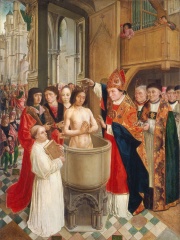
Saint Remigius
437 - 533
HPI: 70.12
Rank: 740

Olaus Magnus
1490 - 1557
HPI: 70.10
Rank: 741

Contemporaries
Among people born in 1024, Robert of Molesme ranks 2. Before him is Magnus the Good. After him are Iziaslav I of Kiev, Hugh of Cluny, Matilda of Frisia, William VIII, Duke of Aquitaine, Gagik II of Armenia, and Richard I of Capua. Among people deceased in 1111, Robert of Molesme ranks 3. Before him are Al-Ghazali, and Bohemond I of Antioch. After him are Robert II, Count of Flanders, Roger Borsa, Antipope Sylvester IV, Berthold II, Duke of Swabia, and Otto II, Count of Habsburg.
Others Born in 1024
Go to all Rankings
Magnus the Good
POLITICIAN
1024 - 1047
HPI: 79.92
Rank: 1
Robert of Molesme
RELIGIOUS FIGURE
1024 - 1111
HPI: 70.19
Rank: 2
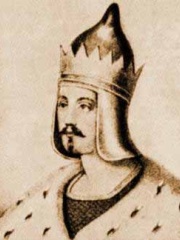
Iziaslav I of Kiev
POLITICIAN
1024 - 1078
HPI: 69.32
Rank: 3
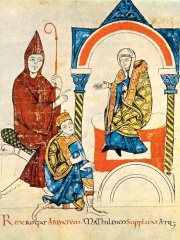
Hugh of Cluny
RELIGIOUS FIGURE
1024 - 1109
HPI: 65.44
Rank: 4
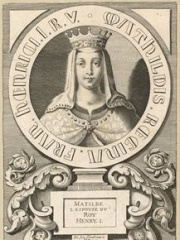
Matilda of Frisia
COMPANION
1024 - 1044
HPI: 65.35
Rank: 5
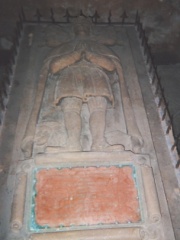
William VIII, Duke of Aquitaine
NOBLEMAN
1024 - 1086
HPI: 65.23
Rank: 6
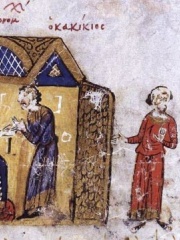
Gagik II of Armenia
POLITICIAN
1024 - 1076
HPI: 61.84
Rank: 7
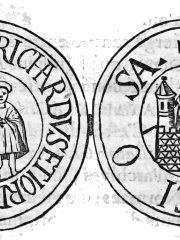
Richard I of Capua
POLITICIAN
1024 - 1078
HPI: 58.81
Rank: 8
Others Deceased in 1111
Go to all Rankings
Al-Ghazali
PHILOSOPHER
1058 - 1111
HPI: 85.99
Rank: 1
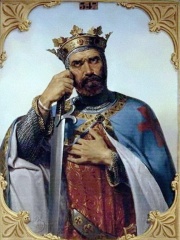
Bohemond I of Antioch
MILITARY PERSONNEL
1054 - 1111
HPI: 73.89
Rank: 2
Robert of Molesme
RELIGIOUS FIGURE
1024 - 1111
HPI: 70.19
Rank: 3
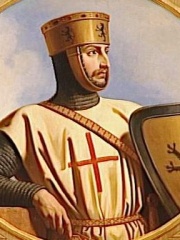
Robert II, Count of Flanders
POLITICIAN
1065 - 1111
HPI: 67.53
Rank: 4
Roger Borsa
POLITICIAN
1060 - 1111
HPI: 64.21
Rank: 5

Antipope Sylvester IV
RELIGIOUS FIGURE
1100 - 1111
HPI: 63.29
Rank: 6
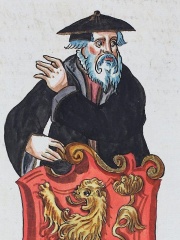
Berthold II, Duke of Swabia
POLITICIAN
1050 - 1111
HPI: 61.34
Rank: 7
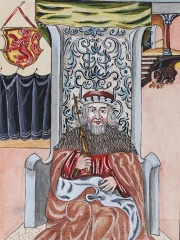
Otto II, Count of Habsburg
NOBLEMAN
1100 - 1111
HPI: 59.23
Rank: 8
In フランス
Among people born in フランス, Robert of Molesme ranks 876 out of NaN. Before him are Louis I, Duke of Bourbon (1279), Pierre Janssen (1824), Jean Victor Marie Moreau (1763), Joscelin I, Count of Edessa (1072), Charles Hermite (1822), and Renée of France (1510). After him are Edmond Rostand (1868), Jean Froissart (1337), Adelaide of Maurienne (1092), Antoine Galland (1646), Jean-Baptiste Greuze (1725), and Charles Augustin Sainte-Beuve (1804).
Others born in フランス
Go to all Rankings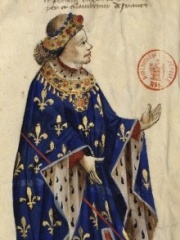
Louis I, Duke of Bourbon
POLITICIAN
1279 - 1341
HPI: 70.23
Rank: 870
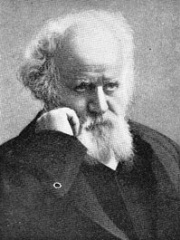
Pierre Janssen
ASTRONOMER
1824 - 1907
HPI: 70.21
Rank: 871
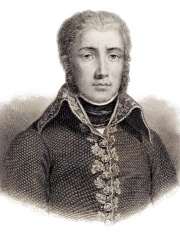
Jean Victor Marie Moreau
MILITARY PERSONNEL
1763 - 1813
HPI: 70.21
Rank: 872
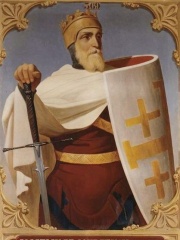
Joscelin I, Count of Edessa
POLITICIAN
1072 - 1131
HPI: 70.20
Rank: 873
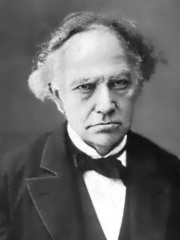
Charles Hermite
MATHEMATICIAN
1822 - 1901
HPI: 70.19
Rank: 874
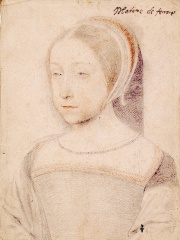
Renée of France
POLITICIAN
1510 - 1574
HPI: 70.19
Rank: 875
Robert of Molesme
RELIGIOUS FIGURE
1024 - 1111
HPI: 70.19
Rank: 876
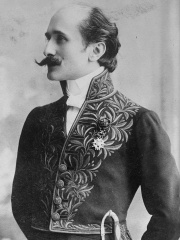
Edmond Rostand
WRITER
1868 - 1918
HPI: 70.18
Rank: 877
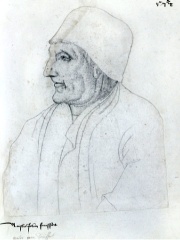
Jean Froissart
WRITER
1337 - 1405
HPI: 70.18
Rank: 878
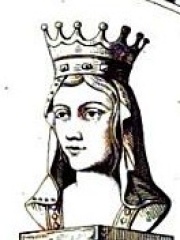
Adelaide of Maurienne
POLITICIAN
1092 - 1154
HPI: 70.17
Rank: 879
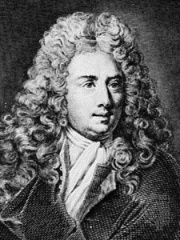
Antoine Galland
WRITER
1646 - 1715
HPI: 70.17
Rank: 880
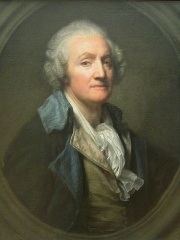
Jean-Baptiste Greuze
PAINTER
1725 - 1805
HPI: 70.16
Rank: 881
Charles Augustin Sainte-Beuve
CRITIC
1804 - 1869
HPI: 70.16
Rank: 882
Among 宗教家 In フランス
Among 宗教家 born in フランス, Robert of Molesme ranks 46. Before him are Antipope Clement VII (1342), Peter Waldo (1140), Louis de Montfort (1673), Jean Meslier (1664), Catherine Labouré (1806), and Ivo of Kermartin (1253). After him are Saint Remigius (437), Célestin Freinet (1896), Martin Bucer (1491), Victor of Aveyron (1793), Lucile Randon (1904), and Philipp Spener (1635).
Antipope Clement VII
1342 - 1394
HPI: 71.48
Rank: 40
Peter Waldo
1140 - 1205
HPI: 71.06
Rank: 41
Louis de Montfort
1673 - 1716
HPI: 70.91
Rank: 42
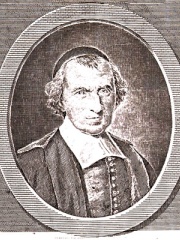
Jean Meslier
1664 - 1729
HPI: 70.80
Rank: 43
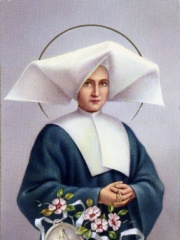
Catherine Labouré
1806 - 1876
HPI: 70.80
Rank: 44

Ivo of Kermartin
1253 - 1303
HPI: 70.46
Rank: 45
Robert of Molesme
1024 - 1111
HPI: 70.19
Rank: 46
Saint Remigius
437 - 533
HPI: 70.12
Rank: 47

Célestin Freinet
1896 - 1966
HPI: 69.91
Rank: 48
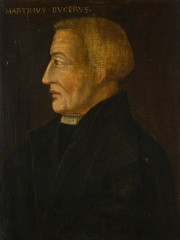
Martin Bucer
1491 - 1551
HPI: 69.83
Rank: 49
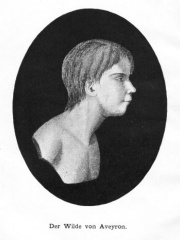
Victor of Aveyron
1793 - 1828
HPI: 69.80
Rank: 50
Lucile Randon
1904 - 2023
HPI: 69.61
Rank: 51
Philipp Spener
1635 - 1705
HPI: 69.34
Rank: 52




