Postać religijna
Luis Antonio Tagle
1957 - obecnie
PL.WIKIPEDIA PAGE VIEWS (PV)

 Luis Antonio Tagle
Jego biografia jest dostępna w 43 różnych językach w Wikipedii (wzrost z 30 w 2024 roku). Luis Antonio Tagle jest 485. najpopularniejszym postać religijna (wzrost z 2807. w 2024 roku), 7. najpopularniejszą biografią Filipiny (wzrost z 46. w 2019 roku) oraz najpopularniejszym postać religijna Filipiny.
Memorability Metrics
220k
Page Views
Past 12 months
74.40
HPI
Historical Popularity Index
Page views of Luis Antonio Tagle by language
Among Postać religijnas
Among postać religijnas, Luis Antonio Tagle ranks 485 out of 3,187. Before him are Isaac of Nineveh, Januarius, Gregory Palamas, Amenhotep I, Pope Agapetus II, and Yasuke. After him are Saint Apollonia, Gad, Saint Florian, Pope John IV, Pope Agapetus I, and Saint Spyridon.
Most Popular Postać Religijnas in Wikipedia
Go to all Rankings
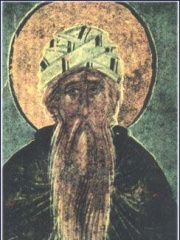
Isaac of Nineveh
640 - 700
HPI: 74.53
Rank: 479
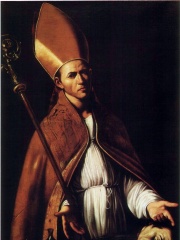
Januarius
272 - 305
HPI: 74.51
Rank: 480
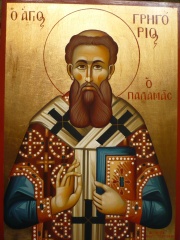
Gregory Palamas
1296 - 1359
HPI: 74.49
Rank: 481

Amenhotep I
1530 BC - 1503 BC
HPI: 74.47
Rank: 482
Pope Agapetus II
900 - 955
HPI: 74.45
Rank: 483
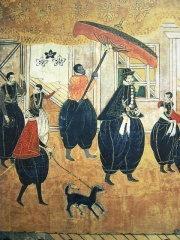
Yasuke
1530 - Present
HPI: 74.43
Rank: 484
Luis Antonio Tagle
1957 - Present
HPI: 74.40
Rank: 485
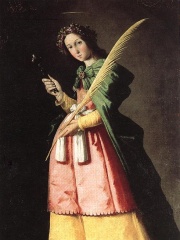
Saint Apollonia
110 - 249
HPI: 74.33
Rank: 486
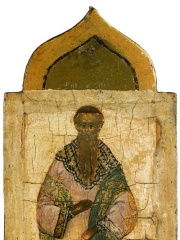
Gad
1564 BC - 1439 BC
HPI: 74.31
Rank: 487
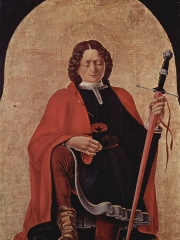
Saint Florian
250 - 304
HPI: 74.28
Rank: 488
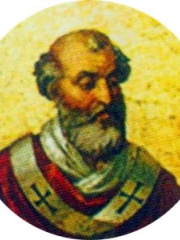
Pope John IV
600 - 642
HPI: 74.28
Rank: 489
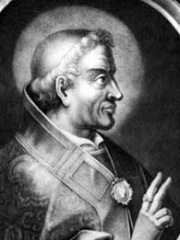
Pope Agapetus I
490 - 536
HPI: 74.22
Rank: 490

Saint Spyridon
270 - 348
HPI: 74.18
Rank: 491

Contemporaries
Among people born in 1957, Luis Antonio Tagle ranks 9. Before him are Hans Zimmer, Hamid Karzai, Dick Schoof, Joaquín "El Chapo" Guzmán, Donald Tusk, and Jaggi Vasudev. After him are Daniel Day-Lewis, Dolph Lundgren, Michael Clarke Duncan, Gurbanguly Berdimuhamedow, Shavkat Mirziyoyev, and Caroline, Princess of Hanover.
Others Born in 1957
Go to all Rankings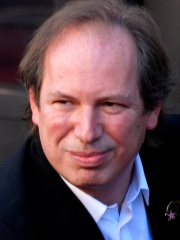
Hans Zimmer
COMPOSER
1957 - Present
HPI: 76.78
Rank: 3
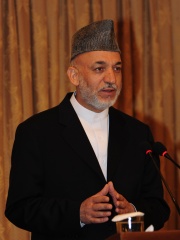
Hamid Karzai
POLITICIAN
1957 - Present
HPI: 76.45
Rank: 4

Dick Schoof
POLITICIAN
1957 - Present
HPI: 75.84
Rank: 5
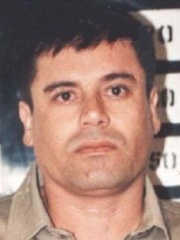
Joaquín "El Chapo" Guzmán
MAFIOSO
1957 - Present
HPI: 75.83
Rank: 6
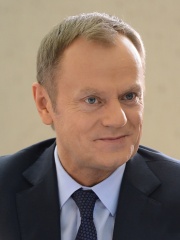
Donald Tusk
POLITICIAN
1957 - Present
HPI: 75.38
Rank: 7
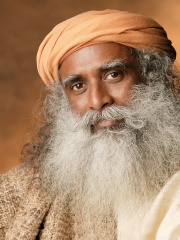
Jaggi Vasudev
WRITER
1957 - Present
HPI: 75.17
Rank: 8
Luis Antonio Tagle
RELIGIOUS FIGURE
1957 - Present
HPI: 74.40
Rank: 9
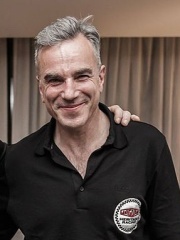
Daniel Day-Lewis
ACTOR
1957 - Present
HPI: 73.78
Rank: 10

Dolph Lundgren
ACTOR
1957 - Present
HPI: 73.57
Rank: 11
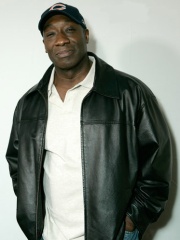
Michael Clarke Duncan
ACTOR
1957 - 2012
HPI: 73.31
Rank: 12
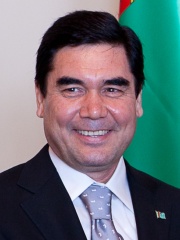
Gurbanguly Berdimuhamedow
POLITICIAN
1957 - Present
HPI: 72.98
Rank: 13
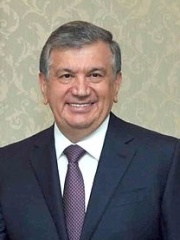
Shavkat Mirziyoyev
POLITICIAN
1957 - Present
HPI: 72.90
Rank: 14

Caroline, Princess of Hanover
NOBLEMAN
1957 - Present
HPI: 72.58
Rank: 15
In Filipiny
Among people born in Filipiny, Luis Antonio Tagle ranks 7 out of NaN. Before him are Ferdinand Marcos (1917), Rodrigo Duterte (1945), Imelda Marcos (1929), Lapu-Lapu (1491), Gloria Macapagal Arroyo (1947), and Bongbong Marcos (1957). After him are Manuel L. Quezon (1878), Fidel Ramos (1928), Corazon Aquino (1933), Joseph Estrada (1937), Benigno Aquino Jr. (1932), and José Rizal (1861).
Others born in Filipiny
Go to all Rankings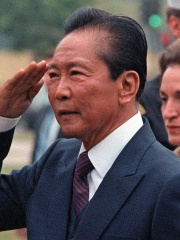
Ferdinand Marcos
POLITICIAN
1917 - 1989
HPI: 85.12
Rank: 1

Rodrigo Duterte
POLITICIAN
1945 - Present
HPI: 84.40
Rank: 2
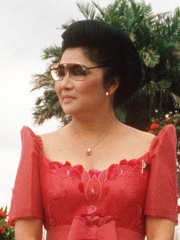
Imelda Marcos
COMPANION
1929 - Present
HPI: 83.21
Rank: 3
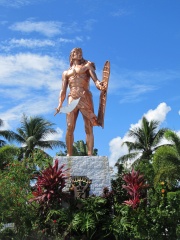
Lapu-Lapu
POLITICIAN
1491 - 1542
HPI: 79.66
Rank: 4
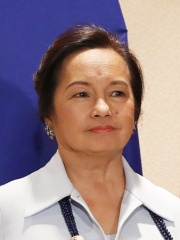
Gloria Macapagal Arroyo
POLITICIAN
1947 - Present
HPI: 76.92
Rank: 5

Bongbong Marcos
POLITICIAN
1957 - Present
HPI: 76.79
Rank: 6
Luis Antonio Tagle
RELIGIOUS FIGURE
1957 - Present
HPI: 74.40
Rank: 7
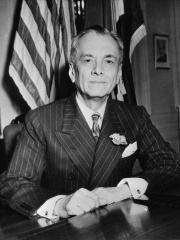
Manuel L. Quezon
POLITICIAN
1878 - 1944
HPI: 73.70
Rank: 8
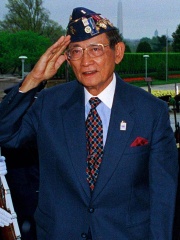
Fidel Ramos
POLITICIAN
1928 - 2022
HPI: 73.06
Rank: 9

Corazon Aquino
POLITICIAN
1933 - 2009
HPI: 72.92
Rank: 10
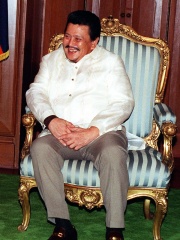
Joseph Estrada
POLITICIAN
1937 - Present
HPI: 72.37
Rank: 11
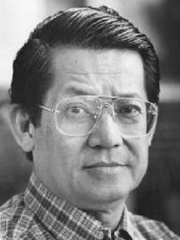
Benigno Aquino Jr.
POLITICIAN
1932 - 1983
HPI: 72.33
Rank: 12
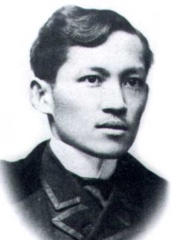
José Rizal
SOCIAL ACTIVIST
1861 - 1896
HPI: 71.83
Rank: 13
Among Postać religijnas In Filipiny
Among postać religijnas born in Filipiny, Luis Antonio Tagle ranks 1. After him are Lorenzo Ruiz (1600), Oscar Cruz (1934), Jaime Sin (1928), Jose Advincula (1952), Gaudencio Rosales (1932), Orlando Quevedo (1939), Wenceslao Padilla (1949), Gregorio Aglipay (1860), Ricardo Vidal (1931), Jose Tomas Sanchez (1920), and Rufino Santos (1908).
Luis Antonio Tagle
1957 - Present
HPI: 74.40
Rank: 1
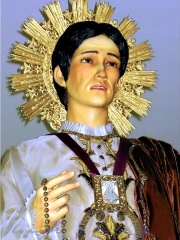
Lorenzo Ruiz
1600 - 1637
HPI: 68.89
Rank: 2

Oscar Cruz
1934 - 2020
HPI: 57.87
Rank: 3
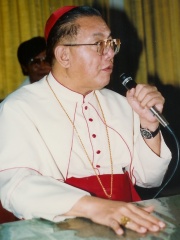
Jaime Sin
1928 - 2005
HPI: 57.77
Rank: 4

Jose Advincula
1952 - Present
HPI: 56.61
Rank: 5
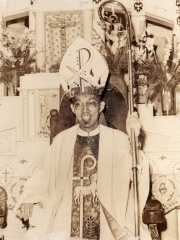
Gaudencio Rosales
1932 - Present
HPI: 54.53
Rank: 6

Orlando Quevedo
1939 - Present
HPI: 53.20
Rank: 7

Wenceslao Padilla
1949 - 2018
HPI: 52.74
Rank: 8
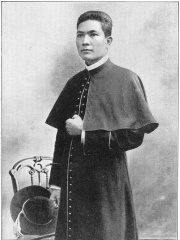
Gregorio Aglipay
1860 - 1940
HPI: 51.15
Rank: 9

Ricardo Vidal
1931 - 2017
HPI: 50.85
Rank: 10

Jose Tomas Sanchez
1920 - 2012
HPI: 49.37
Rank: 11
Rufino Santos
1908 - 1973
HPI: 48.76
Rank: 12




