宗教家
Rino Fisichella
1951 - 現在
 Rino Fisichella
Memorability Metrics
41k
Page Views
Past 12 months
59.27
HPI
Historical Popularity Index
Page views of Rino Fisichella by language
Among 宗教家
Among 宗教家, Rino Fisichella ranks 2,285 out of 3,187. Before him are Miguel Obando y Bravo, Muhammad al-Sadr, Hur, Raúl Eduardo Vela Chiriboga, Asser, and Quodvultdeus. After him are Jacob of Nisibis, Paul IV of Constantinople, Pope Theonas of Alexandria, George II of Constantinople, Victor and Corona, and Sadegh Khalkhali.
Most Popular 宗教家 in Wikipedia
Go to all Rankings
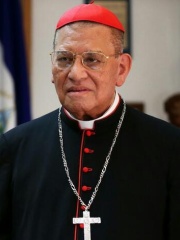
Miguel Obando y Bravo
1926 - 2018
HPI: 59.30
Rank: 2,279
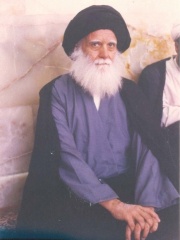
Muhammad al-Sadr
1943 - 1999
HPI: 59.29
Rank: 2,280

Hur
HPI: 59.29
Rank: 2,281
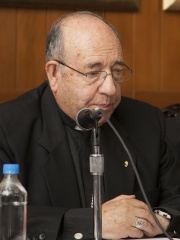
Raúl Eduardo Vela Chiriboga
1934 - 2020
HPI: 59.29
Rank: 2,282

Asser
900 - 908
HPI: 59.28
Rank: 2,283
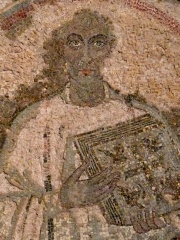
Quodvultdeus
400 - 454
HPI: 59.28
Rank: 2,284
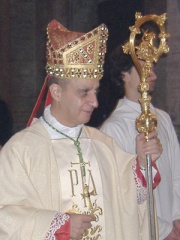
Rino Fisichella
1951 - Present
HPI: 59.27
Rank: 2,285
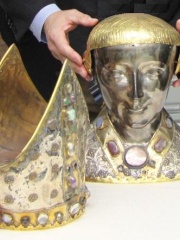
Jacob of Nisibis
300 - 338
HPI: 59.27
Rank: 2,286
Paul IV of Constantinople
HPI: 59.26
Rank: 2,287

Pope Theonas of Alexandria
300 - 300
HPI: 59.26
Rank: 2,288

George II of Constantinople
1101 - 1198
HPI: 59.26
Rank: 2,289
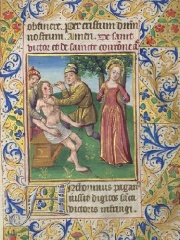
Victor and Corona
HPI: 59.26
Rank: 2,290
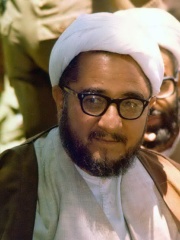
Sadegh Khalkhali
1926 - 2003
HPI: 59.25
Rank: 2,291

Contemporaries
Among people born in 1951, Rino Fisichella ranks 240. Before him are Mohammad Reza Aref, Arnold Mühren, Radia Perlman, David Kipiani, Musa Manarov, and Natsuo Kirino. After him are Ham Lin̄i, Steve Jackson, Zeudi Araya, Roscoe Tanner, Ona Zee, and Philip Bailey.
Others Born in 1951
Go to all Rankings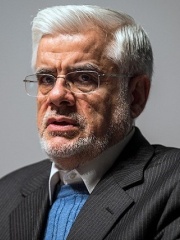
Mohammad Reza Aref
POLITICIAN
1951 - Present
HPI: 59.40
Rank: 234

Arnold Mühren
SOCCER PLAYER
1951 - Present
HPI: 59.36
Rank: 235

Radia Perlman
COMPUTER SCIENTIST
1951 - Present
HPI: 59.34
Rank: 236
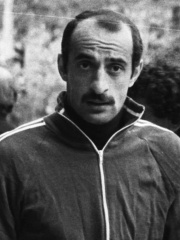
David Kipiani
SOCCER PLAYER
1951 - 2001
HPI: 59.32
Rank: 237
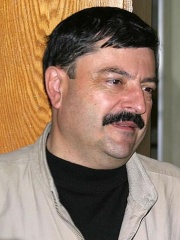
Musa Manarov
ASTRONAUT
1951 - Present
HPI: 59.31
Rank: 238

Natsuo Kirino
WRITER
1951 - Present
HPI: 59.30
Rank: 239
Rino Fisichella
RELIGIOUS FIGURE
1951 - Present
HPI: 59.27
Rank: 240
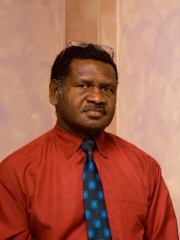
Ham Lin̄i
POLITICIAN
1951 - 2025
HPI: 59.27
Rank: 241

Steve Jackson
BUSINESSPERSON
1951 - Present
HPI: 59.24
Rank: 242
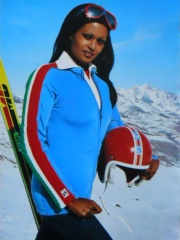
Zeudi Araya
ACTOR
1951 - Present
HPI: 59.23
Rank: 243
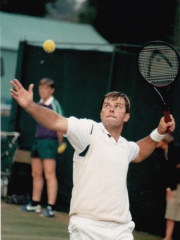
Roscoe Tanner
TENNIS PLAYER
1951 - Present
HPI: 59.19
Rank: 244
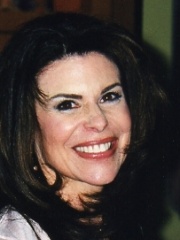
Ona Zee
PORNOGRAPHIC ACTOR
1951 - Present
HPI: 59.05
Rank: 245
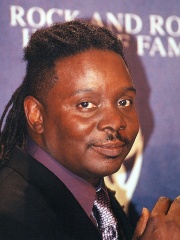
Philip Bailey
SINGER
1951 - Present
HPI: 59.05
Rank: 246
In イタリア
Among people born in イタリア, Rino Fisichella ranks 2,974 out of NaN. Before him are Proculus (300), Giancarlo Cornaggia-Medici (1904), Carla Fracci (1936), Gino Fano (1871), Stefano Domenicali (1965), and Pietro Loredan (1482). After him are Benny Benassi (1967), Francesca Neri (1964), Olympia Fulvia Morata (1526), Giovanni Galbaio (800), Armando Picchi (1935), and Giuseppe Parini (1729).
Others born in イタリア
Go to all Rankings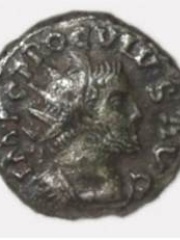
Proculus
POLITICIAN
300 - 281
HPI: 59.30
Rank: 2,968
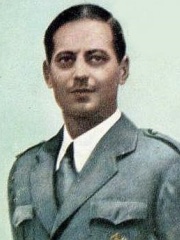
Giancarlo Cornaggia-Medici
FENCER
1904 - 1970
HPI: 59.30
Rank: 2,969
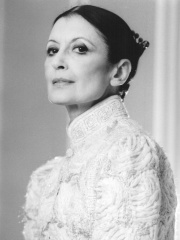
Carla Fracci
DANCER
1936 - 2021
HPI: 59.29
Rank: 2,970
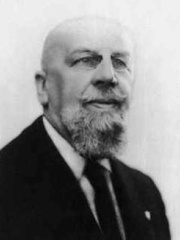
Gino Fano
MATHEMATICIAN
1871 - 1952
HPI: 59.28
Rank: 2,971

Stefano Domenicali
POLITICIAN
1965 - Present
HPI: 59.28
Rank: 2,972
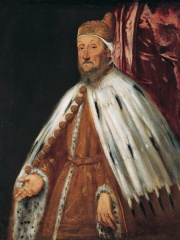
Pietro Loredan
POLITICIAN
1482 - 1570
HPI: 59.28
Rank: 2,973
Rino Fisichella
RELIGIOUS FIGURE
1951 - Present
HPI: 59.27
Rank: 2,974

Benny Benassi
MUSICIAN
1967 - Present
HPI: 59.27
Rank: 2,975

Francesca Neri
ACTOR
1964 - Present
HPI: 59.26
Rank: 2,976
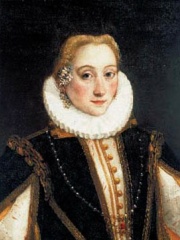
Olympia Fulvia Morata
WRITER
1526 - 1555
HPI: 59.24
Rank: 2,977

Giovanni Galbaio
POLITICIAN
800 - 804
HPI: 59.24
Rank: 2,978
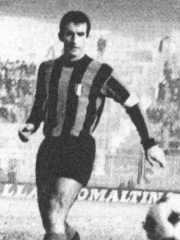
Armando Picchi
SOCCER PLAYER
1935 - 1971
HPI: 59.23
Rank: 2,979
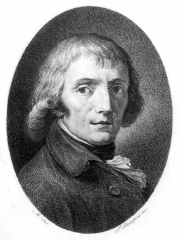
Giuseppe Parini
WRITER
1729 - 1799
HPI: 59.22
Rank: 2,980
Among 宗教家 In イタリア
Among 宗教家 born in イタリア, Rino Fisichella ranks 484. Before him are Giovanni de' Marignolli (1290), Laurence of Canterbury (550), Jacqueline Felice de Almania (1300), Alexander of Constantinople (250), Gualtiero Bassetti (1942), and Clemente Micara (1879). After him are Nicolò Longobardo (1565), Camillo Caccia Dominioni (1877), Fortunato Baldelli (1935), Vincenzo Carafa (1594), Benedict Menni (1841), and Zenobius of Florence (337).
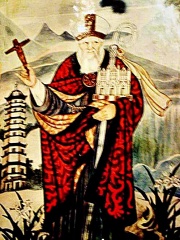
Giovanni de' Marignolli
1290 - 1358
HPI: 59.42
Rank: 478
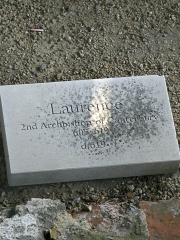
Laurence of Canterbury
550 - 619
HPI: 59.39
Rank: 479

Jacqueline Felice de Almania
1300 - Present
HPI: 59.39
Rank: 480
Alexander of Constantinople
250 - 337
HPI: 59.39
Rank: 481
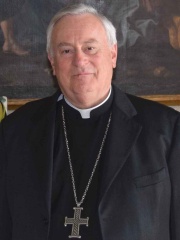
Gualtiero Bassetti
1942 - Present
HPI: 59.35
Rank: 482

Clemente Micara
1879 - 1965
HPI: 59.31
Rank: 483
Rino Fisichella
1951 - Present
HPI: 59.27
Rank: 484
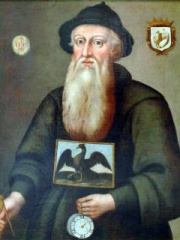
Nicolò Longobardo
1565 - 1655
HPI: 59.20
Rank: 485
Camillo Caccia Dominioni
1877 - 1946
HPI: 59.20
Rank: 486
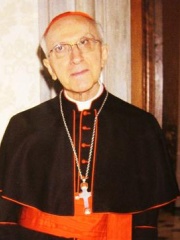
Fortunato Baldelli
1935 - Present
HPI: 59.19
Rank: 487
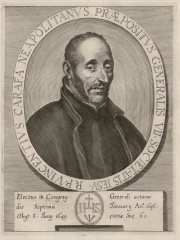
Vincenzo Carafa
1594 - 1649
HPI: 59.16
Rank: 488
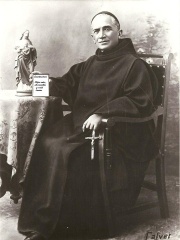
Benedict Menni
1841 - 1914
HPI: 59.07
Rank: 489
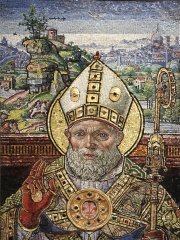
Zenobius of Florence
337 - 417
HPI: 59.02
Rank: 490




