Religieuze figuur
Crescenzio Sepe
1943 - heden
NL.WIKIPEDIA-PAGINAWEERGAVEN (PV)
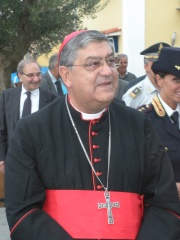
 Crescenzio Sepe
Zijn biografie is beschikbaar in 24 verschillende talen op Wikipedia (toegenomen van 20 in 2024). Crescenzio Sepe staat op plaats 1.920 onder de meest populaire religieuze figuur (gestegen van plaats 2.313 in 2024), plaats 2.519 onder de meest populaire biografieën uit Italië (gestegen van plaats 3.201 in 2019) en op plaats 445 onder de populairste religieuze figuur uit Italië.
Bekendheidsstatistieken
26k
Paginaweergaven
Afgelopen 12 maanden
61.22
HPI
Historische populariteitsindex
Data-inzichten
+12k
Crescenzio Sepe steeg 11,940 plaatsen in de wereldwijde HPI-ranglijst van Pantheon, van plaats 44,019 naar 32,121.
Paginaweergaven van Crescenzio Sepe per taal
Onder Religieuze figuur
Onder Religieuze figuur staat Crescenzio Sepe op plaats 1,920 van 3,189. Vóór hem staan Willigis, Dagobert of Pisa, Stephen Langton, Caspar Schwenckfeld, Thomas Byles, en Raymond Franz. Na hem komen Diego Laynez, Sobekemsaf II, António Marto, Joseph Vaz, Hans Tausen, en George Pell.
Populairste Religieuze figuur op Wikipedia
Naar alle ranglijsten
Willigis
940 - 1011
HPI: 61.23
Plaats: 1,914
Dagobert of Pisa
1100 - 1107
HPI: 61.22
Plaats: 1,915
Stephen Langton
1150 - 1228
HPI: 61.22
Plaats: 1,916
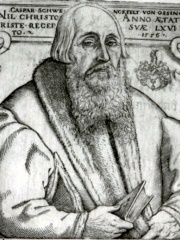
Caspar Schwenckfeld
1490 - 1561
HPI: 61.22
Plaats: 1,917
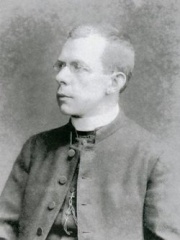
Thomas Byles
1870 - 1912
HPI: 61.22
Plaats: 1,918
Raymond Franz
1922 - 2010
HPI: 61.22
Plaats: 1,919
Crescenzio Sepe
1943 - heden
HPI: 61.22
Plaats: 1,920
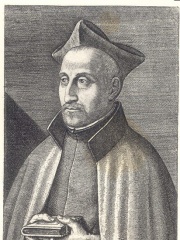
Diego Laynez
1512 - 1565
HPI: 61.21
Plaats: 1,921
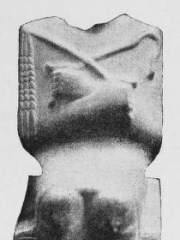
Sobekemsaf II
1600 v.Chr. - 1600 v.Chr.
HPI: 61.21
Plaats: 1,922
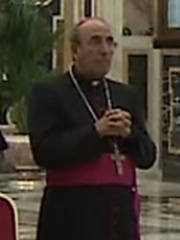
António Marto
1947 - heden
HPI: 61.20
Plaats: 1,923
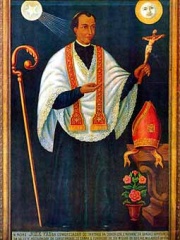
Joseph Vaz
1651 - 1711
HPI: 61.20
Plaats: 1,924
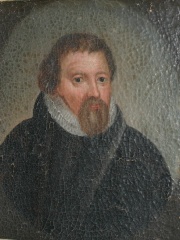
Hans Tausen
1494 - 1561
HPI: 61.20
Plaats: 1,925
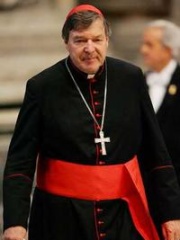
George Pell
1941 - 2023
HPI: 61.19
Plaats: 1,926

Tijdgenoten
Onder de mensen geboren in 1943 staat Crescenzio Sepe op plaats 245. Vóór hem staan Domenico Calcagno, Mike Leigh, Ramón Sampedro, Rashid Sunyaev, Robert Gates, en Frederick Chiluba. Na hem komen Sani Abacha, Don Simpson, Michael Ondaatje, Mustafa Nadarević, Newt Gingrich, en Wilson da Silva Piazza.
Anderen geboren in 1943
Naar alle ranglijsten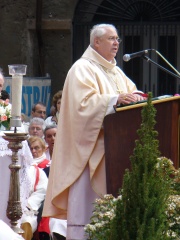
Domenico Calcagno
RELIGIOUS FIGURE
1943 - heden
HPI: 61.36
Plaats: 239
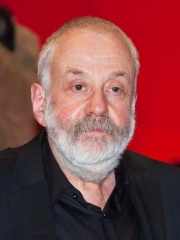
Mike Leigh
FILM DIRECTOR
1943 - heden
HPI: 61.35
Plaats: 240
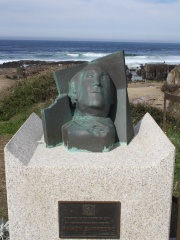
Ramón Sampedro
WRITER
1943 - 1998
HPI: 61.34
Plaats: 241
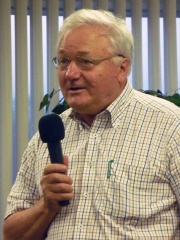
Rashid Sunyaev
PHYSICIST
1943 - heden
HPI: 61.32
Plaats: 242
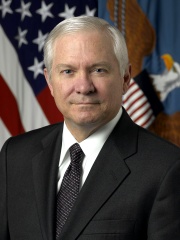
Robert Gates
POLITICIAN
1943 - heden
HPI: 61.31
Plaats: 243
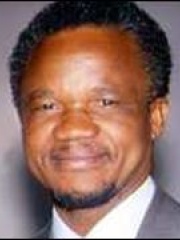
Frederick Chiluba
POLITICIAN
1943 - 2011
HPI: 61.26
Plaats: 244
Crescenzio Sepe
RELIGIOUS FIGURE
1943 - heden
HPI: 61.22
Plaats: 245
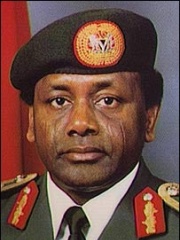
Sani Abacha
POLITICIAN
1943 - 1998
HPI: 61.21
Plaats: 246

Don Simpson
PRODUCER
1943 - 1996
HPI: 61.08
Plaats: 247
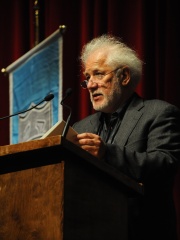
Michael Ondaatje
WRITER
1943 - heden
HPI: 61.07
Plaats: 248
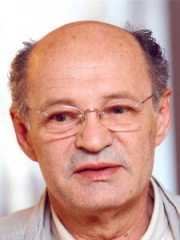
Mustafa Nadarević
ACTOR
1943 - 2020
HPI: 61.05
Plaats: 249
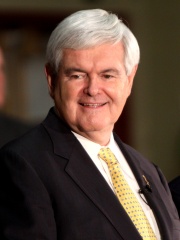
Newt Gingrich
POLITICIAN
1943 - heden
HPI: 60.91
Plaats: 250
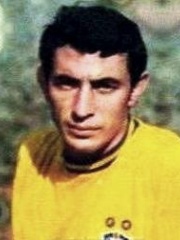
Wilson da Silva Piazza
SOCCER PLAYER
1943 - heden
HPI: 60.85
Plaats: 251
In Italië
Onder de mensen geboren in Italië staat Crescenzio Sepe op plaats 2,519 van 5,905. Vóór hem staan Giovanni Visconti (1290), Mario Merz (1925), Pierina Legnani (1863), Girolamo Priuli (1486), Dagobert of Pisa (1100), en Giancarlo Antognoni (1954). Na hem komen Lucius Cornelius Scipio Barbatus (-400), Carlo Airoldi (1869), Jannik Sinner (2001), Luigi Cremona (1830), Gaétan Vestris (1729), en Carlo Lizzani (1922).
Anderen geboren in Italië
Naar alle ranglijsten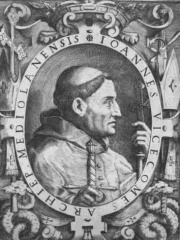
Giovanni Visconti
POLITICIAN
1290 - 1354
HPI: 61.24
Plaats: 2,513
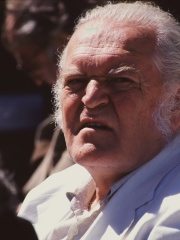
Mario Merz
PAINTER
1925 - 2003
HPI: 61.24
Plaats: 2,514

Pierina Legnani
DANCER
1863 - 1930
HPI: 61.23
Plaats: 2,515
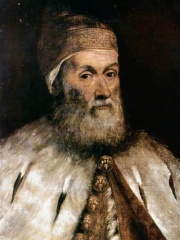
Girolamo Priuli
POLITICIAN
1486 - 1567
HPI: 61.23
Plaats: 2,516
Dagobert of Pisa
RELIGIOUS FIGURE
1100 - 1107
HPI: 61.22
Plaats: 2,517

Giancarlo Antognoni
SOCCER PLAYER
1954 - heden
HPI: 61.22
Plaats: 2,518
Crescenzio Sepe
RELIGIOUS FIGURE
1943 - heden
HPI: 61.22
Plaats: 2,519
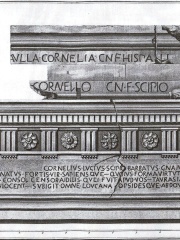
Lucius Cornelius Scipio Barbatus
POLITICIAN
400 v.Chr. - 300 v.Chr.
HPI: 61.21
Plaats: 2,520

Carlo Airoldi
ATHLETE
1869 - 1929
HPI: 61.21
Plaats: 2,521

Jannik Sinner
TENNIS PLAYER
2001 - heden
HPI: 61.21
Plaats: 2,522
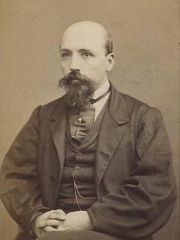
Luigi Cremona
MATHEMATICIAN
1830 - 1903
HPI: 61.20
Plaats: 2,523
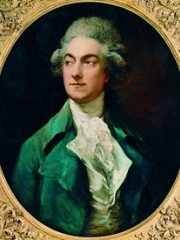
Gaétan Vestris
DANCER
1729 - 1808
HPI: 61.20
Plaats: 2,524
Carlo Lizzani
FILM DIRECTOR
1922 - 2013
HPI: 61.19
Plaats: 2,525
Onder Religieuze figuur in Italië
Onder Religieuze figuur geboren in Italië staat Crescenzio Sepe op plaats 445. Vóór hem staan Carlo Furno (1921), Luigi Sturzo (1871), Giovanni Battista Scalabrini (1839), John Gualbert (995), Antonio Bacci (1885), en Dagobert of Pisa (1100). Na hem komen Sergio Sebastiani (1931), Chromatius (335), Carlo Caffarra (1938), Alessandro Albani (1692), Lawrence Justinian (1381), en Corrado Bafile (1903).
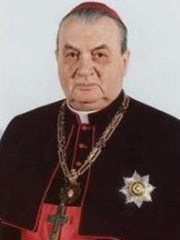
Carlo Furno
1921 - 2015
HPI: 61.35
Plaats: 439
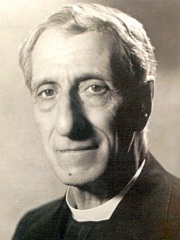
Luigi Sturzo
1871 - 1959
HPI: 61.32
Plaats: 440
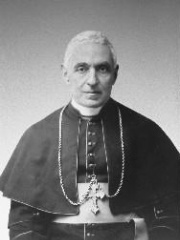
Giovanni Battista Scalabrini
1839 - 1905
HPI: 61.31
Plaats: 441
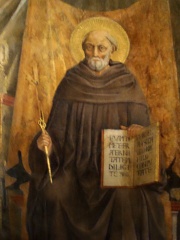
John Gualbert
995 - 1073
HPI: 61.30
Plaats: 442

Antonio Bacci
1885 - 1971
HPI: 61.24
Plaats: 443
Dagobert of Pisa
1100 - 1107
HPI: 61.22
Plaats: 444
Crescenzio Sepe
1943 - heden
HPI: 61.22
Plaats: 445
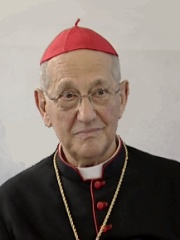
Sergio Sebastiani
1931 - 2024
HPI: 61.18
Plaats: 446
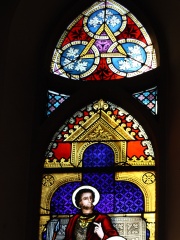
Chromatius
335 - 407
HPI: 61.10
Plaats: 447
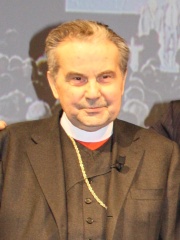
Carlo Caffarra
1938 - 2017
HPI: 61.09
Plaats: 448
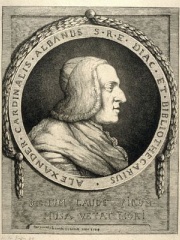
Alessandro Albani
1692 - 1779
HPI: 61.07
Plaats: 449
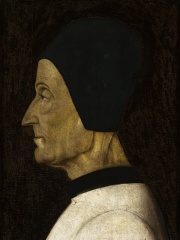
Lawrence Justinian
1381 - 1456
HPI: 61.00
Plaats: 450

Corrado Bafile
1903 - 2005
HPI: 60.93
Plaats: 451




