哲学者
ニッコロ・マキャヴェッリ
1469 - 1527
JA.WIKIPEDIA ページビュー (PV)
 ニッコロ・マキャヴェッリ
知名度指標
2.9M
ページビュー
過去12か月
90.45
HPI
歴史的人気指数
ニッコロ・マキャヴェッリの言語別ページビュー
哲学者の中で
哲学者の中で、ニッコロ・マキャヴェッリは1,267人中13位です。 彼より上位:Immanuel Kant, René Descartes, Avicenna, Laozi, Jean-Jacques Rousseau, 、Baruch Spinoza. 彼より下位:Augustine of Hippo, Francis Bacon, Friedrich Nietzsche, Thales of Miletus, Heraclitus, 、Thomas Aquinas.
ウィキペディアで最も人気のある哲学者
すべてのランキングを見る
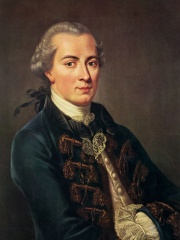
Immanuel Kant
1724 - 1804
HPI: 92.35
順位: 7
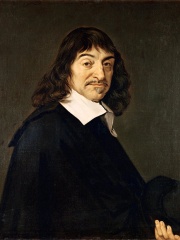
René Descartes
1596 - 1650
HPI: 92.12
順位: 8
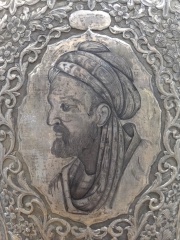
Avicenna
980 - 1037
HPI: 92.05
順位: 9

Laozi
604 BC - 600 BC
HPI: 91.85
順位: 10
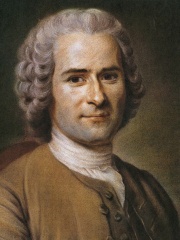
Jean-Jacques Rousseau
1712 - 1778
HPI: 91.27
順位: 11
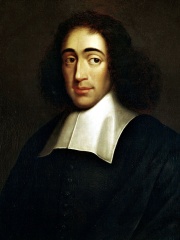
Baruch Spinoza
1632 - 1677
HPI: 90.63
順位: 12
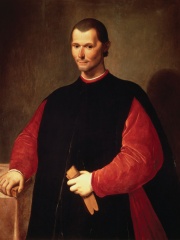
Niccolò Machiavelli
1469 - 1527
HPI: 90.45
順位: 13
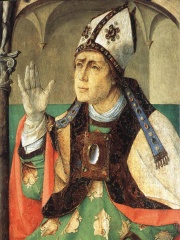
Augustine of Hippo
354 - 430
HPI: 90.39
順位: 14
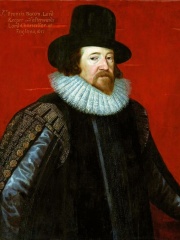
Francis Bacon
1561 - 1626
HPI: 90.32
順位: 15
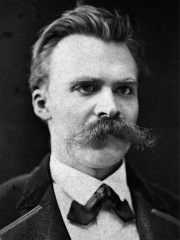
Friedrich Nietzsche
1844 - 1900
HPI: 90.17
順位: 16
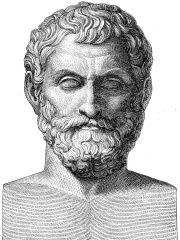
Thales of Miletus
623 BC - 546 BC
HPI: 89.06
順位: 17
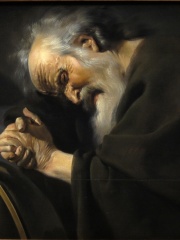
Heraclitus
535 BC - 470 BC
HPI: 89.05
順位: 18
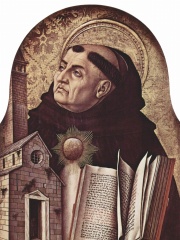
Thomas Aquinas
1225 - 1274
HPI: 88.70
順位: 19

同時代の人物
1469年生まれの人の中で、ニッコロ・マキャヴェッリは1位です。 彼より下位:Guru Nanak, Manuel I of Portugal, Gian Galeazzo Sforza, Thomas Cajetan, Ishak Pasha, John Fisher, Rodrigo de Triana, Francesco Granacci, Elia Levita, 、Laura Cereta. 1527年に亡くなった人の中で、ニッコロ・マキャヴェッリは1位です。 彼より下位:Charles III, Duke of Bourbon, Diego Columbus, Juan de Grijalva, Christoph I, Margrave of Baden-Baden, Charles de Lannoy, 1st Prince of Sulmona, Rodrigo de Bastidas, Casimir, Margrave of Brandenburg-Kulmbach, Johann Froben, Felix Manz, 、Catherine of York.
1469年生まれのその他の人物
すべてのランキングを見るNiccolò Machiavelli
PHILOSOPHER
1469 - 1527
HPI: 90.45
順位: 1
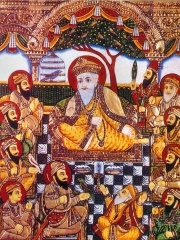
Guru Nanak
RELIGIOUS FIGURE
1469 - 1539
HPI: 85.46
順位: 2
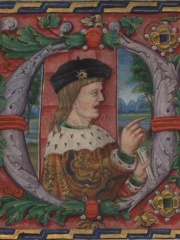
Manuel I of Portugal
POLITICIAN
1469 - 1521
HPI: 77.70
順位: 3
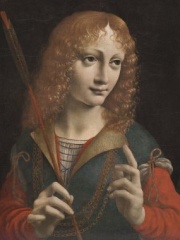
Gian Galeazzo Sforza
NOBLEMAN
1469 - 1494
HPI: 71.28
順位: 4
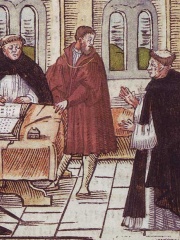
Thomas Cajetan
PHILOSOPHER
1469 - 1534
HPI: 67.47
順位: 5

Ishak Pasha
POLITICIAN
1469 - 1497
HPI: 65.85
順位: 6
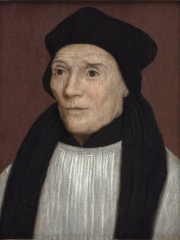
John Fisher
RELIGIOUS FIGURE
1469 - 1535
HPI: 65.73
順位: 7
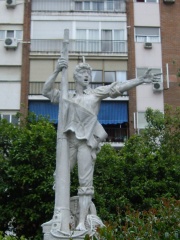
Rodrigo de Triana
EXPLORER
1469 - 1526
HPI: 65.10
順位: 8
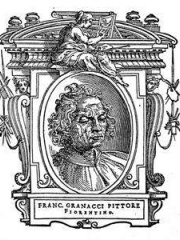
Francesco Granacci
PAINTER
1469 - 1543
HPI: 60.53
順位: 9

Elia Levita
WRITER
1469 - 1549
HPI: 58.94
順位: 10
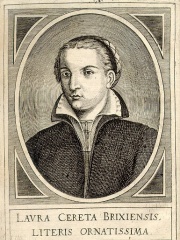
Laura Cereta
WRITER
1469 - 1499
HPI: 57.82
順位: 11
1527年に亡くなったその他の人物
すべてのランキングを見るNiccolò Machiavelli
PHILOSOPHER
1469 - 1527
HPI: 90.45
順位: 1
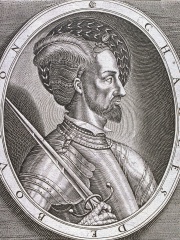
Charles III, Duke of Bourbon
POLITICIAN
1490 - 1527
HPI: 70.89
順位: 2
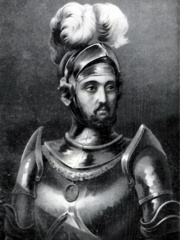
Diego Columbus
EXPLORER
1479 - 1527
HPI: 68.73
順位: 3
Juan de Grijalva
EXPLORER
1480 - 1527
HPI: 66.16
順位: 4
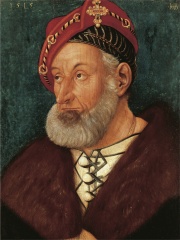
Christoph I, Margrave of Baden-Baden
POLITICIAN
1453 - 1527
HPI: 64.01
順位: 5
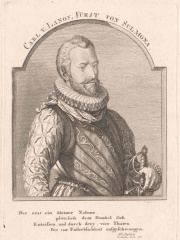
Charles de Lannoy, 1st Prince of Sulmona
POLITICIAN
1487 - 1527
HPI: 63.41
順位: 6
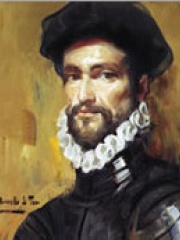
Rodrigo de Bastidas
EXPLORER
1460 - 1527
HPI: 63.12
順位: 7
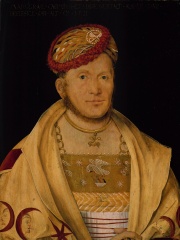
Casimir, Margrave of Brandenburg-Kulmbach
POLITICIAN
1481 - 1527
HPI: 62.27
順位: 8
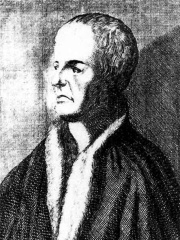
Johann Froben
WRITER
1460 - 1527
HPI: 61.16
順位: 9
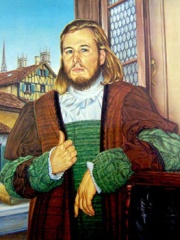
Felix Manz
SOCIAL ACTIVIST
1498 - 1527
HPI: 60.59
順位: 10
Catherine of York
POLITICIAN
1479 - 1527
HPI: 60.56
順位: 11
イタリアの中で
イタリア生まれの人の中で、ニッコロ・マキャヴェッリはNaN人中12位です。 彼より上位:Michelangelo (1475), Archimedes (-287), Dante Alighieri (1265), Augustus (-63), Antonio Vivaldi (1678), 、Raphael (1483). 彼より下位:Pope John Paul I (1912), Commodus (161), Fibonacci (1170), Giuseppe Verdi (1813), Thomas Aquinas (1225), 、Giordano Bruno (1548).
イタリア生まれのその他の人物
すべてのランキングを見る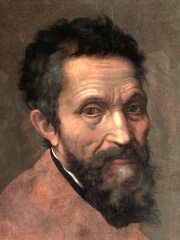
Michelangelo
PAINTER
1475 - 1564
HPI: 93.54
順位: 6
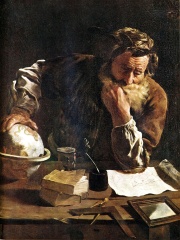
Archimedes
MATHEMATICIAN
287 BC - 212 BC
HPI: 93.41
順位: 7
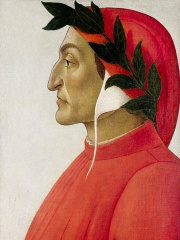
Dante Alighieri
WRITER
1265 - 1321
HPI: 92.13
順位: 8
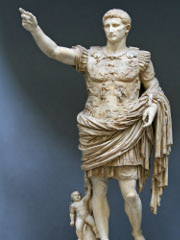
Augustus
POLITICIAN
63 BC - 14
HPI: 92.03
順位: 9
Antonio Vivaldi
COMPOSER
1678 - 1741
HPI: 91.00
順位: 10
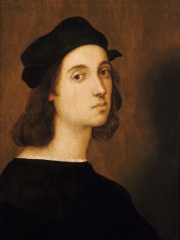
Raphael
PAINTER
1483 - 1520
HPI: 90.99
順位: 11
Niccolò Machiavelli
PHILOSOPHER
1469 - 1527
HPI: 90.45
順位: 12
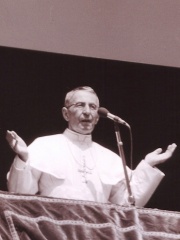
Pope John Paul I
RELIGIOUS FIGURE
1912 - 1978
HPI: 89.80
順位: 13
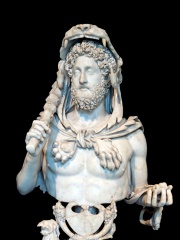
Commodus
POLITICIAN
161 - 192
HPI: 89.79
順位: 14
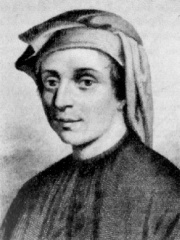
Fibonacci
MATHEMATICIAN
1170 - 1240
HPI: 89.74
順位: 15
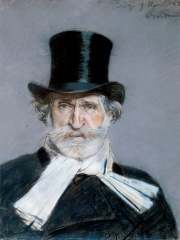
Giuseppe Verdi
COMPOSER
1813 - 1901
HPI: 89.28
順位: 16
Thomas Aquinas
PHILOSOPHER
1225 - 1274
HPI: 88.70
順位: 17
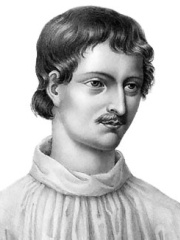
Giordano Bruno
ASTRONOMER
1548 - 1600
HPI: 88.57
順位: 18
イタリアの哲学者の中で
イタリア生まれの哲学者の中で、ニッコロ・マキャヴェッリは1位です。 彼より下位:Thomas Aquinas (1225), Maria Montessori (1870), Parmenides (-501), Lucretius (-94), Empedocles (-490), Zeno of Elea (-490), Antonio Gramsci (1891), Pliny the Elder (23), Giovanni Pico della Mirandola (1463), Boethius (480), 、Bonaventure (1221).
Niccolò Machiavelli
1469 - 1527
HPI: 90.45
順位: 1
Thomas Aquinas
1225 - 1274
HPI: 88.70
順位: 2
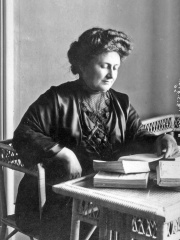
Maria Montessori
1870 - 1952
HPI: 84.59
順位: 3
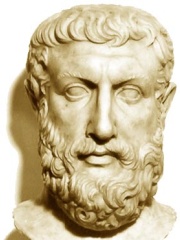
Parmenides
501 BC - 470 BC
HPI: 84.47
順位: 4
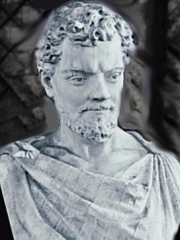
Lucretius
94 BC - 55 BC
HPI: 83.96
順位: 5
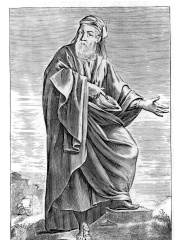
Empedocles
490 BC - 430 BC
HPI: 83.60
順位: 6
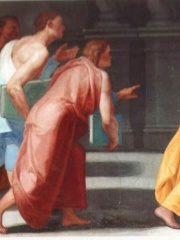
Zeno of Elea
490 BC - 425 BC
HPI: 81.64
順位: 7
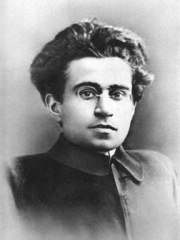
Antonio Gramsci
1891 - 1937
HPI: 80.94
順位: 8
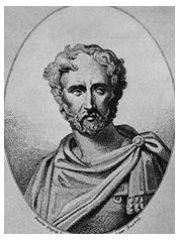
Pliny the Elder
23 - 79
HPI: 80.68
順位: 9
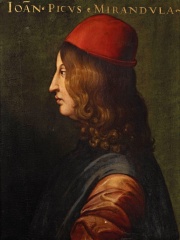
Giovanni Pico della Mirandola
1463 - 1494
HPI: 79.56
順位: 10
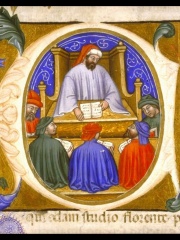
Boethius
480 - 525
HPI: 78.53
順位: 11
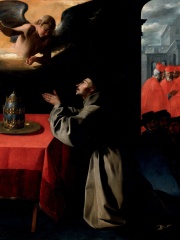
Bonaventure
1221 - 1274
HPI: 77.62
順位: 12




