政治家
Neferneferure
1400 BC - 1400 BC
 Neferneferure
知名度指标
29k
页面浏览量
过去12个月
65.31
HPI
历史知名度指数
数据洞察
#18,416
逝世 34 个多世纪后,Neferneferure在 Pantheon 全部人物中仍排名第 18,416。
3,508
在 Pantheon 收录的 19,576 位政治家中,女性仅有 3,508 位,Neferneferure是其中之一。
Neferneferure的各语言页面浏览量
在政治家中
在政治家中,Neferneferure排名第5,987位(共19,576人)。 排在她之前的有:Magnus, Duke of Holstein, Amalie of Zweibrücken-Birkenfeld, Mohamed Ould Ghazouani, Köprülüzade Fazıl Mustafa Pasha, Marcus Livius Drusus, 和Chungmok of Goryeo. 排在她之后的有:Michael I Apafi, Archduchess Margarete Sophie of Austria, Emperor Takakura, Raymond of Burgundy, Ahmed Shafik, 和Emine Hatun.
维基百科上最受欢迎的政治家
查看全部排名
Magnus, Duke of Holstein
1540 - 1583
HPI: 65.32
排名: 5,983
Amalie of Zweibrücken-Birkenfeld
1752 - 1828
HPI: 65.31
排名: 5,984

Mohamed Ould Ghazouani
1956 - 至今
HPI: 65.31
排名: 5,985
Köprülüzade Fazıl Mustafa Pasha
1637 - 1691
HPI: 65.31
排名: 5,986
Marcus Livius Drusus
200 BC - 91 BC
HPI: 65.31
排名: 5,987

Chungmok of Goryeo
1337 - 1348
HPI: 65.31
排名: 5,988
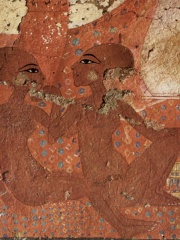
Neferneferure
1400 BC - 1400 BC
HPI: 65.31
排名: 5,989
Michael I Apafi
1632 - 1690
HPI: 65.31
排名: 5,990
Archduchess Margarete Sophie of Austria
1870 - 1902
HPI: 65.31
排名: 5,991

Emperor Takakura
1161 - 1181
HPI: 65.31
排名: 5,992
Raymond of Burgundy
1070 - 1107
HPI: 65.31
排名: 5,993
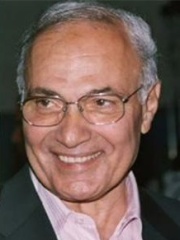
Ahmed Shafik
1941 - 至今
HPI: 65.31
排名: 5,994

Emine Hatun
1398 - 1449
HPI: 65.30
排名: 5,995

同时代人物
在1400 BC年出生的人中,Neferneferure排名第14位。 排在她之前的有:Meritamen, Mursili III, Adad-nirari I, Kiya, Ashur-uballit I, 和Fu Hao. 排在她之后的有:Neferneferuaten Tasherit, Xiao Yi of Shang, Setepenre, Arnuwanda II, Mutnedjmet, 和Sitre. 在1400 BC年去世的人中,Neferneferure排名第10位。 排在她之前的有:Thutmose IV, Meritaten, Tudḫaliya I, Kiya, Amenhotep, son of Hapu, 和Tadukhipa. 排在她之后的有:Neferneferuaten Tasherit, Ḫattušili II, Yuya, Setepenre, Arnuwanda II, 和Mutnedjmet.
其他1400 BC年出生的人
查看全部排名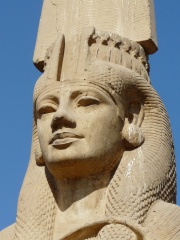
Meritamen
COMPANION
1400 BC - 1300 BC
HPI: 69.06
排名: 8

Mursili III
POLITICIAN
1400 BC - 1267 BC
HPI: 68.64
排名: 9
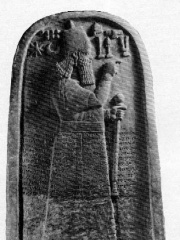
Adad-nirari I
POLITICIAN
1400 BC - 1274 BC
HPI: 67.88
排名: 10
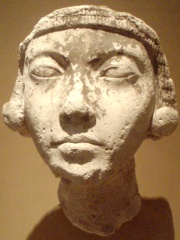
Kiya
POLITICIAN
1400 BC - 1400 BC
HPI: 67.46
排名: 11
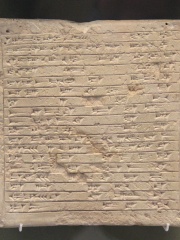
Ashur-uballit I
POLITICIAN
1400 BC - 1318 BC
HPI: 66.45
排名: 12
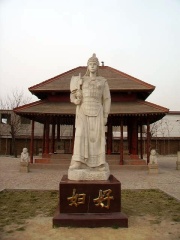
Fu Hao
POLITICIAN
1400 BC - 1300 BC
HPI: 66.26
排名: 13
Neferneferure
POLITICIAN
1400 BC - 1400 BC
HPI: 65.31
排名: 14
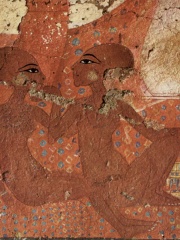
Neferneferuaten Tasherit
COMPANION
1400 BC - 1400 BC
HPI: 65.08
排名: 15

Xiao Yi of Shang
POLITICIAN
1400 BC - 1325 BC
HPI: 64.79
排名: 16
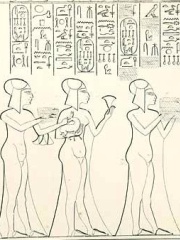
Setepenre
POLITICIAN
1400 BC - 1400 BC
HPI: 64.07
排名: 17

Arnuwanda II
POLITICIAN
1400 BC - 1400 BC
HPI: 63.90
排名: 18
Mutnedjmet
POLITICIAN
1400 BC - 1400 BC
HPI: 62.80
排名: 19
Sitre
COMPANION
1400 BC - 1300 BC
HPI: 61.73
排名: 20
其他1400 BC年去世的人
查看全部排名
Thutmose IV
PHYSICIAN
1420 BC - 1400 BC
HPI: 73.84
排名: 4
Meritaten
RELIGIOUS FIGURE
1400 BC - 1400 BC
HPI: 72.75
排名: 5

Tudḫaliya I
POLITICIAN
1500 BC - 1400 BC
HPI: 68.68
排名: 6
Kiya
POLITICIAN
1400 BC - 1400 BC
HPI: 67.46
排名: 7
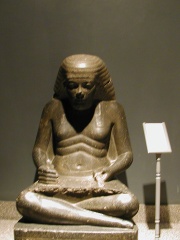
Amenhotep, son of Hapu
ARCHITECT
1420 BC - 1400 BC
HPI: 66.24
排名: 8
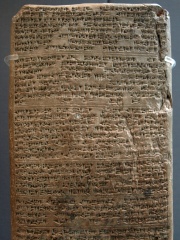
Tadukhipa
POLITICIAN
1365 BC - 1400 BC
HPI: 65.70
排名: 9
Neferneferure
POLITICIAN
1400 BC - 1400 BC
HPI: 65.31
排名: 10
Neferneferuaten Tasherit
COMPANION
1400 BC - 1400 BC
HPI: 65.08
排名: 11

Ḫattušili II
POLITICIAN
1350 BC - 1400 BC
HPI: 64.75
排名: 12
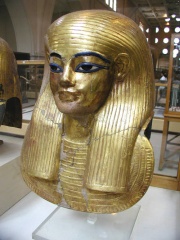
Yuya
POLITICIAN
1500 BC - 1400 BC
HPI: 64.60
排名: 13
Setepenre
POLITICIAN
1400 BC - 1400 BC
HPI: 64.07
排名: 14
Arnuwanda II
POLITICIAN
1400 BC - 1400 BC
HPI: 63.90
排名: 15
Mutnedjmet
POLITICIAN
1400 BC - 1400 BC
HPI: 62.80
排名: 16
在埃及
在出生于埃及的人中,Neferneferure排名第254位(共642人)。 排在她之前的有:Bintanath (-1300), Neferirkare Kakai (-2483), Ammonius Hermiae (440), Mariamne (-100), Mary the Jewess (100), 和Takelot II (-900). 排在她之后的有:Ahmed Shafik (1941), Didymus the Blind (313), Khendjer (-1800), Amun-her-khepeshef (-1300), Senebkay (-1700), 和Neferneferuaten Tasherit (-1400).
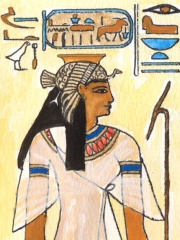
Bintanath
COMPANION
1300 BC - 1300 BC
HPI: 65.76
排名: 248
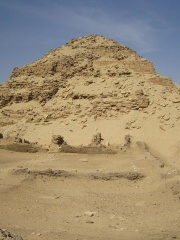
Neferirkare Kakai
NOBLEMAN
2483 BC - 2480 BC
HPI: 65.66
排名: 249
Ammonius Hermiae
PHILOSOPHER
440 - 523
HPI: 65.51
排名: 250

Mariamne
POLITICIAN
100 BC - 60 BC
HPI: 65.48
排名: 251
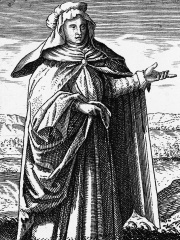
Mary the Jewess
INVENTOR
100 - 100
HPI: 65.39
排名: 252
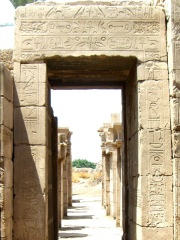
Takelot II
POLITICIAN
900 BC - 825 BC
HPI: 65.32
排名: 253
Neferneferure
POLITICIAN
1400 BC - 1400 BC
HPI: 65.31
排名: 254
Ahmed Shafik
POLITICIAN
1941 - 至今
HPI: 65.31
排名: 255
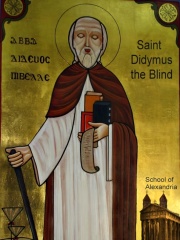
Didymus the Blind
RELIGIOUS FIGURE
313 - 398
HPI: 65.25
排名: 256
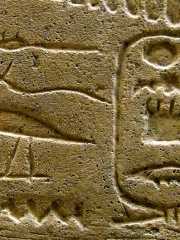
Khendjer
POLITICIAN
1800 BC - 1800 BC
HPI: 65.15
排名: 257
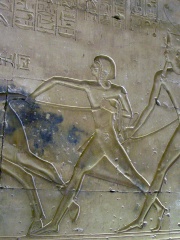
Amun-her-khepeshef
RELIGIOUS FIGURE
1300 BC - 1300 BC
HPI: 65.14
排名: 258
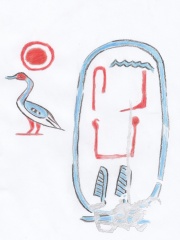
Senebkay
RELIGIOUS FIGURE
1700 BC - 1700 BC
HPI: 65.10
排名: 259
Neferneferuaten Tasherit
COMPANION
1400 BC - 1400 BC
HPI: 65.08
排名: 260
在埃及的政治家中
在出生于埃及的政治家中,Neferneferure排名第121位。 排在她之前的有:Cleopatra Thea (-164), Solamish (1272), Iry-Hor (-3101), Jehan Sadat (1933), Mariamne (-100), 和Takelot II (-900). 排在她之后的有:Ahmed Shafik (1941), Khendjer (-1800), Osorkon II (-1000), Ali az-Zahir (1005), Al-Said Barakah (1260), 和Ahmed ‘Urabi (1841).
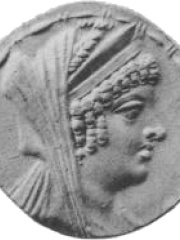
Cleopatra Thea
164 BC - 121 BC
HPI: 66.07
排名: 115
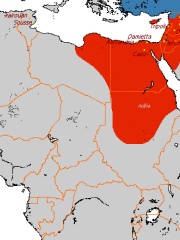
Solamish
1272 - 1291
HPI: 66.03
排名: 116
Iry-Hor
3101 BC - 至今
HPI: 65.89
排名: 117

Jehan Sadat
1933 - 2021
HPI: 65.79
排名: 118
Mariamne
100 BC - 60 BC
HPI: 65.48
排名: 119
Takelot II
900 BC - 825 BC
HPI: 65.32
排名: 120
Neferneferure
1400 BC - 1400 BC
HPI: 65.31
排名: 121
Ahmed Shafik
1941 - 至今
HPI: 65.31
排名: 122
Khendjer
1800 BC - 1800 BC
HPI: 65.15
排名: 123
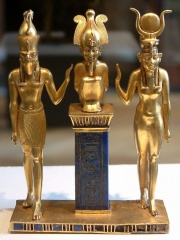
Osorkon II
1000 BC - 850 BC
HPI: 65.04
排名: 124
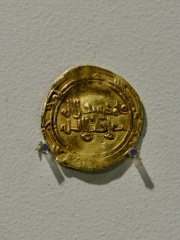
Ali az-Zahir
1005 - 1036
HPI: 65.02
排名: 125
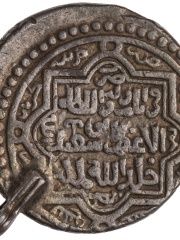
Al-Said Barakah
1260 - 1280
HPI: 64.97
排名: 126
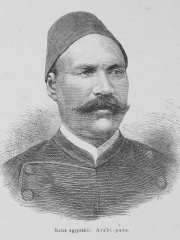
Ahmed ‘Urabi
1841 - 1911
HPI: 64.92
排名: 127




