Спутник
Анхесенамон
1347 BC - 1400 BC
ПРОСМОТРЫ RU.WIKIPEDIA (PV)
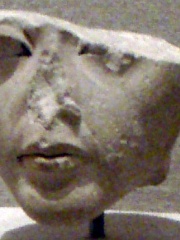
 Анхесенамон
Её биография доступна на 46 различных языках в Википедии. Анхесенамон занимает 51-е место среди самых популярных спутник (снижение с 23-е места в 2024 году), занимает 47-е место среди самых популярных биографий из Египета (снижение с 35-е места в 2019 году) и занимает 3-е место среди спутник Египет.
Метрики памятности
400k
Просмотры страниц
За последние 12 месяцев
77.52
HPI
Индекс исторической популярности
Интересные факты
#47 / 773
Анхесенамон занимает 47-е место среди 773 личностей Pantheon, родившихся в стране Египет, входя в лучшие 7 % этой группы.
Просмотры страницы Анхесенамон по языкам
Среди представителей профессии «Спутник»
Среди представителей профессии «Спутник» Анхесенамон занимает 51-е место из 818. Перед ней идут Victoria, Princess Royal, Ingrid of Sweden, Hafsa bint Umar, Mileva Marić, Caroline of Ansbach, и Isabella of Portugal. После неё идут Princess Helena of the United Kingdom, Maria Theresa of Naples and Sicily, Marie Leszczyńska, Catherine Howard, Philippa of Hainault, и Olympias.
Самые популярные в Википедии: Спутник
Все рейтинги
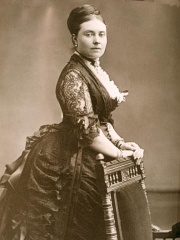
Victoria, Princess Royal
1840 - 1901
HPI: 77.93
Место: 45
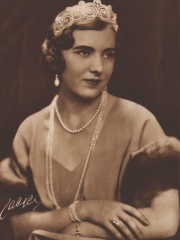
Ingrid of Sweden
1910 - 2000
HPI: 77.86
Место: 46

Hafsa bint Umar
602 - 661
HPI: 77.69
Место: 47
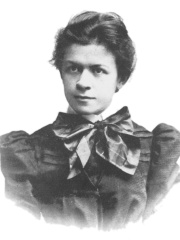
Mileva Marić
1875 - 1948
HPI: 77.68
Место: 48
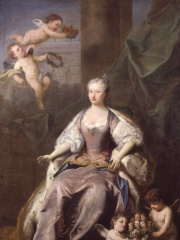
Caroline of Ansbach
1683 - 1737
HPI: 77.65
Место: 49
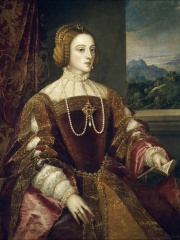
Isabella of Portugal
1503 - 1539
HPI: 77.56
Место: 50
Ankhesenamun
1347 до н. э. - 1400 до н. э.
HPI: 77.52
Место: 51
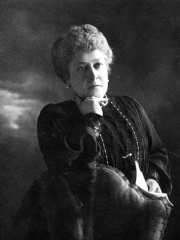
Princess Helena of the United Kingdom
1846 - 1923
HPI: 77.31
Место: 52
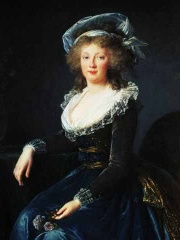
Maria Theresa of Naples and Sicily
1772 - 1807
HPI: 77.27
Место: 53
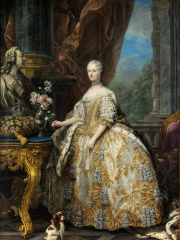
Marie Leszczyńska
1703 - 1768
HPI: 77.24
Место: 54
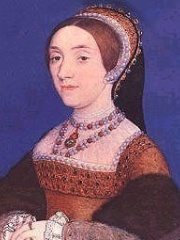
Catherine Howard
1523 - 1542
HPI: 77.14
Место: 55

Philippa of Hainault
1314 - 1369
HPI: 77.09
Место: 56
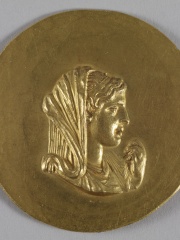
Olympias
375 до н. э. - 316 до н. э.
HPI: 76.86
Место: 57

Современники
Среди людей, родившихся в 1347 BC году, Анхесенамон занимает 1-е место. Среди людей, умерших в 1400 BC году, Анхесенамон занимает 3-е место. Перед ней идут Ay, и Jethro. После неё идут Thutmose IV, Meritaten, Tudḫaliya I, Kiya, Amenhotep, son of Hapu, Tadukhipa, Neferneferure, Neferneferuaten Tasherit, и Ḫattušili II.
Другие люди, родившиеся в 1347 BC году
Все рейтингиДругие люди, умершие в 1400 BC году
Все рейтинги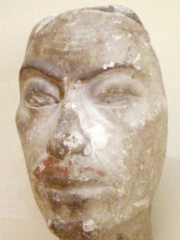
Ay
POLITICIAN
1380 до н. э. - 1400 до н. э.
HPI: 82.19
Место: 1
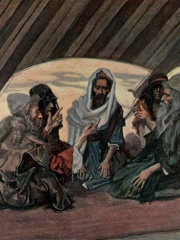
Jethro
RELIGIOUS FIGURE
1400 до н. э. - 1400 до н. э.
HPI: 77.68
Место: 2
Ankhesenamun
COMPANION
1347 до н. э. - 1400 до н. э.
HPI: 77.52
Место: 3
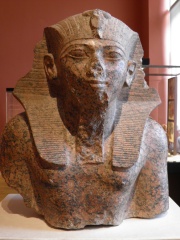
Thutmose IV
PHYSICIAN
1420 до н. э. - 1400 до н. э.
HPI: 73.84
Место: 4
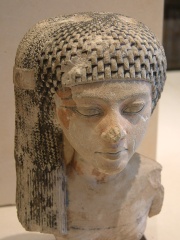
Meritaten
RELIGIOUS FIGURE
1400 до н. э. - 1400 до н. э.
HPI: 72.75
Место: 5

Tudḫaliya I
POLITICIAN
1500 до н. э. - 1400 до н. э.
HPI: 68.68
Место: 6
Kiya
POLITICIAN
1400 до н. э. - 1400 до н. э.
HPI: 67.46
Место: 7
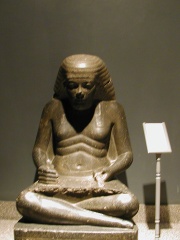
Amenhotep, son of Hapu
ARCHITECT
1420 до н. э. - 1400 до н. э.
HPI: 66.24
Место: 8
Tadukhipa
POLITICIAN
1365 до н. э. - 1400 до н. э.
HPI: 65.70
Место: 9
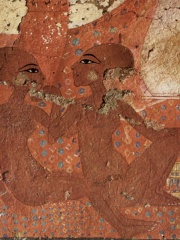
Neferneferure
POLITICIAN
1400 до н. э. - 1400 до н. э.
HPI: 65.31
Место: 10
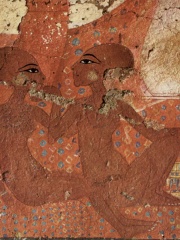
Neferneferuaten Tasherit
COMPANION
1400 до н. э. - 1400 до н. э.
HPI: 65.08
Место: 11

Ḫattušili II
POLITICIAN
1350 до н. э. - 1400 до н. э.
HPI: 64.75
Место: 12
В стране Египет
Среди людей, родившихся в стране Египет, Анхесенамон занимает 47-е место из 773. Перед ней идут Omar Sharif (1932), Pachomius the Great (292), Abdel Fattah el-Sisi (1954), Ramesses III (-1217), Horemheb (-1319), и Ramesses I (-1300). После неё идут Ptolemy XIII Theos Philopator (-62), Cyril of Alexandria (376), Smenkhkare (-1400), Boutros Boutros-Ghali (1922), Philo (-15), и Ahmose I (-1560).
Другие люди, родившиеся в стране Египет
Все рейтинги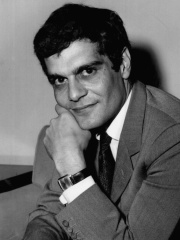
Omar Sharif
ACTOR
1932 - 2015
HPI: 78.05
Место: 41
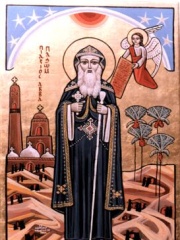
Pachomius the Great
RELIGIOUS FIGURE
292 - 348
HPI: 77.97
Место: 42
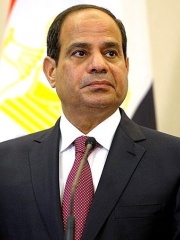
Abdel Fattah el-Sisi
POLITICIAN
1954 - наст. время
HPI: 77.90
Место: 43
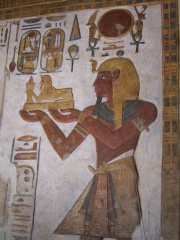
Ramesses III
NOBLEMAN
1217 до н. э. - 1155 до н. э.
HPI: 77.73
Место: 44
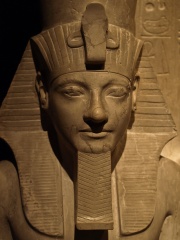
Horemheb
POLITICIAN
1319 до н. э. - 1292 до н. э.
HPI: 77.68
Место: 45
Ramesses I
NOBLEMAN
1300 до н. э. - 1290 до н. э.
HPI: 77.57
Место: 46
Ankhesenamun
COMPANION
1347 до н. э. - 1400 до н. э.
HPI: 77.52
Место: 47
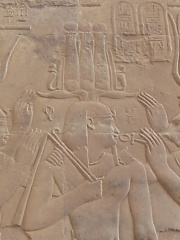
Ptolemy XIII Theos Philopator
POLITICIAN
62 до н. э. - 47 до н. э.
HPI: 77.30
Место: 48
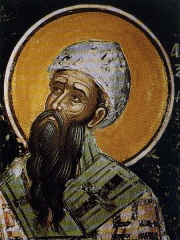
Cyril of Alexandria
PHYSICIAN
376 - 444
HPI: 76.98
Место: 49
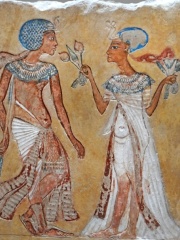
Smenkhkare
POLITICIAN
1400 до н. э. - 1334 до н. э.
HPI: 76.75
Место: 50
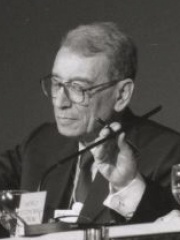
Boutros Boutros-Ghali
DIPLOMAT
1922 - 2016
HPI: 76.72
Место: 51
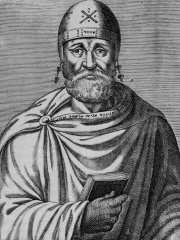
Philo
PHILOSOPHER
15 до н. э. - 45
HPI: 76.66
Место: 52
Ahmose I
POLITICIAN
1560 до н. э. - 1525 до н. э.
HPI: 76.62
Место: 53
Среди представителей профессии «Спутник» в стране Египет
Среди представителей профессии «Спутник», родившихся в стране Египет, Анхесенамон занимает 3-е место. Перед ней идут Nefertiti (-1400), и Nefertari (-1290). После неё идут Fawzia Fuad of Egypt (1921), Arsinoe II (-316), Tjuyu (-1401), Meritamen (-1400), Nazli Sabri (1894), Meketaten (-1348), Farida of Egypt (1921), Alia Al-Hussein (1948), и Bintanath (-1300).
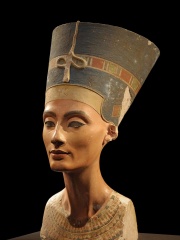
Nefertiti
1400 до н. э. - 1330 до н. э.
HPI: 87.28
Место: 1
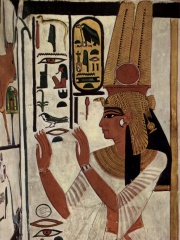
Nefertari
1290 до н. э. - 1255 до н. э.
HPI: 79.56
Место: 2
Ankhesenamun
1347 до н. э. - 1400 до н. э.
HPI: 77.52
Место: 3
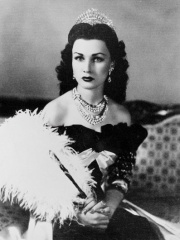
Fawzia Fuad of Egypt
1921 - 2013
HPI: 72.31
Место: 4
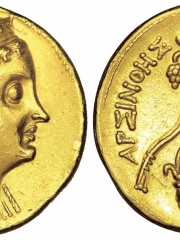
Arsinoe II
316 до н. э. - 270 до н. э.
HPI: 70.16
Место: 5
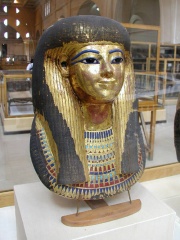
Tjuyu
1401 до н. э. - 1370 до н. э.
HPI: 70.15
Место: 6
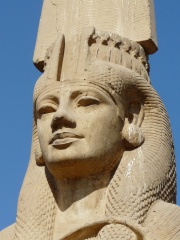
Meritamen
1400 до н. э. - 1300 до н. э.
HPI: 69.06
Место: 7
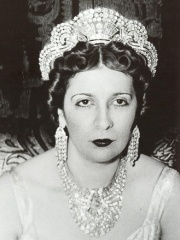
Nazli Sabri
1894 - 1978
HPI: 68.27
Место: 8
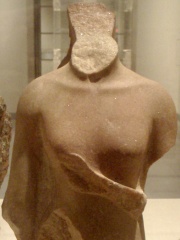
Meketaten
1348 до н. э. - 1338 до н. э.
HPI: 67.38
Место: 9
Farida of Egypt
1921 - 1988
HPI: 66.98
Место: 10

Alia Al-Hussein
1948 - 1977
HPI: 66.71
Место: 11
Bintanath
1300 до н. э. - 1300 до н. э.
HPI: 65.76
Место: 12




