Politicus
Emine Hatun
1398 - 1449

 Emine Hatun
Haar biografie is beschikbaar in 26 verschillende talen op Wikipedia (toegenomen van 21 in 2024). Emine Hatun staat op plaats 5.995 onder de meest populaire politicus (gedaald van plaats 4.526 in 2024), plaats 548 onder de meest populaire biografieën uit Turkije (gedaald van plaats 448 in 2019) en op plaats 284 onder de populairste politicus uit Turkije.
Bekendheidsstatistieken
41k
Paginaweergaven
Afgelopen 12 maanden
65.30
HPI
Historische populariteitsindex
Data-inzichten
+5
De biografie van Emine Hatun is het afgelopen jaar aan 5 nieuwe taalversies van Wikipedia toegevoegd.
Paginaweergaven van Emine Hatun per taal
Onder Politicus
Onder Politicus staat Emine Hatun op plaats 5,993 van 20,022. Vóór haar staan Neferneferure, Michael I Apafi, Archduchess Margarete Sophie of Austria, Emperor Takakura, Raymond of Burgundy, en Ahmed Shafik. Na haar komen Gunnbjörn Ulfsson, Alfonso Jordan, Yoshihiko Noda, Sultan bin Abdulaziz Al Saud, László Csatáry, en Beatrice of Provence.
Populairste Politicus op Wikipedia
Naar alle ranglijsten
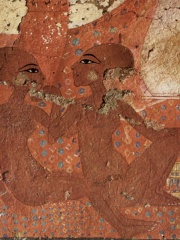
Neferneferure
1400 BC - 1400 BC
HPI: 65.31
Plaats: 5,989
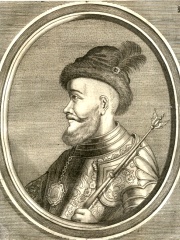
Michael I Apafi
1632 - 1690
HPI: 65.31
Plaats: 5,990
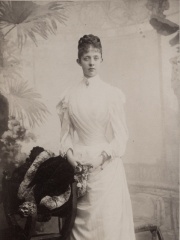
Archduchess Margarete Sophie of Austria
1870 - 1902
HPI: 65.31
Plaats: 5,991

Emperor Takakura
1161 - 1181
HPI: 65.31
Plaats: 5,992
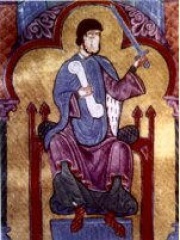
Raymond of Burgundy
1070 - 1107
HPI: 65.31
Plaats: 5,993
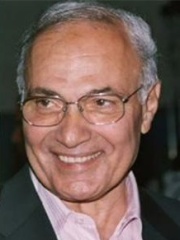
Ahmed Shafik
1941 - heden
HPI: 65.31
Plaats: 5,994
Emine Hatun
1398 - 1449
HPI: 65.30
Plaats: 5,995

Gunnbjörn Ulfsson
910 - 901
HPI: 65.30
Plaats: 5,996
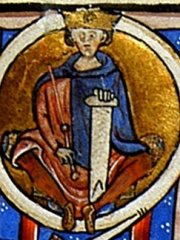
Alfonso Jordan
1103 - 1148
HPI: 65.30
Plaats: 5,997

Yoshihiko Noda
1957 - heden
HPI: 65.30
Plaats: 5,998
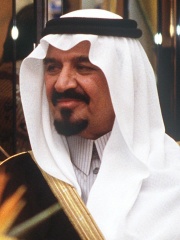
Sultan bin Abdulaziz Al Saud
1928 - 2011
HPI: 65.30
Plaats: 5,999

László Csatáry
1915 - 2013
HPI: 65.30
Plaats: 6,000
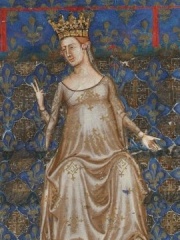
Beatrice of Provence
1229 - 1267
HPI: 65.30
Plaats: 6,001

Tijdgenoten
Onder de mensen geboren in 1398 staat Emine Hatun op plaats 4. Vóór haar staan John II of Aragon, Moctezuma I, en Julian Cesarini. Na haar komen John, Duke of Touraine, Theodorus Gaza, Francesco Filelfo, en Íñigo López de Mendoza, 1st Marquis of Santillana. Onder de mensen overleden in 1449 staat Emine Hatun op plaats 5. Vóór haar staan Ulugh Beg, Ibn Hajar al-‘Asqalani, Hüma Hatun, en Peter, Duke of Coimbra. Na haar komen Louis IV, Elector Palatine, en Konrad von Erlichshausen.
Anderen geboren in 1398
Naar alle ranglijsten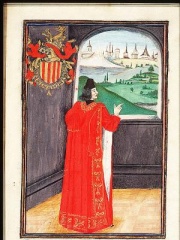
John II of Aragon
POLITICIAN
1398 - 1479
HPI: 71.63
Plaats: 1
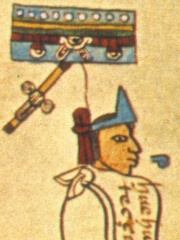
Moctezuma I
POLITICIAN
1398 - 1469
HPI: 68.28
Plaats: 2
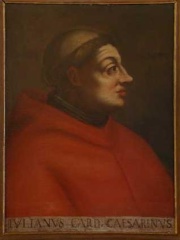
Julian Cesarini
RELIGIOUS FIGURE
1398 - 1444
HPI: 65.56
Plaats: 3
Emine Hatun
POLITICIAN
1398 - 1449
HPI: 65.30
Plaats: 4
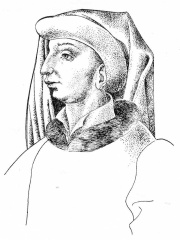
John, Duke of Touraine
NOBLEMAN
1398 - 1417
HPI: 63.41
Plaats: 5
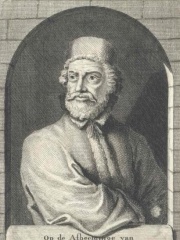
Theodorus Gaza
WRITER
1398 - 1475
HPI: 61.14
Plaats: 6
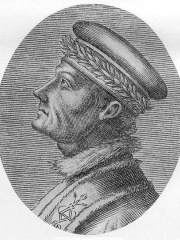
Francesco Filelfo
PHILOSOPHER
1398 - 1481
HPI: 61.01
Plaats: 7
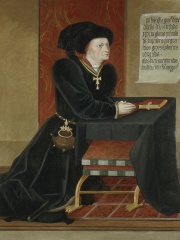
Íñigo López de Mendoza, 1st Marquis of Santillana
NOBLEMAN
1398 - 1458
HPI: 57.47
Plaats: 8
Anderen overleden in 1449
Naar alle ranglijsten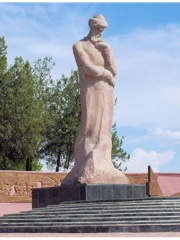
Ulugh Beg
ASTRONOMER
1394 - 1449
HPI: 79.20
Plaats: 1

Ibn Hajar al-‘Asqalani
HISTORIAN
1372 - 1449
HPI: 70.98
Plaats: 2
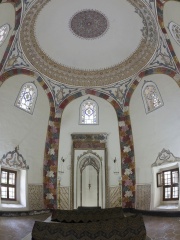
Hüma Hatun
POLITICIAN
1400 - 1449
HPI: 68.17
Plaats: 3
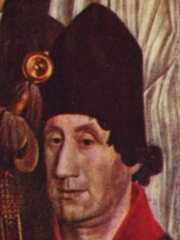
Peter, Duke of Coimbra
POLITICIAN
1392 - 1449
HPI: 65.84
Plaats: 4
Emine Hatun
POLITICIAN
1398 - 1449
HPI: 65.30
Plaats: 5
Louis IV, Elector Palatine
POLITICIAN
1424 - 1449
HPI: 63.14
Plaats: 6
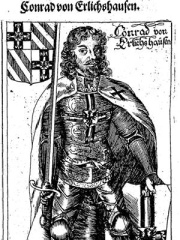
Konrad von Erlichshausen
POLITICIAN
1390 - 1449
HPI: 59.01
Plaats: 7
In Turkije
Onder de mensen geboren in Turkije staat Emine Hatun op plaats 548 van 1,732. Vóór haar staan Ilona Zrínyi (1643), Anna of Savoy (1306), Crantor (-400), Manuel I of Trebizond (1218), Köprülüzade Fazıl Mustafa Pasha (1637), en Asclepiades of Bithynia (-120). Na haar komen Despina Khatun (1438), Heraclius the Elder (600), Halit Ergenç (1970), Princess Fahrelnissa Zeid (1901), Muzafer Sherif (1906), en Bardaisan (154).
Anderen geboren in Turkije
Naar alle ranglijsten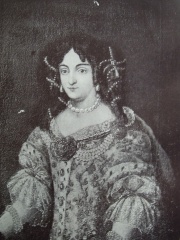
Ilona Zrínyi
POLITICIAN
1643 - 1703
HPI: 65.38
Plaats: 542
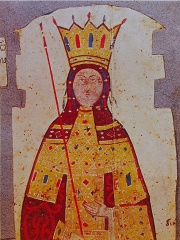
Anna of Savoy
POLITICIAN
1306 - 1365
HPI: 65.36
Plaats: 543

Crantor
PHILOSOPHER
400 BC - 276 BC
HPI: 65.35
Plaats: 544
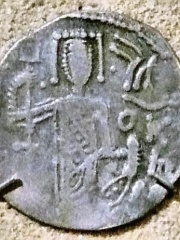
Manuel I of Trebizond
POLITICIAN
1218 - 1263
HPI: 65.32
Plaats: 545
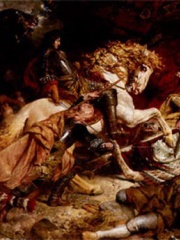
Köprülüzade Fazıl Mustafa Pasha
POLITICIAN
1637 - 1691
HPI: 65.31
Plaats: 546
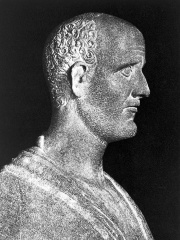
Asclepiades of Bithynia
PHYSICIAN
120 BC - 40 BC
HPI: 65.31
Plaats: 547
Emine Hatun
POLITICIAN
1398 - 1449
HPI: 65.30
Plaats: 548
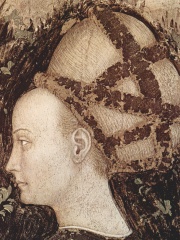
Despina Khatun
COMPANION
1438 - heden
HPI: 65.24
Plaats: 549
Heraclius the Elder
MILITARY PERSONNEL
600 - 610
HPI: 65.22
Plaats: 550

Halit Ergenç
ACTOR
1970 - heden
HPI: 65.12
Plaats: 551
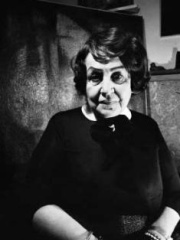
Princess Fahrelnissa Zeid
PAINTER
1901 - 1991
HPI: 65.11
Plaats: 552

Muzafer Sherif
PSYCHOLOGIST
1906 - 1988
HPI: 65.10
Plaats: 553

Bardaisan
PHILOSOPHER
154 - 222
HPI: 65.10
Plaats: 554
Onder Politicus in Turkije
Onder Politicus geboren in Turkije staat Emine Hatun op plaats 284. Vóór haar staan Maria of Trebizond (1405), Nubar Pasha (1825), Ilona Zrínyi (1643), Anna of Savoy (1306), Manuel I of Trebizond (1218), en Köprülüzade Fazıl Mustafa Pasha (1637). Na haar komen Publius Servilius Vatia Isauricus (-120), Pharnaces I of Pontus (-300), Leo II, King of Armenia (1236), Martina (598), Gülbahar Hatun (1429), en Fevzi Çakmak (1876).
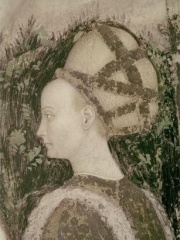
Maria of Trebizond
1405 - 1439
HPI: 65.49
Plaats: 278
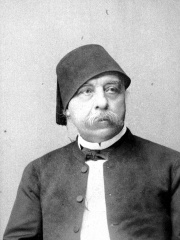
Nubar Pasha
1825 - 1899
HPI: 65.49
Plaats: 279
Ilona Zrínyi
1643 - 1703
HPI: 65.38
Plaats: 280
Anna of Savoy
1306 - 1365
HPI: 65.36
Plaats: 281
Manuel I of Trebizond
1218 - 1263
HPI: 65.32
Plaats: 282
Köprülüzade Fazıl Mustafa Pasha
1637 - 1691
HPI: 65.31
Plaats: 283
Emine Hatun
1398 - 1449
HPI: 65.30
Plaats: 284

Publius Servilius Vatia Isauricus
120 BC - 44 BC
HPI: 65.09
Plaats: 285
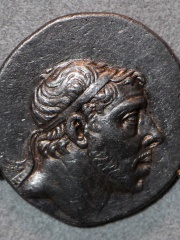
Pharnaces I of Pontus
300 BC - 159 BC
HPI: 65.05
Plaats: 286
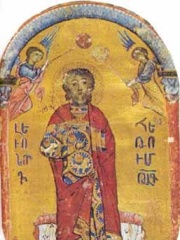
Leo II, King of Armenia
1236 - 1289
HPI: 65.02
Plaats: 287
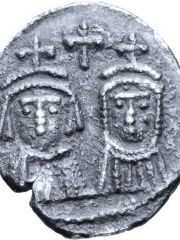
Martina
598 - 641
HPI: 64.97
Plaats: 288
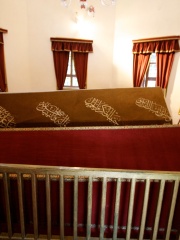
Gülbahar Hatun
1429 - 1492
HPI: 64.97
Plaats: 289

Fevzi Çakmak
1876 - 1950
HPI: 64.92
Plaats: 290




