哲学家
弗里德里希·尼采
1844 - 1900
ZH.WIKIPEDIA 页面浏览量 (PV)
 弗里德里希·尼采
知名度指标
4.4M
页面浏览量
过去12个月
90.17
HPI
历史知名度指数
数据洞察
弗里德里希·尼采的各语言页面浏览量
在哲学家中
在哲学家中,弗里德里希·尼采排名第16位(共1,285人)。 排在他之前的有:Laozi, Jean-Jacques Rousseau, Baruch Spinoza, Niccolò Machiavelli, Augustine of Hippo, 和Francis Bacon. 排在他之后的有:Thales of Miletus, Heraclitus, Thomas Aquinas, Diogenes, Erasmus, 和Georg Wilhelm Friedrich Hegel.
维基百科上最受欢迎的哲学家
查看全部排名

Laozi
604 BC - 600 BC
HPI: 91.85
排名: 10
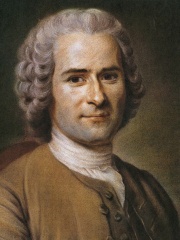
Jean-Jacques Rousseau
1712 - 1778
HPI: 91.27
排名: 11
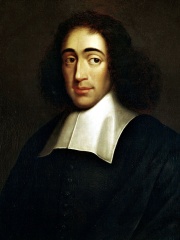
Baruch Spinoza
1632 - 1677
HPI: 90.63
排名: 12
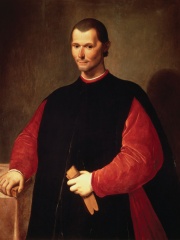
Niccolò Machiavelli
1469 - 1527
HPI: 90.45
排名: 13
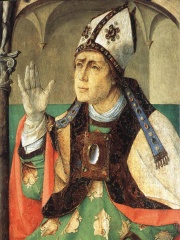
Augustine of Hippo
354 - 430
HPI: 90.39
排名: 14
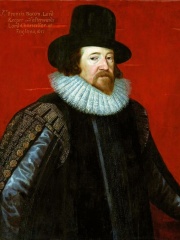
Francis Bacon
1561 - 1626
HPI: 90.32
排名: 15
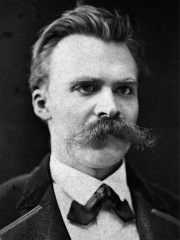
Friedrich Nietzsche
1844 - 1900
HPI: 90.17
排名: 16
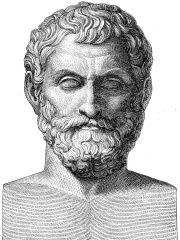
Thales of Miletus
623 BC - 546 BC
HPI: 89.06
排名: 17

Heraclitus
535 BC - 470 BC
HPI: 89.05
排名: 18
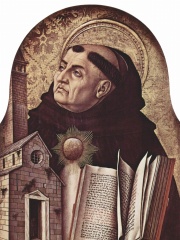
Thomas Aquinas
1225 - 1274
HPI: 88.70
排名: 19

Diogenes
404 BC - 322 BC
HPI: 88.38
排名: 20
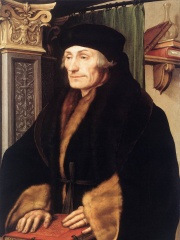
Erasmus
1466 - 1536
HPI: 88.33
排名: 21
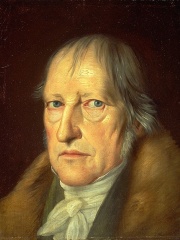
Georg Wilhelm Friedrich Hegel
1770 - 1831
HPI: 88.27
排名: 22

同时代人物
在1844年出生的人中,弗里德里希·尼采排名第1位。 排在他之后的有:Karl Benz, Sarah Bernhardt, Anatole France, Nikolai Rimsky-Korsakov, Paul Verlaine, Bernadette Soubirous, Mehmed V, Ilya Repin, Henri Rousseau, Ludwig Boltzmann, 和Menelik II. 在1900年去世的人中,弗里德里希·尼采排名第1位。 排在他之后的有:Oscar Wilde, Gottlieb Daimler, Wilhelm Steinitz, Max Müller, Umberto I of Italy, Ivan Aivazovsky, John Ruskin, Vladimir Solovyov, Étienne Lenoir, Alfred, Duke of Saxe-Coburg and Gotha, 和John Sherman.
其他1844年出生的人
查看全部排名Friedrich Nietzsche
PHILOSOPHER
1844 - 1900
HPI: 90.17
排名: 1
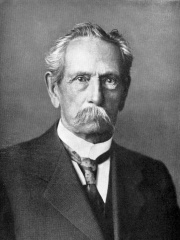
Karl Benz
INVENTOR
1844 - 1929
HPI: 88.12
排名: 2
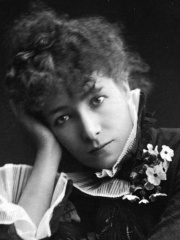
Sarah Bernhardt
ACTOR
1844 - 1923
HPI: 81.34
排名: 3
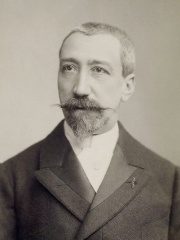
Anatole France
WRITER
1844 - 1924
HPI: 81.25
排名: 4
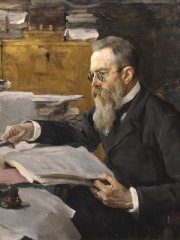
Nikolai Rimsky-Korsakov
COMPOSER
1844 - 1908
HPI: 80.32
排名: 5
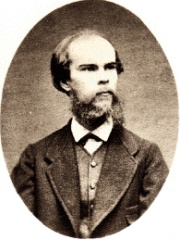
Paul Verlaine
WRITER
1844 - 1896
HPI: 80.12
排名: 6
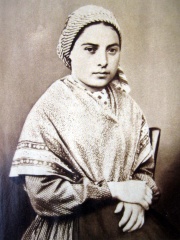
Bernadette Soubirous
RELIGIOUS FIGURE
1844 - 1879
HPI: 79.51
排名: 7
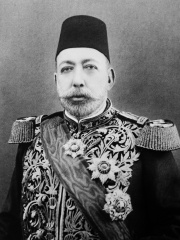
Mehmed V
POLITICIAN
1844 - 1918
HPI: 79.26
排名: 8

Ilya Repin
PAINTER
1844 - 1930
HPI: 78.69
排名: 9
Henri Rousseau
PAINTER
1844 - 1910
HPI: 78.41
排名: 10
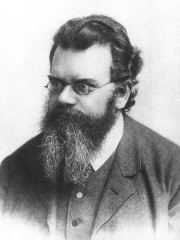
Ludwig Boltzmann
PHYSICIST
1844 - 1906
HPI: 77.57
排名: 11
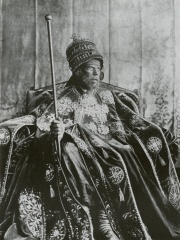
Menelik II
POLITICIAN
1844 - 1913
HPI: 77.49
排名: 12
其他1900年去世的人
查看全部排名Friedrich Nietzsche
PHILOSOPHER
1844 - 1900
HPI: 90.17
排名: 1
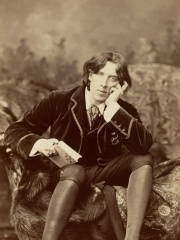
Oscar Wilde
WRITER
1854 - 1900
HPI: 83.95
排名: 2
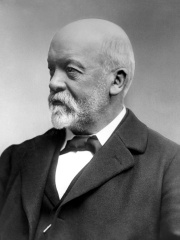
Gottlieb Daimler
ENGINEER
1834 - 1900
HPI: 79.99
排名: 3
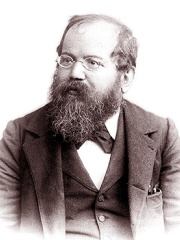
Wilhelm Steinitz
CHESS PLAYER
1836 - 1900
HPI: 79.31
排名: 4
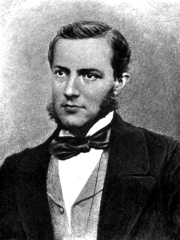
Max Müller
LINGUIST
1823 - 1900
HPI: 79.01
排名: 5
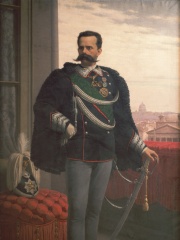
Umberto I of Italy
POLITICIAN
1844 - 1900
HPI: 77.44
排名: 6
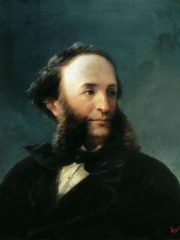
Ivan Aivazovsky
PAINTER
1817 - 1900
HPI: 75.82
排名: 7
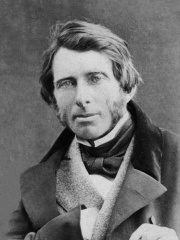
John Ruskin
CRITIC
1819 - 1900
HPI: 72.96
排名: 8
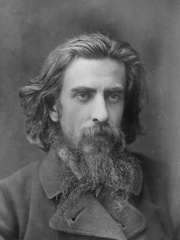
Vladimir Solovyov
PHILOSOPHER
1853 - 1900
HPI: 71.62
排名: 9
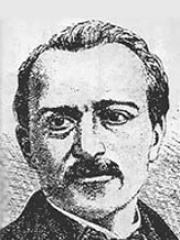
Étienne Lenoir
INVENTOR
1822 - 1900
HPI: 71.18
排名: 10
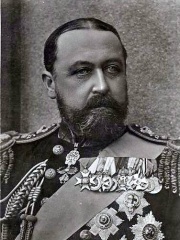
Alfred, Duke of Saxe-Coburg and Gotha
POLITICIAN
1844 - 1900
HPI: 70.64
排名: 11
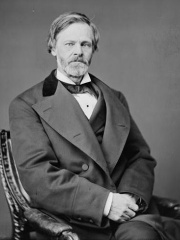
John Sherman
POLITICIAN
1823 - 1900
HPI: 69.94
排名: 12
在德国
在出生于德国的人中,弗里德里希·尼采排名第11位(共8,184人)。 排在他之前的有:Martin Luther (1483), Karl Marx (1818), Gottfried Wilhelm Leibniz (1646), Carl Friedrich Gauss (1777), Johann Wolfgang von Goethe (1749), 和Johannes Gutenberg (1394). 排在他之后的有:Charlemagne (748), Empress Elisabeth of Austria (1837), Albrecht Dürer (1471), Johannes Kepler (1571), George Frideric Handel (1685), 和Joseph Goebbels (1897).
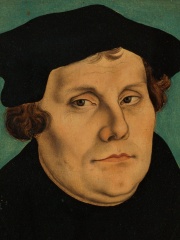
Martin Luther
RELIGIOUS FIGURE
1483 - 1546
HPI: 92.77
排名: 5
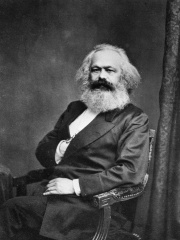
Karl Marx
ECONOMIST
1818 - 1883
HPI: 92.24
排名: 6
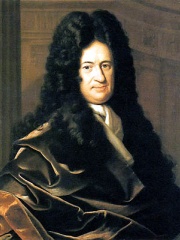
Gottfried Wilhelm Leibniz
MATHEMATICIAN
1646 - 1716
HPI: 92.00
排名: 7
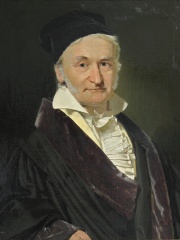
Carl Friedrich Gauss
MATHEMATICIAN
1777 - 1855
HPI: 91.44
排名: 8
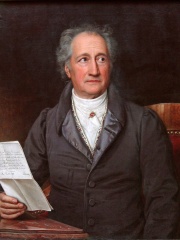
Johann Wolfgang von Goethe
WRITER
1749 - 1832
HPI: 90.96
排名: 9
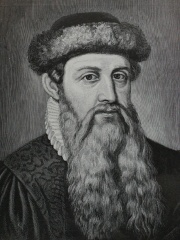
Johannes Gutenberg
INVENTOR
1394 - 1468
HPI: 90.58
排名: 10
Friedrich Nietzsche
PHILOSOPHER
1844 - 1900
HPI: 90.17
排名: 11
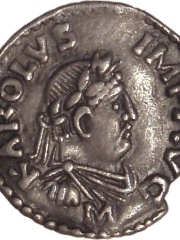
Charlemagne
POLITICIAN
748 - 814
HPI: 89.85
排名: 12
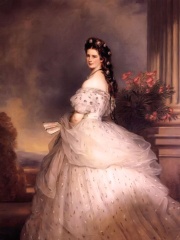
Empress Elisabeth of Austria
COMPANION
1837 - 1898
HPI: 89.61
排名: 13
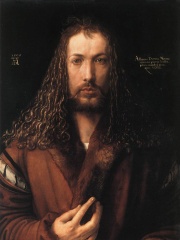
Albrecht Dürer
PAINTER
1471 - 1528
HPI: 89.52
排名: 14
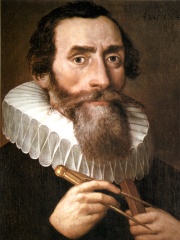
Johannes Kepler
ASTRONOMER
1571 - 1630
HPI: 89.24
排名: 15
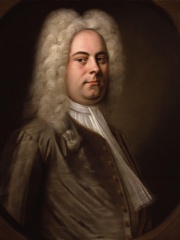
George Frideric Handel
COMPOSER
1685 - 1759
HPI: 88.95
排名: 16
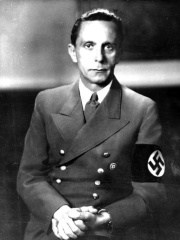
Joseph Goebbels
POLITICIAN
1897 - 1945
HPI: 88.81
排名: 17
在德国的哲学家中
在出生于德国的哲学家中,弗里德里希·尼采排名第1位。 排在他之后的有:Georg Wilhelm Friedrich Hegel (1770), Friedrich Engels (1820), Martin Heidegger (1889), Hannah Arendt (1906), Johann Gottlieb Fichte (1762), Nicholas of Cusa (1401), Friedrich Wilhelm Joseph Schelling (1775), Karl Jaspers (1883), Ludwig Feuerbach (1804), Rudolf Christoph Eucken (1846), 和Jürgen Habermas (1929).
Friedrich Nietzsche
1844 - 1900
HPI: 90.17
排名: 1
Georg Wilhelm Friedrich Hegel
1770 - 1831
HPI: 88.27
排名: 2
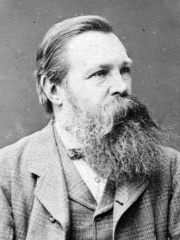
Friedrich Engels
1820 - 1895
HPI: 85.72
排名: 3
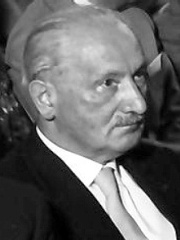
Martin Heidegger
1889 - 1976
HPI: 84.92
排名: 4

Hannah Arendt
1906 - 1975
HPI: 82.29
排名: 5
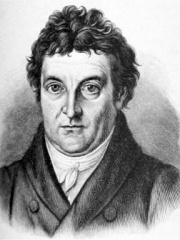
Johann Gottlieb Fichte
1762 - 1814
HPI: 81.40
排名: 6

Nicholas of Cusa
1401 - 1464
HPI: 80.39
排名: 7
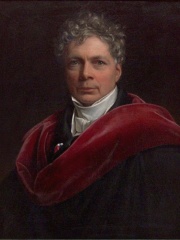
Friedrich Wilhelm Joseph Schelling
1775 - 1854
HPI: 80.32
排名: 8
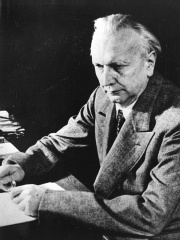
Karl Jaspers
1883 - 1969
HPI: 80.28
排名: 9
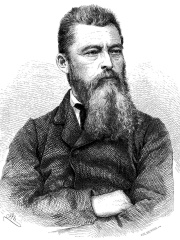
Ludwig Feuerbach
1804 - 1872
HPI: 80.22
排名: 10
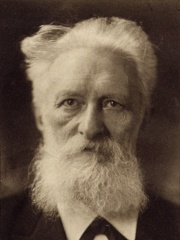
Rudolf Christoph Eucken
1846 - 1926
HPI: 79.85
排名: 11
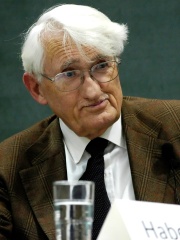
Jürgen Habermas
1929 - 2026
HPI: 79.46
排名: 12




