Filósofo
Jean-Luc Marion
1946 - presente
VISUALIZAÇÕES EM PT.WIKIPEDIA (PV)
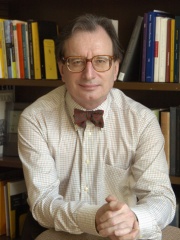
 Jean-Luc Marion
Sua biografia está disponível em 24 idiomas na Wikipédia (aumento em relação a 23 em 2024). Jean-Luc Marion é o 798º filósofo mais popular (caiu do 776º em 2024), a 2684ª biografia mais popular da França (caiu do 2629ª em 2019) e o 98º filósofo mais popular da França.
Métricas de memorabilidade
65k
Visualizações
Últimos 12 meses
61.96
HPI
Índice de Popularidade Histórica
Destaques dos dados
24
A biografia de Jean-Luc Marion abrange 24 edições de idiomas da Wikipédia e alcança um Índice de Popularidade Histórica de 61.96.
Visualizações da página de Jean-Luc Marion por idioma
Entre Filósofo
Entre Filósofo, Jean-Luc Marion ocupa a posição 798 de 1,285. Antes dele vêm Motoori Norinaga, Gilbert Simondon, Mykhailo Drahomanov, Philippa Foot, Henry of Ghent, e Nikolai Amosov. Depois dele vêm Yun Hyu, Melchor Cano, Lie Yukou, Narayana Guru, Muhammad Husayn Tabatabai, e Axiothea of Phlius.
Filósofo mais populares na Wikipédia
Ver todas as classificações

Motoori Norinaga
1730 - 1801
HPI: 62.03
Posição: 792
Gilbert Simondon
1924 - 1989
HPI: 62.03
Posição: 793
Mykhailo Drahomanov
1841 - 1895
HPI: 62.01
Posição: 794
Philippa Foot
1920 - 2010
HPI: 61.97
Posição: 795

Henry of Ghent
1217 - 1293
HPI: 61.97
Posição: 796
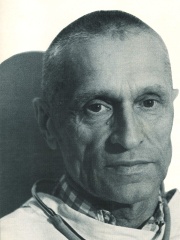
Nikolai Amosov
1913 - 2002
HPI: 61.96
Posição: 797
Jean-Luc Marion
1946 - presente
HPI: 61.96
Posição: 798
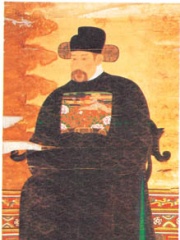
Yun Hyu
1617 - 1680
HPI: 61.95
Posição: 799
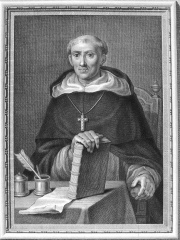
Melchor Cano
1509 - 1560
HPI: 61.94
Posição: 800
Lie Yukou
449 a.C. - 500 a.C.
HPI: 61.94
Posição: 801
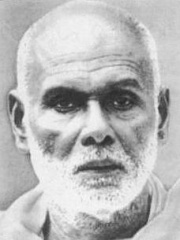
Narayana Guru
1855 - 1928
HPI: 61.88
Posição: 802
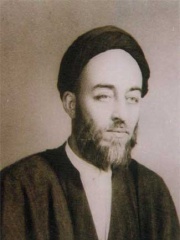
Muhammad Husayn Tabatabai
1892 - 1981
HPI: 61.88
Posição: 803

Axiothea of Phlius
400 a.C. - 400 a.C.
HPI: 61.88
Posição: 804

Contemporâneos
Entre as pessoas nascidas em 1946, Jean-Luc Marion ocupa a posição 253. Antes dele vêm Lars-Emil Johansen, Mireya Moscoso, Ismail Khan, Peggy Lipton, Renaud Camus, e Joanna Lumley. Depois dele vêm Cheech Marin, Ron Kovic, Christophe Pierre, René Jacobs, Duane Allman, e Piet Schrijvers.
Outras pessoas nascidas em 1946
Ver todas as classificações
Lars-Emil Johansen
POLITICIAN
1946 - presente
HPI: 62.16
Posição: 247

Mireya Moscoso
POLITICIAN
1946 - presente
HPI: 62.10
Posição: 248
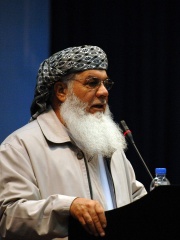
Ismail Khan
POLITICIAN
1946 - presente
HPI: 62.08
Posição: 249
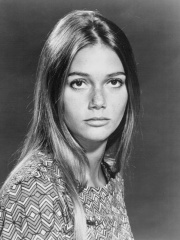
Peggy Lipton
ACTOR
1946 - 2019
HPI: 62.07
Posição: 250
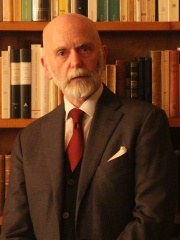
Renaud Camus
WRITER
1946 - presente
HPI: 62.00
Posição: 251
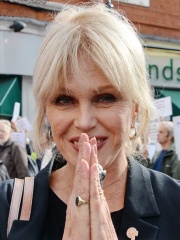
Joanna Lumley
ACTOR
1946 - presente
HPI: 62.00
Posição: 252
Jean-Luc Marion
PHILOSOPHER
1946 - presente
HPI: 61.96
Posição: 253
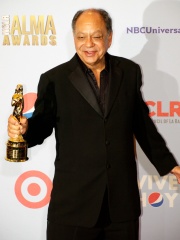
Cheech Marin
ACTOR
1946 - presente
HPI: 61.93
Posição: 254

Ron Kovic
WRITER
1946 - presente
HPI: 61.89
Posição: 255
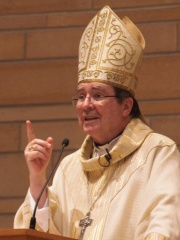
Christophe Pierre
RELIGIOUS FIGURE
1946 - presente
HPI: 61.89
Posição: 256
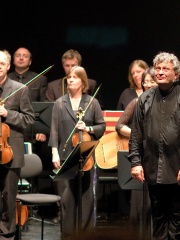
René Jacobs
SINGER
1946 - presente
HPI: 61.88
Posição: 257

Duane Allman
MUSICIAN
1946 - 1971
HPI: 61.83
Posição: 258

Piet Schrijvers
SOCCER PLAYER
1946 - 2022
HPI: 61.82
Posição: 259
Em França
Entre as pessoas nascidas em França, Jean-Luc Marion ocupa a posição 2,684 de 7,658. Antes dele vêm Paschasius Radbertus (792), Jacques Roubaud (1932), Pierre Joseph Bonnaterre (1752), Odo I, Count of Blois (950), Jacques Brugnon (1895), e Eugène Marin Labiche (1815). Depois dele vêm Judoc (600), Claude Gillot (1673), Alexandre Deschapelles (1780), Bonne of Artois (1396), Pierre Alexis Ponson du Terrail (1829), e Émile Littré (1801).
Outras pessoas nascidas em França
Ver todas as classificações
Paschasius Radbertus
WRITER
792 - 865
HPI: 61.98
Posição: 2,678
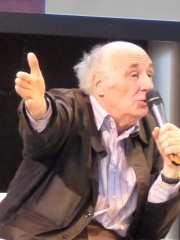
Jacques Roubaud
WRITER
1932 - 2024
HPI: 61.97
Posição: 2,679

Pierre Joseph Bonnaterre
BIOLOGIST
1752 - 1804
HPI: 61.97
Posição: 2,680
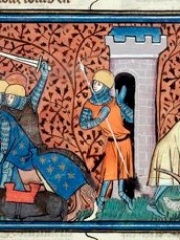
Odo I, Count of Blois
NOBLEMAN
950 - 996
HPI: 61.97
Posição: 2,681
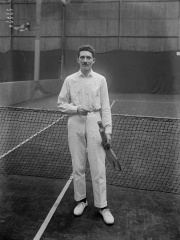
Jacques Brugnon
TENNIS PLAYER
1895 - 1978
HPI: 61.97
Posição: 2,682
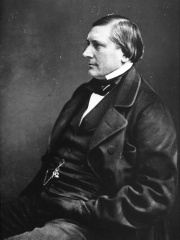
Eugène Marin Labiche
WRITER
1815 - 1888
HPI: 61.96
Posição: 2,683
Jean-Luc Marion
PHILOSOPHER
1946 - presente
HPI: 61.96
Posição: 2,684
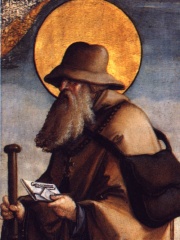
Judoc
RELIGIOUS FIGURE
600 - 668
HPI: 61.96
Posição: 2,685
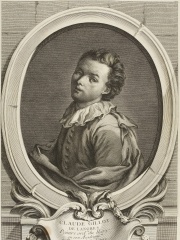
Claude Gillot
PAINTER
1673 - 1722
HPI: 61.95
Posição: 2,686
Alexandre Deschapelles
POLITICIAN
1780 - 1847
HPI: 61.95
Posição: 2,687
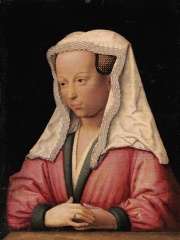
Bonne of Artois
POLITICIAN
1396 - 1425
HPI: 61.95
Posição: 2,688
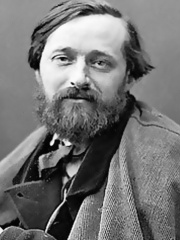
Pierre Alexis Ponson du Terrail
WRITER
1829 - 1871
HPI: 61.95
Posição: 2,689
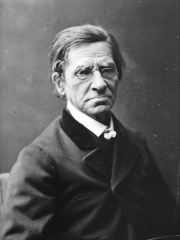
Émile Littré
LINGUIST
1801 - 1881
HPI: 61.94
Posição: 2,690
Entre Filósofo em França
Entre Filósofo nascidos em França, Jean-Luc Marion ocupa a posição 98. Antes dele vêm Sarah Kofman (1934), Émile Boutroux (1845), Julien Benda (1867), Jean-Pierre Faye (1925), Jean Wahl (1888), e Gilbert Simondon (1924). Depois dele vêm Vladimir Jankélévitch (1903), Gilbert de la Porrée (1070), Michael Baius (1513), Favorinus (85), Léon Brunschvicg (1869), e Peter John Olivi (1248).
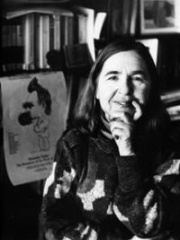
Sarah Kofman
1934 - 1994
HPI: 62.94
Posição: 92
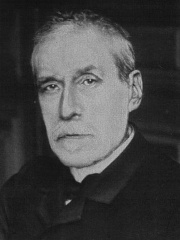
Émile Boutroux
1845 - 1921
HPI: 62.91
Posição: 93

Julien Benda
1867 - 1956
HPI: 62.85
Posição: 94

Jean-Pierre Faye
1925 - 2026
HPI: 62.59
Posição: 95

Jean Wahl
1888 - 1974
HPI: 62.47
Posição: 96
Gilbert Simondon
1924 - 1989
HPI: 62.03
Posição: 97
Jean-Luc Marion
1946 - presente
HPI: 61.96
Posição: 98
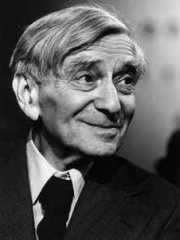
Vladimir Jankélévitch
1903 - 1985
HPI: 61.70
Posição: 99
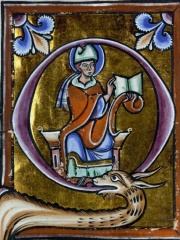
Gilbert de la Porrée
1070 - 1154
HPI: 61.64
Posição: 100
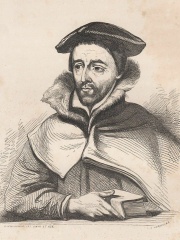
Michael Baius
1513 - 1589
HPI: 61.32
Posição: 101

Favorinus
85 - 200
HPI: 61.27
Posição: 102

Léon Brunschvicg
1869 - 1944
HPI: 61.26
Posição: 103

Peter John Olivi
1248 - 1298
HPI: 61.07
Posição: 104




