Religious Figure
Christophe Pierre
French Cardinal and Archbishop
1946 - today
EN.WIKIPEDIA PAGE VIEWS (PV)
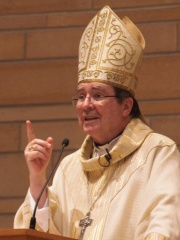
 Christophe Pierre
His biography is available in 20 different languages on Wikipedia (up from 15 in 2024). Christophe Pierre is the 1,783rd most popular religious figure (up from 2,231st in 2024), the 2,703rd most popular biography from France (up from 3,725th in 2019) and the 141st most popular French Religious Figure.
Memorability Metrics
74k
Page Views
Past 12 months
61.89
HPI
Historical Popularity Index
Page views of Christophe Pierre by language
Among Religious Figures
Among religious figures, Christophe Pierre ranks 1,783 out of 3,187. Before him are André Bessette, Antonio María Rouco Varela, Joseph Cafasso, Gregory II of Constantinople, Michael IV of Constantinople, and Bernardino López de Carvajal. After him are Inayat Khan, Poppo von Osterna, Oswald of Northumbria, Ambrose Traversari, Joseph Cardijn, and Lupus of Troyes.
Most Popular Religious Figures in Wikipedia
Go to all Rankings
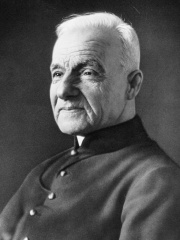
André Bessette
1845 - 1937
HPI: 61.90
Rank: 1,777
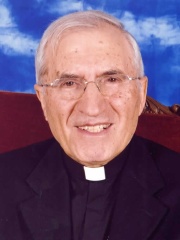
Antonio María Rouco Varela
1936 - Present
HPI: 61.90
Rank: 1,778
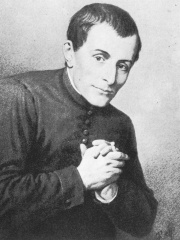
Joseph Cafasso
1811 - 1860
HPI: 61.90
Rank: 1,779

Gregory II of Constantinople
1241 - 1290
HPI: 61.90
Rank: 1,780

Michael IV of Constantinople
1101 - 1214
HPI: 61.89
Rank: 1,781
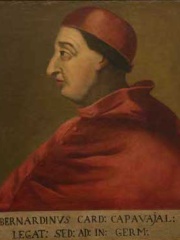
Bernardino López de Carvajal
1456 - 1523
HPI: 61.89
Rank: 1,782
Christophe Pierre
1946 - Present
HPI: 61.89
Rank: 1,783
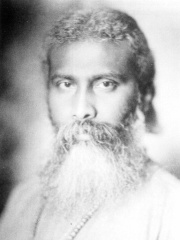
Inayat Khan
1882 - 1927
HPI: 61.88
Rank: 1,784
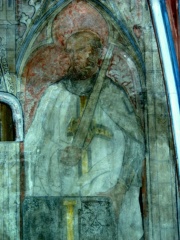
Poppo von Osterna
1200 - 1267
HPI: 61.86
Rank: 1,785
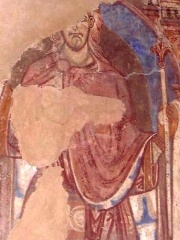
Oswald of Northumbria
604 - 642
HPI: 61.85
Rank: 1,786
Ambrose Traversari
1386 - 1439
HPI: 61.84
Rank: 1,787
Joseph Cardijn
1882 - 1967
HPI: 61.84
Rank: 1,788
Lupus of Troyes
395 - 479
HPI: 61.84
Rank: 1,789

Contemporaries
Among people born in 1946, Christophe Pierre ranks 256. Before him are Peggy Lipton, Renaud Camus, Joanna Lumley, Jean-Luc Marion, Cheech Marin, and Ron Kovic. After him are René Jacobs, Duane Allman, Piet Schrijvers, Henrique Rosa, John Watson, and William Thurston.
Others Born in 1946
Go to all Rankings
Peggy Lipton
ACTOR
1946 - 2019
HPI: 62.07
Rank: 250
Renaud Camus
WRITER
1946 - Present
HPI: 62.00
Rank: 251
Joanna Lumley
ACTOR
1946 - Present
HPI: 62.00
Rank: 252
Jean-Luc Marion
PHILOSOPHER
1946 - Present
HPI: 61.96
Rank: 253
Cheech Marin
ACTOR
1946 - Present
HPI: 61.93
Rank: 254

Ron Kovic
WRITER
1946 - Present
HPI: 61.89
Rank: 255
Christophe Pierre
RELIGIOUS FIGURE
1946 - Present
HPI: 61.89
Rank: 256
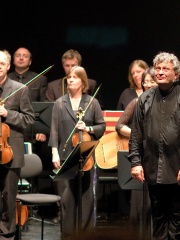
René Jacobs
SINGER
1946 - Present
HPI: 61.88
Rank: 257
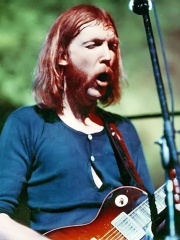
Duane Allman
MUSICIAN
1946 - 1971
HPI: 61.83
Rank: 258

Piet Schrijvers
SOCCER PLAYER
1946 - 2022
HPI: 61.82
Rank: 259
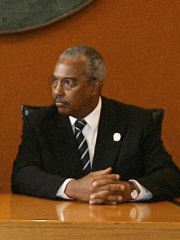
Henrique Rosa
POLITICIAN
1946 - 2013
HPI: 61.76
Rank: 260
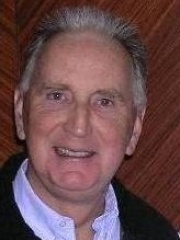
John Watson
RACING DRIVER
1946 - Present
HPI: 61.73
Rank: 261
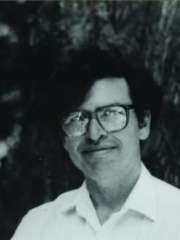
William Thurston
MATHEMATICIAN
1946 - 2012
HPI: 61.71
Rank: 262
In France
Among people born in France, Christophe Pierre ranks 2,703 out of NaN. Before him are Jean-Jacques Barthélemy (1716), Claude Zidi (1934), Felice Pasquale Baciocchi (1762), Armand de Bourbon, Prince of Conti (1629), Auguste Chevalier (1873), and Blanche of France, Duchess of Orléans (1328). After him are Emanuel Ungaro (1933), Henri Dupuy de Lôme (1816), Bruno Metsu (1954), Adolphe Nourrit (1802), Pierre Clastres (1934), and Laurent de La Hyre (1606).
Others born in France
Go to all Rankings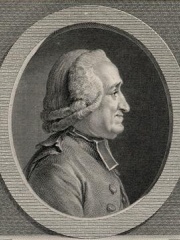
Jean-Jacques Barthélemy
WRITER
1716 - 1795
HPI: 61.91
Rank: 2,697

Claude Zidi
FILM DIRECTOR
1934 - Present
HPI: 61.91
Rank: 2,698
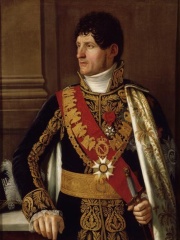
Felice Pasquale Baciocchi
MILITARY PERSONNEL
1762 - 1841
HPI: 61.90
Rank: 2,699
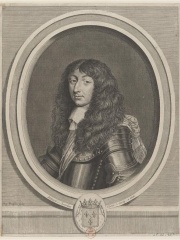
Armand de Bourbon, Prince of Conti
POLITICIAN
1629 - 1666
HPI: 61.90
Rank: 2,700
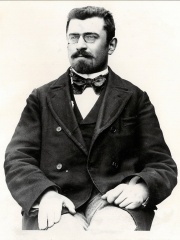
Auguste Chevalier
BIOLOGIST
1873 - 1956
HPI: 61.90
Rank: 2,701
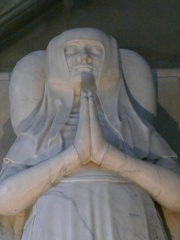
Blanche of France, Duchess of Orléans
POLITICIAN
1328 - 1382
HPI: 61.89
Rank: 2,702
Christophe Pierre
RELIGIOUS FIGURE
1946 - Present
HPI: 61.89
Rank: 2,703
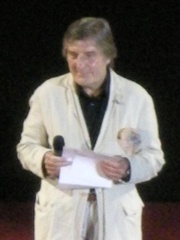
Emanuel Ungaro
FASHION DESIGNER
1933 - 2019
HPI: 61.88
Rank: 2,704
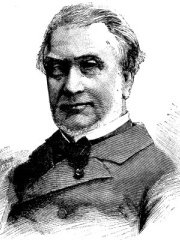
Henri Dupuy de Lôme
ARCHITECT
1816 - 1885
HPI: 61.88
Rank: 2,705
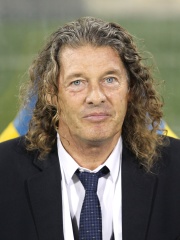
Bruno Metsu
SOCCER PLAYER
1954 - 2013
HPI: 61.88
Rank: 2,706
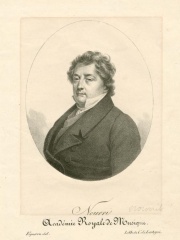
Adolphe Nourrit
SINGER
1802 - 1839
HPI: 61.87
Rank: 2,707

Pierre Clastres
ANTHROPOLOGIST
1934 - 1977
HPI: 61.87
Rank: 2,708
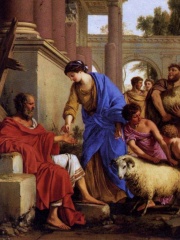
Laurent de La Hyre
PAINTER
1606 - 1656
HPI: 61.87
Rank: 2,709
Among Religious Figures In France
Among religious figures born in France, Christophe Pierre ranks 141. Before him are Jeanne de Lestonnac (1556), Charles Lavigerie (1825), Marie of the Incarnation (1566), Jacques de Vitry (1170), Judoc (600), and Charles de Bourbon (1523). After him are Lupus of Troyes (395), Eucherius of Lyon (380), Leodegar (616), Albert Vanhoye (1923), Louis Billot (1846), and Louis Antoine de Noailles (1651).
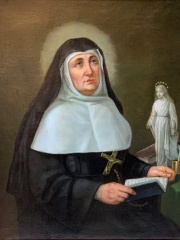
Jeanne de Lestonnac
1556 - 1640
HPI: 62.23
Rank: 135
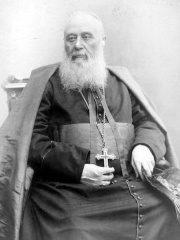
Charles Lavigerie
1825 - 1892
HPI: 62.23
Rank: 136
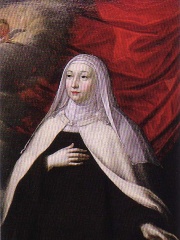
Marie of the Incarnation
1566 - 1618
HPI: 62.17
Rank: 137
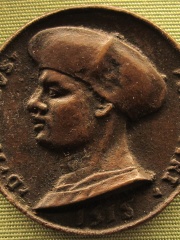
Jacques de Vitry
1170 - 1240
HPI: 62.03
Rank: 138
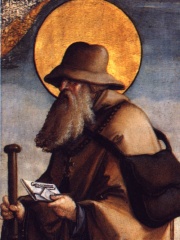
Judoc
600 - 668
HPI: 61.96
Rank: 139
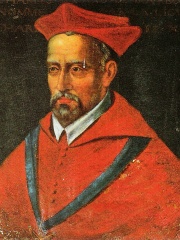
Charles de Bourbon
1523 - 1590
HPI: 61.92
Rank: 140
Christophe Pierre
1946 - Present
HPI: 61.89
Rank: 141
Lupus of Troyes
395 - 479
HPI: 61.84
Rank: 142
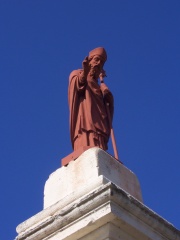
Eucherius of Lyon
380 - 449
HPI: 61.77
Rank: 143
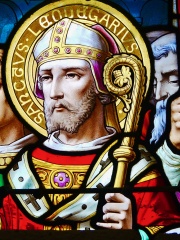
Leodegar
616 - 679
HPI: 61.75
Rank: 144
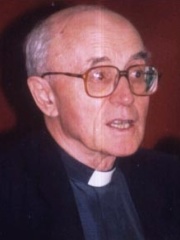
Albert Vanhoye
1923 - 2021
HPI: 61.68
Rank: 145
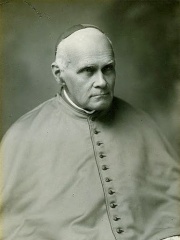
Louis Billot
1846 - 1931
HPI: 61.68
Rank: 146
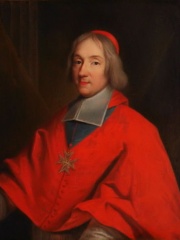
Louis Antoine de Noailles
1651 - 1729
HPI: 61.65
Rank: 147




