哲学家
Jean-Luc Marion
1946 - 至今
ZH.WIKIPEDIA PAGE VIEWS (PV)
 Jean-Luc Marion
Memorability Metrics
65k
Page Views
Past 12 months
61.96
HPI
Historical Popularity Index
Page views of Jean-Luc Marion by language
Among 哲学家
Among 哲学家, Jean-Luc Marion ranks 798 out of 1,267. Before him are Motoori Norinaga, Gilbert Simondon, Mykhailo Drahomanov, Philippa Foot, Henry of Ghent, and Nikolai Amosov. After him are Yun Hyu, Melchor Cano, Lie Yukou, Narayana Guru, Muhammad Husayn Tabatabai, and Axiothea of Phlius.
Most Popular 哲学家 in Wikipedia
Go to all Rankings
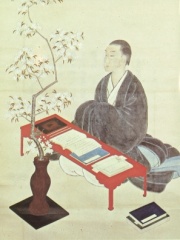
Motoori Norinaga
1730 - 1801
HPI: 62.03
Rank: 792
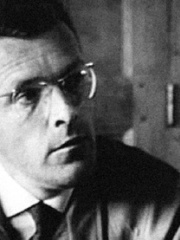
Gilbert Simondon
1924 - 1989
HPI: 62.03
Rank: 793
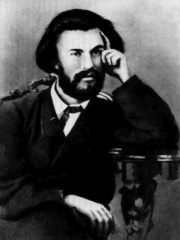
Mykhailo Drahomanov
1841 - 1895
HPI: 62.01
Rank: 794
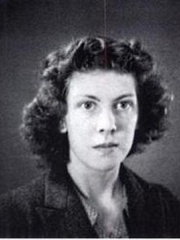
Philippa Foot
1920 - 2010
HPI: 61.97
Rank: 795

Henry of Ghent
1217 - 1293
HPI: 61.97
Rank: 796
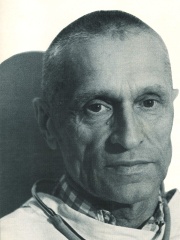
Nikolai Amosov
1913 - 2002
HPI: 61.96
Rank: 797
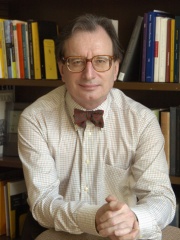
Jean-Luc Marion
1946 - Present
HPI: 61.96
Rank: 798
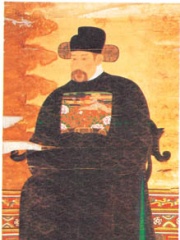
Yun Hyu
1617 - 1680
HPI: 61.95
Rank: 799
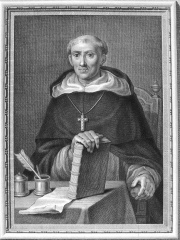
Melchor Cano
1509 - 1560
HPI: 61.94
Rank: 800
Lie Yukou
449 BC - 500 BC
HPI: 61.94
Rank: 801
Narayana Guru
1855 - 1928
HPI: 61.88
Rank: 802
Muhammad Husayn Tabatabai
1892 - 1981
HPI: 61.88
Rank: 803

Axiothea of Phlius
400 BC - 400 BC
HPI: 61.88
Rank: 804

Contemporaries
Among people born in 1946, Jean-Luc Marion ranks 253. Before him are Lars-Emil Johansen, Mireya Moscoso, Ismail Khan, Peggy Lipton, Renaud Camus, and Joanna Lumley. After him are Cheech Marin, Ron Kovic, Christophe Pierre, René Jacobs, Duane Allman, and Piet Schrijvers.
Others Born in 1946
Go to all Rankings
Lars-Emil Johansen
POLITICIAN
1946 - Present
HPI: 62.16
Rank: 247
Mireya Moscoso
POLITICIAN
1946 - Present
HPI: 62.10
Rank: 248
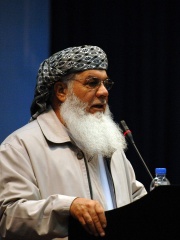
Ismail Khan
POLITICIAN
1946 - Present
HPI: 62.08
Rank: 249
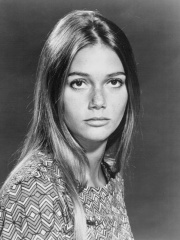
Peggy Lipton
ACTOR
1946 - 2019
HPI: 62.07
Rank: 250
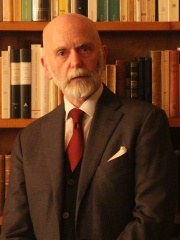
Renaud Camus
WRITER
1946 - Present
HPI: 62.00
Rank: 251
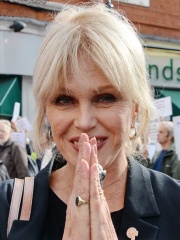
Joanna Lumley
ACTOR
1946 - Present
HPI: 62.00
Rank: 252
Jean-Luc Marion
PHILOSOPHER
1946 - Present
HPI: 61.96
Rank: 253
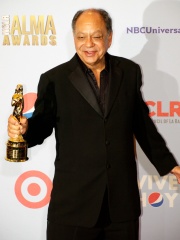
Cheech Marin
ACTOR
1946 - Present
HPI: 61.93
Rank: 254

Ron Kovic
WRITER
1946 - Present
HPI: 61.89
Rank: 255
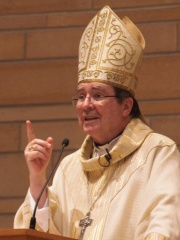
Christophe Pierre
RELIGIOUS FIGURE
1946 - Present
HPI: 61.89
Rank: 256
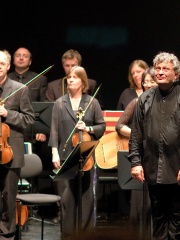
René Jacobs
SINGER
1946 - Present
HPI: 61.88
Rank: 257
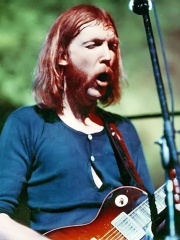
Duane Allman
MUSICIAN
1946 - 1971
HPI: 61.83
Rank: 258

Piet Schrijvers
SOCCER PLAYER
1946 - 2022
HPI: 61.82
Rank: 259
In 法国
Among people born in 法国, Jean-Luc Marion ranks 2,682 out of NaN. Before him are Paschasius Radbertus (792), Jacques Roubaud (1932), Pierre Joseph Bonnaterre (1752), Odo I, Count of Blois (950), Jacques Brugnon (1895), and Eugène Marin Labiche (1815). After him are Judoc (600), Claude Gillot (1673), Alexandre Deschapelles (1780), Bonne of Artois (1396), Pierre Alexis Ponson du Terrail (1829), and Émile Littré (1801).
Others born in 法国
Go to all Rankings
Paschasius Radbertus
WRITER
792 - 865
HPI: 61.98
Rank: 2,676
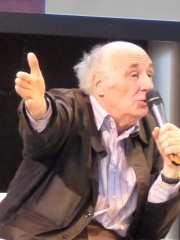
Jacques Roubaud
WRITER
1932 - 2024
HPI: 61.97
Rank: 2,677

Pierre Joseph Bonnaterre
BIOLOGIST
1752 - 1804
HPI: 61.97
Rank: 2,678
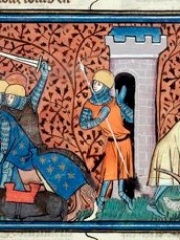
Odo I, Count of Blois
NOBLEMAN
950 - 996
HPI: 61.97
Rank: 2,679
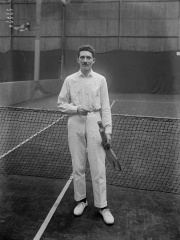
Jacques Brugnon
TENNIS PLAYER
1895 - 1978
HPI: 61.97
Rank: 2,680
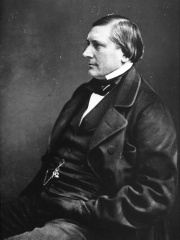
Eugène Marin Labiche
WRITER
1815 - 1888
HPI: 61.96
Rank: 2,681
Jean-Luc Marion
PHILOSOPHER
1946 - Present
HPI: 61.96
Rank: 2,682
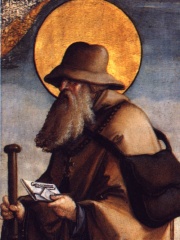
Judoc
RELIGIOUS FIGURE
600 - 668
HPI: 61.96
Rank: 2,683
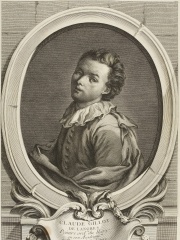
Claude Gillot
PAINTER
1673 - 1722
HPI: 61.95
Rank: 2,684
Alexandre Deschapelles
POLITICIAN
1780 - 1847
HPI: 61.95
Rank: 2,685
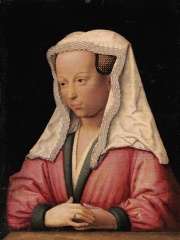
Bonne of Artois
POLITICIAN
1396 - 1425
HPI: 61.95
Rank: 2,686
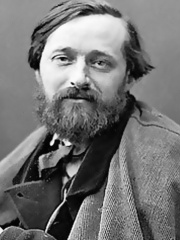
Pierre Alexis Ponson du Terrail
WRITER
1829 - 1871
HPI: 61.95
Rank: 2,687
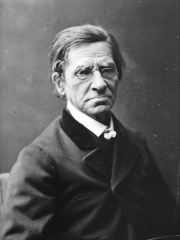
Émile Littré
LINGUIST
1801 - 1881
HPI: 61.94
Rank: 2,688
Among 哲学家 In 法国
Among 哲学家 born in 法国, Jean-Luc Marion ranks 98. Before him are Sarah Kofman (1934), Émile Boutroux (1845), Julien Benda (1867), Jean-Pierre Faye (1925), Jean Wahl (1888), and Gilbert Simondon (1924). After him are Vladimir Jankélévitch (1903), Gilbert de la Porrée (1070), Michael Baius (1513), Favorinus (85), Léon Brunschvicg (1869), and Peter John Olivi (1248).
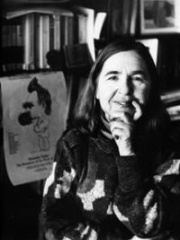
Sarah Kofman
1934 - 1994
HPI: 62.94
Rank: 92
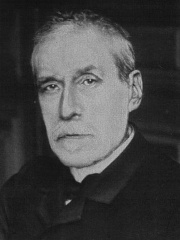
Émile Boutroux
1845 - 1921
HPI: 62.91
Rank: 93

Julien Benda
1867 - 1956
HPI: 62.85
Rank: 94
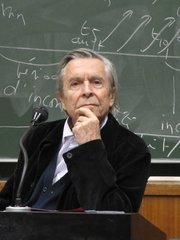
Jean-Pierre Faye
1925 - 2026
HPI: 62.59
Rank: 95
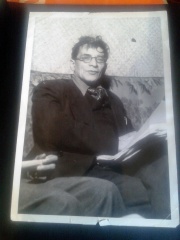
Jean Wahl
1888 - 1974
HPI: 62.47
Rank: 96
Gilbert Simondon
1924 - 1989
HPI: 62.03
Rank: 97
Jean-Luc Marion
1946 - Present
HPI: 61.96
Rank: 98
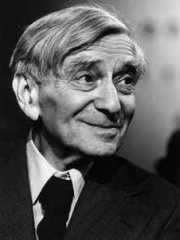
Vladimir Jankélévitch
1903 - 1985
HPI: 61.70
Rank: 99
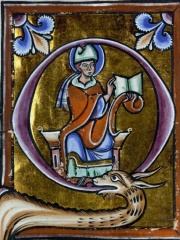
Gilbert de la Porrée
1070 - 1154
HPI: 61.64
Rank: 100
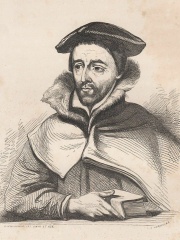
Michael Baius
1513 - 1589
HPI: 61.32
Rank: 101

Favorinus
85 - 200
HPI: 61.27
Rank: 102

Léon Brunschvicg
1869 - 1944
HPI: 61.26
Rank: 103

Peter John Olivi
1248 - 1298
HPI: 61.07
Rank: 104




