画家
Luca Cambiaso
1527 - 1585
 Luca Cambiaso
知名度指标
13k
页面浏览量
过去12个月
61.60
HPI
历史知名度指数
Luca Cambiaso的各语言页面浏览量
在画家中
在画家中,Luca Cambiaso排名第958位(共2,023人)。 排在他之前的有:Francesco Pesellino, Philip de László, Elin Danielson-Gambogi, Prospero Fontana, Richard Gerstl, 和Bruce Nauman. 排在他之后的有:Félix Ziem, Gilbert Stuart, Gaspard Dughet, Milena Pavlović-Barili, Hasegawa Tōhaku, 和Zhang Zeduan.
维基百科上最受欢迎的画家
查看全部排名

Francesco Pesellino
1422 - 1457
HPI: 61.64
排名: 952
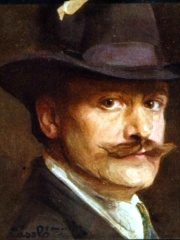
Philip de László
1869 - 1937
HPI: 61.63
排名: 953

Elin Danielson-Gambogi
1861 - 1919
HPI: 61.63
排名: 954

Prospero Fontana
1512 - 1597
HPI: 61.62
排名: 955

Richard Gerstl
1883 - 1908
HPI: 61.62
排名: 956
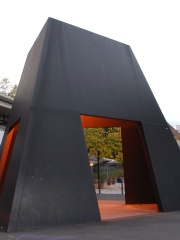
Bruce Nauman
1941 - 至今
HPI: 61.61
排名: 957
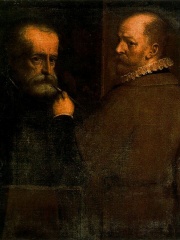
Luca Cambiaso
1527 - 1585
HPI: 61.60
排名: 958
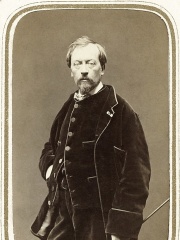
Félix Ziem
1821 - 1911
HPI: 61.60
排名: 959
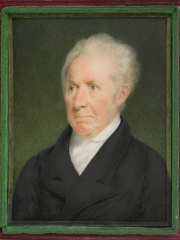
Gilbert Stuart
1755 - 1828
HPI: 61.59
排名: 960

Gaspard Dughet
1613 - 1675
HPI: 61.59
排名: 961
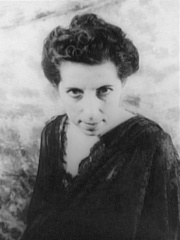
Milena Pavlović-Barili
1909 - 1945
HPI: 61.59
排名: 962

Hasegawa Tōhaku
1539 - 1610
HPI: 61.59
排名: 963

Zhang Zeduan
1085 - 1145
HPI: 61.59
排名: 964

同时代人物
在1527年出生的人中,Luca Cambiaso排名第15位。 排在他之前的有:Ulrich, Duke of Mecklenburg, Pellegrino Tibaldi, Luis de León, Li Zhi, Agnes of Hesse, 和Philippine Welser. 排在他之后的有:Anna Sophia of Prussia, Hamida Banu Begum, Saitō Yoshitatsu, Annibale Padovano, Łukasz Górnicki, 和Mikalojus Daukša. 在1585年去世的人中,Luca Cambiaso排名第10位。 排在他之前的有:Ismihan Sultan, Andrea Gabrieli, Thomas Tallis, Rembert Dodoens, Anne of Denmark, Electress of Saxony, 和Pontus De la Gardie. 排在他之后的有:Nicolò da Ponte.
其他1527年出生的人
查看全部排名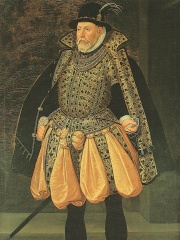
Ulrich, Duke of Mecklenburg
NOBLEMAN
1527 - 1603
HPI: 64.14
排名: 9
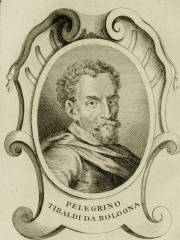
Pellegrino Tibaldi
PAINTER
1527 - 1596
HPI: 63.73
排名: 10
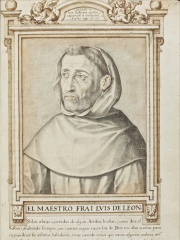
Luis de León
WRITER
1527 - 1591
HPI: 63.66
排名: 11
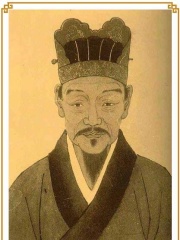
Li Zhi
PHILOSOPHER
1527 - 1602
HPI: 62.89
排名: 12
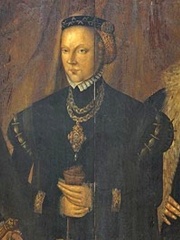
Agnes of Hesse
POLITICIAN
1527 - 1555
HPI: 62.40
排名: 13
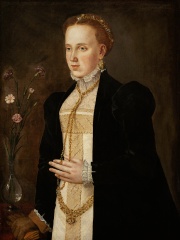
Philippine Welser
NOBLEMAN
1527 - 1580
HPI: 61.77
排名: 14
Luca Cambiaso
PAINTER
1527 - 1585
HPI: 61.60
排名: 15
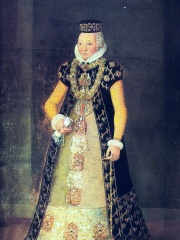
Anna Sophia of Prussia
NOBLEMAN
1527 - 1591
HPI: 60.49
排名: 16
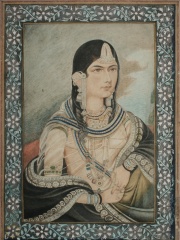
Hamida Banu Begum
COMPANION
1527 - 1604
HPI: 59.65
排名: 17
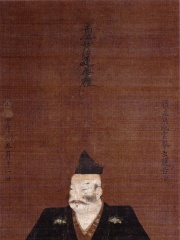
Saitō Yoshitatsu
MILITARY PERSONNEL
1527 - 1561
HPI: 59.13
排名: 18

Annibale Padovano
COMPOSER
1527 - 1575
HPI: 57.27
排名: 19
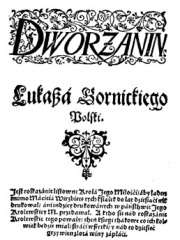
Łukasz Górnicki
WRITER
1527 - 1603
HPI: 56.97
排名: 20
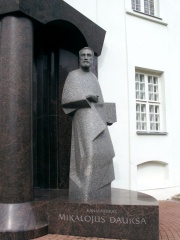
Mikalojus Daukša
WRITER
1527 - 1613
HPI: 55.68
排名: 21
其他1585年去世的人
查看全部排名
Ismihan Sultan
NOBLEMAN
1544 - 1585
HPI: 69.24
排名: 4
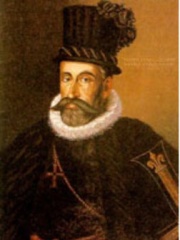
Andrea Gabrieli
COMPOSER
1533 - 1585
HPI: 69.16
排名: 5
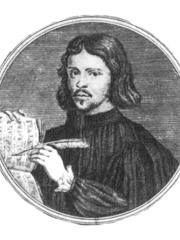
Thomas Tallis
COMPOSER
1502 - 1585
HPI: 67.16
排名: 6
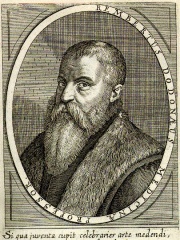
Rembert Dodoens
PHYSICIAN
1517 - 1585
HPI: 65.11
排名: 7
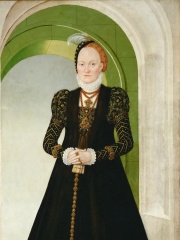
Anne of Denmark, Electress of Saxony
POLITICIAN
1532 - 1585
HPI: 63.97
排名: 8
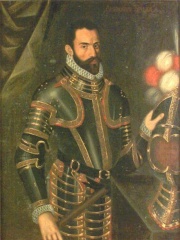
Pontus De la Gardie
NOBLEMAN
1520 - 1585
HPI: 63.66
排名: 9
Luca Cambiaso
PAINTER
1527 - 1585
HPI: 61.60
排名: 10
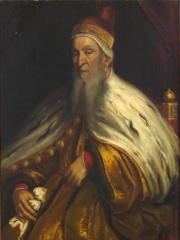
Nicolò da Ponte
POLITICIAN
1491 - 1585
HPI: 59.03
排名: 11
在意大利
在出生于意大利的人中,Luca Cambiaso排名第2,419位(共NaN人)。 排在他之前的有:Umberto Lenzi (1931), Prospero Fontana (1512), Luigi Ganna (1883), Geminianus (312), Lazare Ponticelli (1897), 和Anne Marie Martinozzi (1637). 排在他之后的有:Publius Decius Mus (-400), Giovanni Pascoli (1855), Andrea Falconieri (1580), Giovanni Battista Ramusio (1485), Gaspard Dughet (1613), 和Antonio Bazzini (1818).
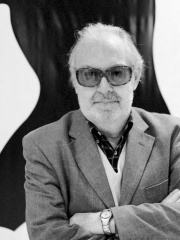
Umberto Lenzi
FILM DIRECTOR
1931 - 2017
HPI: 61.63
排名: 2,413
Prospero Fontana
PAINTER
1512 - 1597
HPI: 61.62
排名: 2,414
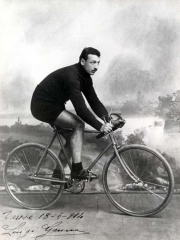
Luigi Ganna
CYCLIST
1883 - 1957
HPI: 61.62
排名: 2,415
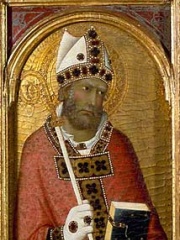
Geminianus
RELIGIOUS FIGURE
312 - 397
HPI: 61.62
排名: 2,416
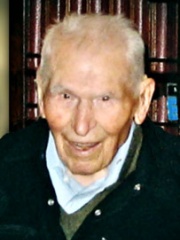
Lazare Ponticelli
BUSINESSPERSON
1897 - 2008
HPI: 61.61
排名: 2,417
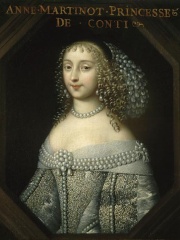
Anne Marie Martinozzi
NOBLEMAN
1637 - 1672
HPI: 61.61
排名: 2,418
Luca Cambiaso
PAINTER
1527 - 1585
HPI: 61.60
排名: 2,419
Publius Decius Mus
POLITICIAN
400 BC - 295 BC
HPI: 61.60
排名: 2,420
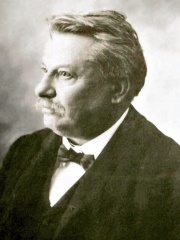
Giovanni Pascoli
WRITER
1855 - 1912
HPI: 61.60
排名: 2,421

Andrea Falconieri
COMPOSER
1580 - 1656
HPI: 61.59
排名: 2,422

Giovanni Battista Ramusio
GEOGRAPHER
1485 - 1557
HPI: 61.59
排名: 2,423
Gaspard Dughet
PAINTER
1613 - 1675
HPI: 61.59
排名: 2,424
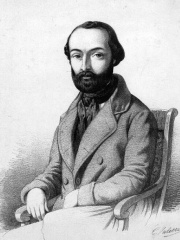
Antonio Bazzini
MUSICIAN
1818 - 1897
HPI: 61.59
排名: 2,425
在意大利的画家中
在出生于意大利的画家中,Luca Cambiaso排名第202位。 排在他之前的有:Constantin Hansen (1804), Il Pordenone (1484), Plautilla Nelli (1524), Giampietrino (1495), Francesco Pesellino (1422), 和Prospero Fontana (1512). 排在他之后的有:Gaspard Dughet (1613), Carlo Cignani (1628), Romaine Brooks (1874), Giovanni di Paolo (1403), Taddeo Zuccari (1529), 和Mario Merz (1925).
Constantin Hansen
1804 - 1880
HPI: 62.01
排名: 196
Il Pordenone
1484 - 1539
HPI: 61.84
排名: 197
Plautilla Nelli
1524 - 1588
HPI: 61.83
排名: 198
Giampietrino
1495 - 1549
HPI: 61.73
排名: 199
Francesco Pesellino
1422 - 1457
HPI: 61.64
排名: 200
Prospero Fontana
1512 - 1597
HPI: 61.62
排名: 201
Luca Cambiaso
1527 - 1585
HPI: 61.60
排名: 202
Gaspard Dughet
1613 - 1675
HPI: 61.59
排名: 203
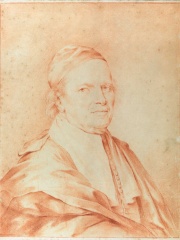
Carlo Cignani
1628 - 1719
HPI: 61.56
排名: 204
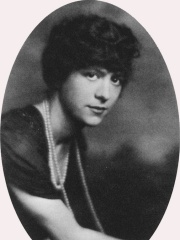
Romaine Brooks
1874 - 1970
HPI: 61.55
排名: 205

Giovanni di Paolo
1403 - 1482
HPI: 61.31
排名: 206
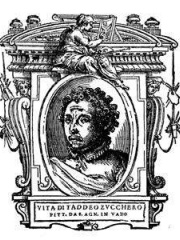
Taddeo Zuccari
1529 - 1566
HPI: 61.25
排名: 207
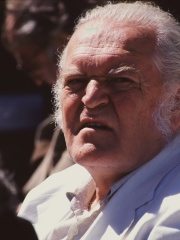
Mario Merz
1925 - 2003
HPI: 61.24
排名: 208




