Philosopher
Pelagius
4th-century theologian, namesake of Pelagianism
360 - 420
EN.WIKIPEDIA PAGE VIEWS (PV)
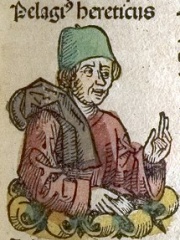
 Pelagius
His biography is available in 42 different languages on Wikipedia. Pelagius is the 246th most popular philosopher (up from 250th in 2024), the 472nd most popular biography from United Kingdom (down from 382nd in 2019) and the 15th most popular British Philosopher.
Pelagius was a monk who believed that humans could be saved without the help of God. He believed that humans had the power to save themselves and that humans were not inherently sinful.
Memorability Metrics
140k
Page Views
Past 12 months
72.38
HPI
Historical Popularity Index
Page views of Pelagius by language
Among Philosophers
Among philosophers, Pelagius ranks 246 out of 1,267. Before him are Franz Brentano, Al-Jahiz, Gabriel Marcel, Milarepa, Josef Breuer, and George Herbert Mead. After him are Pseudo-Dionysius the Areopagite, Shen Kuo, Imre Lakatos, Bias of Priene, Cleanthes, and Adam Weishaupt.
Most Popular Philosophers in Wikipedia
Go to all Rankings
Franz Brentano
1838 - 1917
HPI: 72.56
Rank: 240
Al-Jahiz
775 - 868
HPI: 72.52
Rank: 241
Gabriel Marcel
1889 - 1973
HPI: 72.52
Rank: 242

Milarepa
1052 - 1135
HPI: 72.51
Rank: 243
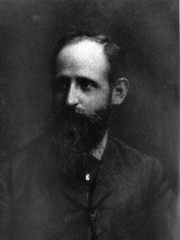
Josef Breuer
1842 - 1925
HPI: 72.48
Rank: 244
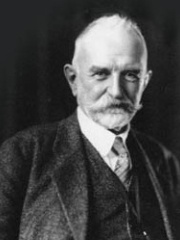
George Herbert Mead
1863 - 1931
HPI: 72.41
Rank: 245
Pelagius
360 - 420
HPI: 72.38
Rank: 246
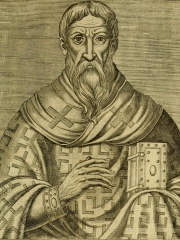
Pseudo-Dionysius the Areopagite
500 - 510
HPI: 72.34
Rank: 247
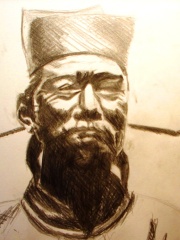
Shen Kuo
1031 - 1095
HPI: 72.33
Rank: 248
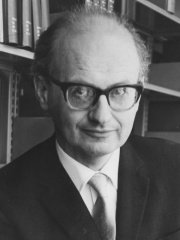
Imre Lakatos
1922 - 1974
HPI: 72.32
Rank: 249
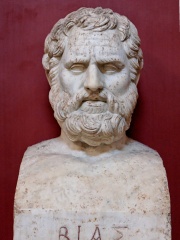
Bias of Priene
600 BC - 530 BC
HPI: 72.32
Rank: 250
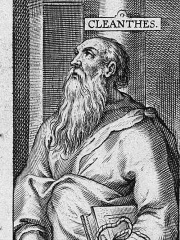
Cleanthes
330 BC - 232 BC
HPI: 72.30
Rank: 251
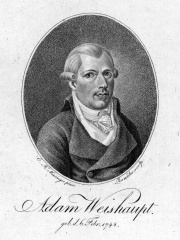
Adam Weishaupt
1748 - 1830
HPI: 72.25
Rank: 252

Contemporaries
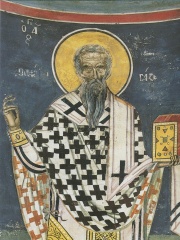
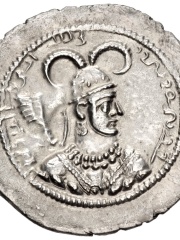
Among people born in 360, Pelagius ranks 1. After him are John Cassian, Martianus Capella, Sulpicius Severus, Ninian, and Gratian. Among people deceased in 420, Pelagius ranks 4. Before him are Kālidāsa, Jerome, and Orosius. After him are Porphyry of Gaza, Sulpicius Severus, Eunapius, Jeonji of Baekje, Shapur IV, and Castinus.
Others Born in 360
Go to all RankingsPelagius
PHILOSOPHER
360 - 420
HPI: 72.38
Rank: 1
John Cassian
RELIGIOUS FIGURE
360 - 435
HPI: 70.28
Rank: 2
Martianus Capella
PHILOSOPHER
360 - 428
HPI: 69.90
Rank: 3
Sulpicius Severus
WRITER
360 - 420
HPI: 67.74
Rank: 4
Ninian
RELIGIOUS FIGURE
360 - 432
HPI: 67.23
Rank: 5

Gratian
POLITICIAN
360 - 407
HPI: 59.07
Rank: 6
Others Deceased in 420
Go to all Rankings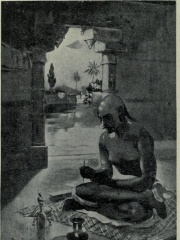
Kālidāsa
WRITER
400 - 420
HPI: 82.51
Rank: 1

Jerome
RELIGIOUS FIGURE
345 - 420
HPI: 82.20
Rank: 2

Orosius
PHILOSOPHER
375 - 420
HPI: 73.52
Rank: 3
Pelagius
PHILOSOPHER
360 - 420
HPI: 72.38
Rank: 4
Porphyry of Gaza
RELIGIOUS FIGURE
347 - 420
HPI: 70.71
Rank: 5
Sulpicius Severus
WRITER
360 - 420
HPI: 67.74
Rank: 6

Eunapius
HISTORIAN
349 - 420
HPI: 66.64
Rank: 7

Jeonji of Baekje
POLITICIAN
390 - 420
HPI: 62.01
Rank: 8
Shapur IV
POLITICIAN
HPI: 61.98
Rank: 9

Castinus
POLITICIAN
400 - 420
HPI: 54.30
Rank: 10
In United Kingdom
Among people born in United Kingdom, Pelagius ranks 472 out of NaN. Before him are Llywelyn the Great (1173), George Shaw (1751), G. K. Chesterton (1874), Jasper Tudor (1431), Tom Baker (1934), and Richard Trevithick (1771). After him are Tilda Swinton (1960), J. M. Barrie (1860), David Beckham (1975), Gertrude Bell (1868), Llywelyn ap Gruffudd (1220), and Peter Sellers (1925).
Others born in United Kingdom
Go to all Rankings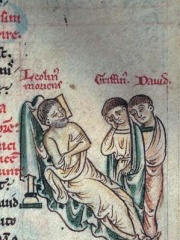
Llywelyn the Great
POLITICIAN
1173 - 1240
HPI: 72.46
Rank: 466
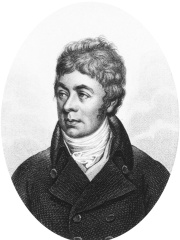
George Shaw
BIOLOGIST
1751 - 1813
HPI: 72.46
Rank: 467
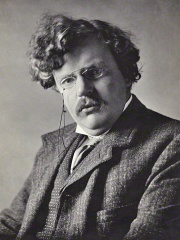
G. K. Chesterton
WRITER
1874 - 1936
HPI: 72.44
Rank: 468
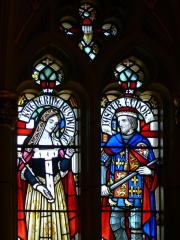
Jasper Tudor
NOBLEMAN
1431 - 1495
HPI: 72.42
Rank: 469
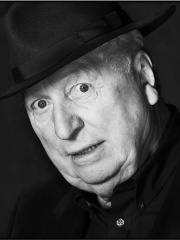
Tom Baker
ACTOR
1934 - Present
HPI: 72.42
Rank: 470
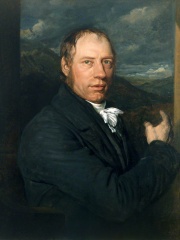
Richard Trevithick
INVENTOR
1771 - 1833
HPI: 72.40
Rank: 471
Pelagius
PHILOSOPHER
360 - 420
HPI: 72.38
Rank: 472

Tilda Swinton
ACTOR
1960 - Present
HPI: 72.38
Rank: 473

J. M. Barrie
WRITER
1860 - 1937
HPI: 72.38
Rank: 474

David Beckham
SOCCER PLAYER
1975 - Present
HPI: 72.37
Rank: 475

Gertrude Bell
MILITARY PERSONNEL
1868 - 1926
HPI: 72.32
Rank: 476
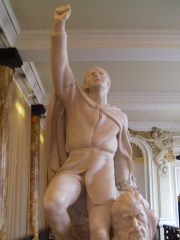
Llywelyn ap Gruffudd
POLITICIAN
1220 - 1282
HPI: 72.32
Rank: 477
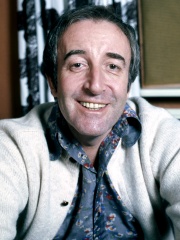
Peter Sellers
ACTOR
1925 - 1980
HPI: 72.31
Rank: 478
Among Philosophers In United Kingdom
Among philosophers born in United Kingdom, Pelagius ranks 15. Before him are William of Ockham (1285), Joseph Priestley (1733), John Wycliffe (1324), Duns Scotus (1265), John Venn (1834), and Thomas Reid (1710). After him are Thomas Carlyle (1795), William Godwin (1756), Houston Stewart Chamberlain (1855), G. E. Moore (1873), A. S. Neill (1883), and J. L. Austin (1911).
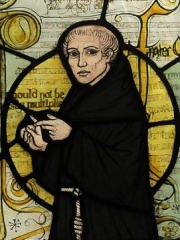
William of Ockham
1285 - 1347
HPI: 77.99
Rank: 9
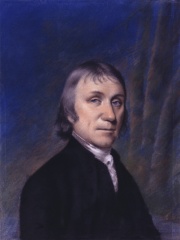
Joseph Priestley
1733 - 1804
HPI: 76.90
Rank: 10
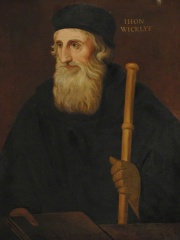
John Wycliffe
1324 - 1384
HPI: 76.81
Rank: 11
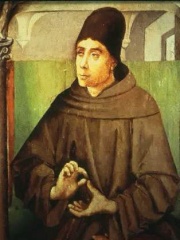
Duns Scotus
1265 - 1308
HPI: 76.64
Rank: 12
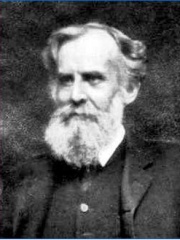
John Venn
1834 - 1923
HPI: 75.89
Rank: 13
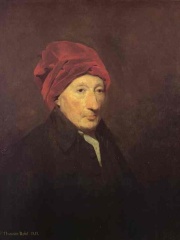
Thomas Reid
1710 - 1796
HPI: 75.18
Rank: 14
Pelagius
360 - 420
HPI: 72.38
Rank: 15
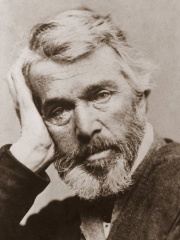
Thomas Carlyle
1795 - 1881
HPI: 71.05
Rank: 16
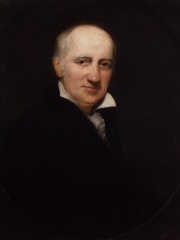
William Godwin
1756 - 1836
HPI: 70.80
Rank: 17
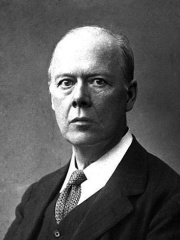
Houston Stewart Chamberlain
1855 - 1927
HPI: 70.73
Rank: 18
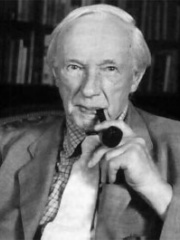
G. E. Moore
1873 - 1958
HPI: 70.00
Rank: 19
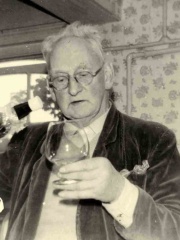
A. S. Neill
1883 - 1973
HPI: 68.40
Rank: 20
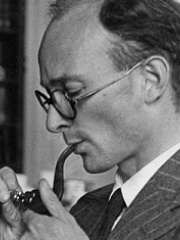
J. L. Austin
1911 - 1960
HPI: 68.39
Rank: 21




