Politician
Diodotus I
Greco-Bactrian king
285 BC - 230 BC
EN.WIKIPEDIA PAGE VIEWS (PV)
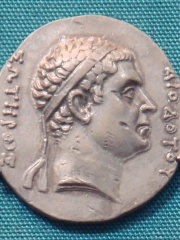
 Diodotus I
His biography is available in 30 different languages on Wikipedia (up from 29 in 2024). Diodotus I is the 9,153rd most popular politician (up from 9,164th in 2024), the 77th most popular biography from Afghanistan (down from 75th in 2019) and the 53rd most popular Afghan Politician.
Memorability Metrics
32k
Page Views
Past 12 months
62.13
HPI
Historical Popularity Index
Data Insights
30
Diodotus I's biography spans 30 Wikipedia language editions and earns a Historical Popularity Index of 62.13.
Page views of Diodotus I by language
Among Politicians
Among politicians, Diodotus I ranks 9,148 out of 20,022. Before him are Raimonds Vējonis, Sa'dun Hammadi, Baldwin III, Count of Hainaut, Prince Francis, Count of Trapani, Tamim bin Hamad Al Thani, and Georg Donatus, Hereditary Grand Duke of Hesse. After him are Isabella of Villehardouin, John Jacob, Marquis of Montferrat, Di Yi, Florence Harding, Richard Thomalla, and Blanche of Artois.
Most Popular Politicians in Wikipedia
Go to all Rankings

Raimonds Vējonis
1966 - Present
HPI: 62.14
Rank: 9,147
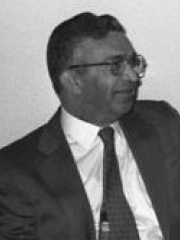
Sa'dun Hammadi
1930 - 2007
HPI: 62.14
Rank: 9,148

Baldwin III, Count of Hainaut
1088 - 1120
HPI: 62.14
Rank: 9,149
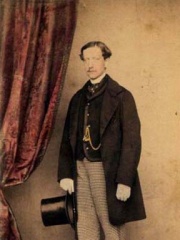
Prince Francis, Count of Trapani
1827 - 1892
HPI: 62.13
Rank: 9,150
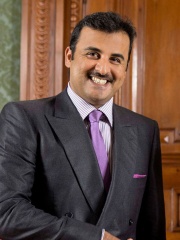
Tamim bin Hamad Al Thani
1980 - Present
HPI: 62.13
Rank: 9,151
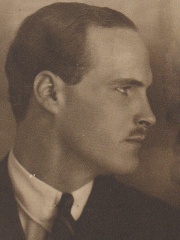
Georg Donatus, Hereditary Grand Duke of Hesse
1906 - 1937
HPI: 62.13
Rank: 9,152
Diodotus I
285 BC - 230 BC
HPI: 62.13
Rank: 9,153
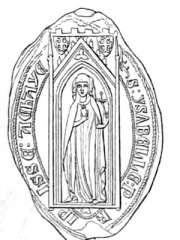
Isabella of Villehardouin
1263 - 1312
HPI: 62.13
Rank: 9,154

John Jacob, Marquis of Montferrat
1395 - 1445
HPI: 62.12
Rank: 9,155

Di Yi
1200 BC - 1076 BC
HPI: 62.12
Rank: 9,156
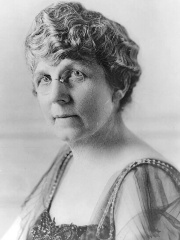
Florence Harding
1860 - 1924
HPI: 62.12
Rank: 9,157
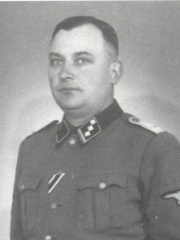
Richard Thomalla
1903 - 1945
HPI: 62.12
Rank: 9,158
Blanche of Artois
1248 - 1302
HPI: 62.12
Rank: 9,159

Contemporaries
Among people born in 285 BC, Diodotus I ranks 2. Before him is Mahinda. After him are Demetrius the Fair, and Sphaerus. Among people deceased in 230 BC, Diodotus I ranks 4. Before him are Aristarchus of Samos, Timon of Phlius, and Agron.
Others Born in 285 BC
Go to all Rankings
Mahinda
RELIGIOUS FIGURE
285 BC - 205 BC
HPI: 69.02
Rank: 1
Diodotus I
POLITICIAN
285 BC - 230 BC
HPI: 62.13
Rank: 2

Demetrius the Fair
POLITICIAN
285 BC - 250 BC
HPI: 60.80
Rank: 3
Sphaerus
PHILOSOPHER
285 BC - 221 BC
HPI: 56.35
Rank: 4
Others Deceased in 230 BC
Go to all Rankings
Aristarchus of Samos
ASTRONOMER
311 BC - 230 BC
HPI: 79.89
Rank: 1
Timon of Phlius
PHILOSOPHER
320 BC - 230 BC
HPI: 67.63
Rank: 2
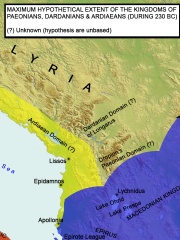
Agron
POLITICIAN
HPI: 66.48
Rank: 3
Diodotus I
POLITICIAN
285 BC - 230 BC
HPI: 62.13
Rank: 4
In Afghanistan
Among people born in Afghanistan, Diodotus I ranks 77 out of 213. Before him are Al-Sijzi (945), Diodotus II (-252), Kujula Kadphises (20), Jalaluddin Haqqani (1939), Akhtar Mansour (1968), and Ahmad Zahir (1946). After him are Ismail Khan (1946), Gulbadan Begum (1523), Baysunghur (1397), Ya'qub ibn al-Layth al-Saffar (840), Abdul Rasul Sayyaf (1946), and Abdullah Abdullah (1960).
Others born in Afghanistan
Go to all Rankings
Al-Sijzi
MATHEMATICIAN
945 - 1020
HPI: 63.37
Rank: 71
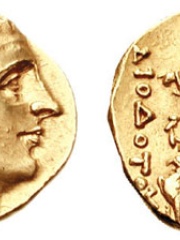
Diodotus II
POLITICIAN
252 BC - 220 BC
HPI: 62.75
Rank: 72
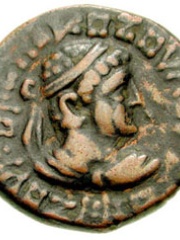
Kujula Kadphises
POLITICIAN
20 - 80
HPI: 62.71
Rank: 73
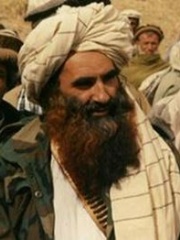
Jalaluddin Haqqani
EXTREMIST
1939 - 2018
HPI: 62.43
Rank: 74
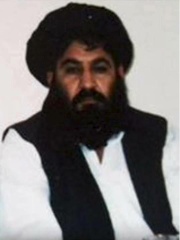
Akhtar Mansour
POLITICIAN
1968 - 2016
HPI: 62.38
Rank: 75
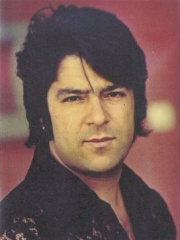
Ahmad Zahir
SINGER
1946 - 1979
HPI: 62.23
Rank: 76
Diodotus I
POLITICIAN
285 BC - 230 BC
HPI: 62.13
Rank: 77
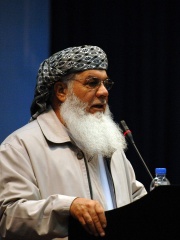
Ismail Khan
POLITICIAN
1946 - Present
HPI: 62.08
Rank: 78
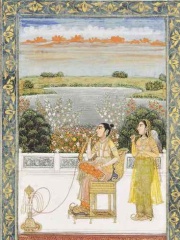
Gulbadan Begum
WRITER
1523 - 1603
HPI: 62.07
Rank: 79
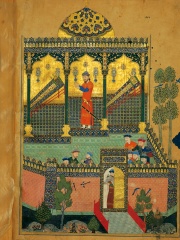
Baysunghur
ARCHITECT
1397 - 1433
HPI: 61.81
Rank: 80
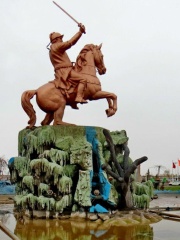
Ya'qub ibn al-Layth al-Saffar
POLITICIAN
840 - 879
HPI: 61.75
Rank: 81
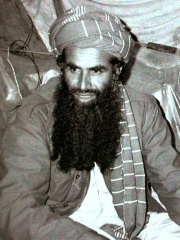
Abdul Rasul Sayyaf
POLITICIAN
1946 - Present
HPI: 61.70
Rank: 82
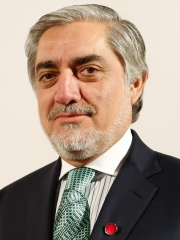
Abdullah Abdullah
POLITICIAN
1960 - Present
HPI: 61.41
Rank: 83
Among Politicians In Afghanistan
Among politicians born in Afghanistan, Diodotus I ranks 53. Before him are Inayatullah Khan (1888), Ayub Khan (1857), Abdul Ghani Baradar (1968), Diodotus II (-252), Kujula Kadphises (20), and Akhtar Mansour (1968). After him are Ismail Khan (1946), Ya'qub ibn al-Layth al-Saffar (840), Abdul Rasul Sayyaf (1946), Abdullah Abdullah (1960), Muhammad of Ghazni (998), and Abdul Qadir (1944).
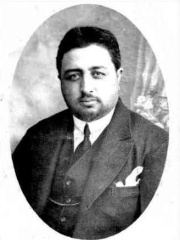
Inayatullah Khan
1888 - 1946
HPI: 63.65
Rank: 47
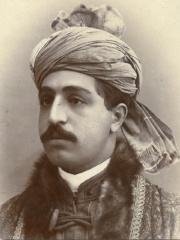
Ayub Khan
1857 - 1914
HPI: 63.58
Rank: 48
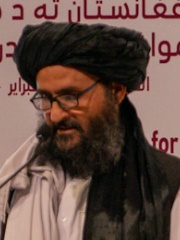
Abdul Ghani Baradar
1968 - Present
HPI: 63.48
Rank: 49
Diodotus II
252 BC - 220 BC
HPI: 62.75
Rank: 50
Kujula Kadphises
20 - 80
HPI: 62.71
Rank: 51
Akhtar Mansour
1968 - 2016
HPI: 62.38
Rank: 52
Diodotus I
285 BC - 230 BC
HPI: 62.13
Rank: 53
Ismail Khan
1946 - Present
HPI: 62.08
Rank: 54
Ya'qub ibn al-Layth al-Saffar
840 - 879
HPI: 61.75
Rank: 55
Abdul Rasul Sayyaf
1946 - Present
HPI: 61.70
Rank: 56
Abdullah Abdullah
1960 - Present
HPI: 61.41
Rank: 57
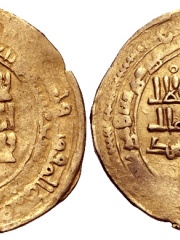
Muhammad of Ghazni
998 - 1041
HPI: 61.24
Rank: 58
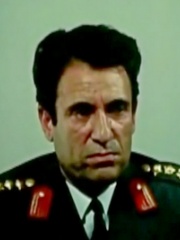
Abdul Qadir
1944 - 2014
HPI: 61.11
Rank: 59




