Religious Figure
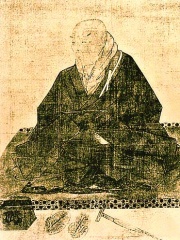
Sen no Rikyū
Japanese tea master
1522 - 1591
EN.WIKIPEDIA PAGE VIEWS (PV)
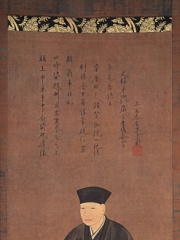
 Sen no Rikyū
His biography is available in 31 different languages on Wikipedia. Sen no Rikyū is the 802nd most popular religious figure (up from 804th in 2024), the 157th most popular biography from Japan (up from 185th in 2019) and the 8th most popular Japanese Religious Figure.
Sen no Rikyu is most famous for his tea ceremony. He was the first person to create a new style of tea ceremony, which was called wabi-cha.
Memorability Metrics
300k
Page Views
Past 12 months
69.18
HPI
Historical Popularity Index
Data Insights
#157 / 6,943
Sen no Rikyū ranks #157 among 6,943 people in Pantheon born in Japan, inside the top 3% of that group.
Page views of Sen no Rikyū by language
Among Religious Figures
Among religious figures, Sen no Rikyū ranks 802 out of 3,189. Before him are Emma Morano, Abe no Seimei, Radha, Hillel the Elder, Gerhard Ludwig Müller, and Isidore the Laborer. After him are Saint Malachy, Isaac in Islam, Euphemia, Zephaniah, Papias of Hierapolis, and Roger Etchegaray.
Most Popular Religious Figures in Wikipedia
Go to all Rankings
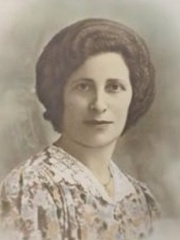
Emma Morano
1899 - 2017
HPI: 69.23
Rank: 796
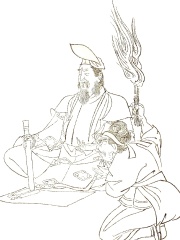
Abe no Seimei
921 - 1005
HPI: 69.22
Rank: 797
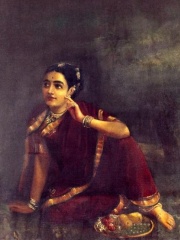
Radha
HPI: 69.21
Rank: 798
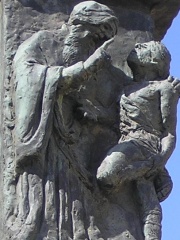
Hillel the Elder
110 BC - 10
HPI: 69.20
Rank: 799
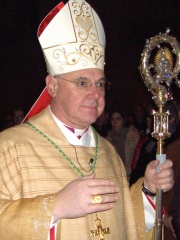
Gerhard Ludwig Müller
1947 - Present
HPI: 69.20
Rank: 800
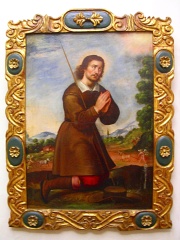
Isidore the Laborer
1080 - 1130
HPI: 69.18
Rank: 801
Sen no Rikyū
1522 - 1591
HPI: 69.18
Rank: 802
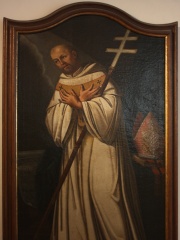
Saint Malachy
1094 - 1148
HPI: 69.15
Rank: 803

Isaac in Islam
HPI: 69.13
Rank: 804
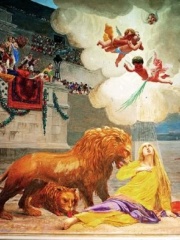
Euphemia
289 - 304
HPI: 69.12
Rank: 805
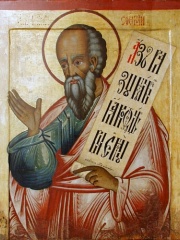
Zephaniah
701 BC - 609 BC
HPI: 69.09
Rank: 806
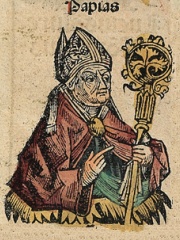
Papias of Hierapolis
70 - 100
HPI: 69.08
Rank: 807
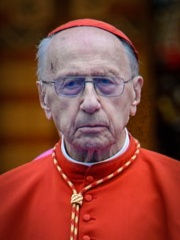
Roger Etchegaray
1922 - 2019
HPI: 69.07
Rank: 808

Contemporaries
Among people born in 1522, Sen no Rikyū ranks 7. Before him are Mihrimah Sultan, Şehzade Mehmed, Margaret of Parma, Ulisse Aldrovandi, Lodovico Ferrari, and Eleanor of Toledo. After him are Lamoral, Count of Egmont, Joachim du Bellay, Catherine of Ricci, Ogier Ghiselin de Busbecq, Shibata Katsuie, and Gelawdewos. Among people deceased in 1591, Sen no Rikyū ranks 6. Before him are Pope Gregory XIV, Pope Innocent IX, John of the Cross, Aloysius Gonzaga, and Vincenzo Galilei. After him are Dmitry of Uglich, Jacobus Gallus, Veronica Franco, Christian I, Elector of Saxony, Luis de León, and Jost Amman.
Others Born in 1522
Go to all Rankings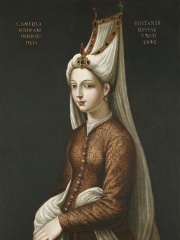
Mihrimah Sultan
COMPANION
1522 - 1578
HPI: 81.60
Rank: 1
Şehzade Mehmed
NOBLEMAN
1522 - 1543
HPI: 78.23
Rank: 2
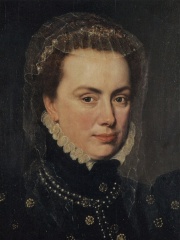
Margaret of Parma
POLITICIAN
1522 - 1586
HPI: 74.77
Rank: 3
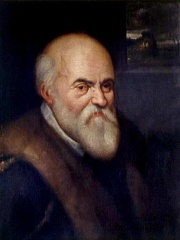
Ulisse Aldrovandi
BIOLOGIST
1522 - 1605
HPI: 70.54
Rank: 4
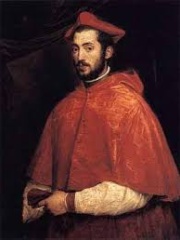
Lodovico Ferrari
MATHEMATICIAN
1522 - 1565
HPI: 70.38
Rank: 5
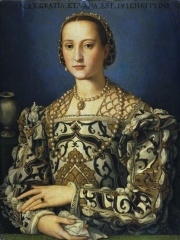
Eleanor of Toledo
POLITICIAN
1522 - 1562
HPI: 69.74
Rank: 6
Sen no Rikyū
RELIGIOUS FIGURE
1522 - 1591
HPI: 69.18
Rank: 7
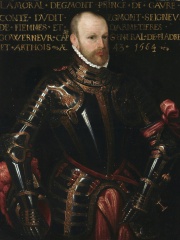
Lamoral, Count of Egmont
POLITICIAN
1522 - 1568
HPI: 68.59
Rank: 8
Joachim du Bellay
WRITER
1522 - 1560
HPI: 68.23
Rank: 9
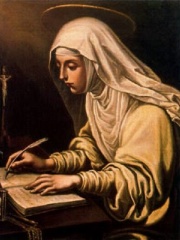
Catherine of Ricci
RELIGIOUS FIGURE
1522 - 1590
HPI: 65.68
Rank: 10

Ogier Ghiselin de Busbecq
WRITER
1522 - 1592
HPI: 65.15
Rank: 11
Shibata Katsuie
MILITARY PERSONNEL
1522 - 1583
HPI: 64.69
Rank: 12
Gelawdewos
NOBLEMAN
1522 - 1559
HPI: 64.27
Rank: 13
Others Deceased in 1591
Go to all Rankings
Pope Gregory XIV
RELIGIOUS FIGURE
1535 - 1591
HPI: 81.61
Rank: 1
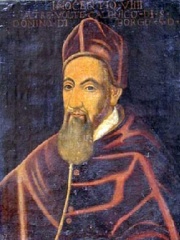
Pope Innocent IX
RELIGIOUS FIGURE
1519 - 1591
HPI: 81.33
Rank: 2
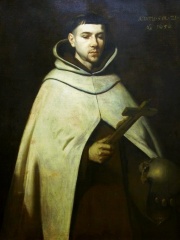
John of the Cross
RELIGIOUS FIGURE
1542 - 1591
HPI: 77.88
Rank: 3
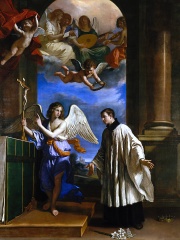
Aloysius Gonzaga
RELIGIOUS FIGURE
1568 - 1591
HPI: 73.32
Rank: 4
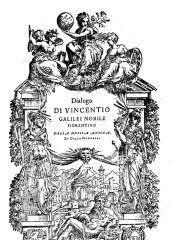
Vincenzo Galilei
COMPOSER
1520 - 1591
HPI: 70.34
Rank: 5
Sen no Rikyū
RELIGIOUS FIGURE
1522 - 1591
HPI: 69.18
Rank: 6
Dmitry of Uglich
NOBLEMAN
1582 - 1591
HPI: 66.50
Rank: 7
Jacobus Gallus
COMPOSER
1550 - 1591
HPI: 65.61
Rank: 8
Veronica Franco
WRITER
1546 - 1591
HPI: 65.29
Rank: 9
Christian I, Elector of Saxony
POLITICIAN
1560 - 1591
HPI: 65.05
Rank: 10
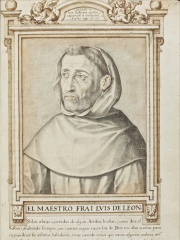
Luis de León
WRITER
1527 - 1591
HPI: 63.66
Rank: 11
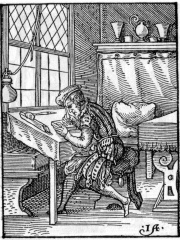
Jost Amman
PAINTER
1539 - 1591
HPI: 63.06
Rank: 12
In Japan
Among people born in Japan, Sen no Rikyū ranks 157 out of 6,943. Before him are Abe no Seimei (921), Junichiro Koizumi (1942), Kunishige Kamamoto (1944), Nobusuke Kishi (1896), Fukuzawa Yukichi (1835), and Yasuo Takamori (1934). After him are Shoichi Nishimura (1912), Ashikaga Takauji (1305), Masao Uchino (1934), Emperor Go-Sai (1638), Empress Genshō (680), and Kenichi Fukui (1918).
Others born in Japan
Go to all RankingsAbe no Seimei
RELIGIOUS FIGURE
921 - 1005
HPI: 69.22
Rank: 151
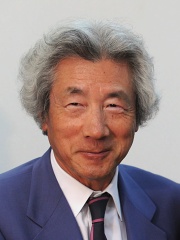
Junichiro Koizumi
POLITICIAN
1942 - Present
HPI: 69.21
Rank: 152
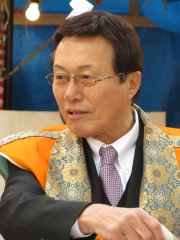
Kunishige Kamamoto
SOCCER PLAYER
1944 - 2025
HPI: 69.20
Rank: 153
Nobusuke Kishi
POLITICIAN
1896 - 1987
HPI: 69.20
Rank: 154
Fukuzawa Yukichi
PHILOSOPHER
1835 - 1901
HPI: 69.20
Rank: 155

Yasuo Takamori
SOCCER PLAYER
1934 - 2016
HPI: 69.19
Rank: 156
Sen no Rikyū
RELIGIOUS FIGURE
1522 - 1591
HPI: 69.18
Rank: 157

Shoichi Nishimura
SOCCER PLAYER
1912 - 1998
HPI: 69.17
Rank: 158
Ashikaga Takauji
POLITICIAN
1305 - 1358
HPI: 69.11
Rank: 159

Masao Uchino
SOCCER PLAYER
1934 - 2013
HPI: 69.07
Rank: 160
Emperor Go-Sai
POLITICIAN
1638 - 1685
HPI: 69.04
Rank: 161
Empress Genshō
POLITICIAN
680 - 748
HPI: 69.03
Rank: 162
Kenichi Fukui
CHEMIST
1918 - 1998
HPI: 69.03
Rank: 163
Among Religious Figures In Japan
Among religious figures born in Japan, Sen no Rikyū ranks 8. Before him are Paulo Miki (1564), Dōgen (1200), Nichiren (1222), Empress Meishō (1624), Benkei (1155), and Abe no Seimei (921). After him are Mikao Usui (1865), Yamamoto Tsunetomo (1659), Ikkyū (1394), Eisai (1141), Saichō (767), and Shinran (1173).
Paulo Miki
1564 - 1597
HPI: 72.48
Rank: 2
Dōgen
1200 - 1253
HPI: 72.38
Rank: 3
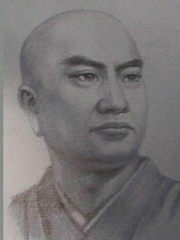
Nichiren
1222 - 1282
HPI: 72.08
Rank: 4
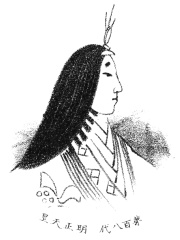
Empress Meishō
1624 - 1696
HPI: 70.84
Rank: 5
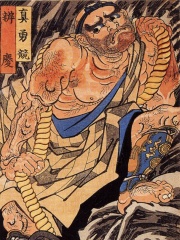
Benkei
1155 - 1189
HPI: 70.14
Rank: 6
Abe no Seimei
921 - 1005
HPI: 69.22
Rank: 7
Sen no Rikyū
1522 - 1591
HPI: 69.18
Rank: 8
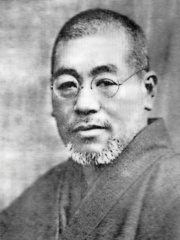
Mikao Usui
1865 - 1926
HPI: 67.34
Rank: 9
Yamamoto Tsunetomo
1659 - 1719
HPI: 66.14
Rank: 10
Ikkyū
1394 - 1481
HPI: 65.93
Rank: 11
Eisai
1141 - 1215
HPI: 65.03
Rank: 12
Saichō
767 - 822
HPI: 64.08
Rank: 13
Shinran
1173 - 1263
HPI: 64.07
Rank: 14




