Figura religiosa
Abe no Seimei
921 - 1005
VISUALIZAÇÕES EM PT.WIKIPEDIA (PV)
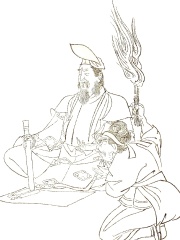
 Abe no Seimei
Sua biografia está disponível em 22 idiomas na Wikipédia. Abe no Seimei é o 797º figura religiosa mais popular (caiu do 693º em 2024), a 151ª biografia mais popular do Japão (caiu do 112ª em 2019) e o 7º figura religiosa mais popular do Japão.
Métricas de memorabilidade
310k
Visualizações
Últimos 12 meses
69.22
HPI
Índice de Popularidade Histórica
Destaques dos dados
#151 / 6,943
Abe no Seimei ocupa a posição nº 151 entre as 6,943 pessoas do Pantheon nascidas em Japão, entre os 3% melhores do grupo.
Visualizações da página de Abe no Seimei por idioma
Entre Figura religiosa
Entre Figura religiosa, Abe no Seimei ocupa a posição 797 de 3,189. Antes dele vêm Cornelius the Centurion, Antipope Anacletus II, Gertrude the Great, Junia, Stanislaus of Szczepanów, e Emma Morano. Depois dele vêm Radha, Hillel the Elder, Gerhard Ludwig Müller, Isidore the Laborer, Sen no Rikyū, e Saint Malachy.
Figura religiosa mais populares na Wikipédia
Ver todas as classificações
Cornelius the Centurion
100 - 100
HPI: 69.30
Posição: 791
Antipope Anacletus II
1090 - 1138
HPI: 69.26
Posição: 792
Gertrude the Great
1256 - 1302
HPI: 69.25
Posição: 793
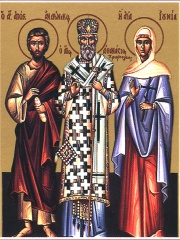
Junia
50 - presente
HPI: 69.25
Posição: 794
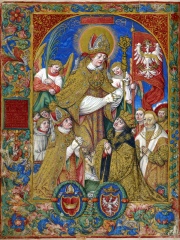
Stanislaus of Szczepanów
1030 - 1079
HPI: 69.24
Posição: 795
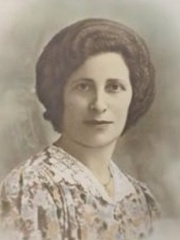
Emma Morano
1899 - 2017
HPI: 69.23
Posição: 796
Abe no Seimei
921 - 1005
HPI: 69.22
Posição: 797
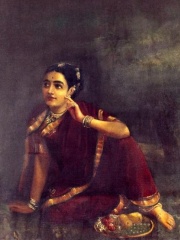
Radha
HPI: 69.21
Posição: 798
Hillel the Elder
110 a.C. - 10
HPI: 69.20
Posição: 799
Gerhard Ludwig Müller
1947 - presente
HPI: 69.20
Posição: 800
Isidore the Laborer
1080 - 1130
HPI: 69.18
Posição: 801
Sen no Rikyū
1522 - 1591
HPI: 69.18
Posição: 802
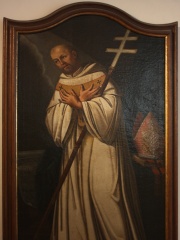
Saint Malachy
1094 - 1148
HPI: 69.15
Posição: 803

Contemporâneos
Entre as pessoas nascidas em 921, Abe no Seimei ocupa a posição 2. Antes dele vem Edmund I. Depois dele vem Chai Rong. Entre as pessoas falecidas em 1005, Abe no Seimei ocupa a posição 1. Depois dele vêm Kenneth III of Scotland, Lutgardis of Luxemburg, Sigmundur Brestisson, e Lê Hoàn.
Outras pessoas nascidas em 921
Ver todas as classificações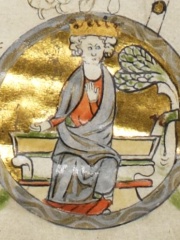
Edmund I
POLITICIAN
921 - 946
HPI: 71.56
Posição: 1
Abe no Seimei
RELIGIOUS FIGURE
921 - 1005
HPI: 69.22
Posição: 2
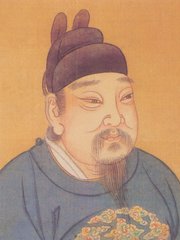
Chai Rong
NOBLEMAN
921 - 959
HPI: 63.43
Posição: 3
Outras pessoas falecidas em 1005
Ver todas as classificaçõesAbe no Seimei
RELIGIOUS FIGURE
921 - 1005
HPI: 69.22
Posição: 1
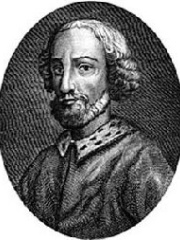
Kenneth III of Scotland
POLITICIAN
1000 - 1005
HPI: 67.48
Posição: 2

Lutgardis of Luxemburg
POLITICIAN
955 - 1005
HPI: 58.33
Posição: 3

Sigmundur Brestisson
RELIGIOUS FIGURE
961 - 1005
HPI: 57.50
Posição: 4
Lê Hoàn
POLITICIAN
941 - 1005
HPI: 57.32
Posição: 5
Em Japão
Entre as pessoas nascidas em Japão, Abe no Seimei ocupa a posição 151 de 6,943. Antes dele vêm Shigeru Yoshida (1878), Hiroaki Sato (1932), Kobayashi Issa (1763), Sonny Chiba (1939), Emperor Kōrei (-341), e Tarō Asō (1940). Depois dele vêm Junichiro Koizumi (1942), Kunishige Kamamoto (1944), Nobusuke Kishi (1896), Fukuzawa Yukichi (1835), Yasuo Takamori (1934), e Sen no Rikyū (1522).
Outras pessoas nascidas em Japão
Ver todas as classificações
Shigeru Yoshida
POLITICIAN
1878 - 1967
HPI: 69.35
Posição: 145

Hiroaki Sato
SOCCER PLAYER
1932 - 1988
HPI: 69.31
Posição: 146
Kobayashi Issa
WRITER
1763 - 1828
HPI: 69.29
Posição: 147

Sonny Chiba
ACTOR
1939 - 2021
HPI: 69.25
Posição: 148
Emperor Kōrei
POLITICIAN
341 a.C. - 214 a.C.
HPI: 69.24
Posição: 149
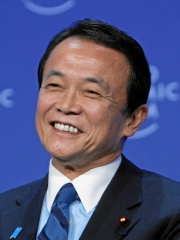
Tarō Asō
POLITICIAN
1940 - presente
HPI: 69.22
Posição: 150
Abe no Seimei
RELIGIOUS FIGURE
921 - 1005
HPI: 69.22
Posição: 151
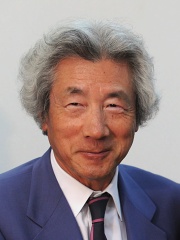
Junichiro Koizumi
POLITICIAN
1942 - presente
HPI: 69.21
Posição: 152
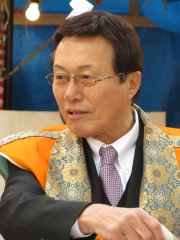
Kunishige Kamamoto
SOCCER PLAYER
1944 - 2025
HPI: 69.20
Posição: 153

Nobusuke Kishi
POLITICIAN
1896 - 1987
HPI: 69.20
Posição: 154
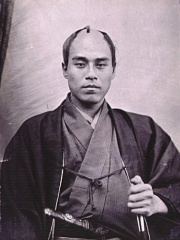
Fukuzawa Yukichi
PHILOSOPHER
1835 - 1901
HPI: 69.20
Posição: 155

Yasuo Takamori
SOCCER PLAYER
1934 - 2016
HPI: 69.19
Posição: 156
Sen no Rikyū
RELIGIOUS FIGURE
1522 - 1591
HPI: 69.18
Posição: 157
Entre Figura religiosa em Japão
Entre Figura religiosa nascidos em Japão, Abe no Seimei ocupa a posição 7. Antes dele vêm Kane Tanaka (1903), Paulo Miki (1564), Dōgen (1200), Nichiren (1222), Empress Meishō (1624), e Benkei (1155). Depois dele vêm Sen no Rikyū (1522), Mikao Usui (1865), Yamamoto Tsunetomo (1659), Ikkyū (1394), Eisai (1141), e Saichō (767).
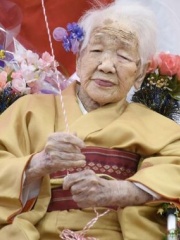
Kane Tanaka
1903 - 2022
HPI: 72.71
Posição: 1
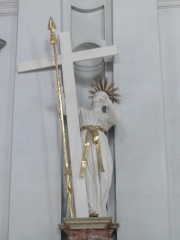
Paulo Miki
1564 - 1597
HPI: 72.48
Posição: 2
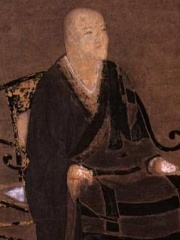
Dōgen
1200 - 1253
HPI: 72.38
Posição: 3
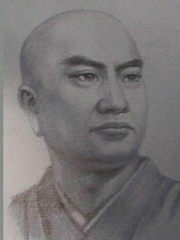
Nichiren
1222 - 1282
HPI: 72.08
Posição: 4
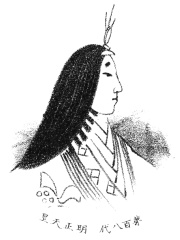
Empress Meishō
1624 - 1696
HPI: 70.84
Posição: 5
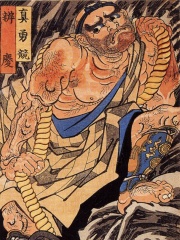
Benkei
1155 - 1189
HPI: 70.14
Posição: 6
Abe no Seimei
921 - 1005
HPI: 69.22
Posição: 7
Sen no Rikyū
1522 - 1591
HPI: 69.18
Posição: 8
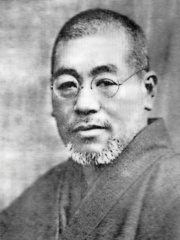
Mikao Usui
1865 - 1926
HPI: 67.34
Posição: 9
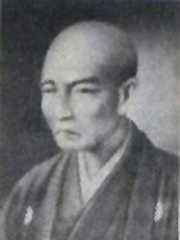
Yamamoto Tsunetomo
1659 - 1719
HPI: 66.14
Posição: 10
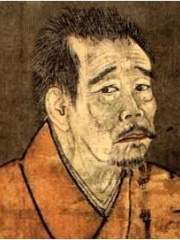
Ikkyū
1394 - 1481
HPI: 65.93
Posição: 11
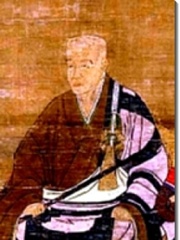
Eisai
1141 - 1215
HPI: 65.03
Posição: 12
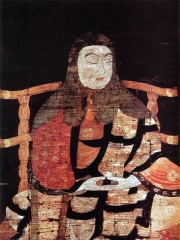
Saichō
767 - 822
HPI: 64.08
Posição: 13




