Filosoof
Fukuzawa Yukichi
1835 - 1901
NL.WIKIPEDIA PAGE VIEWS (PV)
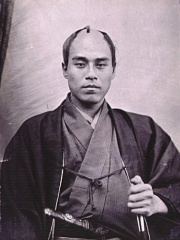
 Fukuzawa Yukichi
Zijn biografie is beschikbaar in 38 verschillende talen op Wikipedia (toegenomen van 36 in 2024). Fukuzawa Yukichi staat op plaats 362 onder de meest populaire filosoof (gedaald van plaats 300 in 2024), plaats 155 onder de meest populaire biografieën uit Japan (gedaald van plaats 100 in 2019) en op de eerste plaats onder de populairste filosoof uit Japan.
Memorability Metrics
380k
Page Views
Past 12 months
69.20
HPI
Historical Popularity Index
Page views of Fukuzawa Yukichi by language
Among Filosoofs
Among filosoofs, Fukuzawa Yukichi ranks 362 out of 1,267. Before him are Otto Neurath, Peter Singer, Abul A'la Maududi, Nasir Khusraw, John Philoponus, and George Santayana. After him are Julius Caesar Scaliger, Stilpo, Ramanuja, Maurice Halbwachs, Francisco de Vitoria, and Étienne Cabet.
Most Popular Filosoofs in Wikipedia
Go to all Rankings
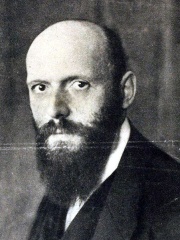
Otto Neurath
1882 - 1945
HPI: 69.31
Rank: 356
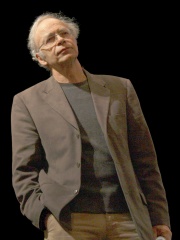
Peter Singer
1946 - Present
HPI: 69.31
Rank: 357
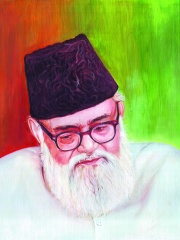
Abul A'la Maududi
1903 - 1979
HPI: 69.30
Rank: 358

Nasir Khusraw
1004 - 1088
HPI: 69.26
Rank: 359

John Philoponus
490 - 570
HPI: 69.25
Rank: 360
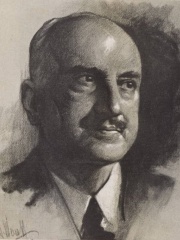
George Santayana
1863 - 1952
HPI: 69.22
Rank: 361
Fukuzawa Yukichi
1835 - 1901
HPI: 69.20
Rank: 362
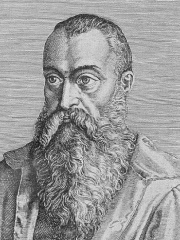
Julius Caesar Scaliger
1484 - 1558
HPI: 69.19
Rank: 363
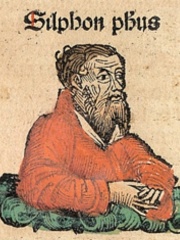
Stilpo
359 BC - 279 BC
HPI: 69.16
Rank: 364
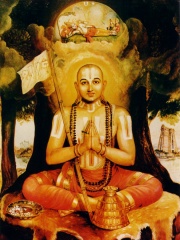
Ramanuja
1017 - 1137
HPI: 69.10
Rank: 365
Maurice Halbwachs
1877 - 1945
HPI: 69.09
Rank: 366
Francisco de Vitoria
1483 - 1546
HPI: 69.04
Rank: 367
Étienne Cabet
1788 - 1856
HPI: 69.00
Rank: 368

Contemporaries
Among people born in 1835, Fukuzawa Yukichi ranks 18. Before him are Demetrius Vikelas, Samuel Butler, Henryk Wieniawski, César Cui, Eduard Strauss, and Mirza Ghulam Ahmad. After him are William Stanley Jevons, Nikolai Rubinstein, Alexander Agassiz, Leopold, Prince of Hohenzollern, Hijikata Toshizō, and John La Farge. Among people deceased in 1901, Fukuzawa Yukichi ranks 16. Before him are Adolf Erik Nordenskiöld, George Francis FitzGerald, Chlodwig, Prince of Hohenlohe-Schillingsfürst, Li Hongzhang, Charles Hermite, and Milan I of Serbia. After him are Abdur Rahman Khan, Peter Tait, Adolf Eugen Fick, Gaetano Bresci, Francesco Crispi, and Elisha Gray.
Others Born in 1835
Go to all Rankings
Demetrius Vikelas
WRITER
1835 - 1908
HPI: 73.34
Rank: 12
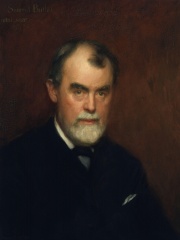
Samuel Butler
WRITER
1835 - 1902
HPI: 73.29
Rank: 13
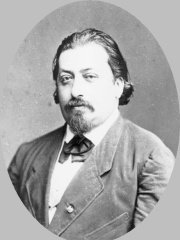
Henryk Wieniawski
MUSICIAN
1835 - 1880
HPI: 72.03
Rank: 14
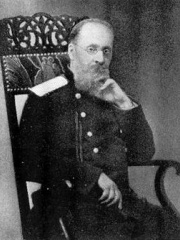
César Cui
COMPOSER
1835 - 1918
HPI: 71.42
Rank: 15
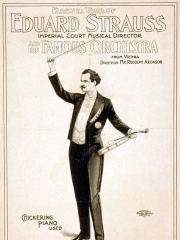
Eduard Strauss
COMPOSER
1835 - 1916
HPI: 71.20
Rank: 16
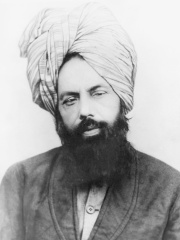
Mirza Ghulam Ahmad
RELIGIOUS FIGURE
1835 - 1908
HPI: 69.56
Rank: 17
Fukuzawa Yukichi
PHILOSOPHER
1835 - 1901
HPI: 69.20
Rank: 18
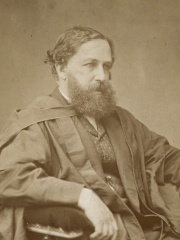
William Stanley Jevons
ECONOMIST
1835 - 1882
HPI: 68.41
Rank: 19
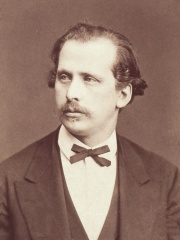
Nikolai Rubinstein
MUSICIAN
1835 - 1881
HPI: 68.11
Rank: 20
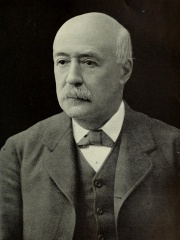
Alexander Agassiz
BIOLOGIST
1835 - 1910
HPI: 67.55
Rank: 21
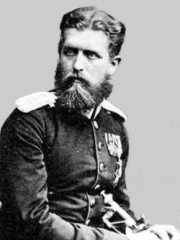
Leopold, Prince of Hohenzollern
POLITICIAN
1835 - 1905
HPI: 67.16
Rank: 22
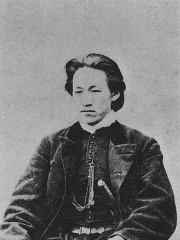
Hijikata Toshizō
MILITARY PERSONNEL
1835 - 1869
HPI: 66.88
Rank: 23
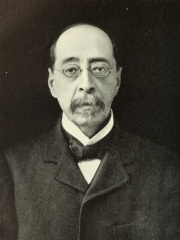
John La Farge
PAINTER
1835 - 1910
HPI: 66.16
Rank: 24
Others Deceased in 1901
Go to all Rankings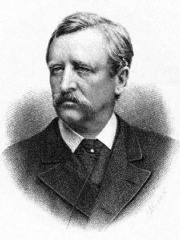
Adolf Erik Nordenskiöld
EXPLORER
1832 - 1901
HPI: 72.76
Rank: 10
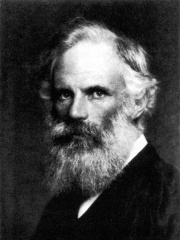
George Francis FitzGerald
PHYSICIST
1851 - 1901
HPI: 71.97
Rank: 11
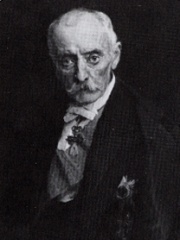
Chlodwig, Prince of Hohenlohe-Schillingsfürst
POLITICIAN
1819 - 1901
HPI: 70.76
Rank: 12

Li Hongzhang
POLITICIAN
1823 - 1901
HPI: 70.31
Rank: 13
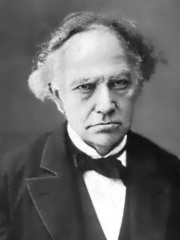
Charles Hermite
MATHEMATICIAN
1822 - 1901
HPI: 70.19
Rank: 14
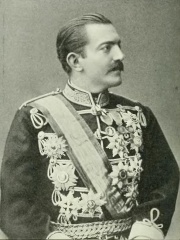
Milan I of Serbia
POLITICIAN
1854 - 1901
HPI: 69.91
Rank: 15
Fukuzawa Yukichi
PHILOSOPHER
1835 - 1901
HPI: 69.20
Rank: 16
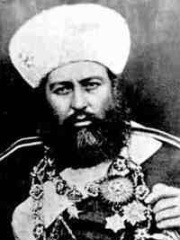
Abdur Rahman Khan
POLITICIAN
1844 - 1901
HPI: 68.04
Rank: 17
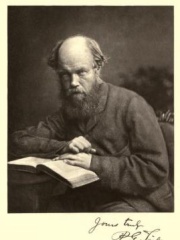
Peter Tait
MATHEMATICIAN
1831 - 1901
HPI: 67.06
Rank: 18
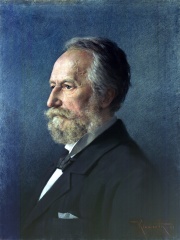
Adolf Eugen Fick
PHYSICIAN
1829 - 1901
HPI: 66.97
Rank: 19
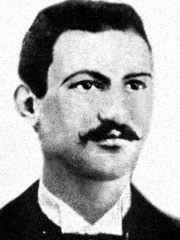
Gaetano Bresci
POLITICIAN
1869 - 1901
HPI: 66.17
Rank: 20
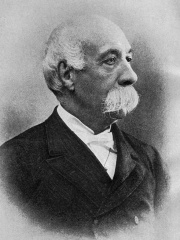
Francesco Crispi
POLITICIAN
1818 - 1901
HPI: 65.89
Rank: 21
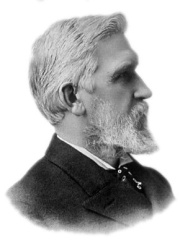
Elisha Gray
INVENTOR
1835 - 1901
HPI: 65.77
Rank: 22
In Japan
Among people born in Japan, Fukuzawa Yukichi ranks 155 out of NaN. Before him are Emperor Kōrei (-341), Tarō Asō (1940), Abe no Seimei (921), Junichiro Koizumi (1942), Kunishige Kamamoto (1944), and Nobusuke Kishi (1896). After him are Yasuo Takamori (1934), Sen no Rikyū (1522), Shoichi Nishimura (1912), Ashikaga Takauji (1305), Masao Uchino (1934), and Emperor Go-Sai (1638).
Others born in Japan
Go to all Rankings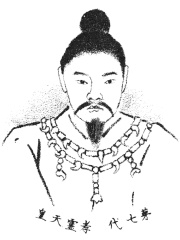
Emperor Kōrei
POLITICIAN
341 BC - 214 BC
HPI: 69.24
Rank: 149
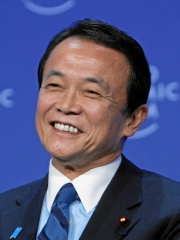
Tarō Asō
POLITICIAN
1940 - Present
HPI: 69.22
Rank: 150
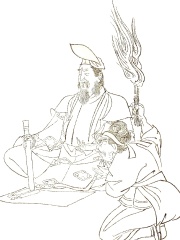
Abe no Seimei
RELIGIOUS FIGURE
921 - 1005
HPI: 69.22
Rank: 151
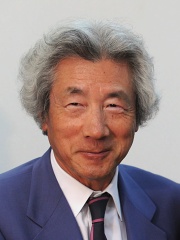
Junichiro Koizumi
POLITICIAN
1942 - Present
HPI: 69.21
Rank: 152
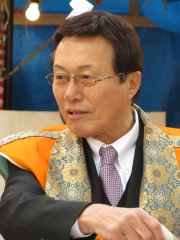
Kunishige Kamamoto
SOCCER PLAYER
1944 - 2025
HPI: 69.20
Rank: 153
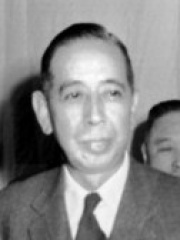
Nobusuke Kishi
POLITICIAN
1896 - 1987
HPI: 69.20
Rank: 154
Fukuzawa Yukichi
PHILOSOPHER
1835 - 1901
HPI: 69.20
Rank: 155

Yasuo Takamori
SOCCER PLAYER
1934 - 2016
HPI: 69.19
Rank: 156
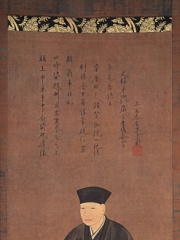
Sen no Rikyū
RELIGIOUS FIGURE
1522 - 1591
HPI: 69.18
Rank: 157

Shoichi Nishimura
SOCCER PLAYER
1912 - 1998
HPI: 69.17
Rank: 158
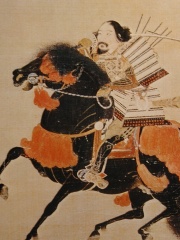
Ashikaga Takauji
POLITICIAN
1305 - 1358
HPI: 69.11
Rank: 159

Masao Uchino
SOCCER PLAYER
1934 - 2013
HPI: 69.07
Rank: 160
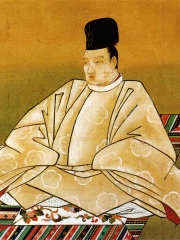
Emperor Go-Sai
POLITICIAN
1638 - 1685
HPI: 69.04
Rank: 161
Among Filosoofs In Japan
Among filosoofs born in Japan, Fukuzawa Yukichi ranks 1. After him are Masanobu Fukuoka (1913), Hakuin Ekaku (1686), Daisaku Ikeda (1928), Kitaro Nishida (1870), Motoori Norinaga (1730), Hayashi Razan (1583), Arai Hakuseki (1657), Ogyū Sorai (1666), and Kohei Saito (1987).
Fukuzawa Yukichi
1835 - 1901
HPI: 69.20
Rank: 1
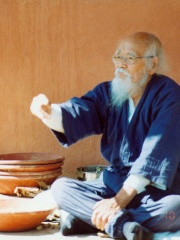
Masanobu Fukuoka
1913 - 2008
HPI: 67.78
Rank: 2
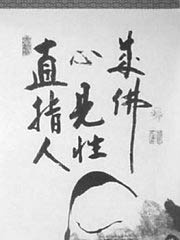
Hakuin Ekaku
1686 - 1769
HPI: 63.26
Rank: 3
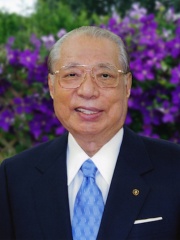
Daisaku Ikeda
1928 - 2023
HPI: 62.34
Rank: 4
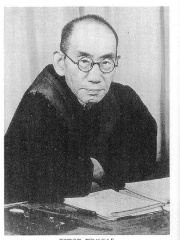
Kitaro Nishida
1870 - 1945
HPI: 62.32
Rank: 5

Motoori Norinaga
1730 - 1801
HPI: 62.03
Rank: 6
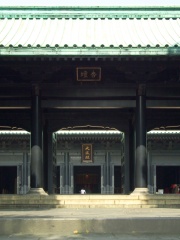
Hayashi Razan
1583 - 1657
HPI: 61.86
Rank: 7

Arai Hakuseki
1657 - 1725
HPI: 60.45
Rank: 8
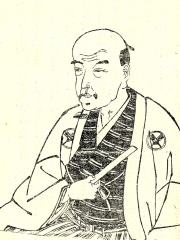
Ogyū Sorai
1666 - 1728
HPI: 59.64
Rank: 9
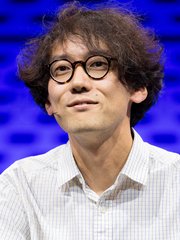
Kohei Saito
1987 - Present
HPI: 43.47
Rank: 10




