Postać religijna
Paulo Miki
1564 - 1597
WYŚWIETLENIA PL.WIKIPEDIA (PV)
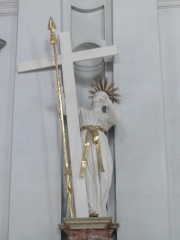
 Paulo Miki
Jego biografia jest dostępna w 28 różnych językach w Wikipedii (spadek z 29 w 2024 roku). Paulo Miki jest 588. najpopularniejszym postać religijna (wzrost z 661. w 2024 roku), 63. najpopularniejszą biografią Japonia (wzrost z 99. w 2019 roku) oraz 2. najpopularniejszym postać religijna Japonia.
Wskaźniki rozpoznawalności
84k
Wyświetlenia strony
Ostatnie 12 miesięcy
72.48
HPI
Indeks historycznej popularności
Wyświetlenia strony Paulo Miki według języka
Wśród przedstawicieli zawodu Postać religijna
Wśród przedstawicieli zawodu „Postać religijna” Paulo Miki zajmuje 588. miejsce na 3,187. Przed nim są Saint Rosalia, Marcel Lefebvre, Antipope Alexander V, Parascheva of the Balkans, Pope Donus, i Anas ibn Malik. Po nim są Abdullah ibn Masud, Charles de Foucauld, Maria al-Qibtiyya, 'Abd al-Rahman ibn 'Awf, Saint Maurice, i Sabbas the Sanctified.
Najpopularniejsi w Wikipedii: Postać religijna
Zobacz wszystkie rankingi

Saint Rosalia
1130 - 1166
HPI: 72.61
Miejsce: 582
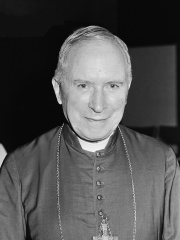
Marcel Lefebvre
1905 - 1991
HPI: 72.59
Miejsce: 583
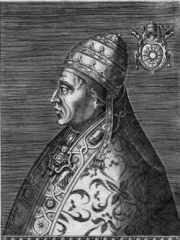
Antipope Alexander V
1339 - 1410
HPI: 72.58
Miejsce: 584
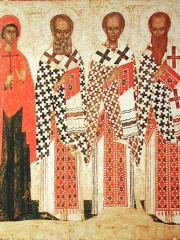
Parascheva of the Balkans
1000 - 1100
HPI: 72.56
Miejsce: 585
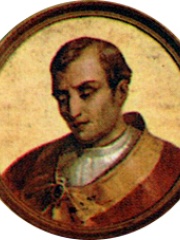
Pope Donus
610 - 678
HPI: 72.53
Miejsce: 586

Anas ibn Malik
612 - 712
HPI: 72.52
Miejsce: 587
Paulo Miki
1564 - 1597
HPI: 72.48
Miejsce: 588
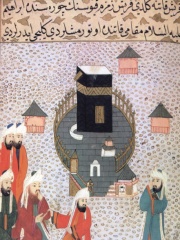
Abdullah ibn Masud
600 - 650
HPI: 72.47
Miejsce: 589
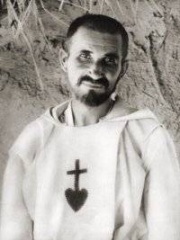
Charles de Foucauld
1858 - 1916
HPI: 72.45
Miejsce: 590

Maria al-Qibtiyya
600 - 637
HPI: 72.44
Miejsce: 591
'Abd al-Rahman ibn 'Awf
580 - 654
HPI: 72.42
Miejsce: 592
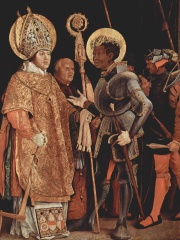
Saint Maurice
250 - 287
HPI: 72.41
Miejsce: 593
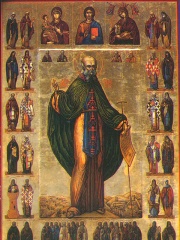
Sabbas the Sanctified
439 - 532
HPI: 72.39
Miejsce: 594

Współcześni
Wśród osób urodzonych w 1564 roku Paulo Miki zajmuje 6. miejsce. Przed nim są Galileo Galilei, William Shakespeare, William Adams, Pieter Brueghel the Younger, i Christopher Marlowe. Po nim są David Fabricius, Francisco Pacheco, Hans Leo Hassler, Ahmad Sirhindi, Henry Julius, Duke of Brunswick-Lüneburg, i Federico Borromeo. Wśród osób zmarłych w 1597 roku Paulo Miki zajmuje 3. miejsce. Przed nim są Willem Barentsz, i Hattori Hanzō. Po nim są Infanta Catherine Michelle of Spain, Peter Canisius, Alfonso II d'Este, Duke of Ferrara, Maharana Pratap, Joseph of Anchieta, Franciscus Patricius, Ashikaga Yoshiaki, Edward Kelley, i Barbara Blomberg.
Inne osoby urodzone w 1564 roku
Zobacz wszystkie rankingi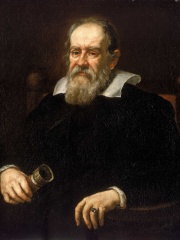
Galileo Galilei
ASTRONOMER
1564 - 1642
HPI: 95.08
Miejsce: 1
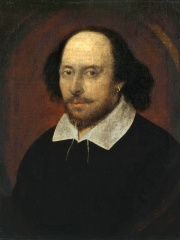
William Shakespeare
WRITER
1564 - 1616
HPI: 92.59
Miejsce: 2
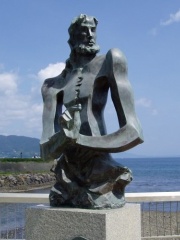
William Adams
EXPLORER
1564 - 1620
HPI: 75.97
Miejsce: 3
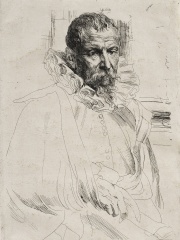
Pieter Brueghel the Younger
PAINTER
1564 - 1636
HPI: 75.41
Miejsce: 4
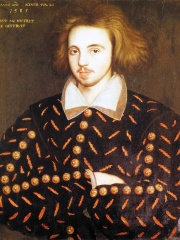
Christopher Marlowe
WRITER
1564 - 1593
HPI: 74.16
Miejsce: 5
Paulo Miki
RELIGIOUS FIGURE
1564 - 1597
HPI: 72.48
Miejsce: 6
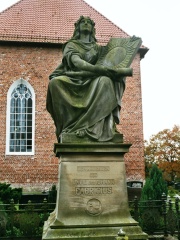
David Fabricius
ASTRONOMER
1564 - 1617
HPI: 68.47
Miejsce: 7
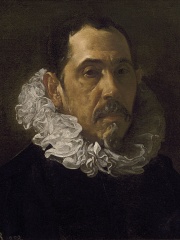
Francisco Pacheco
PAINTER
1564 - 1644
HPI: 66.20
Miejsce: 8
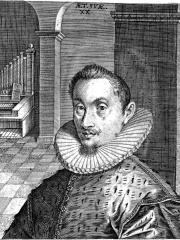
Hans Leo Hassler
COMPOSER
1564 - 1612
HPI: 65.98
Miejsce: 9

Ahmad Sirhindi
PHILOSOPHER
1564 - 1624
HPI: 65.65
Miejsce: 10
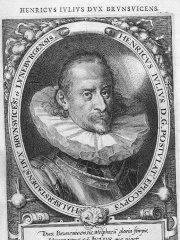
Henry Julius, Duke of Brunswick-Lüneburg
NOBLEMAN
1564 - 1613
HPI: 64.07
Miejsce: 11
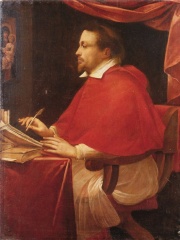
Federico Borromeo
RELIGIOUS FIGURE
1564 - 1631
HPI: 62.96
Miejsce: 12
Inne osoby zmarłe w 1597 roku
Zobacz wszystkie rankingi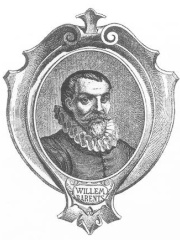
Willem Barentsz
EXPLORER
1550 - 1597
HPI: 78.49
Miejsce: 1
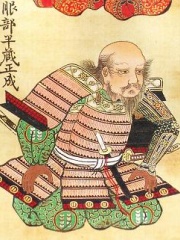
Hattori Hanzō
MILITARY PERSONNEL
1542 - 1597
HPI: 75.10
Miejsce: 2
Paulo Miki
RELIGIOUS FIGURE
1564 - 1597
HPI: 72.48
Miejsce: 3
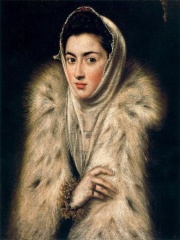
Infanta Catherine Michelle of Spain
POLITICIAN
1567 - 1597
HPI: 72.25
Miejsce: 4
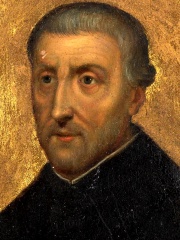
Peter Canisius
PHYSICIAN
1521 - 1597
HPI: 71.87
Miejsce: 5
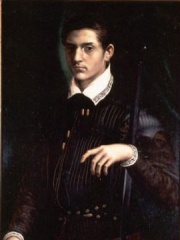
Alfonso II d'Este, Duke of Ferrara
NOBLEMAN
1533 - 1597
HPI: 70.43
Miejsce: 6
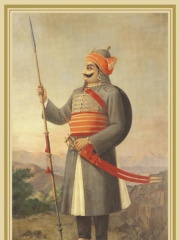
Maharana Pratap
POLITICIAN
1540 - 1597
HPI: 69.78
Miejsce: 7
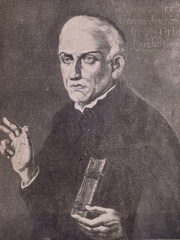
Joseph of Anchieta
WRITER
1534 - 1597
HPI: 69.43
Miejsce: 8
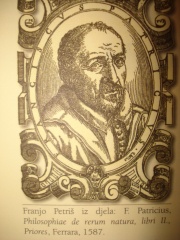
Franciscus Patricius
PHILOSOPHER
1529 - 1597
HPI: 68.66
Miejsce: 9
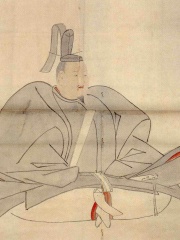
Ashikaga Yoshiaki
POLITICIAN
1537 - 1597
HPI: 68.22
Miejsce: 10
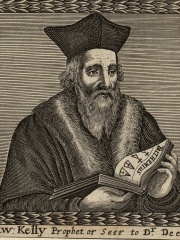
Edward Kelley
OCCULTIST
1555 - 1597
HPI: 67.16
Miejsce: 11
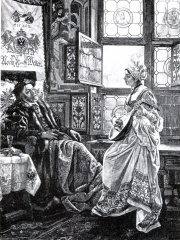
Barbara Blomberg
COMPANION
1527 - 1597
HPI: 66.47
Miejsce: 12
W kraju Japonia
Wśród osób urodzonych w kraju Japonia Paulo Miki zajmuje 63. miejsce na NaN. Przed nim są Hideki Yukawa (1907), Takashi Kasahara (1918), Emperor Suizei (-669), Natsume Sōseki (1867), Tokugawa Yoshinobu (1837), i Kane Tanaka (1903). Po nim są Mako (1933), Koxinga (1624), Dōgen (1200), Yoshihide Suga (1948), Antonio Inoki (1943), i Isamu Akasaki (1929).
Inne osoby urodzone w kraju Japonia
Zobacz wszystkie rankingi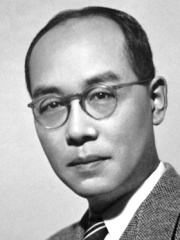
Hideki Yukawa
PHYSICIST
1907 - 1981
HPI: 73.06
Miejsce: 57

Takashi Kasahara
SOCCER PLAYER
1918 - 1996
HPI: 72.94
Miejsce: 58
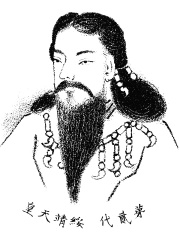
Emperor Suizei
POLITICIAN
669 BC - 548 BC
HPI: 72.87
Miejsce: 59
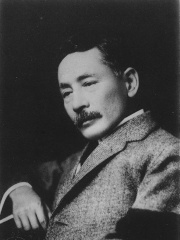
Natsume Sōseki
WRITER
1867 - 1916
HPI: 72.84
Miejsce: 60
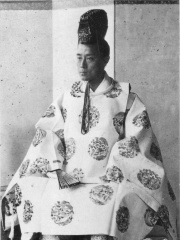
Tokugawa Yoshinobu
MILITARY PERSONNEL
1837 - 1913
HPI: 72.80
Miejsce: 61
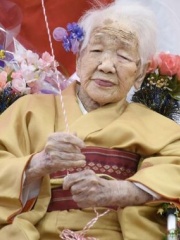
Kane Tanaka
RELIGIOUS FIGURE
1903 - 2022
HPI: 72.71
Miejsce: 62
Paulo Miki
RELIGIOUS FIGURE
1564 - 1597
HPI: 72.48
Miejsce: 63
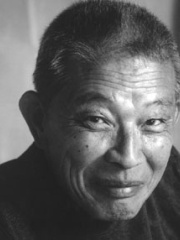
Mako
ACTOR
1933 - 2006
HPI: 72.46
Miejsce: 64
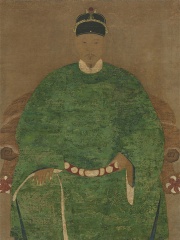
Koxinga
POLITICIAN
1624 - 1662
HPI: 72.46
Miejsce: 65
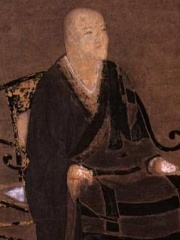
Dōgen
RELIGIOUS FIGURE
1200 - 1253
HPI: 72.38
Miejsce: 66
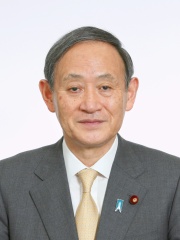
Yoshihide Suga
POLITICIAN
1948 - obecnie
HPI: 72.34
Miejsce: 67
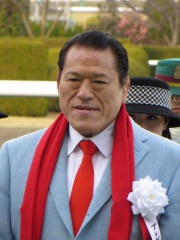
Antonio Inoki
WRESTLER
1943 - 2022
HPI: 72.34
Miejsce: 68
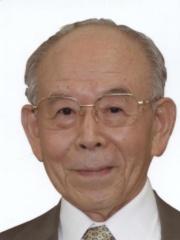
Isamu Akasaki
PHYSICIST
1929 - 2021
HPI: 72.34
Miejsce: 69
Wśród przedstawicieli zawodu Postać religijna w kraju Japonia
Wśród przedstawicieli zawodu „Postać religijna” urodzonych w kraju Japonia Paulo Miki zajmuje 2. miejsce. Przed nim jest Kane Tanaka (1903). Po nim są Dōgen (1200), Nichiren (1222), Empress Meishō (1624), Benkei (1155), Abe no Seimei (921), Sen no Rikyū (1522), Mikao Usui (1865), Yamamoto Tsunetomo (1659), Ikkyū (1394), i Eisai (1141).
Kane Tanaka
1903 - 2022
HPI: 72.71
Miejsce: 1
Paulo Miki
1564 - 1597
HPI: 72.48
Miejsce: 2
Dōgen
1200 - 1253
HPI: 72.38
Miejsce: 3
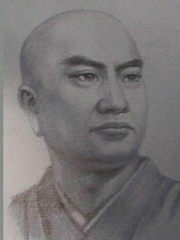
Nichiren
1222 - 1282
HPI: 72.08
Miejsce: 4
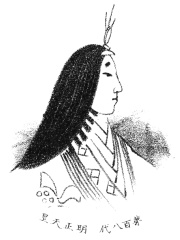
Empress Meishō
1624 - 1696
HPI: 70.84
Miejsce: 5

Benkei
1155 - 1189
HPI: 70.14
Miejsce: 6
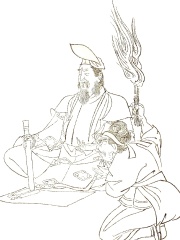
Abe no Seimei
921 - 1005
HPI: 69.22
Miejsce: 7
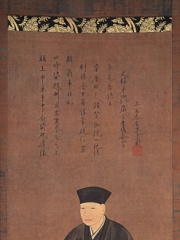
Sen no Rikyū
1522 - 1591
HPI: 69.18
Miejsce: 8
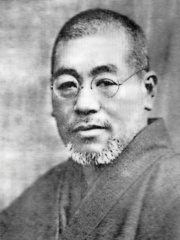
Mikao Usui
1865 - 1926
HPI: 67.34
Miejsce: 9
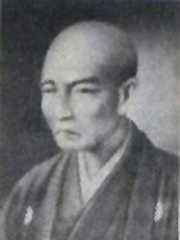
Yamamoto Tsunetomo
1659 - 1719
HPI: 66.14
Miejsce: 10
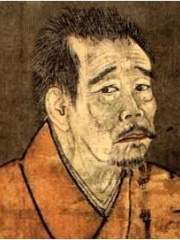
Ikkyū
1394 - 1481
HPI: 65.93
Miejsce: 11
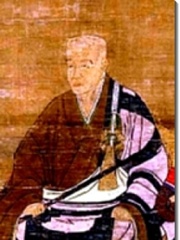
Eisai
1141 - 1215
HPI: 65.03
Miejsce: 12




