Религиозный деятель
Hillel the Elder
110 BC - 10
RU.WIKIPEDIA PAGE VIEWS (PV)
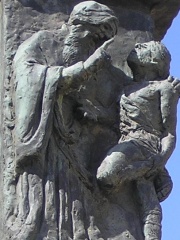
 Hillel the Elder
Его биография доступна на 32 различных языках в Википедии. Hillel the Elder занимает 799-е место среди самых популярных религиозный деятель (снижение с 711-е места в 2024 году), занимает 86-е место среди самых популярных биографий из Ирака (снижение с 71-е места в 2019 году) и занимает 14-е место среди религиозный деятель Ирак.
Memorability Metrics
180k
Page Views
Past 12 months
69.20
HPI
Historical Popularity Index
Page views of Hillel the Elder by language
Among Религиозный деятель
Among религиозный деятель, Hillel the Elder ranks 799 out of 3,187. Before him are Gertrude the Great, Junia, Stanislaus of Szczepanów, Emma Morano, Abe no Seimei, and Radha. After him are Gerhard Ludwig Müller, Isidore the Laborer, Sen no Rikyū, Saint Malachy, Isaac in Islam, and Euphemia.
Most Popular Религиозный деятель in Wikipedia
Go to all Rankings
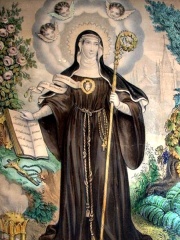
Gertrude the Great
1256 - 1302
HPI: 69.25
Rank: 793
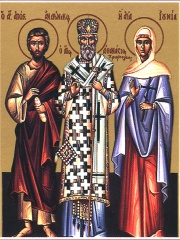
Junia
50 - Present
HPI: 69.25
Rank: 794
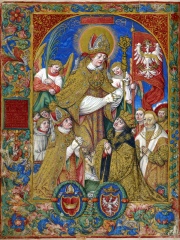
Stanislaus of Szczepanów
1030 - 1079
HPI: 69.24
Rank: 795
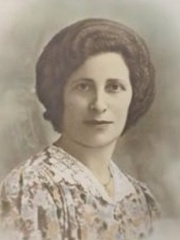
Emma Morano
1899 - 2017
HPI: 69.23
Rank: 796
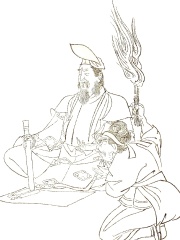
Abe no Seimei
921 - 1005
HPI: 69.22
Rank: 797
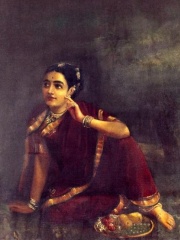
Radha
HPI: 69.21
Rank: 798
Hillel the Elder
110 BC - 10
HPI: 69.20
Rank: 799
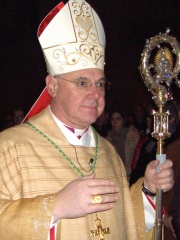
Gerhard Ludwig Müller
1947 - Present
HPI: 69.20
Rank: 800
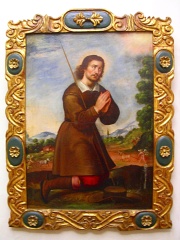
Isidore the Laborer
1080 - 1130
HPI: 69.18
Rank: 801
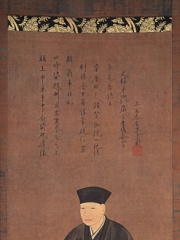
Sen no Rikyū
1522 - 1591
HPI: 69.18
Rank: 802
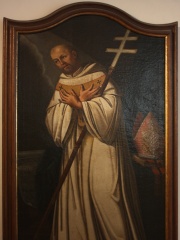
Saint Malachy
1094 - 1148
HPI: 69.15
Rank: 803

Isaac in Islam
HPI: 69.13
Rank: 804

Euphemia
289 - 304
HPI: 69.12
Rank: 805

Contemporaries
Among people born in 110 BC, Hillel the Elder ranks 2. Before him is Titus Pomponius Atticus. After him are Hyrcanus II, Philodemus, Lucius Julius Caesar, and Gaius Calpurnius Piso. Among people deceased in 10, Hillel the Elder ranks 1. After him are Salome I, Didymus Chalcenterus, and Marcus Antistius Labeo.
Others Born in 110 BC
Go to all Rankings
Titus Pomponius Atticus
WRITER
110 BC - 32 BC
HPI: 71.58
Rank: 1
Hillel the Elder
RELIGIOUS FIGURE
110 BC - 10
HPI: 69.20
Rank: 2
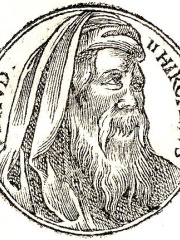
Hyrcanus II
POLITICIAN
110 BC - 30 BC
HPI: 68.70
Rank: 3

Philodemus
PHILOSOPHER
110 BC - 35 BC
HPI: 66.78
Rank: 4

Lucius Julius Caesar
POLITICIAN
110 BC - 40 BC
HPI: 65.35
Rank: 5

Gaius Calpurnius Piso
POLITICIAN
110 BC - 100 BC
HPI: 57.11
Rank: 6
Others Deceased in 10
Go to all RankingsHillel the Elder
RELIGIOUS FIGURE
110 BC - 10
HPI: 69.20
Rank: 1

Salome I
POLITICIAN
65 BC - 10
HPI: 64.97
Rank: 2

Didymus Chalcenterus
WRITER
63 BC - 10
HPI: 64.34
Rank: 3

Marcus Antistius Labeo
POLITICIAN
100 BC - 10
HPI: 63.45
Rank: 4
In Ирак
Among people born in Ирак, Hillel the Elder ranks 86 out of NaN. Before him are Al-Mu'tadid (854), Abdul Rahman Arif (1916), Naram-Sin of Akkad (-2254), Ashur-nadin-shumi (-800), Abdul Salam Arif (1921), and Rashid Ali al-Gaylani (1892). After him are Shamshi-Adad I (-1860), Samsu-iluna (-1792), Hormizd IV (540), Izzat Ibrahim al-Douri (1941), Sajida Talfah (1937), and Rashid ad-Din Sinan (1130).
Others born in Ирак
Go to all Rankings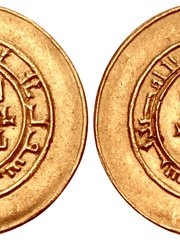
Al-Mu'tadid
POLITICIAN
854 - 902
HPI: 69.57
Rank: 80
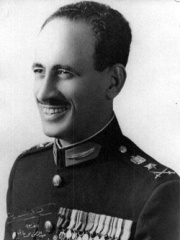
Abdul Rahman Arif
POLITICIAN
1916 - 2007
HPI: 69.55
Rank: 81
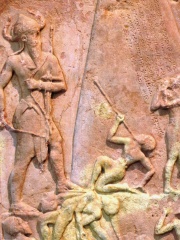
Naram-Sin of Akkad
POLITICIAN
2254 BC - 2118 BC
HPI: 69.54
Rank: 82
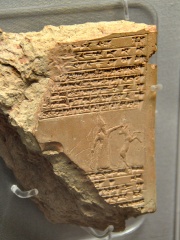
Ashur-nadin-shumi
POLITICIAN
800 BC - 694 BC
HPI: 69.47
Rank: 83
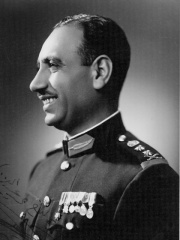
Abdul Salam Arif
POLITICIAN
1921 - 1966
HPI: 69.35
Rank: 84
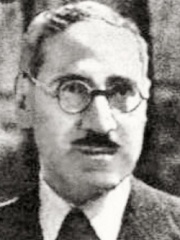
Rashid Ali al-Gaylani
POLITICIAN
1892 - 1965
HPI: 69.25
Rank: 85
Hillel the Elder
RELIGIOUS FIGURE
110 BC - 10
HPI: 69.20
Rank: 86
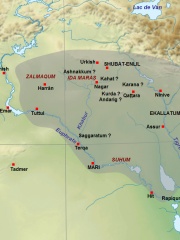
Shamshi-Adad I
POLITICIAN
1860 BC - 1776 BC
HPI: 69.04
Rank: 87
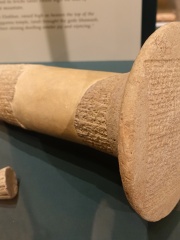
Samsu-iluna
POLITICIAN
1792 BC - 1712 BC
HPI: 68.95
Rank: 88
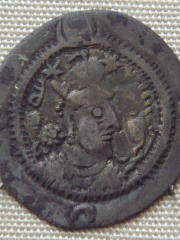
Hormizd IV
POLITICIAN
540 - 590
HPI: 68.91
Rank: 89
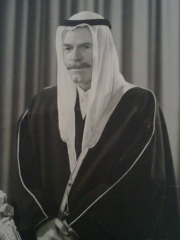
Izzat Ibrahim al-Douri
POLITICIAN
1941 - 2020
HPI: 68.84
Rank: 90
Sajida Talfah
POLITICIAN
1937 - Present
HPI: 68.81
Rank: 91
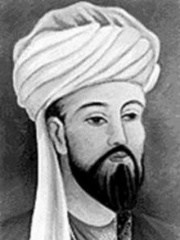
Rashid ad-Din Sinan
SOCIAL ACTIVIST
1130 - 1192
HPI: 68.74
Rank: 92
Among Религиозный деятель In Ирак
Among религиозный деятель born in Ирак, Hillel the Elder ranks 14. Before him are Belshazzar (-600), Eber (-2038), Junayd of Baghdad (830), Louis Raphaël I Sako (1948), Ibn Hisham (701), and Nahor, son of Serug (-1912). After him are Ibn Qutaybah (828), Mohammad Hussein Fadlallah (1935), Ibn Sa'd (784), Abo of Tiflis (756), Dinkha IV (1935), and Ignatius Zakka I Iwas (1931).
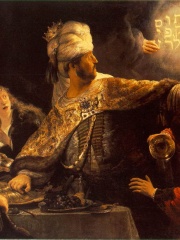
Belshazzar
600 BC - 600 BC
HPI: 75.54
Rank: 8
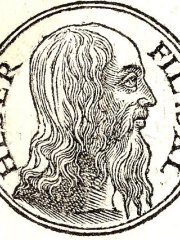
Eber
2038 BC - 1574 BC
HPI: 74.57
Rank: 9
Junayd of Baghdad
830 - 910
HPI: 71.53
Rank: 10
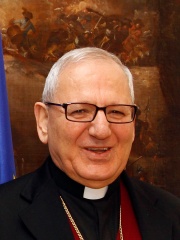
Louis Raphaël I Sako
1948 - Present
HPI: 70.61
Rank: 11

Ibn Hisham
701 - 833
HPI: 70.58
Rank: 12
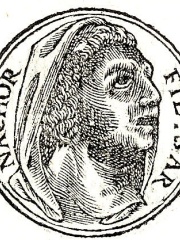
Nahor, son of Serug
1912 BC - 1764 BC
HPI: 70.15
Rank: 13
Hillel the Elder
110 BC - 10
HPI: 69.20
Rank: 14

Ibn Qutaybah
828 - 889
HPI: 68.10
Rank: 15
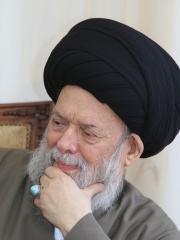
Mohammad Hussein Fadlallah
1935 - 2010
HPI: 65.96
Rank: 16

Ibn Sa'd
784 - 845
HPI: 65.86
Rank: 17
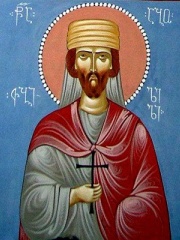
Abo of Tiflis
756 - 786
HPI: 65.48
Rank: 18
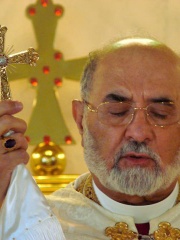
Dinkha IV
1935 - 2015
HPI: 64.98
Rank: 19
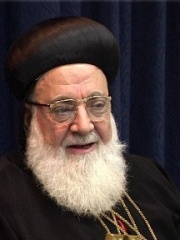
Ignatius Zakka I Iwas
1931 - 2014
HPI: 64.37
Rank: 20




