سياسي
Seleucus II Callinicus
265 BC - 225 BC
مشاهدات AR.WIKIPEDIA (PV)
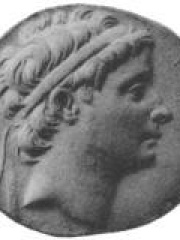
 Seleucus II Callinicus
سيرته الذاتية متاحة بـ45 لغة مختلفة على ويكيبيديا. يحتل Seleucus II Callinicus المرتبة 2,426 بين أكثر سياسي شعبيةً (تراجعًا من 2,201 في 2024)، والمرتبة 283 بين أكثر السير الذاتية شعبيةً في تركيا (تراجعًا من 268 في 2019)، كما يحتل المرتبة 152 بين أكثر سياسي من تركيا شعبيةً.
مقاييس الشهرة
50k
مشاهدات الصفحة
آخر 12 شهرًا
71.03
HPI
مؤشر الشعبية التاريخية
رؤى من البيانات
45
تمتد سيرة Seleucus II Callinicus عبر 45 نسخة لغوية من ويكيبيديا وتبلغ قيمة مؤشر الشعبية التاريخية 71.03.
مشاهدات صفحة Seleucus II Callinicus حسب اللغة
من بين سياسي
من بين سياسي، يحتل Seleucus II Callinicus المرتبة 2,425 من أصل 20,022. قبله يأتي Guntram, Empress Lü, Susilo Bambang Yudhoyono, Walther Rathenau, Sekhemkhet, وHugh, Count of Vermandois. بعده يأتي Charles Edward Stuart, Isaac Herzog, Emperor Huizong of Song, Ólafur Ragnar Grímsson, Maria Christina of Austria, وDemetris Christofias.
أشهر سياسي على ويكيبيديا
عرض جميع التصنيفات
Guntram
532 - 592
HPI: 71.04
المرتبة: 2,420
Empress Lü
241 BC - 180 BC
HPI: 71.03
المرتبة: 2,421
Susilo Bambang Yudhoyono
1949 - حتى الآن
HPI: 71.03
المرتبة: 2,422
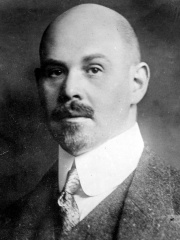
Walther Rathenau
1867 - 1922
HPI: 71.03
المرتبة: 2,423
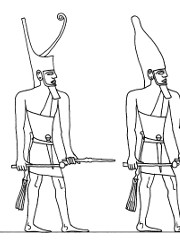
Sekhemkhet
2800 BC - 2700 BC
HPI: 71.03
المرتبة: 2,424
Hugh, Count of Vermandois
1057 - 1101
HPI: 71.03
المرتبة: 2,425
Seleucus II Callinicus
265 BC - 225 BC
HPI: 71.03
المرتبة: 2,426
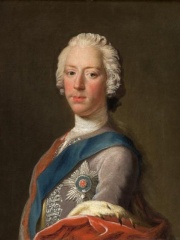
Charles Edward Stuart
1720 - 1788
HPI: 71.03
المرتبة: 2,427

Isaac Herzog
1960 - حتى الآن
HPI: 71.02
المرتبة: 2,428
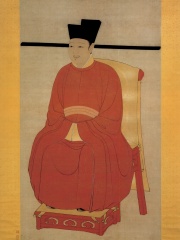
Emperor Huizong of Song
1082 - 1135
HPI: 71.02
المرتبة: 2,429
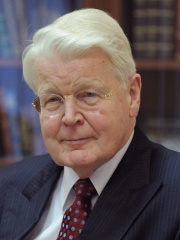
Ólafur Ragnar Grímsson
1943 - حتى الآن
HPI: 71.02
المرتبة: 2,430
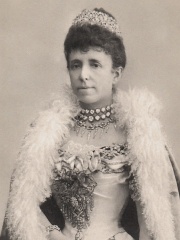
Maria Christina of Austria
1858 - 1929
HPI: 71.02
المرتبة: 2,431
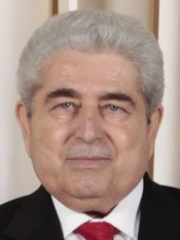
Demetris Christofias
1946 - 2019
HPI: 71.02
المرتبة: 2,432

معاصرون
من بين المولودين في عام 265 BC، يحتل Seleucus II Callinicus المرتبة 1. بعده يأتي Agis IV, Gaius Flaminius, وGnaeus Cornelius Scipio Calvus. من بين المتوفين في عام 225 BC، يحتل Seleucus II Callinicus المرتبة 1.
آخرون وُلدوا في عام 265 BC
عرض جميع التصنيفاتSeleucus II Callinicus
POLITICIAN
265 BC - 225 BC
HPI: 71.03
المرتبة: 1
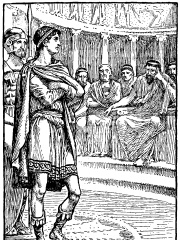
Agis IV
POLITICIAN
265 BC - 241 BC
HPI: 68.51
المرتبة: 2
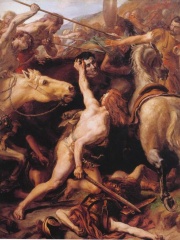
Gaius Flaminius
POLITICIAN
265 BC - 217 BC
HPI: 68.26
المرتبة: 3

Gnaeus Cornelius Scipio Calvus
POLITICIAN
265 BC - 211 BC
HPI: 66.53
المرتبة: 4
آخرون توفوا في عام 225 BC
عرض جميع التصنيفاتفي تركيا
من بين المولودين في تركيا، يحتل Seleucus II Callinicus المرتبة 283 من أصل 1,732. قبله يأتي Aratus (-315), Michael IX Palaiologos (1277), Flavian of Constantinople (380), Lydia of Thyatira (100), Tansu Çiller (1946), وCtesias (-440). بعده يأتي Alexander of Aphrodisias (200), Vitiges (475), Celâl Bayar (1883), Eumenes (-362), Strato of Lampsacus (-335), وGermanus I of Constantinople (634).
آخرون وُلدوا في تركيا
عرض جميع التصنيفات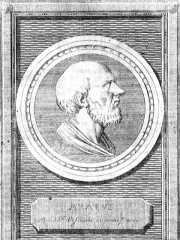
Aratus
WRITER
315 BC - 240 BC
HPI: 71.21
المرتبة: 277
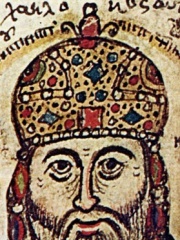
Michael IX Palaiologos
POLITICIAN
1277 - 1320
HPI: 71.14
المرتبة: 278
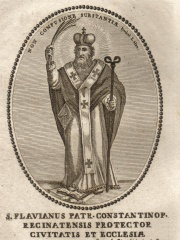
Flavian of Constantinople
RELIGIOUS FIGURE
380 - 449
HPI: 71.12
المرتبة: 279
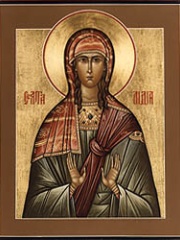
Lydia of Thyatira
RELIGIOUS FIGURE
100 - 100
HPI: 71.10
المرتبة: 280
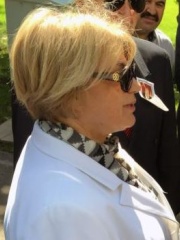
Tansu Çiller
ECONOMIST
1946 - حتى الآن
HPI: 71.07
المرتبة: 281

Ctesias
PHYSICIAN
440 BC - 400 BC
HPI: 71.06
المرتبة: 282
Seleucus II Callinicus
POLITICIAN
265 BC - 225 BC
HPI: 71.03
المرتبة: 283
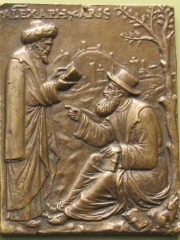
Alexander of Aphrodisias
PHILOSOPHER
200 - 215
HPI: 71.01
المرتبة: 284
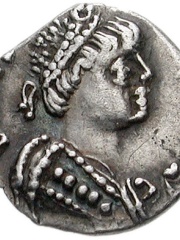
Vitiges
POLITICIAN
475 - 542
HPI: 70.97
المرتبة: 285
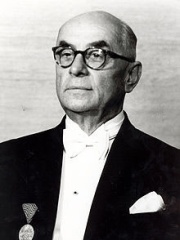
Celâl Bayar
POLITICIAN
1883 - 1986
HPI: 70.92
المرتبة: 286
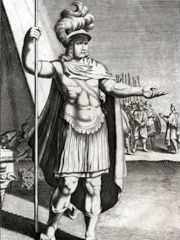
Eumenes
MILITARY PERSONNEL
362 BC - 316 BC
HPI: 70.85
المرتبة: 287
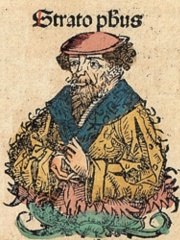
Strato of Lampsacus
PHILOSOPHER
335 BC - 269 BC
HPI: 70.83
المرتبة: 288
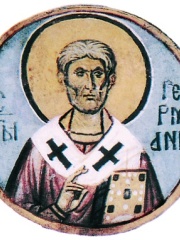
Germanus I of Constantinople
RELIGIOUS FIGURE
634 - 733
HPI: 70.82
المرتبة: 289
من بين سياسي في تركيا
من بين سياسي المولودين في تركيا، يحتل Seleucus II Callinicus المرتبة 152. قبله يأتي Theophanu (960), Adnan Menderes (1899), Phorcys (null), Anchises (null), Dardanus (null), وMichael IX Palaiologos (1277). بعده يأتي Vitiges (475), Celâl Bayar (1883), Kemal Kılıçdaroğlu (1948), John VII Palaiologos (1370), Andronikos IV Palaiologos (1348), وJulius Martov (1873).
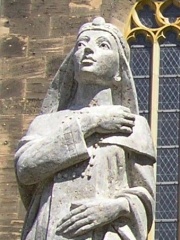
Theophanu
960 - 990
HPI: 71.58
المرتبة: 146
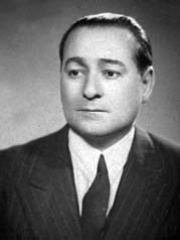
Adnan Menderes
1899 - 1961
HPI: 71.51
المرتبة: 147
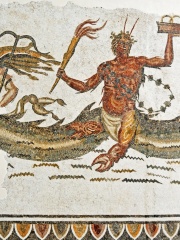
Phorcys
HPI: 71.45
المرتبة: 148
Anchises
HPI: 71.30
المرتبة: 149

Dardanus
HPI: 71.28
المرتبة: 150
Michael IX Palaiologos
1277 - 1320
HPI: 71.14
المرتبة: 151
Seleucus II Callinicus
265 BC - 225 BC
HPI: 71.03
المرتبة: 152
Vitiges
475 - 542
HPI: 70.97
المرتبة: 153
Celâl Bayar
1883 - 1986
HPI: 70.92
المرتبة: 154
Kemal Kılıçdaroğlu
1948 - حتى الآن
HPI: 70.77
المرتبة: 155
John VII Palaiologos
1370 - 1408
HPI: 70.77
المرتبة: 156
Andronikos IV Palaiologos
1348 - 1385
HPI: 70.76
المرتبة: 157
Julius Martov
1873 - 1923
HPI: 70.72
المرتبة: 158




