Politiker
Demetrius II Nicator
161 BC - 125 BC
DE.WIKIPEDIA-SEITENAUFRUFE (PV)
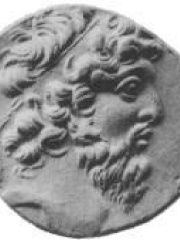
 Demetrius II Nicator
Seine Biografie ist in 37 verschiedenen Sprachen auf Wikipedia verfügbar (gestiegen von 36 im Jahr 2024). Demetrius II Nicator ist der 3,229th beliebteste Politiker (gesunken vom 2,810th im Jahr 2024), die 109th beliebteste Biografie aus Iran und der 64th beliebteste aus dem Iran Politiker.
Bekanntheitsmetriken
40k
Seitenaufrufe
Letzte 12 Monate
69.27
HPI
Historischer Popularitätsindex
Daten-Einblicke
37
Die Biografie von Demetrius II Nicator umfasst 37 Sprachversionen der Wikipedia und erreicht einen Historischen Popularitätsindex von 69.27.
Seitenaufrufe von Demetrius II Nicator nach Sprache
Unter Politiker
Unter Politiker belegt Demetrius II Nicator Rang 3,227 von 20,022. Vor ihm stehen James Callaghan, Sancho III of Pamplona, Emperor Ling of Han, Orodes II, Zhao Bing, und Princess Mafalda of Savoy. Nach ihm folgen Ernst Gideon von Laudon, Jie of Xia, Wilhelm Liebknecht, Hacı I Giray, João Manuel, Prince of Portugal, und Rashid Ali al-Gaylani.
Die beliebtesten Politiker auf Wikipedia
Zu allen Ranglisten

James Callaghan
1912 - 2005
HPI: 69.28
Rang: 3,223
Sancho III of Pamplona
990 - 1035
HPI: 69.28
Rang: 3,224

Emperor Ling of Han
156 - 189
HPI: 69.28
Rang: 3,225
Orodes II
70 BC - 38 BC
HPI: 69.28
Rang: 3,226

Zhao Bing
1271 - 1279
HPI: 69.27
Rang: 3,227
Princess Mafalda of Savoy
1902 - 1944
HPI: 69.27
Rang: 3,228
Demetrius II Nicator
161 BC - 125 BC
HPI: 69.27
Rang: 3,229

Ernst Gideon von Laudon
1717 - 1790
HPI: 69.27
Rang: 3,230
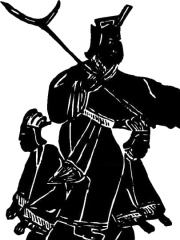
Jie of Xia
1728 BC - 1675 BC
HPI: 69.26
Rang: 3,231
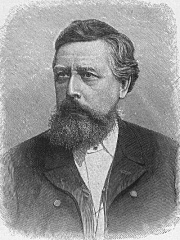
Wilhelm Liebknecht
1826 - 1900
HPI: 69.26
Rang: 3,232
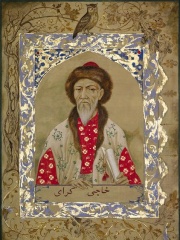
Hacı I Giray
1397 - 1466
HPI: 69.26
Rang: 3,233
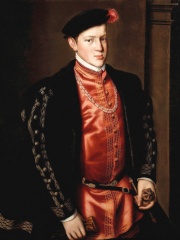
João Manuel, Prince of Portugal
1537 - 1554
HPI: 69.26
Rang: 3,234
Rashid Ali al-Gaylani
1892 - 1965
HPI: 69.25
Rang: 3,235

Zeitgenossen
Unter den im Jahr 161 BC Geborenen belegt Demetrius II Nicator Rang 2. Vor ihm steht Cleopatra III of Egypt. Unter den im Jahr 125 BC Verstorbenen belegt Demetrius II Nicator Rang 1. Nach ihm folgt Seleucus V Philometor.
Weitere im Jahr 161 BC Geborene
Zu allen Ranglisten
Cleopatra III of Egypt
POLITICIAN
161 BC - 101 BC
HPI: 76.20
Rang: 1
Demetrius II Nicator
POLITICIAN
161 BC - 125 BC
HPI: 69.27
Rang: 2
Weitere im Jahr 125 BC Verstorbene
Zu allen RanglistenDemetrius II Nicator
POLITICIAN
161 BC - 125 BC
HPI: 69.27
Rang: 1

Seleucus V Philometor
POLITICIAN
200 BC - 125 BC
HPI: 66.31
Rang: 2
In Iran
Unter den in Iran Geborenen belegt Demetrius II Nicator Rang 109 von 800. Vor ihm stehen Sinatruces of Parthia (-157), Safi of Persia (1611), Qazi Muhammad (1893), Atossa (-550), Vologases I of Parthia (1), und Orodes II (-70). Nach ihm folgen Yazdegerd II (500), Imad ad-Din al-Isfahani (1125), Ali Shariati (1933), Qasem Soleimani (1957), Ibn al-Muqaffa' (724), und Abolhassan Banisadr (1933).
Weitere in Iran geborene Personen
Zu allen Ranglisten
Sinatruces of Parthia
POLITICIAN
157 BC - 70 BC
HPI: 69.54
Rang: 103
Safi of Persia
POLITICIAN
1611 - 1642
HPI: 69.53
Rang: 104
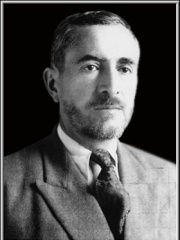
Qazi Muhammad
POLITICIAN
1893 - 1947
HPI: 69.52
Rang: 105
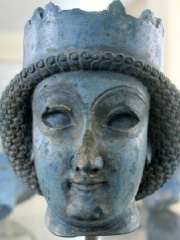
Atossa
POLITICIAN
550 BC - 475 BC
HPI: 69.51
Rang: 106
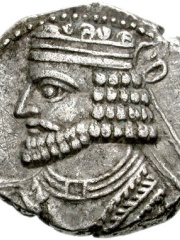
Vologases I of Parthia
POLITICIAN
1 - 78
HPI: 69.49
Rang: 107
Orodes II
POLITICIAN
70 BC - 38 BC
HPI: 69.28
Rang: 108
Demetrius II Nicator
POLITICIAN
161 BC - 125 BC
HPI: 69.27
Rang: 109
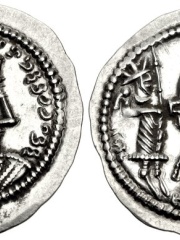
Yazdegerd II
POLITICIAN
500 - 457
HPI: 69.20
Rang: 110
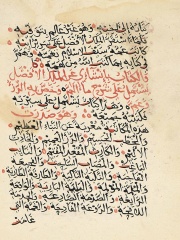
Imad ad-Din al-Isfahani
WRITER
1125 - 1201
HPI: 69.16
Rang: 111
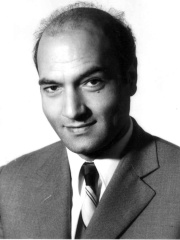
Ali Shariati
WRITER
1933 - 1977
HPI: 69.15
Rang: 112
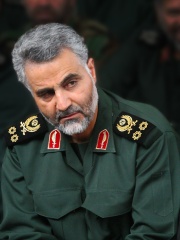
Qasem Soleimani
MILITARY PERSONNEL
1957 - 2020
HPI: 69.10
Rang: 113
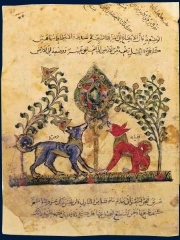
Ibn al-Muqaffa'
WRITER
724 - 756
HPI: 68.95
Rang: 114

Abolhassan Banisadr
POLITICIAN
1933 - 2021
HPI: 68.91
Rang: 115
Unter Politiker in Iran
Unter den in Iran geborenen Politiker belegt Demetrius II Nicator Rang 64. Vor ihm stehen Sinatruces of Parthia (-157), Safi of Persia (1611), Qazi Muhammad (1893), Atossa (-550), Vologases I of Parthia (1), und Orodes II (-70). Nach ihm folgen Yazdegerd II (500), Abolhassan Banisadr (1933), Mohammad Ali Shah Qajar (1872), Ebrahim Raisi (1960), Bardiya (-580), und Tahmasp II (1704).
Sinatruces of Parthia
157 BC - 70 BC
HPI: 69.54
Rang: 58
Safi of Persia
1611 - 1642
HPI: 69.53
Rang: 59
Qazi Muhammad
1893 - 1947
HPI: 69.52
Rang: 60
Atossa
550 BC - 475 BC
HPI: 69.51
Rang: 61
Vologases I of Parthia
1 - 78
HPI: 69.49
Rang: 62
Orodes II
70 BC - 38 BC
HPI: 69.28
Rang: 63
Demetrius II Nicator
161 BC - 125 BC
HPI: 69.27
Rang: 64
Yazdegerd II
500 - 457
HPI: 69.20
Rang: 65
Abolhassan Banisadr
1933 - 2021
HPI: 68.91
Rang: 66
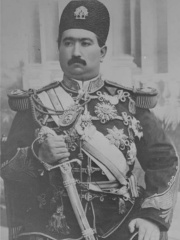
Mohammad Ali Shah Qajar
1872 - 1925
HPI: 68.84
Rang: 67
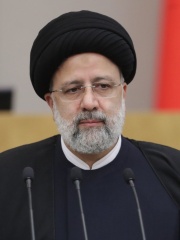
Ebrahim Raisi
1960 - 2024
HPI: 68.80
Rang: 68
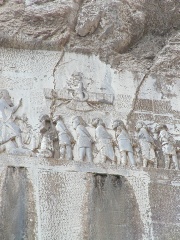
Bardiya
580 BC - 522 BC
HPI: 68.66
Rang: 69
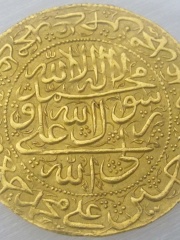
Tahmasp II
1704 - 1740
HPI: 68.66
Rang: 70




