Military Personnel
Pyrrhus of Epirus
King of Epirus
318 BC - 272 BC
EN.WIKIPEDIA PAGE VIEWS (PV)
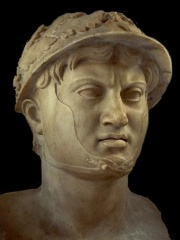
 Pyrrhus of Epirus
His biography is available in 75 different languages on Wikipedia (up from 69 in 2024). Pyrrhus of Epirus is the 40th most popular military personnel (down from 37th in 2024), the 48th most popular biography from Greece (down from 43rd in 2019) and the 6th most popular Greek Military Personnel.
Pyrrhus of Epirus is most famous for his victory over the Romans at the Battle of Asculum in 279 BC.
Memorability Metrics
630k
Page Views
Past 12 months
79.22
HPI
Historical Popularity Index
Page views of Pyrrhus of Epirus by language
Among Military Personnels
Among military personnels, Pyrrhus of Epirus ranks 40 out of 2,058. Before him are Heinz Guderian, Friedrich Paulus, Miltiades, Vercingetorix, Ratko Mladić, and Arminius. After him are Marcus Vipsanius Agrippa, Tariq ibn Ziyad, Bohdan Khmelnytsky, Guan Yu, Stonewall Jackson, and Horatio Nelson, 1st Viscount Nelson.
Most Popular Military Personnels in Wikipedia
Go to all Rankings
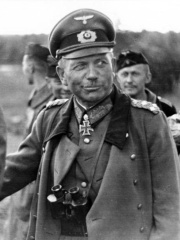
Heinz Guderian
1888 - 1954
HPI: 80.22
Rank: 34
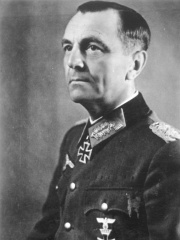
Friedrich Paulus
1890 - 1957
HPI: 80.08
Rank: 35
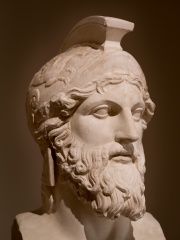
Miltiades
540 BC - 488 BC
HPI: 80.08
Rank: 36
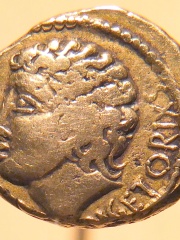
Vercingetorix
80 BC - 46 BC
HPI: 79.79
Rank: 37
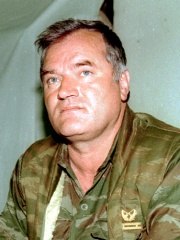
Ratko Mladić
1942 - Present
HPI: 79.73
Rank: 38
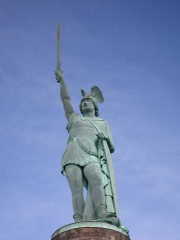
Arminius
17 BC - 21
HPI: 79.71
Rank: 39
Pyrrhus of Epirus
318 BC - 272 BC
HPI: 79.22
Rank: 40
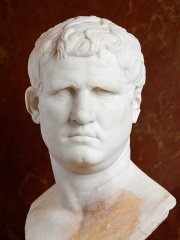
Marcus Vipsanius Agrippa
63 BC - 12 BC
HPI: 79.19
Rank: 41
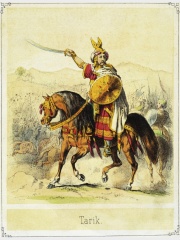
Tariq ibn Ziyad
670 - 720
HPI: 79.15
Rank: 42
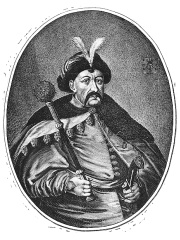
Bohdan Khmelnytsky
1595 - 1657
HPI: 78.96
Rank: 43
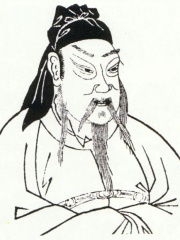
Guan Yu
162 - 220
HPI: 78.46
Rank: 44

Stonewall Jackson
1824 - 1863
HPI: 78.41
Rank: 45
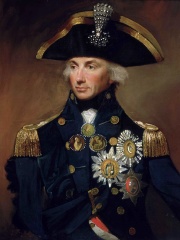
Horatio Nelson, 1st Viscount Nelson
1758 - 1805
HPI: 78.38
Rank: 46

Contemporaries
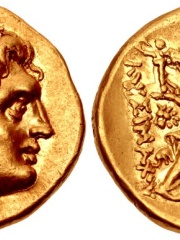
Among people born in 318 BC, Pyrrhus of Epirus ranks 1. After him is Ptolemy Keraunos. Among people deceased in 272 BC, Pyrrhus of Epirus ranks 1.
Others Born in 318 BC
Go to all RankingsPyrrhus of Epirus
MILITARY PERSONNEL
318 BC - 272 BC
HPI: 79.22
Rank: 1
Ptolemy Keraunos
POLITICIAN
318 BC - 279 BC
HPI: 73.84
Rank: 2
Others Deceased in 272 BC
Go to all RankingsIn Greece
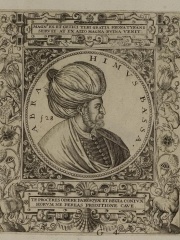
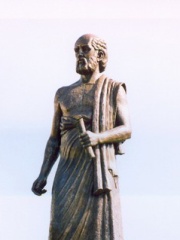
Among people born in Greece, Pyrrhus of Epirus ranks 48 out of NaN. Before him are Theophrastus (-371), Pargalı Ibrahim Pasha (1493), Miltiades (-540), Aristarchus of Samos (-311), Pope Sixtus II (215), and Alcibiades (-450). After him are Pindar (-517), Queen Sofía of Spain (1938), Apollodorus of Athens (-180), Menander (-342), Antisthenes (-445), and Praxiteles (-395).
Others born in Greece
Go to all Rankings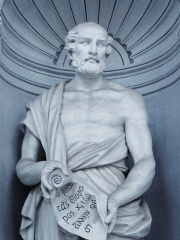
Theophrastus
PHILOSOPHER
371 BC - 287 BC
HPI: 80.19
Rank: 42
Pargalı Ibrahim Pasha
POLITICIAN
1493 - 1536
HPI: 80.17
Rank: 43
Miltiades
MILITARY PERSONNEL
540 BC - 488 BC
HPI: 80.08
Rank: 44
Aristarchus of Samos
ASTRONOMER
311 BC - 230 BC
HPI: 79.89
Rank: 45
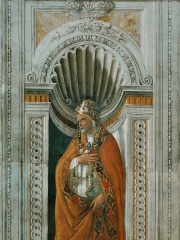
Pope Sixtus II
RELIGIOUS FIGURE
215 - 258
HPI: 79.64
Rank: 46
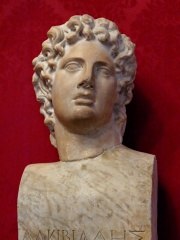
Alcibiades
POLITICIAN
450 BC - 404 BC
HPI: 79.33
Rank: 47
Pyrrhus of Epirus
MILITARY PERSONNEL
318 BC - 272 BC
HPI: 79.22
Rank: 48
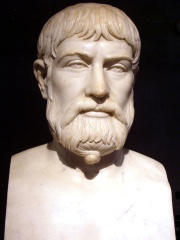
Pindar
WRITER
517 BC - 437 BC
HPI: 79.03
Rank: 49

Queen Sofía of Spain
NOBLEMAN
1938 - Present
HPI: 78.97
Rank: 50

Apollodorus of Athens
PHILOSOPHER
180 BC - 110 BC
HPI: 78.45
Rank: 51
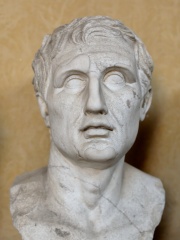
Menander
WRITER
342 BC - 291 BC
HPI: 78.37
Rank: 52
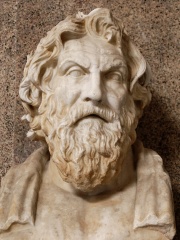
Antisthenes
PHILOSOPHER
445 BC - 365 BC
HPI: 78.34
Rank: 53
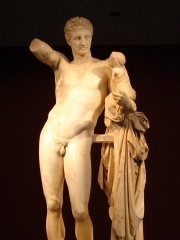
Praxiteles
SCULPTOR
395 BC - 330 BC
HPI: 78.31
Rank: 54
Among Military Personnels In Greece
Among military personnels born in Greece, Pyrrhus of Epirus ranks 6. Before him are Alexander the Great (-356), Spartacus (-109), Themistocles (-524), Ptolemy I Soter (-367), and Miltiades (-540). After him are Seleucus I Nicator (-358), Mardonius (-600), Hephaestion (-356), Cimon (-510), Pittacus of Mytilene (-650), and Desmond Doss (1919).
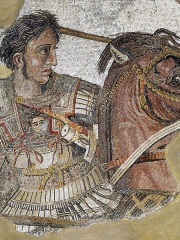
Alexander the Great
356 BC - 323 BC
HPI: 95.63
Rank: 1
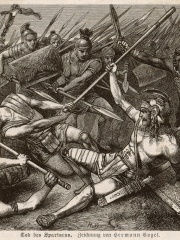
Spartacus
109 BC - 71 BC
HPI: 82.09
Rank: 2
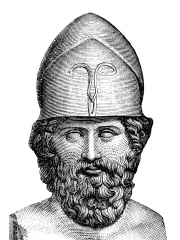
Themistocles
524 BC - 459 BC
HPI: 80.86
Rank: 3
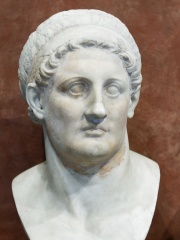
Ptolemy I Soter
367 BC - 283 BC
HPI: 80.86
Rank: 4
Miltiades
540 BC - 488 BC
HPI: 80.08
Rank: 5
Pyrrhus of Epirus
318 BC - 272 BC
HPI: 79.22
Rank: 6
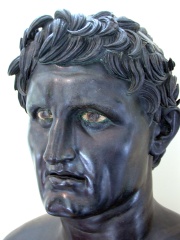
Seleucus I Nicator
358 BC - 281 BC
HPI: 77.87
Rank: 7

Mardonius
600 BC - 479 BC
HPI: 75.10
Rank: 8
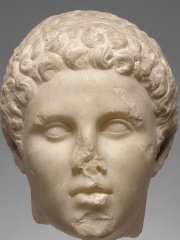
Hephaestion
356 BC - 324 BC
HPI: 74.80
Rank: 9
Cimon
510 BC - 450 BC
HPI: 74.15
Rank: 10
Pittacus of Mytilene
650 BC - 570 BC
HPI: 72.77
Rank: 11

Desmond Doss
1919 - 2006
HPI: 72.42
Rank: 12




