Politikus
Philip V of Macedon
238 BC - 179 BC
HU.WIKIPEDIA OLDALMEGTEKINTÉSEK (PV)
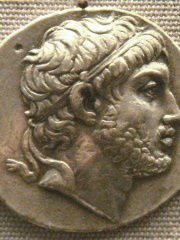
 Philip V of Macedon
Életrajza 41 különböző nyelven érhető el a Wikipédián (növekedés 40-ről 2024-ben). Philip V of Macedon a 2,272nd legnépszerűbb politikus (csökkenés a 1,750th-ről 2024-ben), a 158th legnépszerűbb életrajz Görögország országából (csökkenés a 133rd-ről 2019-ben) és a 62nd legnépszerűbb Görögországból politikus.
Ismertségi mutatók
100k
Oldalmegtekintések
Elmúlt 12 hónap
71.47
HPI
Történelmi népszerűségi index
Philip V of Macedon oldalmegtekintései nyelvenként
A(z) Politikus között
A(z) Politikus között Philip V of Macedon a(z) 2,271. helyen áll 19,576 közül. Előtte állnak: Léon Bourgeois, Moinuddin Chishti, Princess Victoria Louise of Prussia, Isma'il ibn Ahmad, Victor Emmanuel I of Sardinia, és Agathocles of Syracuse. Utána következnek: Hong Xiuquan, Hanno the Great, Ivan I of Moscow, Abd al-Karim Qasim, Bertie Ahern, és Vasily II of Moscow.
A legnépszerűbb Politikus a Wikipédián
Összes rangsor megtekintése
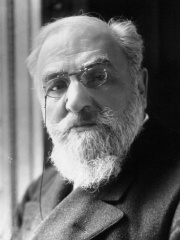
Léon Bourgeois
1851 - 1925
HPI: 71.48
Helyezés: 2,266

Moinuddin Chishti
1142 - 1236
HPI: 71.48
Helyezés: 2,267
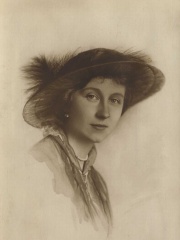
Princess Victoria Louise of Prussia
1892 - 1980
HPI: 71.47
Helyezés: 2,268
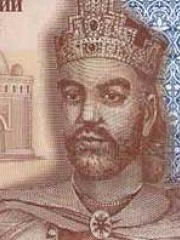
Isma'il ibn Ahmad
849 - 907
HPI: 71.47
Helyezés: 2,269
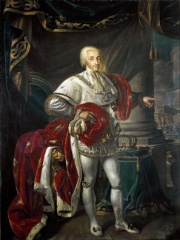
Victor Emmanuel I of Sardinia
1759 - 1824
HPI: 71.47
Helyezés: 2,270
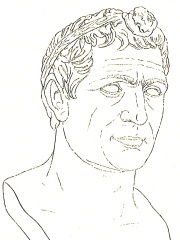
Agathocles of Syracuse
361 BC - 289 BC
HPI: 71.47
Helyezés: 2,271
Philip V of Macedon
238 BC - 179 BC
HPI: 71.47
Helyezés: 2,272
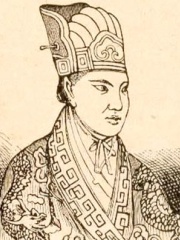
Hong Xiuquan
1814 - 1864
HPI: 71.46
Helyezés: 2,273

Hanno the Great
300 BC - 260 BC
HPI: 71.46
Helyezés: 2,274
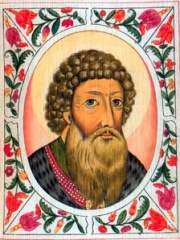
Ivan I of Moscow
1288 - 1340
HPI: 71.46
Helyezés: 2,275
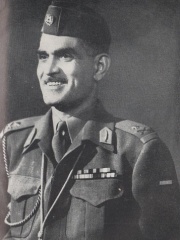
Abd al-Karim Qasim
1914 - 1963
HPI: 71.46
Helyezés: 2,276
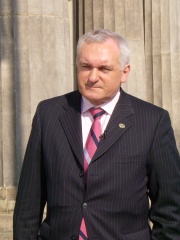
Bertie Ahern
1951 - napjainkig
HPI: 71.46
Helyezés: 2,277
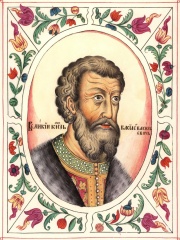
Vasily II of Moscow
1415 - 1462
HPI: 71.46
Helyezés: 2,278

Kortársak
A(z) 238 BC. évben születettek között Philip V of Macedon a(z) 2. helyen áll. Előtte áll: Masinissa. A(z) 179 BC. évben elhunytak között Philip V of Macedon a(z) 1. helyen áll.
További személyek, akik a(z) 238 BC. évben születtek
Összes rangsor megtekintése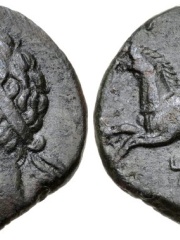
Masinissa
POLITICIAN
238 BC - 148 BC
HPI: 74.56
Helyezés: 1
Philip V of Macedon
POLITICIAN
238 BC - 179 BC
HPI: 71.47
Helyezés: 2
További személyek, akik a(z) 179 BC. évben hunytak el
Összes rangsor megtekintéseA(z) Görögország rangsorában
A(z) Görögország területén születettek között Philip V of Macedon a(z) 158. helyen áll NaN közül. Előtte állnak: Euclid of Megara (-435), Parmenion (-400), Hipparchus (-600), Georgios Papadopoulos (1919), Ioannis Kapodistrias (1776), és Ephialtes of Trachis (-550). Utána következnek: Panaetius (-185), Pausanias (null), Cleon (-450), Lysander (-401), Andronicus of Rhodes (-100), és Sophia Palaiologina (1455).
További személyek, akik Görögország területén születtek
Összes rangsor megtekintése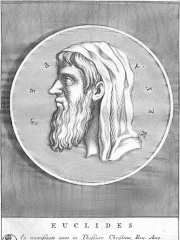
Euclid of Megara
PHILOSOPHER
435 BC - 365 BC
HPI: 71.88
Helyezés: 152
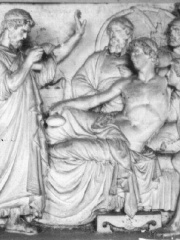
Parmenion
MILITARY PERSONNEL
400 BC - 329 BC
HPI: 71.79
Helyezés: 153
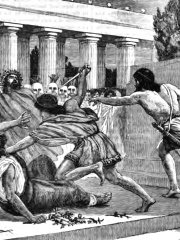
Hipparchus
POLITICIAN
600 BC - 514 BC
HPI: 71.64
Helyezés: 154
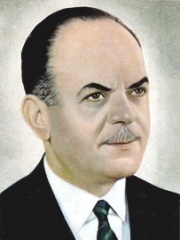
Georgios Papadopoulos
POLITICIAN
1919 - 1999
HPI: 71.63
Helyezés: 155
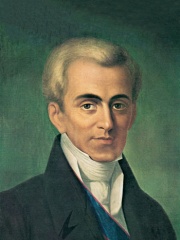
Ioannis Kapodistrias
POLITICIAN
1776 - 1831
HPI: 71.62
Helyezés: 156

Ephialtes of Trachis
POLITICIAN
550 BC - 480 BC
HPI: 71.49
Helyezés: 157
Philip V of Macedon
POLITICIAN
238 BC - 179 BC
HPI: 71.47
Helyezés: 158
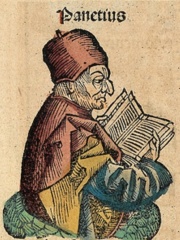
Panaetius
PHILOSOPHER
185 BC - 110 BC
HPI: 71.45
Helyezés: 159
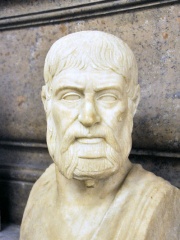
Pausanias
MILITARY PERSONNEL
HPI: 71.38
Helyezés: 160
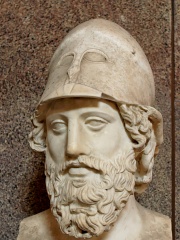
Cleon
EXTREMIST
450 BC - 422 BC
HPI: 71.34
Helyezés: 161
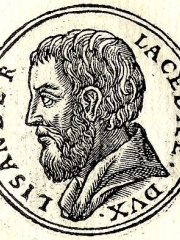
Lysander
MILITARY PERSONNEL
401 BC - 395 BC
HPI: 71.31
Helyezés: 162

Andronicus of Rhodes
PHILOSOPHER
100 BC - 60 BC
HPI: 71.28
Helyezés: 163
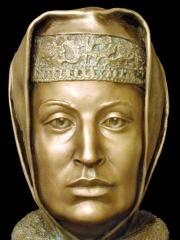
Sophia Palaiologina
POLITICIAN
1455 - 1503
HPI: 71.21
Helyezés: 164
A(z) Politikus között – Görögország
A(z) Görögország területén született Politikus között Philip V of Macedon a(z) 62. helyen áll. Előtte állnak: Nabis (-300), Antonia the Elder (-39), Hipparchus (-600), Georgios Papadopoulos (1919), Ioannis Kapodistrias (1776), és Ephialtes of Trachis (-550). Utána következnek: Sophia Palaiologina (1455), Gülnuş Sultan (1642), Caranus of Macedon (-900), Aeschines (-389), Princess Alexandra of Greece and Denmark (1870), és Antigonus II Gonatas (-319).
Nabis
300 BC - 192 BC
HPI: 72.24
Helyezés: 56
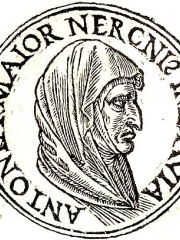
Antonia the Elder
39 BC - 32
HPI: 72.17
Helyezés: 57
Hipparchus
600 BC - 514 BC
HPI: 71.64
Helyezés: 58
Georgios Papadopoulos
1919 - 1999
HPI: 71.63
Helyezés: 59
Ioannis Kapodistrias
1776 - 1831
HPI: 71.62
Helyezés: 60
Ephialtes of Trachis
550 BC - 480 BC
HPI: 71.49
Helyezés: 61
Philip V of Macedon
238 BC - 179 BC
HPI: 71.47
Helyezés: 62
Sophia Palaiologina
1455 - 1503
HPI: 71.21
Helyezés: 63
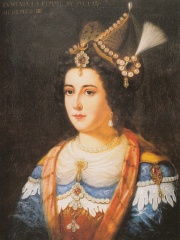
Gülnuş Sultan
1642 - 1715
HPI: 71.16
Helyezés: 64
Caranus of Macedon
900 BC - 800 BC
HPI: 71.01
Helyezés: 65
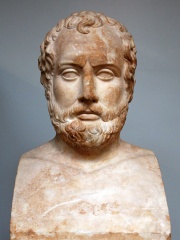
Aeschines
389 BC - 314 BC
HPI: 70.99
Helyezés: 66
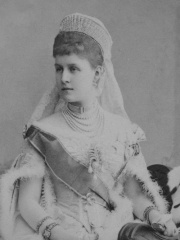
Princess Alexandra of Greece and Denmark
1870 - 1891
HPI: 70.60
Helyezés: 67
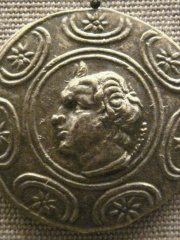
Antigonus II Gonatas
319 BC - 239 BC
HPI: 70.59
Helyezés: 68




