Político
Alejandro IV de Macedonia
323 BC - 309 BC
ES.WIKIPEDIA PAGE VIEWS (PV)
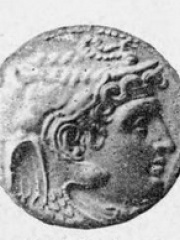
 Alejandro IV de Macedonia
Su biografía está disponible en 53 idiomas en Wikipedia (aumentó de 51 en 2024). Alejandro IV de Macedonia ocupa el puesto 800 entre los político más populares (bajó del puesto 599 en 2024), el puesto 23 entre las biografías más populares de Irak (bajó del puesto 20 en 2019) y el puesto 11 entre los político de irak más populares.
Memorability Metrics
400k
Page Views
Past 12 months
76.94
HPI
Historical Popularity Index
Page views of Alejandro IV de Macedonia by language
Among Políticos
Among políticos, Alejandro IV de Macedonia ranks 800 out of 19,576. Before him are Conrad II, Holy Roman Emperor, Alija Izetbegović, Dmitry Medvedev, Islam Karimov, Gustav IV Adolf of Sweden, and Pedro I of Brazil. After him are Ptolemy IX Lathyros, Gloria Macapagal Arroyo, Boris Godunov, Osman III, Marie of Romania, and Hostilian.
Most Popular Políticos in Wikipedia
Go to all Rankings
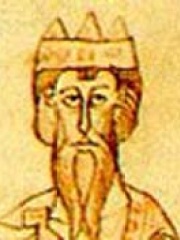
Conrad II, Holy Roman Emperor
990 - 1039
HPI: 76.98
Rank: 794
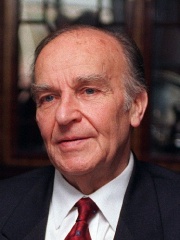
Alija Izetbegović
1925 - 2003
HPI: 76.98
Rank: 795
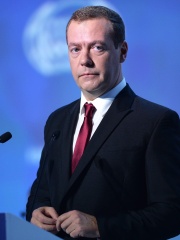
Dmitry Medvedev
1965 - Present
HPI: 76.96
Rank: 796
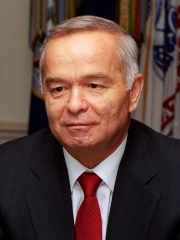
Islam Karimov
1938 - 2016
HPI: 76.96
Rank: 797
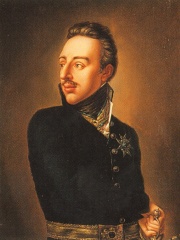
Gustav IV Adolf of Sweden
1778 - 1837
HPI: 76.96
Rank: 798
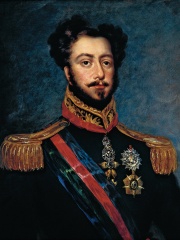
Pedro I of Brazil
1798 - 1834
HPI: 76.94
Rank: 799
Alexander IV of Macedon
323 BC - 309 BC
HPI: 76.94
Rank: 800
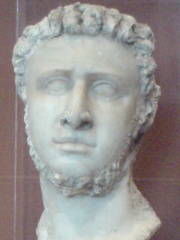
Ptolemy IX Lathyros
142 BC - 80 BC
HPI: 76.93
Rank: 801
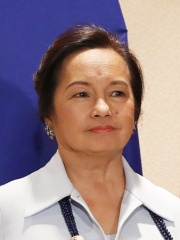
Gloria Macapagal Arroyo
1947 - Present
HPI: 76.92
Rank: 802
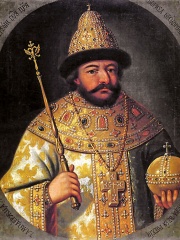
Boris Godunov
1552 - 1605
HPI: 76.92
Rank: 803
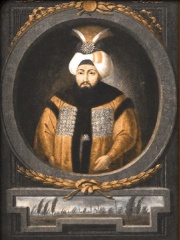
Osman III
1699 - 1757
HPI: 76.91
Rank: 804
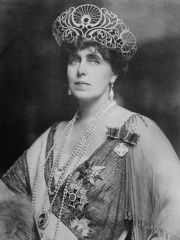
Marie of Romania
1875 - 1938
HPI: 76.91
Rank: 805
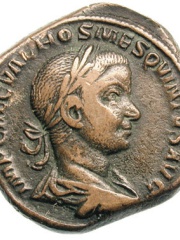
Hostilian
230 - 251
HPI: 76.90
Rank: 806

Contemporaries
Among people born in 323 BC, Alejandro IV de Macedonia ranks 1. Among people deceased in 309 BC, Alejandro IV de Macedonia ranks 1. After him are Barsine, Heracles of Macedon, and Cleomenes II.
Others Born in 323 BC
Go to all RankingsOthers Deceased in 309 BC
Go to all RankingsAlexander IV of Macedon
POLITICIAN
323 BC - 309 BC
HPI: 76.94
Rank: 1
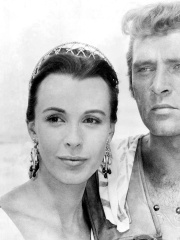
Barsine
POLITICIAN
363 BC - 309 BC
HPI: 70.37
Rank: 2

Heracles of Macedon
POLITICIAN
327 BC - 309 BC
HPI: 67.36
Rank: 3

Cleomenes II
POLITICIAN
350 BC - 309 BC
HPI: 62.01
Rank: 4
In Irak
Among people born in Irak, Alejandro IV de Macedonia ranks 23 out of NaN. Before him are Mani (216), Nur ad-Din (1116), Ahmad ibn Hanbal (780), Ezra (-500), Nebuchadnezzar I (-1200), and Al-Ma'mun (786). After him are Muhammad al-Mahdi (869), Sennacherib (-740), Sargon II (-750), Khosrow II (570), Faisal II of Iraq (1935), and Belshazzar (-600).
Others born in Irak
Go to all Rankings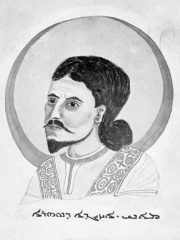
Mani
RELIGIOUS FIGURE
216 - 274
HPI: 78.43
Rank: 17
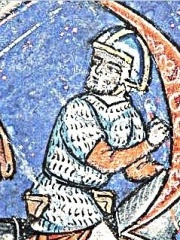
Nur ad-Din
POLITICIAN
1116 - 1174
HPI: 78.41
Rank: 18
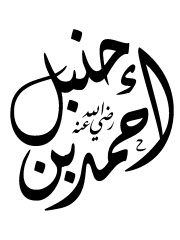
Ahmad ibn Hanbal
WRITER
780 - 855
HPI: 78.16
Rank: 19
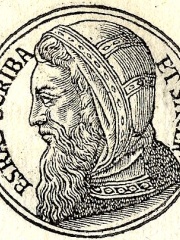
Ezra
RELIGIOUS FIGURE
500 BC - 401 BC
HPI: 77.65
Rank: 20
Nebuchadnezzar I
POLITICIAN
1200 BC - 1104 BC
HPI: 77.32
Rank: 21
Al-Ma'mun
POLITICIAN
786 - 833
HPI: 77.32
Rank: 22
Alexander IV of Macedon
POLITICIAN
323 BC - 309 BC
HPI: 76.94
Rank: 23
Muhammad al-Mahdi
RELIGIOUS FIGURE
869 - 941
HPI: 76.87
Rank: 24
Sennacherib
POLITICIAN
740 BC - 681 BC
HPI: 76.66
Rank: 25
Sargon II
POLITICIAN
750 BC - 705 BC
HPI: 76.14
Rank: 26
Khosrow II
POLITICIAN
570 - 628
HPI: 75.86
Rank: 27
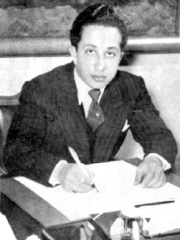
Faisal II of Iraq
POLITICIAN
1935 - 1958
HPI: 75.71
Rank: 28
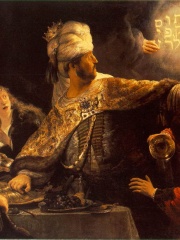
Belshazzar
RELIGIOUS FIGURE
600 BC - 600 BC
HPI: 75.54
Rank: 29
Among Políticos In Irak
Among políticos born in Irak, Alejandro IV de Macedonia ranks 11. Before him are Möngke Khan (1209), Ashurbanipal (-685), Sargon of Akkad (-2300), Nur ad-Din (1116), Nebuchadnezzar I (-1200), and Al-Ma'mun (786). After him are Sennacherib (-740), Sargon II (-750), Khosrow II (570), Faisal II of Iraq (1935), Jalal Talabani (1933), and Šuppiluliuma I (-1344).
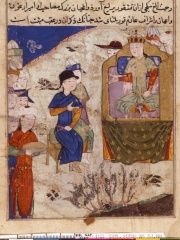
Möngke Khan
1209 - 1259
HPI: 82.42
Rank: 5
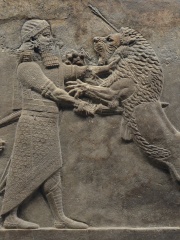
Ashurbanipal
685 BC - 627 BC
HPI: 80.19
Rank: 6
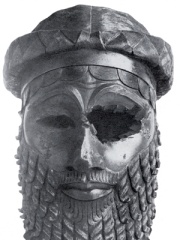
Sargon of Akkad
2300 BC - 2215 BC
HPI: 78.68
Rank: 7
Nur ad-Din
1116 - 1174
HPI: 78.41
Rank: 8
Nebuchadnezzar I
1200 BC - 1104 BC
HPI: 77.32
Rank: 9
Al-Ma'mun
786 - 833
HPI: 77.32
Rank: 10
Alexander IV of Macedon
323 BC - 309 BC
HPI: 76.94
Rank: 11
Sennacherib
740 BC - 681 BC
HPI: 76.66
Rank: 12
Sargon II
750 BC - 705 BC
HPI: 76.14
Rank: 13
Khosrow II
570 - 628
HPI: 75.86
Rank: 14
Faisal II of Iraq
1935 - 1958
HPI: 75.71
Rank: 15
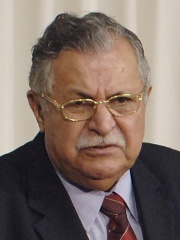
Jalal Talabani
1933 - 2017
HPI: 74.91
Rank: 16
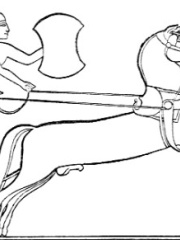
Šuppiluliuma I
1344 BC - 1321 BC
HPI: 74.57
Rank: 17




