Figura religiosa
Papa Leão XIV
1955 - presente
VISUALIZAÇÕES EM PT.WIKIPEDIA (PV)
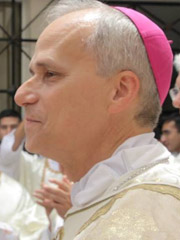

 Papa Leão XIV
Sua biografia está disponível em 143 idiomas na Wikipédia (aumento em relação a 78 em 2024). Papa Leão XIV é o 14º figura religiosa mais popular (subiu do 3082º em 2024), a 10ª biografia mais popular dos Estados Unidos (subiu do 20269ª em 2019) e o figura religiosa mais popular dos Estados Unidos.
Métricas de memorabilidade
10M
Visualizações
Últimos 12 meses
89.52
HPI
Índice de Popularidade Histórica
Destaques dos dados
#10 / 23k
Papa Leão XIV ocupa a posição nº 10 entre as 23,232 pessoas do Pantheon nascidas em Estados Unidos, entre os 1% melhores do grupo.
+120k
Papa Leão XIV subiu 118,437 posições no ranking global de HPI do Pantheon, da posição nº 118,564 para a nº 127.
143
A biografia de Papa Leão XIV aparece em 143 edições de idiomas da Wikipédia, mais do que 99% de todos os Figura religiosa.
Visualizações da página de Papa Leão XIV por idioma
Entre Figura religiosa
Entre Figura religiosa, Papa Leão XIV ocupa a posição 14 de 3,189. Antes dele vêm Martin Luther, Pope John Paul II, Paul the Apostle, Saint Joseph, Abraham, e Pope John Paul I. Depois dele vêm Solomon, Ali, Andrew the Apostle, Abu Bakr, John the Baptist, e Tutankhamun.
Figura religiosa mais populares na Wikipédia
Ver todas as classificações
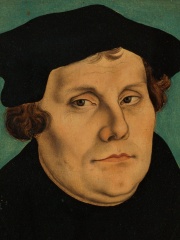
Martin Luther
1483 - 1546
HPI: 92.77
Posição: 8
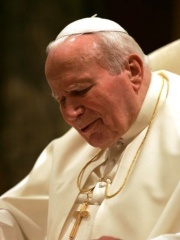
Pope John Paul II
1920 - 2005
HPI: 92.56
Posição: 9
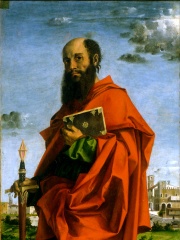
Paul the Apostle
5 - 66
HPI: 91.31
Posição: 10
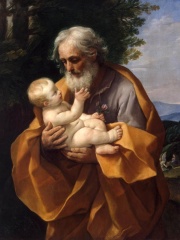
Saint Joseph
18 a.C. - 33
HPI: 90.76
Posição: 11

Abraham
1813 a.C. - 1638 a.C.
HPI: 89.99
Posição: 12
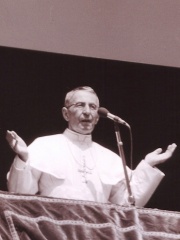
Pope John Paul I
1912 - 1978
HPI: 89.80
Posição: 13
Pope Leo XIV
1955 - presente
HPI: 89.52
Posição: 14
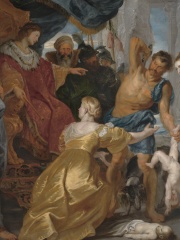
Solomon
1011 a.C. - 931 a.C.
HPI: 89.40
Posição: 15
Ali
601 - 661
HPI: 89.31
Posição: 16
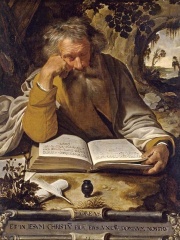
Andrew the Apostle
6 a.C. - 70
HPI: 89.10
Posição: 17
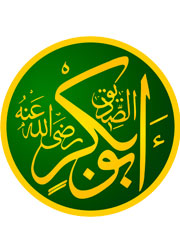
Abu Bakr
573 - 634
HPI: 89.08
Posição: 18
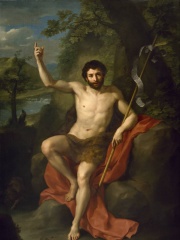
John the Baptist
20 a.C. - 31
HPI: 89.07
Posição: 19
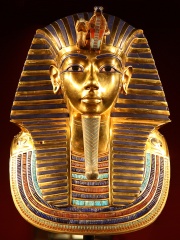
Tutankhamun
1341 a.C. - 1323 a.C.
HPI: 88.82
Posição: 20

Contemporâneos
Entre as pessoas nascidas em 1955, Papa Leão XIV ocupa a posição 1. Depois dele vêm Steve Jobs, Bill Gates, Bruce Willis, Nicolas Sarkozy, Alain Prost, Friedrich Merz, Michel Platini, Kevin Costner, Rowan Atkinson, Pietro Parolin, e Bill Paxton.
Outras pessoas nascidas em 1955
Ver todas as classificaçõesPope Leo XIV
RELIGIOUS FIGURE
1955 - presente
HPI: 89.52
Posição: 1
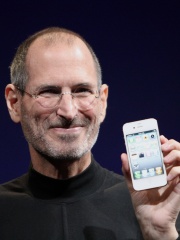
Steve Jobs
DESIGNER
1955 - 2011
HPI: 88.84
Posição: 2
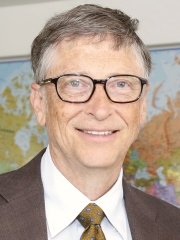
Bill Gates
BUSINESSPERSON
1955 - presente
HPI: 82.58
Posição: 3

Bruce Willis
ACTOR
1955 - presente
HPI: 80.48
Posição: 4
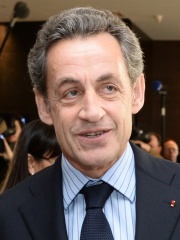
Nicolas Sarkozy
POLITICIAN
1955 - presente
HPI: 79.57
Posição: 5
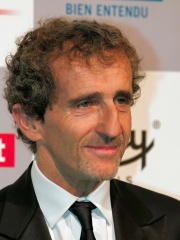
Alain Prost
RACING DRIVER
1955 - presente
HPI: 78.82
Posição: 6

Friedrich Merz
POLITICIAN
1955 - presente
HPI: 78.54
Posição: 7

Michel Platini
SOCCER PLAYER
1955 - presente
HPI: 78.26
Posição: 8
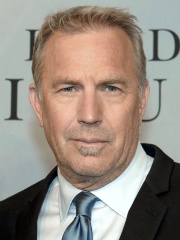
Kevin Costner
ACTOR
1955 - presente
HPI: 77.79
Posição: 9
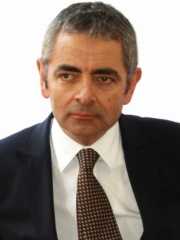
Rowan Atkinson
ACTOR
1955 - presente
HPI: 77.56
Posição: 10
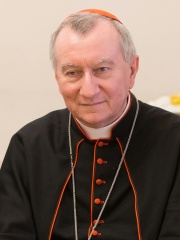
Pietro Parolin
RELIGIOUS FIGURE
1955 - presente
HPI: 76.84
Posição: 11
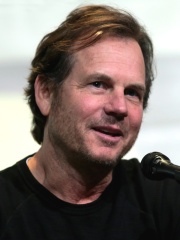
Bill Paxton
ACTOR
1955 - 2017
HPI: 76.24
Posição: 12
Em Estados Unidos
Entre as pessoas nascidas em Estados Unidos, Papa Leão XIV ocupa a posição 10 de 23,232. Antes dele vêm Martin Luther King Jr. (1929), Thomas Edison (1847), J. Robert Oppenheimer (1904), Muhammad Ali (1942), Andrew Jackson (1767), e Edgar Allan Poe (1809). Depois dele vêm William McKinley (1843), Al Pacino (1940), Sylvester Stallone (1946), Clint Eastwood (1930), Ulysses S. Grant (1822), e Martin Van Buren (1782).
Outras pessoas nascidas em Estados Unidos
Ver todas as classificações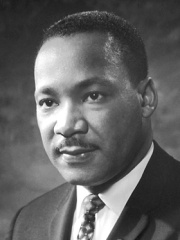
Martin Luther King Jr.
SOCIAL ACTIVIST
1929 - 1968
HPI: 92.49
Posição: 4
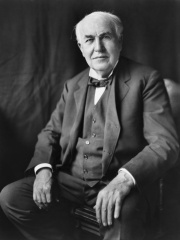
Thomas Edison
INVENTOR
1847 - 1931
HPI: 91.65
Posição: 5
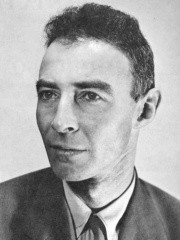
J. Robert Oppenheimer
PHYSICIST
1904 - 1967
HPI: 90.85
Posição: 6
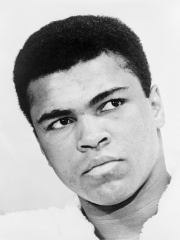
Muhammad Ali
BOXER
1942 - 2016
HPI: 90.72
Posição: 7
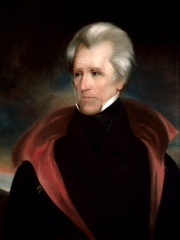
Andrew Jackson
POLITICIAN
1767 - 1845
HPI: 90.45
Posição: 8
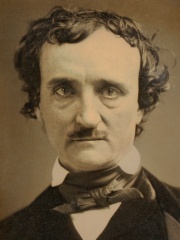
Edgar Allan Poe
WRITER
1809 - 1849
HPI: 90.35
Posição: 9
Pope Leo XIV
RELIGIOUS FIGURE
1955 - presente
HPI: 89.52
Posição: 10
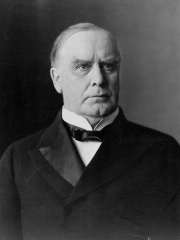
William McKinley
POLITICIAN
1843 - 1901
HPI: 89.29
Posição: 11
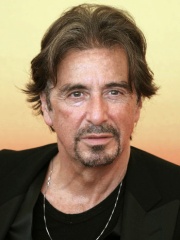
Al Pacino
ACTOR
1940 - presente
HPI: 89.27
Posição: 12
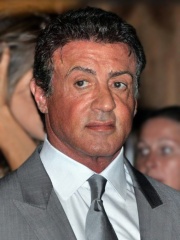
Sylvester Stallone
ACTOR
1946 - presente
HPI: 89.20
Posição: 13
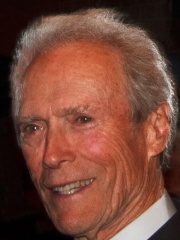
Clint Eastwood
ACTOR
1930 - presente
HPI: 89.20
Posição: 14
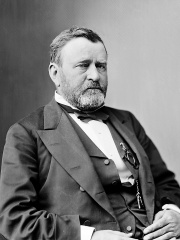
Ulysses S. Grant
POLITICIAN
1822 - 1885
HPI: 89.19
Posição: 15
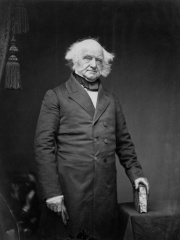
Martin Van Buren
POLITICIAN
1782 - 1862
HPI: 88.89
Posição: 16
Entre Figura religiosa em Estados Unidos
Entre Figura religiosa nascidos em Estados Unidos, Papa Leão XIV ocupa a posição 1. Depois dele vêm Joseph Smith (1805), Brigham Young (1801), Charles Taze Russell (1852), Billy Graham (1918), Henry Molaison (1926), Kateri Tekakwitha (1656), Theodore Edgar McCarrick (1930), John Mott (1865), Timothy Dolan (1950), Raymond Leo Burke (1948), e William Miller (1782).
Pope Leo XIV
1955 - presente
HPI: 89.52
Posição: 1
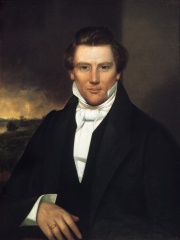
Joseph Smith
1805 - 1844
HPI: 85.34
Posição: 2
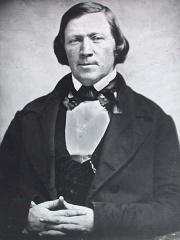
Brigham Young
1801 - 1877
HPI: 81.74
Posição: 3
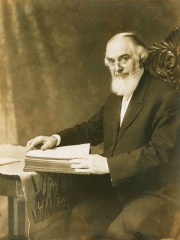
Charles Taze Russell
1852 - 1916
HPI: 76.57
Posição: 4
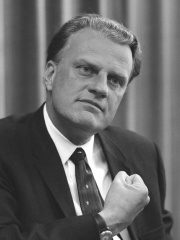
Billy Graham
1918 - 2018
HPI: 71.62
Posição: 5
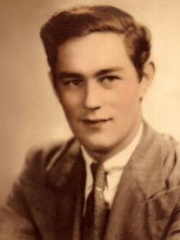
Henry Molaison
1926 - 2008
HPI: 71.53
Posição: 6
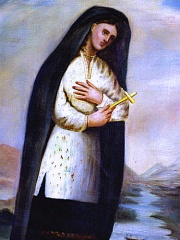
Kateri Tekakwitha
1656 - 1680
HPI: 71.48
Posição: 7
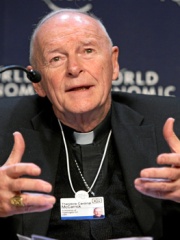
Theodore Edgar McCarrick
1930 - 2025
HPI: 70.39
Posição: 8
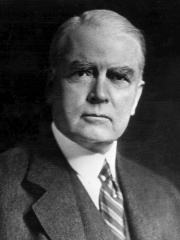
John Mott
1865 - 1955
HPI: 70.17
Posição: 9
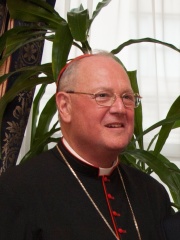
Timothy Dolan
1950 - presente
HPI: 68.12
Posição: 10
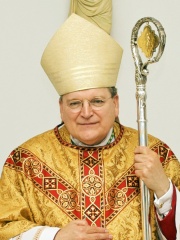
Raymond Leo Burke
1948 - presente
HPI: 67.47
Posição: 11
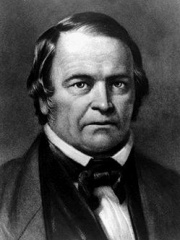
William Miller
1782 - 1849
HPI: 67.28
Posição: 12




