Político
Nicolas Sarkozy
1955 - presente
VISUALIZAÇÕES EM PT.WIKIPEDIA (PV)
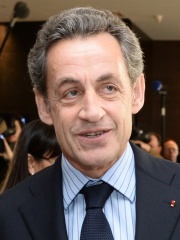

 Nicolas Sarkozy
Sua biografia está disponível em 151 idiomas na Wikipédia (aumento em relação a 147 em 2024). Nicolas Sarkozy é o 458º político mais popular (subiu do 487º em 2024), a 171ª biografia mais popular da França (subiu do 205ª em 2019) e o 43º político mais popular da França.
Métricas de memorabilidade
3.9M
Visualizações
Últimos 12 meses
79.57
HPI
Índice de Popularidade Histórica
Destaques dos dados
Visualizações da página de Nicolas Sarkozy por idioma
Entre Político
Entre Político, Nicolas Sarkozy ocupa a posição 458 de 20,022. Antes dele vêm Porus, Mars, Mahidevran, Muhammad Zia-ul-Haq, Radovan Karadžić, e Ibn Saud. Depois dele vêm Henry VII of England, Pertinax, Alfred the Great, Willy Brandt, Toghon Temür, e Nawaz Sharif.
Político mais populares na Wikipédia
Ver todas as classificações
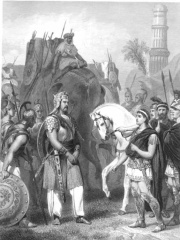
Porus
400 BC - 316 BC
HPI: 79.63
Posição: 452
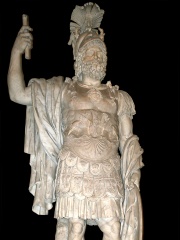
Mars
HPI: 79.62
Posição: 453
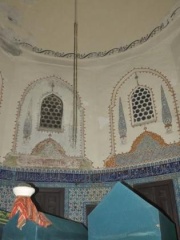
Mahidevran
1500 - 1581
HPI: 79.62
Posição: 454
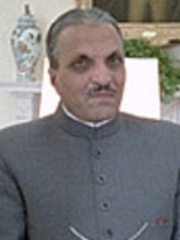
Muhammad Zia-ul-Haq
1924 - 1988
HPI: 79.61
Posição: 455
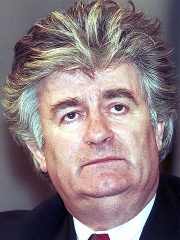
Radovan Karadžić
1945 - presente
HPI: 79.59
Posição: 456
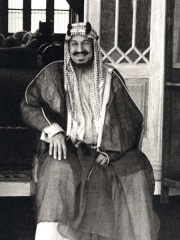
Ibn Saud
1875 - 1953
HPI: 79.58
Posição: 457
Nicolas Sarkozy
1955 - presente
HPI: 79.57
Posição: 458
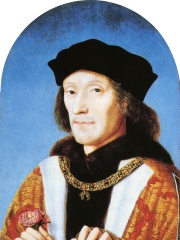
Henry VII of England
1457 - 1509
HPI: 79.55
Posição: 459
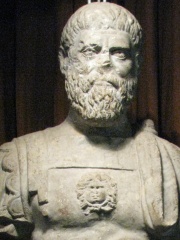
Pertinax
126 - 193
HPI: 79.52
Posição: 460
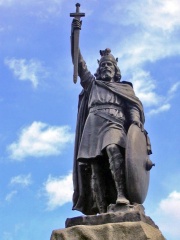
Alfred the Great
849 - 899
HPI: 79.51
Posição: 461
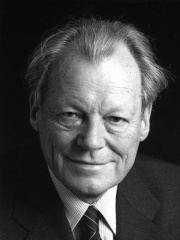
Willy Brandt
1913 - 1992
HPI: 79.49
Posição: 462
Toghon Temür
1320 - 1370
HPI: 79.46
Posição: 463
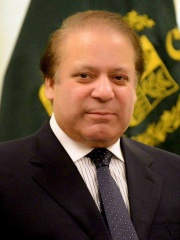
Nawaz Sharif
1949 - presente
HPI: 79.46
Posição: 464

Contemporâneos
Entre as pessoas nascidas em 1955, Nicolas Sarkozy ocupa a posição 5. Antes dele vêm Pope Leo XIV, Steve Jobs, Bill Gates, e Bruce Willis. Depois dele vêm Alain Prost, Friedrich Merz, Michel Platini, Kevin Costner, Rowan Atkinson, Pietro Parolin, e Bill Paxton.
Outras pessoas nascidas em 1955
Ver todas as classificações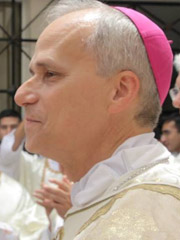
Pope Leo XIV
RELIGIOUS FIGURE
1955 - presente
HPI: 89.52
Posição: 1
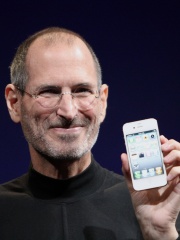
Steve Jobs
DESIGNER
1955 - 2011
HPI: 88.84
Posição: 2
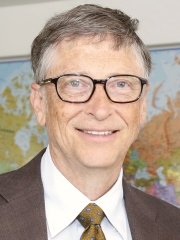
Bill Gates
BUSINESSPERSON
1955 - presente
HPI: 82.58
Posição: 3

Bruce Willis
ACTOR
1955 - presente
HPI: 80.48
Posição: 4
Nicolas Sarkozy
POLITICIAN
1955 - presente
HPI: 79.57
Posição: 5
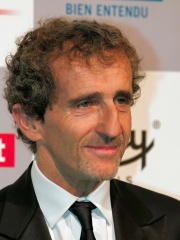
Alain Prost
RACING DRIVER
1955 - presente
HPI: 78.82
Posição: 6
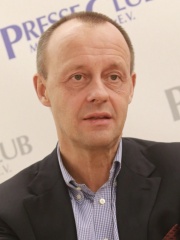
Friedrich Merz
POLITICIAN
1955 - presente
HPI: 78.54
Posição: 7

Michel Platini
SOCCER PLAYER
1955 - presente
HPI: 78.26
Posição: 8
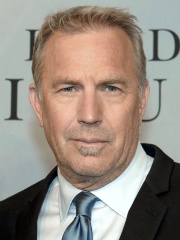
Kevin Costner
ACTOR
1955 - presente
HPI: 77.79
Posição: 9
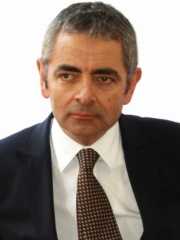
Rowan Atkinson
ACTOR
1955 - presente
HPI: 77.56
Posição: 10
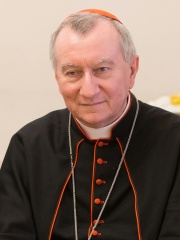
Pietro Parolin
RELIGIOUS FIGURE
1955 - presente
HPI: 76.84
Posição: 11
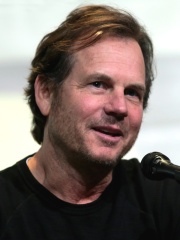
Bill Paxton
ACTOR
1955 - 2017
HPI: 76.24
Posição: 12
Em França
Entre as pessoas nascidas em França, Nicolas Sarkozy ocupa a posição 171 de 7,658. Antes dele vêm Godfrey of Bouillon (1060), Jean-Antoine Watteau (1684), Pope Martin IV (1220), François Viète (1540), Margaret of Valois (1553), e Thérèse of Lisieux (1873). Depois dele vêm Henrietta Maria of France (1609), Bernadette Soubirous (1844), Louis Daguerre (1787), Saint Sebastian (300), Catherine Deneuve (1943), e Madame du Barry (1743).
Outras pessoas nascidas em França
Ver todas as classificações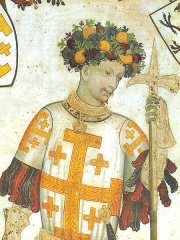
Godfrey of Bouillon
POLITICIAN
1060 - 1100
HPI: 79.79
Posição: 165
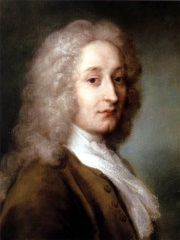
Jean-Antoine Watteau
PAINTER
1684 - 1721
HPI: 79.77
Posição: 166
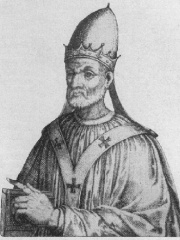
Pope Martin IV
RELIGIOUS FIGURE
1220 - 1285
HPI: 79.75
Posição: 167
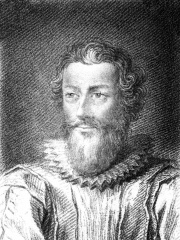
François Viète
MATHEMATICIAN
1540 - 1603
HPI: 79.70
Posição: 168
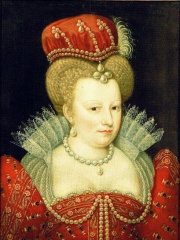
Margaret of Valois
NOBLEMAN
1553 - 1615
HPI: 79.67
Posição: 169
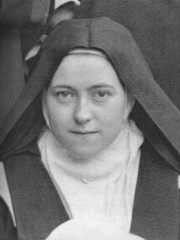
Thérèse of Lisieux
RELIGIOUS FIGURE
1873 - 1897
HPI: 79.67
Posição: 170
Nicolas Sarkozy
POLITICIAN
1955 - presente
HPI: 79.57
Posição: 171
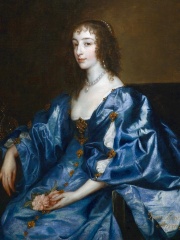
Henrietta Maria of France
COMPANION
1609 - 1669
HPI: 79.54
Posição: 172
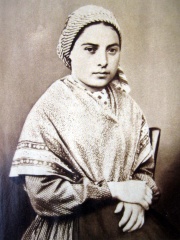
Bernadette Soubirous
RELIGIOUS FIGURE
1844 - 1879
HPI: 79.51
Posição: 173
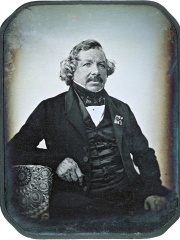
Louis Daguerre
INVENTOR
1787 - 1851
HPI: 79.44
Posição: 174
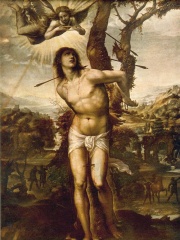
Saint Sebastian
RELIGIOUS FIGURE
300 - 287
HPI: 79.42
Posição: 175
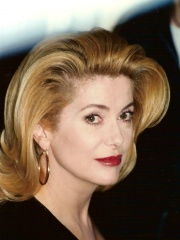
Catherine Deneuve
ACTOR
1943 - presente
HPI: 79.35
Posição: 176
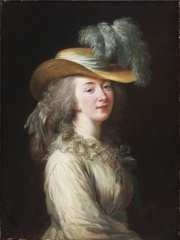
Madame du Barry
COMPANION
1743 - 1793
HPI: 79.29
Posição: 177
Entre Político em França
Entre Político nascidos em França, Nicolas Sarkozy ocupa a posição 43. Antes dele vêm Charles VIII of France (1470), Francis II of France (1544), Charles VI of France (1368), Charles V of France (1338), Georges Pompidou (1911), e Godfrey of Bouillon (1060). Depois dele vêm Philip V of Spain (1683), Joachim Murat (1767), Geoffrey Plantagenet, Count of Anjou (1113), Guy of Lusignan (1150), Louis VIII of France (1187), e Georges Danton (1759).
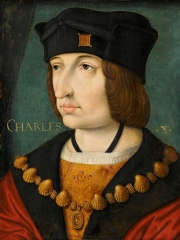
Charles VIII of France
1470 - 1498
HPI: 80.03
Posição: 37
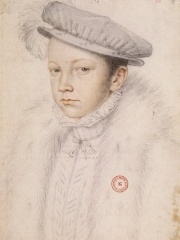
Francis II of France
1544 - 1560
HPI: 79.96
Posição: 38
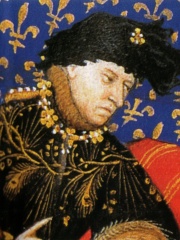
Charles VI of France
1368 - 1422
HPI: 79.92
Posição: 39
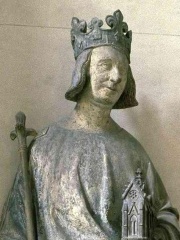
Charles V of France
1338 - 1380
HPI: 79.90
Posição: 40
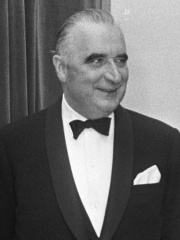
Georges Pompidou
1911 - 1974
HPI: 79.83
Posição: 41
Godfrey of Bouillon
1060 - 1100
HPI: 79.79
Posição: 42
Nicolas Sarkozy
1955 - presente
HPI: 79.57
Posição: 43
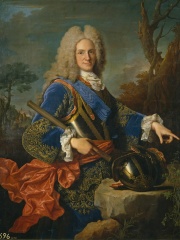
Philip V of Spain
1683 - 1746
HPI: 79.26
Posição: 44
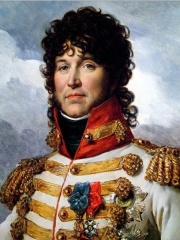
Joachim Murat
1767 - 1815
HPI: 79.24
Posição: 45
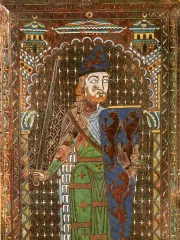
Geoffrey Plantagenet, Count of Anjou
1113 - 1151
HPI: 79.23
Posição: 46
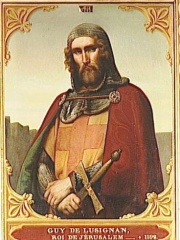
Guy of Lusignan
1150 - 1194
HPI: 79.22
Posição: 47
Louis VIII of France
1187 - 1226
HPI: 79.13
Posição: 48
Georges Danton
1759 - 1794
HPI: 79.12
Posição: 49




