Postać religijna
Marcin Luter
1483 - 1546
WYŚWIETLENIA PL.WIKIPEDIA (PV)
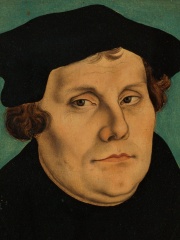
 Marcin Luter
Jego biografia jest dostępna w 187 różnych językach w Wikipedii (wzrost z 179 w 2024 roku). Marcin Luter jest 8. najpopularniejszym postać religijna (spadek z 6. w 2024 roku), 5. najpopularniejszą biografią Niemcy oraz 2. najpopularniejszym postać religijna Niemcy.
Wskaźniki rozpoznawalności
3.6M
Wyświetlenia strony
Ostatnie 12 miesięcy
92.77
HPI
Indeks historycznej popularności
Ciekawostki z danych
#5 / 8,184
Marcin Luter zajmuje 5. miejsce wśród 8,184 postaci w Pantheonie urodzonych w kraju Niemcy, w najlepszych 1% tej grupy.
187
Biografia postaci Marcin Luter występuje w 187 wersjach językowych Wikipedii, w większej liczbie niż u 99% wszystkich Postać religijna.
#46
Około 480 lat po śmierci Marcin Luter wciąż zajmuje 46. miejsce wśród wszystkich postaci w Pantheonie.
Wyświetlenia strony Marcin Luter według języka
Wśród przedstawicieli zawodu Postać religijna
Wśród przedstawicieli zawodu „Postać religijna” Marcin Luter zajmuje 8. miejsce na 3,189. Przed nim są Pope Francis, Mary, mother of Jesus, Saint Peter, Jesus, Pope Benedict XVI, i Moses. Po nim są Pope John Paul II, Paul the Apostle, Saint Joseph, Abraham, Pope John Paul I, i Pope Leo XIV.
Najpopularniejsi w Wikipedii: Postać religijna
Zobacz wszystkie rankingi
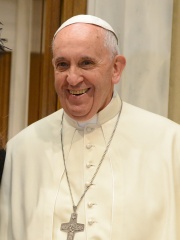
Pope Francis
1936 - 2025
HPI: 97.04
Miejsce: 2
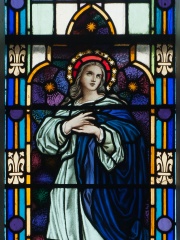
Mary, mother of Jesus
18 BC - 33
HPI: 96.94
Miejsce: 3
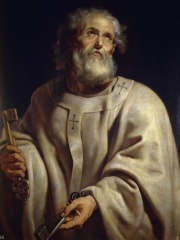
Saint Peter
1 BC - 67
HPI: 95.46
Miejsce: 4
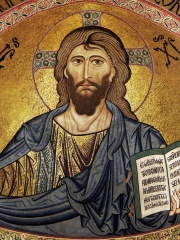
Jesus
4 BC - 33
HPI: 94.24
Miejsce: 5
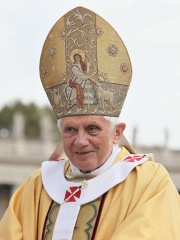
Pope Benedict XVI
1927 - 2022
HPI: 93.90
Miejsce: 6
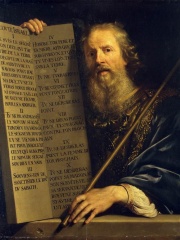
Moses
1393 BC - 1273 BC
HPI: 93.26
Miejsce: 7
Martin Luther
1483 - 1546
HPI: 92.77
Miejsce: 8
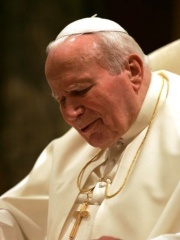
Pope John Paul II
1920 - 2005
HPI: 92.56
Miejsce: 9
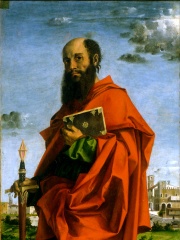
Paul the Apostle
5 - 66
HPI: 91.31
Miejsce: 10
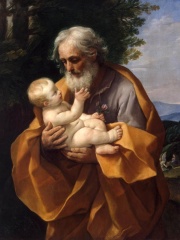
Saint Joseph
18 BC - 33
HPI: 90.76
Miejsce: 11
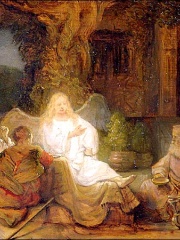
Abraham
1813 BC - 1638 BC
HPI: 89.99
Miejsce: 12
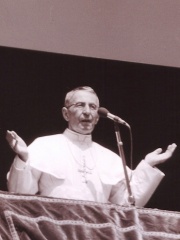
Pope John Paul I
1912 - 1978
HPI: 89.80
Miejsce: 13
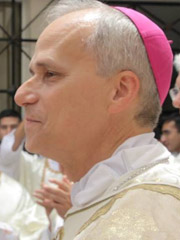
Pope Leo XIV
1955 - obecnie
HPI: 89.52
Miejsce: 14

Współcześni
Wśród osób urodzonych w 1483 roku Marcin Luter zajmuje 1. miejsce. Po nim są Raphael, Babur, Francesco Guicciardini, Francisco de Vitoria, Ayas Mehmed Pasha, Paolo Giovio, Ridolfo Ghirlandaio, Felice della Rovere, Gasparo Contarini, Jaime, Duke of Braganza, i Simon Bening. Wśród osób zmarłych w 1546 roku Marcin Luter zajmuje 1. miejsce. Po nim są Hayreddin Barbarossa, Francisco de Orellana, Giulio Romano, Meera, Francisco de Vitoria, Antonio da Sangallo the Younger, Ernest I, Duke of Brunswick-Lüneburg, Marinus van Reymerswaele, Étienne Dolet, Petru Rareș, i Isabella di Morra.
Inne osoby urodzone w 1483 roku
Zobacz wszystkie rankingiMartin Luther
RELIGIOUS FIGURE
1483 - 1546
HPI: 92.77
Miejsce: 1
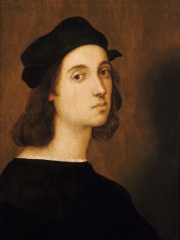
Raphael
PAINTER
1483 - 1520
HPI: 90.99
Miejsce: 2
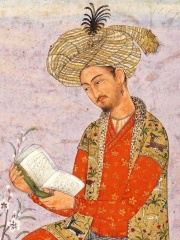
Babur
POLITICIAN
1483 - 1530
HPI: 81.60
Miejsce: 3
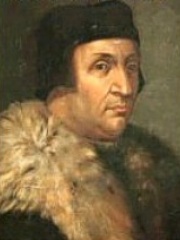
Francesco Guicciardini
HISTORIAN
1483 - 1540
HPI: 70.74
Miejsce: 4
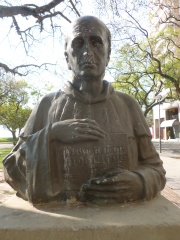
Francisco de Vitoria
PHILOSOPHER
1483 - 1546
HPI: 69.04
Miejsce: 5
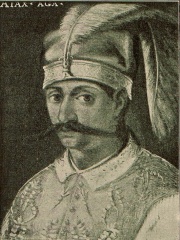
Ayas Mehmed Pasha
POLITICIAN
1483 - 1539
HPI: 68.36
Miejsce: 6
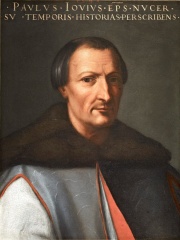
Paolo Giovio
RELIGIOUS FIGURE
1483 - 1552
HPI: 66.09
Miejsce: 7
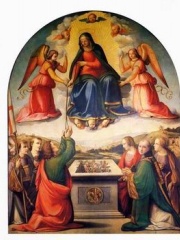
Ridolfo Ghirlandaio
PAINTER
1483 - 1561
HPI: 64.51
Miejsce: 8
Felice della Rovere
RELIGIOUS FIGURE
1483 - 1536
HPI: 63.16
Miejsce: 9
Gasparo Contarini
WRITER
1483 - 1542
HPI: 60.68
Miejsce: 10
Jaime, Duke of Braganza
POLITICIAN
1483 - 1532
HPI: 60.00
Miejsce: 11
Simon Bening
PAINTER
1483 - 1561
HPI: 57.10
Miejsce: 12
Inne osoby zmarłe w 1546 roku
Zobacz wszystkie rankingiMartin Luther
RELIGIOUS FIGURE
1483 - 1546
HPI: 92.77
Miejsce: 1
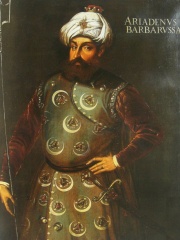
Hayreddin Barbarossa
PIRATE
1478 - 1546
HPI: 81.62
Miejsce: 2
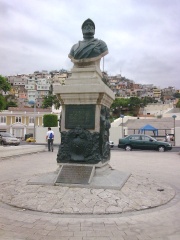
Francisco de Orellana
EXPLORER
1511 - 1546
HPI: 73.93
Miejsce: 3
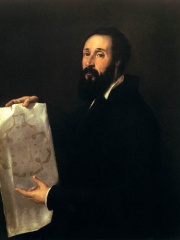
Giulio Romano
PAINTER
1499 - 1546
HPI: 72.84
Miejsce: 4

Meera
WRITER
1498 - 1546
HPI: 71.21
Miejsce: 5
Francisco de Vitoria
PHILOSOPHER
1483 - 1546
HPI: 69.04
Miejsce: 6
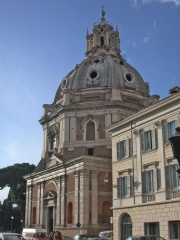
Antonio da Sangallo the Younger
ARCHITECT
1484 - 1546
HPI: 68.48
Miejsce: 7
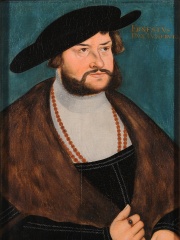
Ernest I, Duke of Brunswick-Lüneburg
NOBLEMAN
1497 - 1546
HPI: 68.10
Miejsce: 8
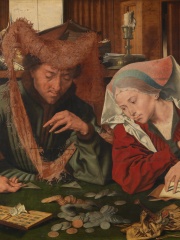
Marinus van Reymerswaele
PAINTER
1490 - 1546
HPI: 62.40
Miejsce: 9
Étienne Dolet
WRITER
1509 - 1546
HPI: 62.39
Miejsce: 10
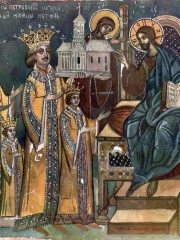
Petru Rareș
POLITICIAN
1487 - 1546
HPI: 62.39
Miejsce: 11
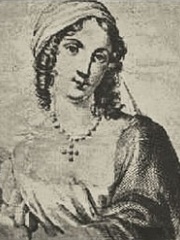
Isabella di Morra
WRITER
1520 - 1546
HPI: 59.37
Miejsce: 12
W kraju Niemcy
Wśród osób urodzonych w kraju Niemcy Marcin Luter zajmuje 5. miejsce na 8,184. Przed nim są Ludwig van Beethoven (1770), Albert Einstein (1879), Pope Benedict XVI (1927), i Johann Sebastian Bach (1685). Po nim są Karl Marx (1818), Gottfried Wilhelm Leibniz (1646), Carl Friedrich Gauss (1777), Johann Wolfgang von Goethe (1749), Johannes Gutenberg (1394), Friedrich Nietzsche (1844), i Charlemagne (748).
Inne osoby urodzone w kraju Niemcy
Zobacz wszystkie rankingi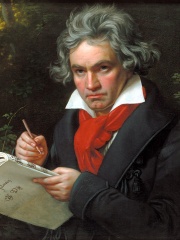
Ludwig van Beethoven
COMPOSER
1770 - 1827
HPI: 96.89
Miejsce: 1
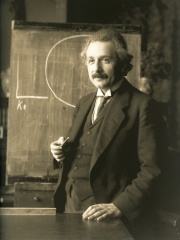
Albert Einstein
PHYSICIST
1879 - 1955
HPI: 94.83
Miejsce: 2
Pope Benedict XVI
RELIGIOUS FIGURE
1927 - 2022
HPI: 93.90
Miejsce: 3
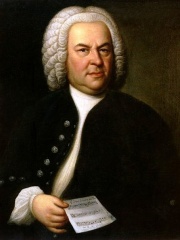
Johann Sebastian Bach
COMPOSER
1685 - 1750
HPI: 92.78
Miejsce: 4
Martin Luther
RELIGIOUS FIGURE
1483 - 1546
HPI: 92.77
Miejsce: 5
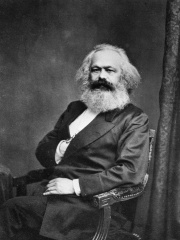
Karl Marx
ECONOMIST
1818 - 1883
HPI: 92.24
Miejsce: 6
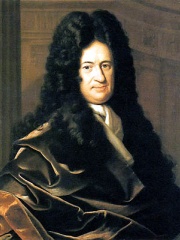
Gottfried Wilhelm Leibniz
MATHEMATICIAN
1646 - 1716
HPI: 92.00
Miejsce: 7
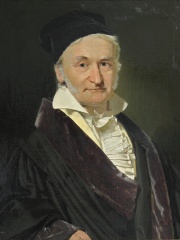
Carl Friedrich Gauss
MATHEMATICIAN
1777 - 1855
HPI: 91.44
Miejsce: 8
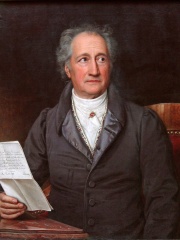
Johann Wolfgang von Goethe
WRITER
1749 - 1832
HPI: 90.96
Miejsce: 9
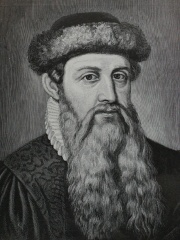
Johannes Gutenberg
INVENTOR
1394 - 1468
HPI: 90.58
Miejsce: 10
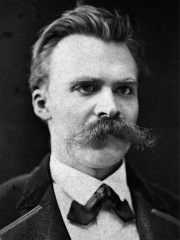
Friedrich Nietzsche
PHILOSOPHER
1844 - 1900
HPI: 90.17
Miejsce: 11
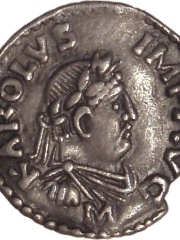
Charlemagne
POLITICIAN
748 - 814
HPI: 89.85
Miejsce: 12
Wśród przedstawicieli zawodu Postać religijna w kraju Niemcy
Wśród przedstawicieli zawodu „Postać religijna” urodzonych w kraju Niemcy Marcin Luter zajmuje 2. miejsce. Przed nim jest Pope Benedict XVI (1927). Po nim są Hildegard of Bingen (1098), Ambrose (340), Albertus Magnus (1206), Pope Joan (null), Pope Damasus II (1000), Philip Melanchthon (1497), Pope Clement II (1005), Pope Victor II (1018), Thomas à Kempis (1380), i Bruno of Cologne (1030).
Pope Benedict XVI
1927 - 2022
HPI: 93.90
Miejsce: 1
Martin Luther
1483 - 1546
HPI: 92.77
Miejsce: 2
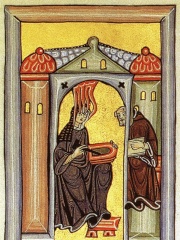
Hildegard of Bingen
1098 - 1179
HPI: 83.03
Miejsce: 3
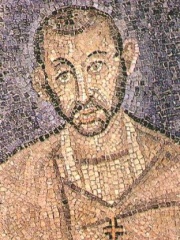
Ambrose
340 - 397
HPI: 81.26
Miejsce: 4
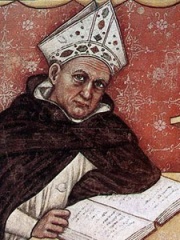
Albertus Magnus
1206 - 1280
HPI: 81.25
Miejsce: 5

Pope Joan
HPI: 80.19
Miejsce: 6
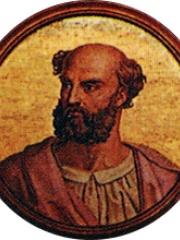
Pope Damasus II
1000 - 1048
HPI: 80.13
Miejsce: 7
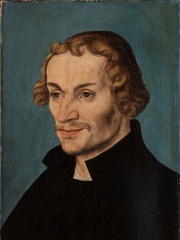
Philip Melanchthon
1497 - 1560
HPI: 79.75
Miejsce: 8
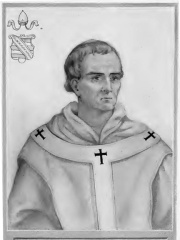
Pope Clement II
1005 - 1047
HPI: 79.38
Miejsce: 9
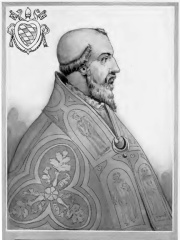
Pope Victor II
1018 - 1057
HPI: 73.88
Miejsce: 10
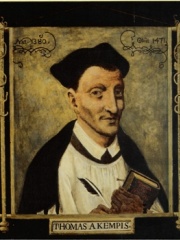
Thomas à Kempis
1380 - 1471
HPI: 73.86
Miejsce: 11
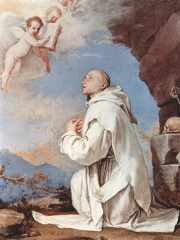
Bruno of Cologne
1030 - 1101
HPI: 72.10
Miejsce: 12




