Religieuze figuur
Pierbattista Pizzaballa
1965 - heden
NL.WIKIPEDIA PAGE VIEWS (PV)
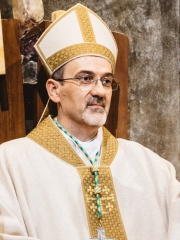
 Pierbattista Pizzaballa
Zijn biografie is beschikbaar in 34 verschillende talen op Wikipedia (toegenomen van 20 in 2024). Pierbattista Pizzaballa staat op plaats 1.135 onder de meest populaire religieuze figuur (gestegen van plaats 2.336 in 2024), plaats 1.524 onder de meest populaire biografieën uit Italië (gestegen van plaats 3.228 in 2019) en op plaats 338 onder de populairste religieuze figuur uit Italië.
Memorability Metrics
320k
Page Views
Past 12 months
65.85
HPI
Historical Popularity Index
Page views of Pierbattista Pizzaballa by language
Among Religieuze figuurs
Among religieuze figuurs, Pierbattista Pizzaballa ranks 1,135 out of 3,187. Before him are Sabellius, Hilarion, Jerzy Popiełuszko, Lars Levi Laestadius, Ibn Sa'd, and Mariam Baouardy. After him are Anthony Mary Claret, Jānis Pujats, Parshvanatha, Johann Eck, Ram, and Gregorio Pietro Agagianian.
Most Popular Religieuze Figuurs in Wikipedia
Go to all Rankings

Sabellius
200 - 300
HPI: 65.88
Rank: 1,129
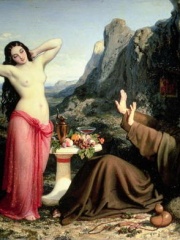
Hilarion
291 - 372
HPI: 65.87
Rank: 1,130
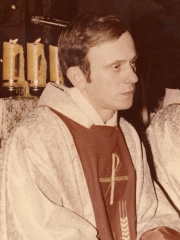
Jerzy Popiełuszko
1947 - 1984
HPI: 65.87
Rank: 1,131
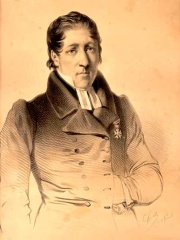
Lars Levi Laestadius
1800 - 1861
HPI: 65.86
Rank: 1,132

Ibn Sa'd
784 - 845
HPI: 65.86
Rank: 1,133
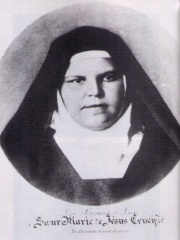
Mariam Baouardy
1846 - 1878
HPI: 65.86
Rank: 1,134
Pierbattista Pizzaballa
1965 - Present
HPI: 65.85
Rank: 1,135
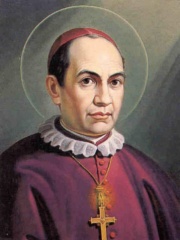
Anthony Mary Claret
1807 - 1870
HPI: 65.84
Rank: 1,136
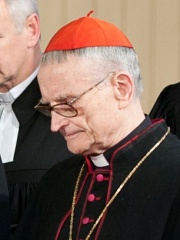
Jānis Pujats
1930 - Present
HPI: 65.83
Rank: 1,137
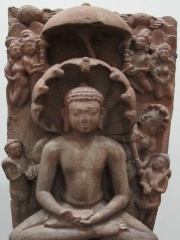
Parshvanatha
872 BC - 772 BC
HPI: 65.82
Rank: 1,138
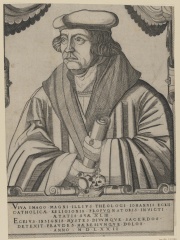
Johann Eck
1486 - 1543
HPI: 65.81
Rank: 1,139

Ram
HPI: 65.81
Rank: 1,140
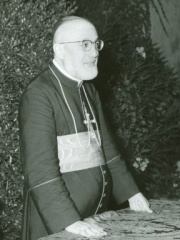
Gregorio Pietro Agagianian
1895 - 1971
HPI: 65.80
Rank: 1,141

Contemporaries
Among people born in 1965, Pierbattista Pizzaballa ranks 43. Before him are Connie Nielsen, Viola Davis, Ryan Murphy, Kevin James, Mohammed Deif, and Infanta Cristina of Spain. After him are Shamil Basayev, Stefano Pioli, Diane Lane, Hailemariam Desalegn, Princess Alexia of Greece and Denmark, and Jürgen Kohler.
Others Born in 1965
Go to all Rankings
Connie Nielsen
ACTOR
1965 - Present
HPI: 66.55
Rank: 37

Viola Davis
ACTOR
1965 - Present
HPI: 66.39
Rank: 38
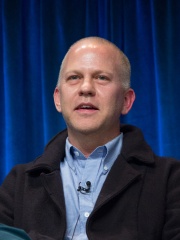
Ryan Murphy
FILM DIRECTOR
1965 - Present
HPI: 66.20
Rank: 39
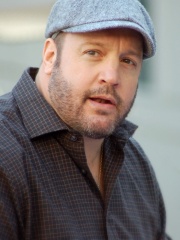
Kevin James
ACTOR
1965 - Present
HPI: 66.15
Rank: 40

Mohammed Deif
EXTREMIST
1965 - 2024
HPI: 66.12
Rank: 41
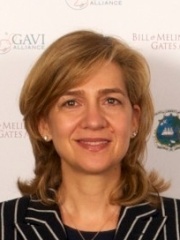
Infanta Cristina of Spain
POLITICIAN
1965 - Present
HPI: 65.96
Rank: 42
Pierbattista Pizzaballa
RELIGIOUS FIGURE
1965 - Present
HPI: 65.85
Rank: 43
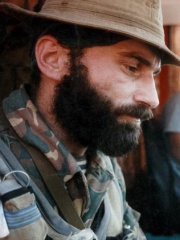
Shamil Basayev
EXTREMIST
1965 - 2006
HPI: 65.83
Rank: 44
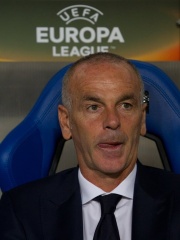
Stefano Pioli
COACH
1965 - Present
HPI: 65.50
Rank: 45
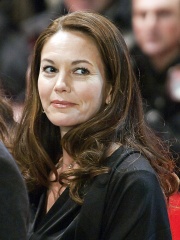
Diane Lane
ACTOR
1965 - Present
HPI: 65.49
Rank: 46
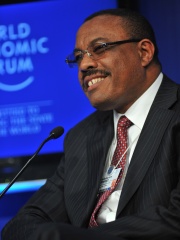
Hailemariam Desalegn
POLITICIAN
1965 - Present
HPI: 65.42
Rank: 47
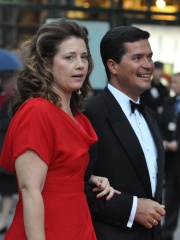
Princess Alexia of Greece and Denmark
POLITICIAN
1965 - Present
HPI: 65.41
Rank: 48
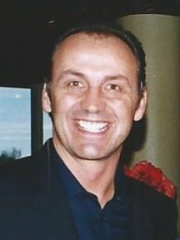
Jürgen Kohler
SOCCER PLAYER
1965 - Present
HPI: 65.06
Rank: 49
In Italië
Among people born in Italië, Pierbattista Pizzaballa ranks 1,524 out of NaN. Before him are Valentina Visconti, Duchess of Orléans (1371), Francesco di Giorgio Martini (1439), Lucio Fulci (1927), Alesso Baldovinetti (1425), Bernardino Ramazzini (1633), and Louis I of Naples (1320). After him are Giles of Rome (1243), Prince Louis, Count of Trani (1838), Princess Carolina of Parma (1770), Stefano di Giovanni (1392), Bruno Pontecorvo (1913), and Marco Materazzi (1973).
Others born in Italië
Go to all Rankings
Valentina Visconti, Duchess of Orléans
POLITICIAN
1371 - 1408
HPI: 65.88
Rank: 1,518
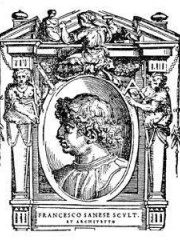
Francesco di Giorgio Martini
ARCHITECT
1439 - 1502
HPI: 65.88
Rank: 1,519
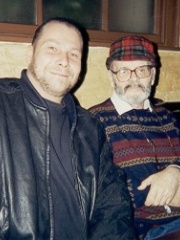
Lucio Fulci
FILM DIRECTOR
1927 - 1996
HPI: 65.88
Rank: 1,520
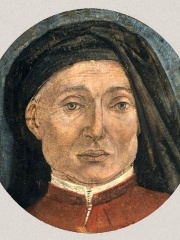
Alesso Baldovinetti
PAINTER
1425 - 1499
HPI: 65.86
Rank: 1,521
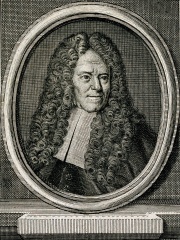
Bernardino Ramazzini
PHYSICIAN
1633 - 1714
HPI: 65.86
Rank: 1,522
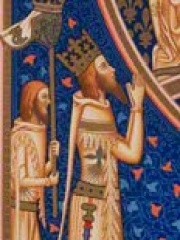
Louis I of Naples
POLITICIAN
1320 - 1362
HPI: 65.85
Rank: 1,523
Pierbattista Pizzaballa
RELIGIOUS FIGURE
1965 - Present
HPI: 65.85
Rank: 1,524
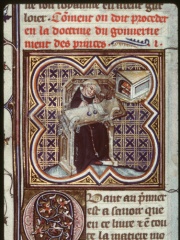
Giles of Rome
PHILOSOPHER
1243 - 1316
HPI: 65.84
Rank: 1,525
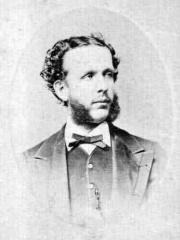
Prince Louis, Count of Trani
NOBLEMAN
1838 - 1886
HPI: 65.84
Rank: 1,526
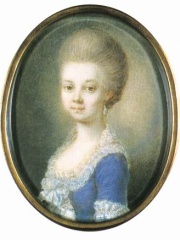
Princess Carolina of Parma
NOBLEMAN
1770 - 1804
HPI: 65.84
Rank: 1,527
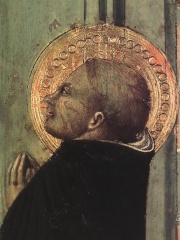
Stefano di Giovanni
PAINTER
1392 - 1450
HPI: 65.83
Rank: 1,528
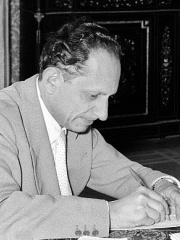
Bruno Pontecorvo
PHYSICIST
1913 - 1993
HPI: 65.83
Rank: 1,529
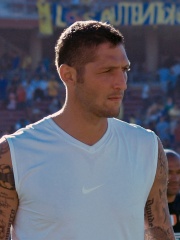
Marco Materazzi
SOCCER PLAYER
1973 - Present
HPI: 65.82
Rank: 1,530
Among Religieuze figuurs In Italië
Among religieuze figuurs born in Italië, Pierbattista Pizzaballa ranks 338. Before him are Paolo Giovio (1483), Fausto Sozzini (1539), Lucifer of Cagliari (201), Gabriel of Our Lady of Sorrows (1838), Beniamino Stella (1941), and Gianna Beretta Molla (1922). After him are Henry Benedict Stuart (1725), Felix of Cantalice (1515), Catherine of Ricci (1522), Antipope Honorius II (1010), Nicholas of Tolentino (1245), and Giovanni Lajolo (1935).
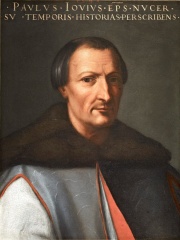
Paolo Giovio
1483 - 1552
HPI: 66.09
Rank: 332
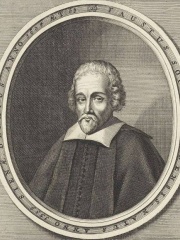
Fausto Sozzini
1539 - 1604
HPI: 66.01
Rank: 333
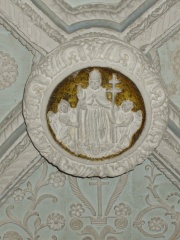
Lucifer of Cagliari
201 - 371
HPI: 65.98
Rank: 334
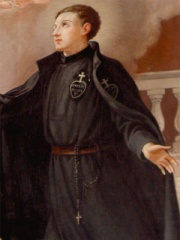
Gabriel of Our Lady of Sorrows
1838 - 1862
HPI: 65.94
Rank: 335
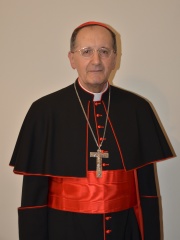
Beniamino Stella
1941 - Present
HPI: 65.93
Rank: 336
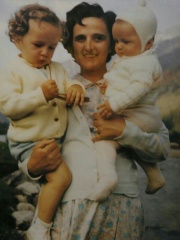
Gianna Beretta Molla
1922 - 1962
HPI: 65.91
Rank: 337
Pierbattista Pizzaballa
1965 - Present
HPI: 65.85
Rank: 338
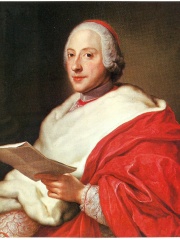
Henry Benedict Stuart
1725 - 1807
HPI: 65.79
Rank: 339
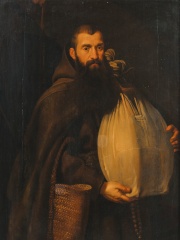
Felix of Cantalice
1515 - 1587
HPI: 65.76
Rank: 340
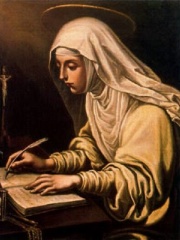
Catherine of Ricci
1522 - 1590
HPI: 65.68
Rank: 341

Antipope Honorius II
1010 - 1072
HPI: 65.67
Rank: 342
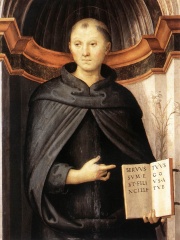
Nicholas of Tolentino
1245 - 1305
HPI: 65.58
Rank: 343
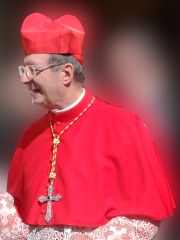
Giovanni Lajolo
1935 - Present
HPI: 65.56
Rank: 344




