政治家
穆罕默德·齐亚·哈克
1924 - 1988
ZH.WIKIPEDIA 页面浏览量 (PV)
 穆罕默德·齐亚·哈克
知名度指标
630k
页面浏览量
过去12个月
79.61
HPI
历史知名度指数
数据洞察
穆罕默德·齐亚·哈克的各语言页面浏览量
在政治家中
在政治家中,穆罕默德·齐亚·哈克排名第455位(共20,022人)。 排在他之前的有:Lapu-Lapu, Stepan Bandera, Edward I of England, Porus, Mars, 和Mahidevran. 排在他之后的有:Radovan Karadžić, Ibn Saud, Nicolas Sarkozy, Henry VII of England, Pertinax, 和Alfred the Great.
维基百科上最受欢迎的政治家
查看全部排名

Lapu-Lapu
1491 - 1542
HPI: 79.66
排名: 449
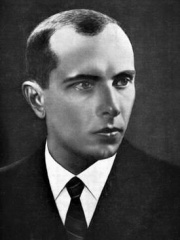
Stepan Bandera
1909 - 1959
HPI: 79.65
排名: 450
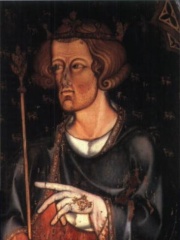
Edward I of England
1239 - 1307
HPI: 79.64
排名: 451
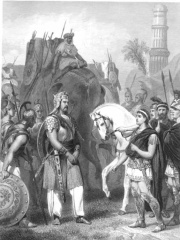
Porus
公元前400 - 公元前316
HPI: 79.63
排名: 452
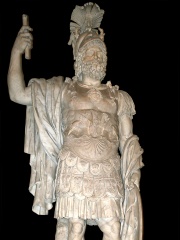
Mars
HPI: 79.62
排名: 453
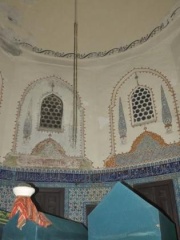
Mahidevran
1500 - 1581
HPI: 79.62
排名: 454
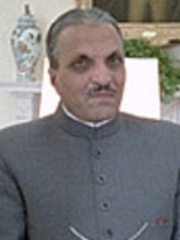
Muhammad Zia-ul-Haq
1924 - 1988
HPI: 79.61
排名: 455
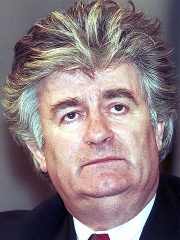
Radovan Karadžić
1945 - 至今
HPI: 79.59
排名: 456
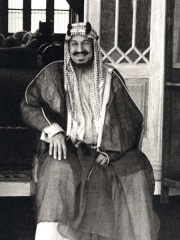
Ibn Saud
1875 - 1953
HPI: 79.58
排名: 457
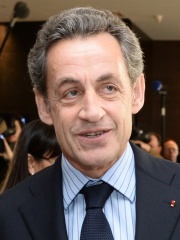
Nicolas Sarkozy
1955 - 至今
HPI: 79.57
排名: 458
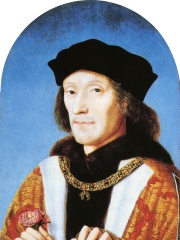
Henry VII of England
1457 - 1509
HPI: 79.55
排名: 459
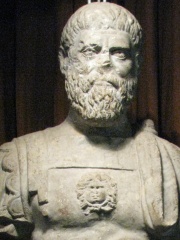
Pertinax
126 - 193
HPI: 79.52
排名: 460
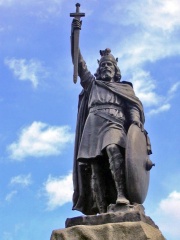
Alfred the Great
849 - 899
HPI: 79.51
排名: 461

同时代人物
在1924年出生的人中,穆罕默德·齐亚·哈克排名第6位。 排在他之前的有:Jimmy Carter, Marlon Brando, George H. W. Bush, Charles Aznavour, 和Marcello Mastroianni. 排在他之后的有:Abdullah of Saudi Arabia, Kim Dae-jung, Truman Capote, Robert Mugabe, Allan MacLeod Cormack, 和Eli Cohen. 在1988年去世的人中,穆罕默德·齐亚·哈克排名第2位。 排在他之前的有:Enzo Ferrari. 排在他之后的有:Georgy Malenkov, Richard Feynman, Luis Walter Alvarez, Nico, John Holmes, Bacha Khan, Ernst Ruska, Valery Legasov, Nikolaas Tinbergen, 和Kurt Georg Kiesinger.
其他1924年出生的人
查看全部排名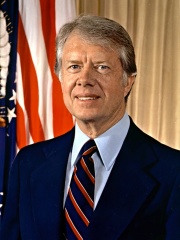
Jimmy Carter
POLITICIAN
1924 - 2024
HPI: 93.90
排名: 1
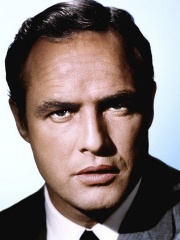
Marlon Brando
ACTOR
1924 - 2004
HPI: 82.91
排名: 2
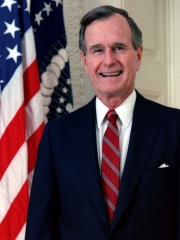
George H. W. Bush
POLITICIAN
1924 - 2018
HPI: 82.46
排名: 3
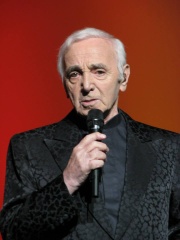
Charles Aznavour
SINGER
1924 - 2018
HPI: 80.66
排名: 4
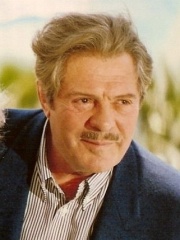
Marcello Mastroianni
ACTOR
1924 - 1996
HPI: 80.21
排名: 5
Muhammad Zia-ul-Haq
POLITICIAN
1924 - 1988
HPI: 79.61
排名: 6
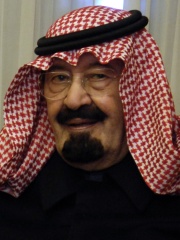
Abdullah of Saudi Arabia
POLITICIAN
1924 - 2015
HPI: 79.06
排名: 7
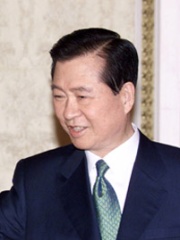
Kim Dae-jung
POLITICIAN
1924 - 2009
HPI: 78.26
排名: 8

Truman Capote
WRITER
1924 - 1984
HPI: 77.19
排名: 9
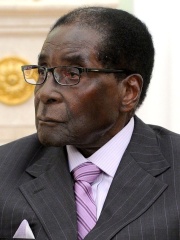
Robert Mugabe
POLITICIAN
1924 - 2019
HPI: 76.85
排名: 10
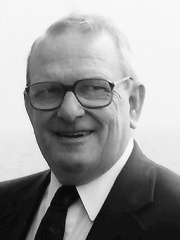
Allan MacLeod Cormack
PHYSICIST
1924 - 1998
HPI: 76.80
排名: 11
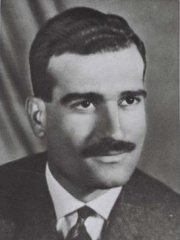
Eli Cohen
MILITARY PERSONNEL
1924 - 1965
HPI: 76.32
排名: 12
其他1988年去世的人
查看全部排名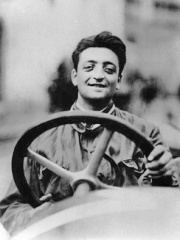
Enzo Ferrari
RACING DRIVER
1898 - 1988
HPI: 80.84
排名: 1
Muhammad Zia-ul-Haq
POLITICIAN
1924 - 1988
HPI: 79.61
排名: 2
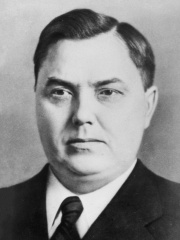
Georgy Malenkov
POLITICIAN
1902 - 1988
HPI: 79.10
排名: 3
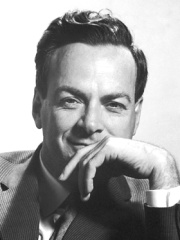
Richard Feynman
PHYSICIST
1918 - 1988
HPI: 78.55
排名: 4
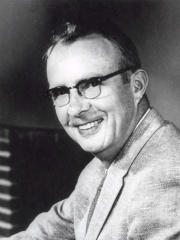
Luis Walter Alvarez
PHYSICIST
1911 - 1988
HPI: 76.99
排名: 5

Nico
SINGER
1938 - 1988
HPI: 76.91
排名: 6

John Holmes
ACTOR
1944 - 1988
HPI: 76.70
排名: 7
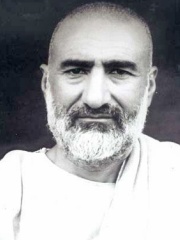
Bacha Khan
SOCIAL ACTIVIST
1890 - 1988
HPI: 75.37
排名: 8
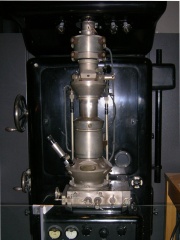
Ernst Ruska
PHYSICIST
1906 - 1988
HPI: 75.15
排名: 9
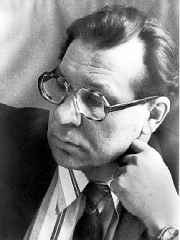
Valery Legasov
CHEMIST
1936 - 1988
HPI: 73.95
排名: 10
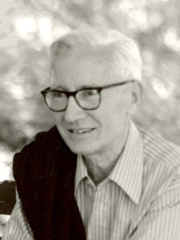
Nikolaas Tinbergen
BIOLOGIST
1907 - 1988
HPI: 73.65
排名: 11
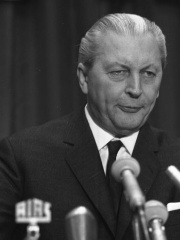
Kurt Georg Kiesinger
POLITICIAN
1904 - 1988
HPI: 73.36
排名: 12
在印度
在出生于印度的人中,穆罕默德·齐亚·哈克排名第23位(共2,312人)。 排在他之前的有:Droupadi Murmu (1958), Nagarjuna (150), Patanjali (-200), B. R. Ambedkar (1891), Bahadur Shah Zafar (1775), 和Srinivasa Ramanujan (1887). 排在他之后的有:Shah Rukh Khan (1965), Rudyard Kipling (1865), Kocheril R. Narayanan (1921), Razia Sultana (1205), Jawaharlal Nehru (1889), 和Jamsetji Tata (1839).

Droupadi Murmu
POLITICIAN
1958 - 至今
HPI: 80.99
排名: 17

Nagarjuna
PHILOSOPHER
150 - 250
HPI: 80.71
排名: 18

Patanjali
LINGUIST
公元前200 - 公元前150
HPI: 80.61
排名: 19
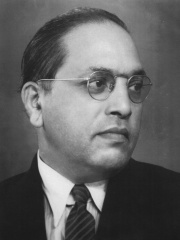
B. R. Ambedkar
POLITICIAN
1891 - 1956
HPI: 80.47
排名: 20
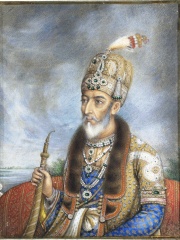
Bahadur Shah Zafar
POLITICIAN
1775 - 1862
HPI: 80.20
排名: 21
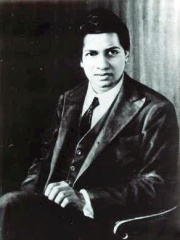
Srinivasa Ramanujan
MATHEMATICIAN
1887 - 1920
HPI: 79.85
排名: 22
Muhammad Zia-ul-Haq
POLITICIAN
1924 - 1988
HPI: 79.61
排名: 23

Shah Rukh Khan
ACTOR
1965 - 至今
HPI: 79.44
排名: 24
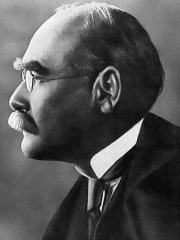
Rudyard Kipling
WRITER
1865 - 1936
HPI: 79.04
排名: 25
Kocheril R. Narayanan
POLITICIAN
1921 - 2005
HPI: 79.03
排名: 26
Razia Sultana
POLITICIAN
1205 - 1240
HPI: 79.00
排名: 27
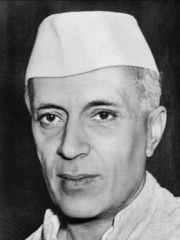
Jawaharlal Nehru
POLITICIAN
1889 - 1964
HPI: 78.99
排名: 28
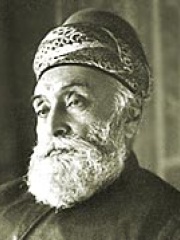
Jamsetji Tata
BUSINESSPERSON
1839 - 1904
HPI: 78.92
排名: 29
在印度的政治家中
在出生于印度的政治家中,穆罕默德·齐亚·哈克排名第10位。 排在他之前的有:Vallabhbhai Patel (1875), Pratibha Patil (1934), A. P. J. Abdul Kalam (1931), Droupadi Murmu (1958), B. R. Ambedkar (1891), 和Bahadur Shah Zafar (1775). 排在他之后的有:Kocheril R. Narayanan (1921), Razia Sultana (1205), Jawaharlal Nehru (1889), Rani of Jhansi (1828), Zakir Husain (1897), 和Ramaswamy Venkataraman (1910).
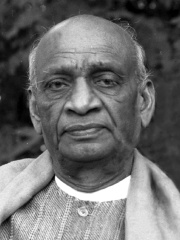
Vallabhbhai Patel
1875 - 1950
HPI: 82.30
排名: 4
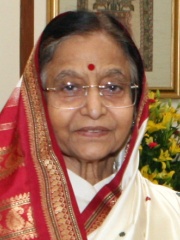
Pratibha Patil
1934 - 至今
HPI: 81.77
排名: 5
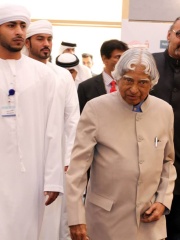
A. P. J. Abdul Kalam
1931 - 2015
HPI: 81.57
排名: 6
Droupadi Murmu
1958 - 至今
HPI: 80.99
排名: 7
B. R. Ambedkar
1891 - 1956
HPI: 80.47
排名: 8
Bahadur Shah Zafar
1775 - 1862
HPI: 80.20
排名: 9
Muhammad Zia-ul-Haq
1924 - 1988
HPI: 79.61
排名: 10
Kocheril R. Narayanan
1921 - 2005
HPI: 79.03
排名: 11
Razia Sultana
1205 - 1240
HPI: 79.00
排名: 12
Jawaharlal Nehru
1889 - 1964
HPI: 78.99
排名: 13
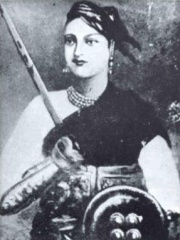
Rani of Jhansi
1828 - 1858
HPI: 78.29
排名: 14
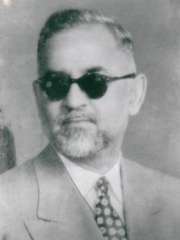
Zakir Husain
1897 - 1969
HPI: 77.11
排名: 15
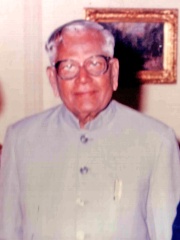
Ramaswamy Venkataraman
1910 - 2009
HPI: 76.57
排名: 16




