Философ
Martin Chemnitz
1522 - настоящее время
ПРОСМОТРЫ RU.WIKIPEDIA (PV)
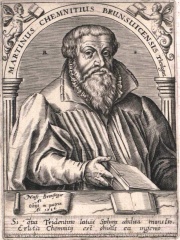
 Martin Chemnitz
Его биография доступна на 18 различных языках в Википедии. Martin Chemnitz занимает 1080-е место среди самых популярных философ (рост с 1131-е места в 2024 году), занимает 4270-е место среди самых популярных биографий из Германии (рост с 4581-е места в 2019 году) и занимает 135-е место среди философ Германия.
Метрики памятности
17k
Просмотры страниц
За последние 12 месяцев
57.31
HPI
Индекс исторической популярности
Интересные факты
18
Биография Martin Chemnitz представлена в 18 языковых разделах Википедии, а Индекс исторической популярности составляет 57.31.
Просмотры страницы Martin Chemnitz по языкам
Среди представителей профессии «Философ»
Среди представителей профессии «Философ» Martin Chemnitz занимает 1,080-е место из 1,285. Перед ним идут Ioane Petritsi, Mary Daly, Damaris Cudworth Masham, Anandavardhana, Rambhadracharya, и Mario Perniola. После него идут Carole Pateman, Immanuel Hermann Fichte, Hirata Atsutane, Josiah Royce, Helene von Druskowitz, и Ivan Merz.
Самые популярные в Википедии: Философ
Все рейтинги

Ioane Petritsi
1050 - 1200
HPI: 57.40
Место: 1,074

Mary Daly
1928 - 2010
HPI: 57.39
Место: 1,075

Damaris Cudworth Masham
1659 - 1708
HPI: 57.36
Место: 1,076

Anandavardhana
820 - 890
HPI: 57.36
Место: 1,077

Rambhadracharya
1950 - наст. время
HPI: 57.33
Место: 1,078

Mario Perniola
1941 - 2018
HPI: 57.32
Место: 1,079
Martin Chemnitz
1522 - наст. время
HPI: 57.31
Место: 1,080

Carole Pateman
1940 - наст. время
HPI: 57.28
Место: 1,081
Immanuel Hermann Fichte
1796 - 1879
HPI: 57.26
Место: 1,082

Hirata Atsutane
1776 - 1843
HPI: 57.26
Место: 1,083
Josiah Royce
1855 - 1916
HPI: 57.26
Место: 1,084

Helene von Druskowitz
1856 - 1918
HPI: 57.20
Место: 1,085

Ivan Merz
1896 - 1928
HPI: 57.18
Место: 1,086

Современники
Среди людей, родившихся в 1522 году, Martin Chemnitz занимает 21-е место. Перед ним идут Moses ben Jacob Cordovero, Honoré I, Lord of Monaco, Albert Alcibiades, Margrave of Brandenburg-Kulmbach, Dirck Coornhert, Sophia Jagiellon, Duchess of Brunswick-Lüneburg, и Jacques Cujas. После него идёт Philothei of Athens.
Другие люди, родившиеся в 1522 году
Все рейтинги
Moses ben Jacob Cordovero
RELIGIOUS FIGURE
1522 - 1570
HPI: 62.55
Место: 15

Honoré I, Lord of Monaco
POLITICIAN
1522 - 1581
HPI: 62.43
Место: 16

Albert Alcibiades, Margrave of Brandenburg-Kulmbach
POLITICIAN
1522 - 1557
HPI: 61.66
Место: 17
Dirck Coornhert
PHILOSOPHER
1522 - 1590
HPI: 59.61
Место: 18

Sophia Jagiellon, Duchess of Brunswick-Lüneburg
NOBLEMAN
1522 - 1575
HPI: 59.33
Место: 19
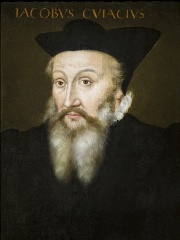
Jacques Cujas
PHILOSOPHER
1522 - 1590
HPI: 58.83
Место: 20
Martin Chemnitz
PHILOSOPHER
1522 - наст. время
HPI: 57.31
Место: 21
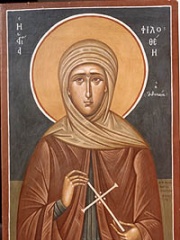
Philothei of Athens
RELIGIOUS FIGURE
1522 - 1589
HPI: 57.13
Место: 22
В стране Германия
Среди людей, родившихся в стране Германия, Martin Chemnitz занимает 4,270-е место из 8,184. Перед ним идут Maxi Herber (1920), Rudolf Augstein (1923), Adrian Sutil (1983), Otto Waalkes (1948), Karl Theodor Ernst von Siebold (1804), и Franz Babinger (1891). После него идут Lewis A. Coser (1913), Rosi Mittermaier (1950), Ernst Zündel (1939), Hans Apel (1932), Princess Marie Alexandrine of Saxe-Weimar-Eisenach (1849), и Elly Ney (1882).
Другие люди, родившиеся в стране Германия
Все рейтинги
Maxi Herber
SKATER
1920 - 2006
HPI: 57.32
Место: 4,264

Rudolf Augstein
POLITICIAN
1923 - 2002
HPI: 57.32
Место: 4,265

Adrian Sutil
RACING DRIVER
1983 - наст. время
HPI: 57.32
Место: 4,266
Otto Waalkes
ACTOR
1948 - наст. время
HPI: 57.32
Место: 4,267
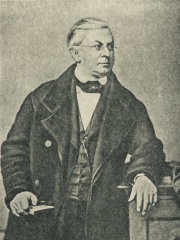
Karl Theodor Ernst von Siebold
BIOLOGIST
1804 - 1885
HPI: 57.31
Место: 4,268

Franz Babinger
HISTORIAN
1891 - 1967
HPI: 57.31
Место: 4,269
Martin Chemnitz
PHILOSOPHER
1522 - наст. время
HPI: 57.31
Место: 4,270

Lewis A. Coser
SOCIOLOGIST
1913 - 2003
HPI: 57.30
Место: 4,271

Rosi Mittermaier
SKIER
1950 - 2023
HPI: 57.30
Место: 4,272

Ernst Zündel
EXTREMIST
1939 - 2017
HPI: 57.30
Место: 4,273
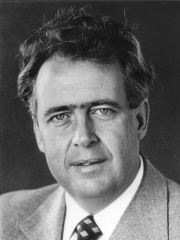
Hans Apel
POLITICIAN
1932 - 2011
HPI: 57.30
Место: 4,274
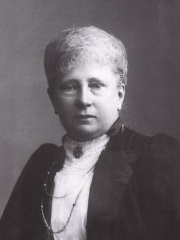
Princess Marie Alexandrine of Saxe-Weimar-Eisenach
POLITICIAN
1849 - 1922
HPI: 57.29
Место: 4,275
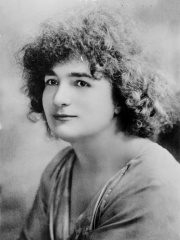
Elly Ney
MUSICIAN
1882 - 1968
HPI: 57.29
Место: 4,276
Среди представителей профессии «Философ» в стране Германия
Среди представителей профессии «Философ», родившихся в стране Германия, Martin Chemnitz занимает 135-е место. Перед ним идут Justus Möser (1720), Friedrich Wilhelm Foerster (1869), Carl Dahlhaus (1928), Heymann Steinthal (1823), Friedrich Eduard Beneke (1798), и Robert Spaemann (1927). После него идут Immanuel Hermann Fichte (1796), Max Dessoir (1867), Georg Anton Friedrich Ast (1778), Theodor Benfey (1809), Hermann Gunkel (1862), и Wilhelm Gesenius (1786).
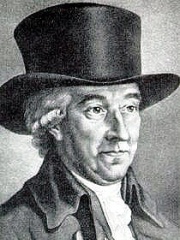
Justus Möser
1720 - 1794
HPI: 58.15
Место: 129
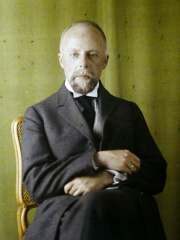
Friedrich Wilhelm Foerster
1869 - 1966
HPI: 57.95
Место: 130
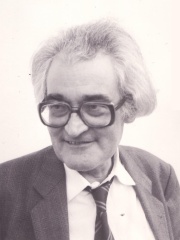
Carl Dahlhaus
1928 - 1989
HPI: 57.88
Место: 131
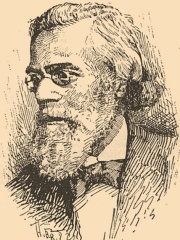
Heymann Steinthal
1823 - 1899
HPI: 57.85
Место: 132
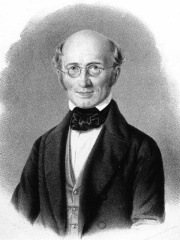
Friedrich Eduard Beneke
1798 - 1854
HPI: 57.55
Место: 133

Robert Spaemann
1927 - 2018
HPI: 57.43
Место: 134
Martin Chemnitz
1522 - наст. время
HPI: 57.31
Место: 135
Immanuel Hermann Fichte
1796 - 1879
HPI: 57.26
Место: 136
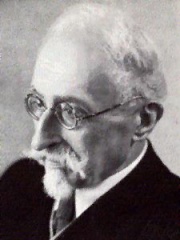
Max Dessoir
1867 - 1947
HPI: 57.09
Место: 137

Georg Anton Friedrich Ast
1778 - 1841
HPI: 57.08
Место: 138
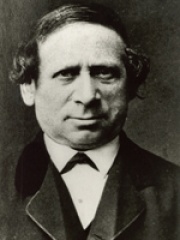
Theodor Benfey
1809 - 1881
HPI: 56.95
Место: 139
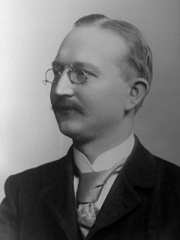
Hermann Gunkel
1862 - 1932
HPI: 56.75
Место: 140
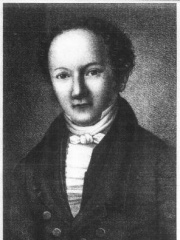
Wilhelm Gesenius
1786 - 1842
HPI: 56.70
Место: 141




