经济学家
Klaus Schwab
1938 - 至今
ZH.WIKIPEDIA 页面浏览量 (PV)

 Klaus Schwab
知名度指标
770k
页面浏览量
过去12个月
74.42
HPI
历史知名度指数
Klaus Schwab的各语言页面浏览量
在经济学家中
在经济学家中,Klaus Schwab排名第20位(共414人)。 排在他之前的有:Mario Draghi, George Shultz, Alfred Marshall, John Law, Ludwig von Mises, 和W. Arthur Lewis. 排在他之后的有:William F. Sharpe, Jan Tinbergen, Robert Lucas Jr., Ragnar Frisch, Paul Samuelson, 和Alexander Hamilton.
维基百科上最受欢迎的经济学家
查看全部排名
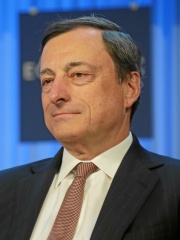
Mario Draghi
1947 - 至今
HPI: 76.21
排名: 14
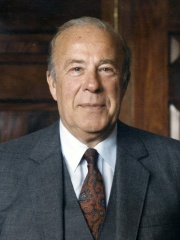
George Shultz
1920 - 2021
HPI: 76.07
排名: 15
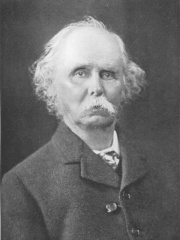
Alfred Marshall
1842 - 1924
HPI: 75.63
排名: 16
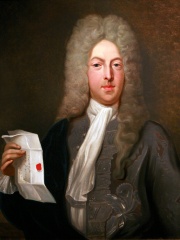
John Law
1671 - 1729
HPI: 75.44
排名: 17
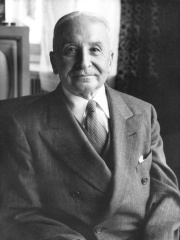
Ludwig von Mises
1881 - 1973
HPI: 74.80
排名: 18
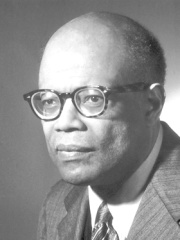
W. Arthur Lewis
1915 - 1991
HPI: 74.61
排名: 19

Klaus Schwab
1938 - 至今
HPI: 74.42
排名: 20
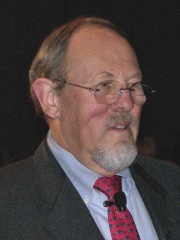
William F. Sharpe
1934 - 至今
HPI: 74.32
排名: 21
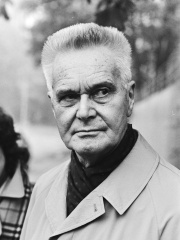
Jan Tinbergen
1903 - 1994
HPI: 74.27
排名: 22
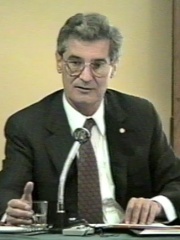
Robert Lucas Jr.
1937 - 2023
HPI: 74.05
排名: 23
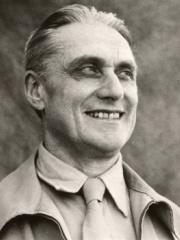
Ragnar Frisch
1895 - 1973
HPI: 74.03
排名: 24
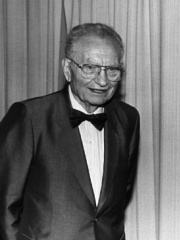
Paul Samuelson
1915 - 2009
HPI: 74.01
排名: 25
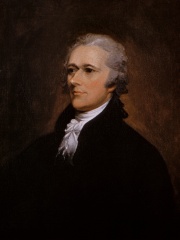
Alexander Hamilton
1755 - 1804
HPI: 73.83
排名: 26

同时代人物
在1938年出生的人中,Klaus Schwab排名第20位。 排在他之前的有:Nico, Jerry Brown, Farah Pahlavi, Christopher Lloyd, Alberto Fujimori, 和Albert Fert. 排在他之后的有:Joe Dassin, Luis Aragonés, J. J. Cale, Bob Kahn, Tomas Lindahl, 和Giuliano Gemma.
其他1938年出生的人
查看全部排名
Nico
SINGER
1938 - 1988
HPI: 76.91
排名: 14
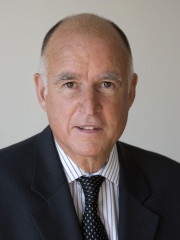
Jerry Brown
POLITICIAN
1938 - 至今
HPI: 76.05
排名: 15
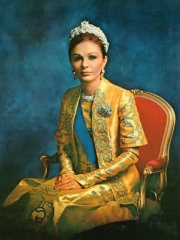
Farah Pahlavi
POLITICIAN
1938 - 至今
HPI: 75.83
排名: 16

Christopher Lloyd
ACTOR
1938 - 至今
HPI: 75.64
排名: 17
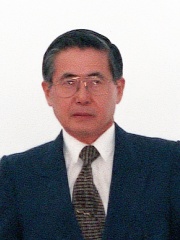
Alberto Fujimori
POLITICIAN
1938 - 2024
HPI: 75.53
排名: 18
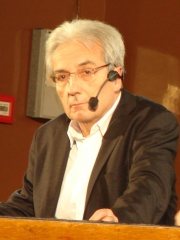
Albert Fert
PHYSICIST
1938 - 至今
HPI: 74.95
排名: 19
Klaus Schwab
ECONOMIST
1938 - 至今
HPI: 74.42
排名: 20
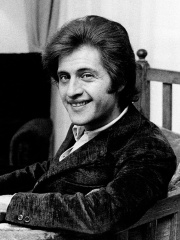
Joe Dassin
SINGER
1938 - 1980
HPI: 74.20
排名: 21

Luis Aragonés
COACH
1938 - 2014
HPI: 74.00
排名: 22

J. J. Cale
MUSICIAN
1938 - 2013
HPI: 74.00
排名: 23
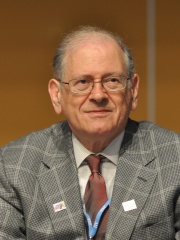
Bob Kahn
INVENTOR
1938 - 至今
HPI: 73.96
排名: 24
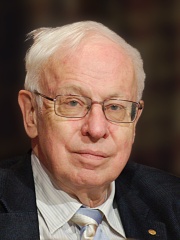
Tomas Lindahl
BIOLOGIST
1938 - 至今
HPI: 73.64
排名: 25
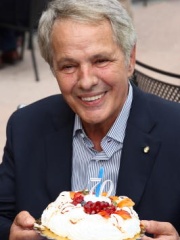
Giuliano Gemma
ACTOR
1938 - 2013
HPI: 73.52
排名: 26
在德国
在出生于德国的人中,Klaus Schwab排名第338位(共NaN人)。 排在他之前的有:Giacomo Meyerbeer (1791), Gustav Stresemann (1878), Otto Fritz Meyerhof (1884), James Franck (1882), Carol I of Romania (1839), 和Henry the Lion (1129). 排在他之后的有:Prince Claus of the Netherlands (1926), Elisabeth Christine of Brunswick-Wolfenbüttel (1691), Sophie, Duchess of Hohenberg (1868), Heinrich Louis d'Arrest (1822), Georgy Lvov (1861), 和Karl May (1842).
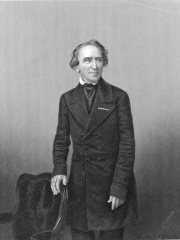
Giacomo Meyerbeer
COMPOSER
1791 - 1864
HPI: 74.51
排名: 332
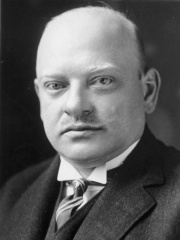
Gustav Stresemann
POLITICIAN
1878 - 1929
HPI: 74.49
排名: 333
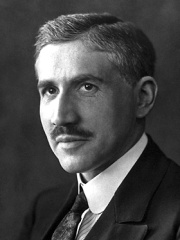
Otto Fritz Meyerhof
PHYSICIAN
1884 - 1951
HPI: 74.48
排名: 334
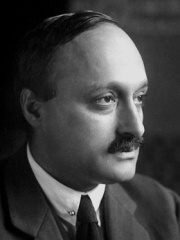
James Franck
PHYSICIST
1882 - 1964
HPI: 74.48
排名: 335
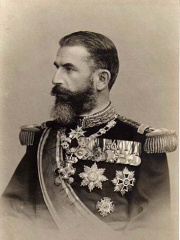
Carol I of Romania
POLITICIAN
1839 - 1914
HPI: 74.45
排名: 336
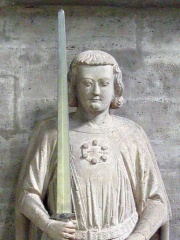
Henry the Lion
POLITICIAN
1129 - 1195
HPI: 74.45
排名: 337
Klaus Schwab
ECONOMIST
1938 - 至今
HPI: 74.42
排名: 338
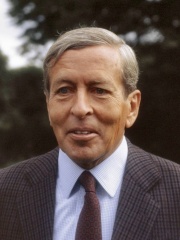
Prince Claus of the Netherlands
NOBLEMAN
1926 - 2002
HPI: 74.41
排名: 339
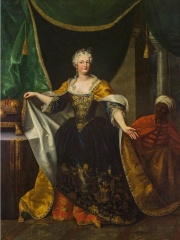
Elisabeth Christine of Brunswick-Wolfenbüttel
COMPANION
1691 - 1750
HPI: 74.41
排名: 340
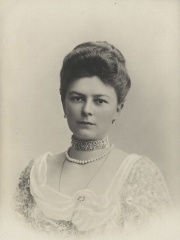
Sophie, Duchess of Hohenberg
COMPANION
1868 - 1914
HPI: 74.38
排名: 341
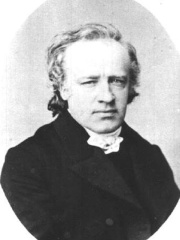
Heinrich Louis d'Arrest
ASTRONOMER
1822 - 1875
HPI: 74.38
排名: 342
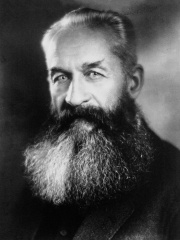
Georgy Lvov
POLITICIAN
1861 - 1925
HPI: 74.35
排名: 343
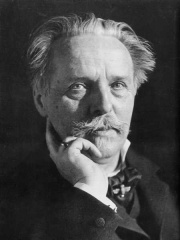
Karl May
WRITER
1842 - 1912
HPI: 74.35
排名: 344
在德国的经济学家中
在出生于德国的经济学家中,Klaus Schwab排名第2位。 排在他之前的有:Karl Marx (1818). 排在他之后的有:Wassily Leontief (1906), Werner Sombart (1863), Friedrich List (1789), Albert O. Hirschman (1915), Eugen Dühring (1833), Johann Heinrich von Thünen (1783), Franz Oppenheimer (1864), Alfred Weber (1868), Lorenz von Stein (1815), 和Hermann Heinrich Gossen (1810).
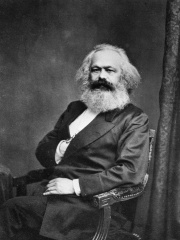
Karl Marx
1818 - 1883
HPI: 92.24
排名: 1
Klaus Schwab
1938 - 至今
HPI: 74.42
排名: 2
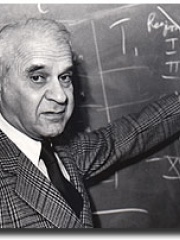
Wassily Leontief
1906 - 1999
HPI: 72.12
排名: 3
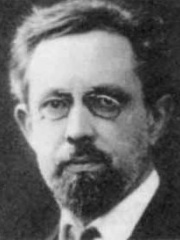
Werner Sombart
1863 - 1941
HPI: 70.29
排名: 4
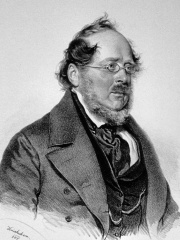
Friedrich List
1789 - 1846
HPI: 69.40
排名: 5
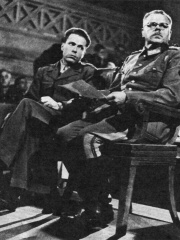
Albert O. Hirschman
1915 - 2012
HPI: 68.71
排名: 6

Eugen Dühring
1833 - 1921
HPI: 68.57
排名: 7
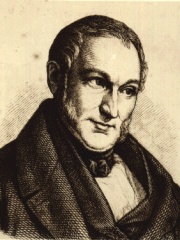
Johann Heinrich von Thünen
1783 - 1850
HPI: 68.00
排名: 8
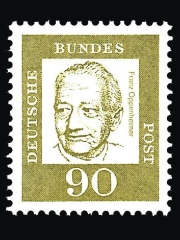
Franz Oppenheimer
1864 - 1943
HPI: 66.73
排名: 9

Alfred Weber
1868 - 1958
HPI: 66.72
排名: 10
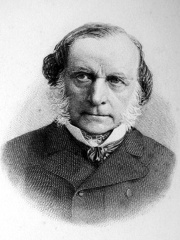
Lorenz von Stein
1815 - 1890
HPI: 66.67
排名: 11
Hermann Heinrich Gossen
1810 - 1858
HPI: 66.46
排名: 12




