Politico
Dilma Rousseff
1947 - presente
VISUALIZZAZIONI SU IT.WIKIPEDIA (PV)
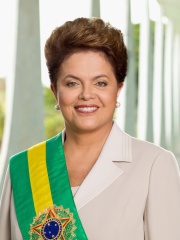

 Dilma Rousseff
La sua biografia è disponibile in 112 lingue su Wikipedia (in aumento rispetto a 110 nel 2024). Dilma Rousseff è la 778ª politico più popolare (in calo dal 514ª nel 2024), la 9ª biografia più popolare della Brasile (in aumento dal 10ª nel 2019) e la 2ª politico più popolare della Brasile.
Metriche di memorabilità
690k
Visualizzazioni
Ultimi 12 mesi
77.08
HPI
Indice di popolarità storica
Dati in evidenza
Visualizzazioni della pagina di Dilma Rousseff per lingua
Tra Politico
Tra Politico, Dilma Rousseff occupa la posizione 778 su 20,022. Prima di lei ci sono Lech Kaczyński, Sitting Bull, Manuel I Komnenos, Zakir Husain, Philip the Good, e Geronimo. Dopo di lei ci sono Abbas the Great, Ernst Kaltenbrunner, Murad V, Henry I of France, Staurakios, e Georges Clemenceau.
Politico più popolari su Wikipedia
Vai a tutte le classifiche
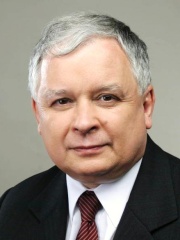
Lech Kaczyński
1949 - 2010
HPI: 77.12
Posizione: 772
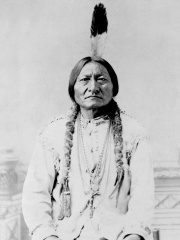
Sitting Bull
1831 - 1890
HPI: 77.12
Posizione: 773
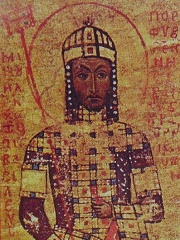
Manuel I Komnenos
1118 - 1180
HPI: 77.12
Posizione: 774
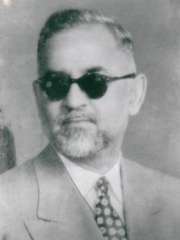
Zakir Husain
1897 - 1969
HPI: 77.11
Posizione: 775
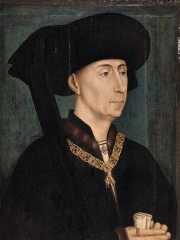
Philip the Good
1396 - 1467
HPI: 77.09
Posizione: 776
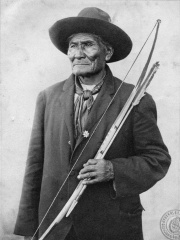
Geronimo
1829 - 1909
HPI: 77.09
Posizione: 777
Dilma Rousseff
1947 - presente
HPI: 77.08
Posizione: 778
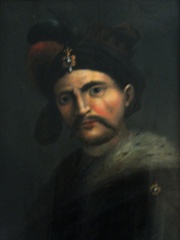
Abbas the Great
1571 - 1629
HPI: 77.08
Posizione: 779
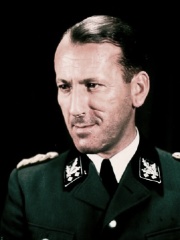
Ernst Kaltenbrunner
1903 - 1946
HPI: 77.08
Posizione: 780
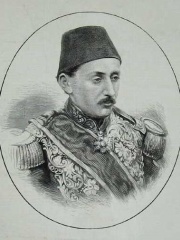
Murad V
1840 - 1904
HPI: 77.08
Posizione: 781
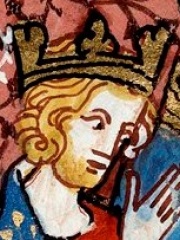
Henry I of France
1008 - 1060
HPI: 77.07
Posizione: 782
Staurakios
775 - 812
HPI: 77.06
Posizione: 783
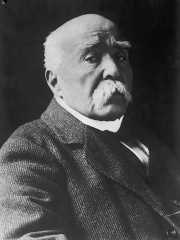
Georges Clemenceau
1841 - 1929
HPI: 77.05
Posizione: 784

Contemporanei
Tra le persone nate nel 1947, Dilma Rousseff occupa la posizione 12. Prima di lei ci sono Stephen King, David Bowie, Sheikh Hasina, Florentino Pérez, Brian Johnson, e Elton John. Dopo di lei ci sono Gloria Macapagal Arroyo, Brian May, Mary Simon, O. J. Simpson, James Hunt, e Mario Draghi.
Altre persone nate nel 1947
Vai a tutte le classifiche
Stephen King
WRITER
1947 - presente
HPI: 81.49
Posizione: 6

David Bowie
SINGER
1947 - 2016
HPI: 80.18
Posizione: 7
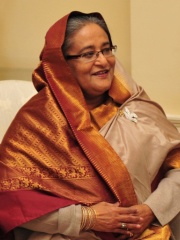
Sheikh Hasina
POLITICIAN
1947 - presente
HPI: 79.96
Posizione: 8
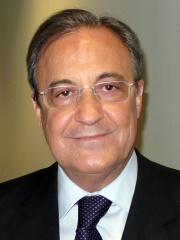
Florentino Pérez
BUSINESSPERSON
1947 - presente
HPI: 78.86
Posizione: 9
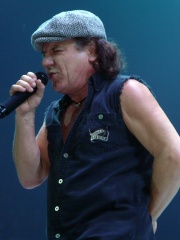
Brian Johnson
SINGER
1947 - presente
HPI: 78.66
Posizione: 10
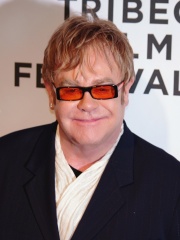
Elton John
MUSICIAN
1947 - presente
HPI: 78.15
Posizione: 11
Dilma Rousseff
POLITICIAN
1947 - presente
HPI: 77.08
Posizione: 12
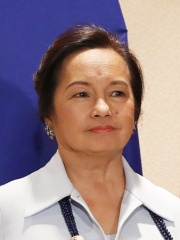
Gloria Macapagal Arroyo
POLITICIAN
1947 - presente
HPI: 76.92
Posizione: 13
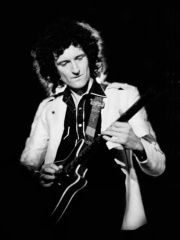
Brian May
MUSICIAN
1947 - presente
HPI: 76.75
Posizione: 14
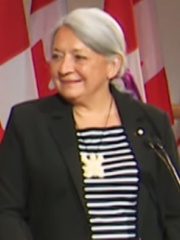
Mary Simon
POLITICIAN
1947 - presente
HPI: 76.61
Posizione: 15
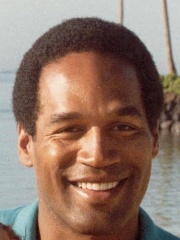
O. J. Simpson
AMERICAN FOOTBALL PLAYER
1947 - 2024
HPI: 76.56
Posizione: 16

James Hunt
RACING DRIVER
1947 - 1993
HPI: 76.33
Posizione: 17

Mario Draghi
ECONOMIST
1947 - presente
HPI: 76.21
Posizione: 18
In Brasile
Tra le persone nate in Brasile, Dilma Rousseff occupa la posizione 9 su 2,779. Prima di lei ci sono Paulo Coelho (1947), Luiz Inácio Lula da Silva (1945), Garrincha (1933), Oscar Niemeyer (1907), Zico (1953), e Ronaldo (1976). Dopo di lei ci sono Pedro II of Brazil (1825), Mário Zagallo (1931), Jair Bolsonaro (1955), Sebastião Salgado (1944), Jairzinho (1944), e Sócrates (1954).
Altre persone nate in Brasile
Vai a tutte le classifiche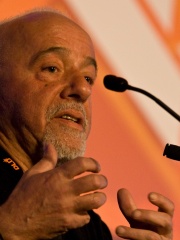
Paulo Coelho
WRITER
1947 - presente
HPI: 81.81
Posizione: 3
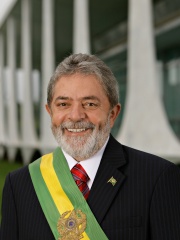
Luiz Inácio Lula da Silva
POLITICIAN
1945 - presente
HPI: 81.43
Posizione: 4
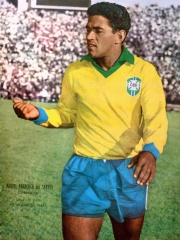
Garrincha
SOCCER PLAYER
1933 - 1983
HPI: 80.60
Posizione: 5
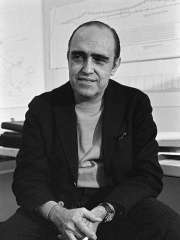
Oscar Niemeyer
ARCHITECT
1907 - 2012
HPI: 78.24
Posizione: 6

Zico
SOCCER PLAYER
1953 - presente
HPI: 77.97
Posizione: 7

Ronaldo
SOCCER PLAYER
1976 - presente
HPI: 77.58
Posizione: 8
Dilma Rousseff
POLITICIAN
1947 - presente
HPI: 77.08
Posizione: 9
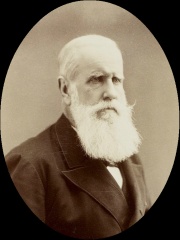
Pedro II of Brazil
POLITICIAN
1825 - 1891
HPI: 76.55
Posizione: 10

Mário Zagallo
SOCCER PLAYER
1931 - 2024
HPI: 75.76
Posizione: 11

Jair Bolsonaro
POLITICIAN
1955 - presente
HPI: 75.65
Posizione: 12
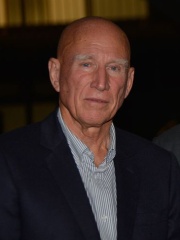
Sebastião Salgado
JOURNALIST
1944 - 2025
HPI: 75.59
Posizione: 13
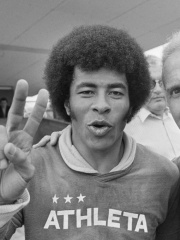
Jairzinho
SOCCER PLAYER
1944 - presente
HPI: 75.49
Posizione: 14

Sócrates
SOCCER PLAYER
1954 - 2011
HPI: 75.47
Posizione: 15
Tra Politico in Brasile
Tra Politico nati in Brasile, Dilma Rousseff occupa la posizione 2. Prima di lei c'è Luiz Inácio Lula da Silva (1945). Dopo di lei ci sono Pedro II of Brazil (1825), Jair Bolsonaro (1955), Getúlio Vargas (1882), Michel Temer (1940), Maria II of Portugal (1819), Juscelino Kubitschek (1902), Fernando Henrique Cardoso (1931), Humberto de Alencar Castelo Branco (1897), João Goulart (1918), e Deodoro da Fonseca (1827).
Luiz Inácio Lula da Silva
1945 - presente
HPI: 81.43
Posizione: 1
Dilma Rousseff
1947 - presente
HPI: 77.08
Posizione: 2
Pedro II of Brazil
1825 - 1891
HPI: 76.55
Posizione: 3
Jair Bolsonaro
1955 - presente
HPI: 75.65
Posizione: 4
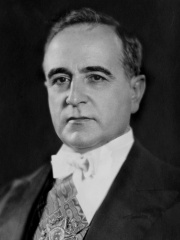
Getúlio Vargas
1882 - 1954
HPI: 74.28
Posizione: 5
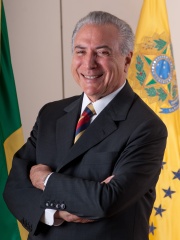
Michel Temer
1940 - presente
HPI: 73.35
Posizione: 6
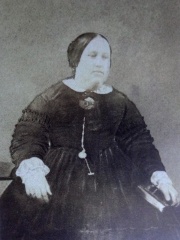
Maria II of Portugal
1819 - 1853
HPI: 73.31
Posizione: 7
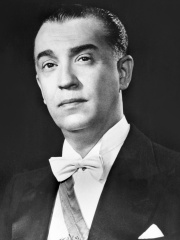
Juscelino Kubitschek
1902 - 1976
HPI: 70.43
Posizione: 8
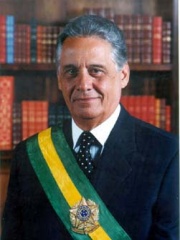
Fernando Henrique Cardoso
1931 - presente
HPI: 69.65
Posizione: 9
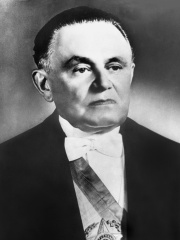
Humberto de Alencar Castelo Branco
1897 - 1967
HPI: 69.35
Posizione: 10
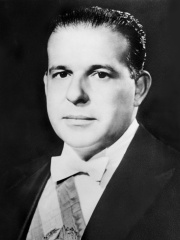
João Goulart
1918 - 1976
HPI: 69.32
Posizione: 11
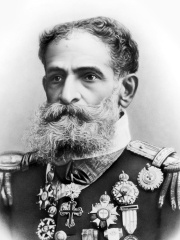
Deodoro da Fonseca
1827 - 1892
HPI: 68.92
Posizione: 12




