Historiador
Ali ibn al-Athir
1160 - 1233
ES.WIKIPEDIA PAGE VIEWS (PV)

 Ali ibn al-Athir
Su biografía está disponible en 43 idiomas en Wikipedia (aumentó de 42 en 2024). Ali ibn al-Athir ocupa el puesto 42 entre los historiador más populares (bajó del puesto 39 en 2024), el puesto 236 entre las biografías más populares de Turquía (bajó del puesto 225 en 2019) y el puesto 5 entre los historiador de turquía más populares.
Memorability Metrics
74k
Page Views
Past 12 months
72.68
HPI
Historical Popularity Index
Page views of Ali ibn al-Athir by language
Among Historiadors
Among historiadors, Ali ibn al-Athir ranks 42 out of 561. Before him are Friedrich Carl von Savigny, Hippolyte Taine, Quintus Curtius Rufus, Leonardo Bruni, Jacques Le Goff, and Adam of Bremen. After him are Marcus Velleius Paterculus, Erwin Panofsky, Al-Baladhuri, Socrates of Constantinople, Lucien Febvre, and François Guizot.
Most Popular Historiadors in Wikipedia
Go to all Rankings
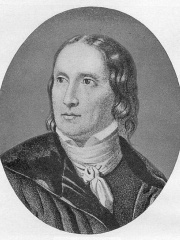
Friedrich Carl von Savigny
1779 - 1861
HPI: 73.18
Rank: 36
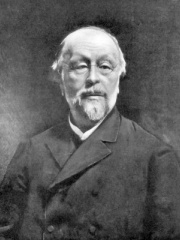
Hippolyte Taine
1828 - 1893
HPI: 73.03
Rank: 37
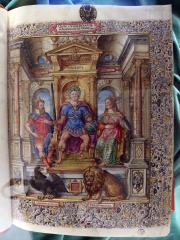
Quintus Curtius Rufus
41 - 53
HPI: 72.96
Rank: 38
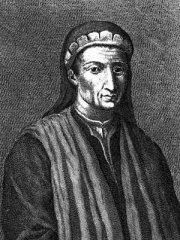
Leonardo Bruni
1370 - 1444
HPI: 72.96
Rank: 39
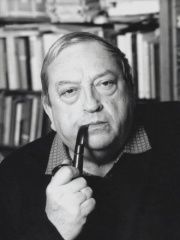
Jacques Le Goff
1924 - 2014
HPI: 72.92
Rank: 40

Adam of Bremen
1100 - 1080
HPI: 72.91
Rank: 41
Ali ibn al-Athir
1160 - 1233
HPI: 72.68
Rank: 42
Marcus Velleius Paterculus
19 BC - 31
HPI: 72.46
Rank: 43
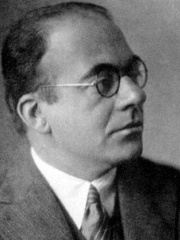
Erwin Panofsky
1892 - 1968
HPI: 72.29
Rank: 44

Al-Baladhuri
806 - 892
HPI: 72.19
Rank: 45

Socrates of Constantinople
380 - 440
HPI: 72.04
Rank: 46
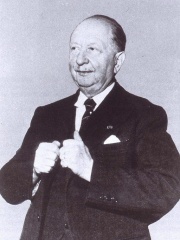
Lucien Febvre
1878 - 1956
HPI: 71.88
Rank: 47
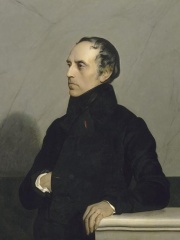
François Guizot
1787 - 1874
HPI: 71.51
Rank: 48

Contemporaries
Among people born in 1160, Ali ibn al-Athir ranks 5. Before him are Pope Innocent III, Pope Gregory IX, Sibylla, Queen of Jerusalem, and Muhammad of Ghor. After him are Pérotin, Alys of France, Countess of Vexin, Hartmann von Aue, Abu Yusuf Yaqub al-Mansur, Dulce of Aragon, Arnaud Amalric, and Isaac the Blind. Among people deceased in 1233, Ali ibn al-Athir ranks 1. After him are Thomas, Count of Savoy, Yolanda of Courtenay, Bohemond IV of Antioch, Ferdinand, Count of Flanders, and Helena of Denmark.
Others Born in 1160
Go to all Rankings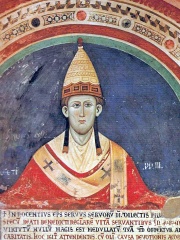
Pope Innocent III
RELIGIOUS FIGURE
1160 - 1216
HPI: 83.33
Rank: 1
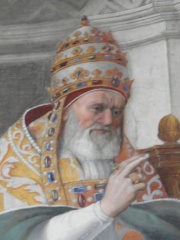
Pope Gregory IX
RELIGIOUS FIGURE
1160 - 1241
HPI: 81.10
Rank: 2
Sibylla, Queen of Jerusalem
POLITICIAN
1160 - 1190
HPI: 78.66
Rank: 3
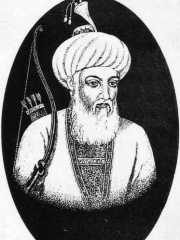
Muhammad of Ghor
POLITICIAN
1160 - 1206
HPI: 74.64
Rank: 4
Ali ibn al-Athir
HISTORIAN
1160 - 1233
HPI: 72.68
Rank: 5
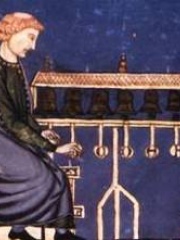
Pérotin
COMPOSER
1160 - 1230
HPI: 72.46
Rank: 6

Alys of France, Countess of Vexin
POLITICIAN
1160 - 1220
HPI: 68.86
Rank: 7
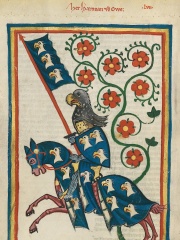
Hartmann von Aue
WRITER
1160 - 1210
HPI: 68.24
Rank: 8
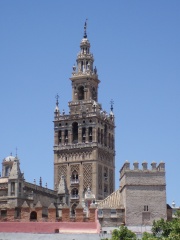
Abu Yusuf Yaqub al-Mansur
POLITICIAN
1160 - 1199
HPI: 68.02
Rank: 9
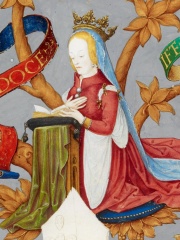
Dulce of Aragon
COMPANION
1160 - 1198
HPI: 65.70
Rank: 10

Arnaud Amalric
RELIGIOUS FIGURE
1160 - 1225
HPI: 65.34
Rank: 11

Isaac the Blind
WRITER
1160 - 1235
HPI: 62.98
Rank: 12
Others Deceased in 1233
Go to all RankingsAli ibn al-Athir
HISTORIAN
1160 - 1233
HPI: 72.68
Rank: 1
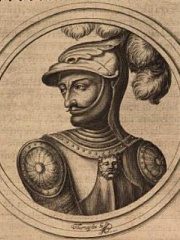
Thomas, Count of Savoy
NOBLEMAN
1178 - 1233
HPI: 67.04
Rank: 2

Yolanda of Courtenay
COMPANION
1197 - 1233
HPI: 66.15
Rank: 3
Bohemond IV of Antioch
POLITICIAN
1172 - 1233
HPI: 64.39
Rank: 4
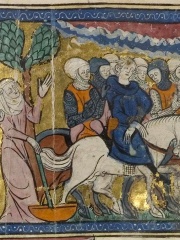
Ferdinand, Count of Flanders
NOBLEMAN
1188 - 1233
HPI: 64.11
Rank: 5

Helena of Denmark
POLITICIAN
1180 - 1233
HPI: 58.17
Rank: 6
In Turquía
Among people born in Turquía, Ali ibn al-Athir ranks 236 out of NaN. Before him are Cemal Gürsel (1895), Fatma Sultan (1500), Anitta (-1700), Kayqubad I (1188), Glycerius (430), and Alexios IV Angelos (1182). After him are Michael Psellos (1018), Constantine X Doukas (1006), Yolanda of Flanders (1175), Parascheva of the Balkans (1000), Briseis (null), and Romanos III Argyros (968).
Others born in Turquía
Go to all Rankings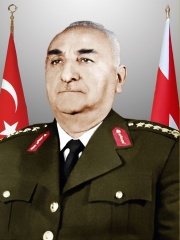
Cemal Gürsel
POLITICIAN
1895 - 1966
HPI: 72.90
Rank: 230

Fatma Sultan
NOBLEMAN
1500 - 1573
HPI: 72.87
Rank: 231

Anitta
POLITICIAN
1700 BC - 1740 BC
HPI: 72.85
Rank: 232
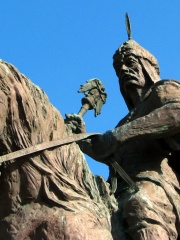
Kayqubad I
POLITICIAN
1188 - 1237
HPI: 72.75
Rank: 233
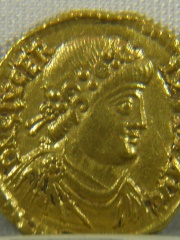
Glycerius
POLITICIAN
430 - 480
HPI: 72.70
Rank: 234
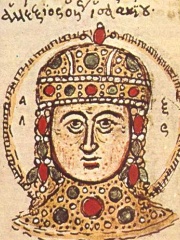
Alexios IV Angelos
POLITICIAN
1182 - 1204
HPI: 72.69
Rank: 235
Ali ibn al-Athir
HISTORIAN
1160 - 1233
HPI: 72.68
Rank: 236
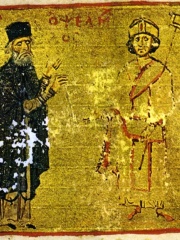
Michael Psellos
PHILOSOPHER
1018 - 1078
HPI: 72.64
Rank: 237
Constantine X Doukas
POLITICIAN
1006 - 1067
HPI: 72.63
Rank: 238

Yolanda of Flanders
POLITICIAN
1175 - 1219
HPI: 72.63
Rank: 239
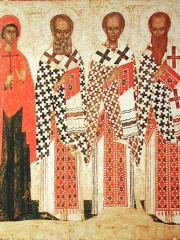
Parascheva of the Balkans
RELIGIOUS FIGURE
1000 - 1100
HPI: 72.56
Rank: 240
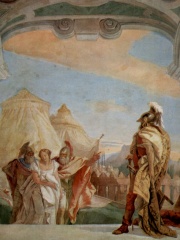
Briseis
POLITICIAN
HPI: 72.53
Rank: 241
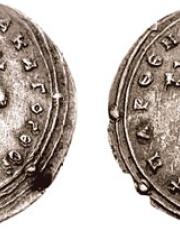
Romanos III Argyros
POLITICIAN
968 - 1034
HPI: 72.53
Rank: 242
Among Historiadors In Turquía
Among historiadors born in Turquía, Ali ibn al-Athir ranks 5. Before him are Herodotus (-484), Hecataeus of Miletus (-550), Cassius Dio (155), and Arrian (89). After him are Socrates of Constantinople (380), Niketas Choniates (1155), Libanius (314), Ephorus (-400), Eutropius (320), George Kedrenos (1100), and Eunapius (349).
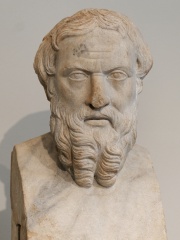
Herodotus
484 BC - 425 BC
HPI: 90.06
Rank: 1
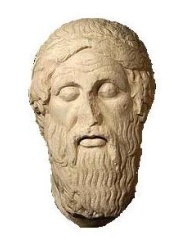
Hecataeus of Miletus
550 BC - 476 BC
HPI: 76.89
Rank: 2
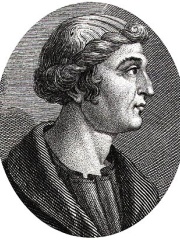
Cassius Dio
155 - 235
HPI: 76.14
Rank: 3
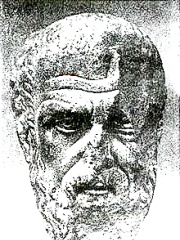
Arrian
89 - 175
HPI: 75.37
Rank: 4
Ali ibn al-Athir
1160 - 1233
HPI: 72.68
Rank: 5
Socrates of Constantinople
380 - 440
HPI: 72.04
Rank: 6
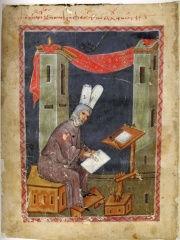
Niketas Choniates
1155 - 1217
HPI: 71.45
Rank: 7
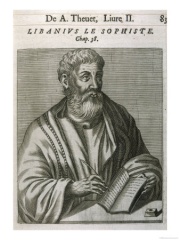
Libanius
314 - 393
HPI: 69.87
Rank: 8

Ephorus
400 BC - 330 BC
HPI: 69.19
Rank: 9
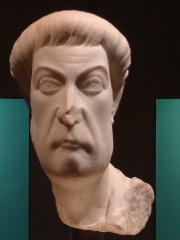
Eutropius
320 - 400
HPI: 68.75
Rank: 10

George Kedrenos
1100 - 1100
HPI: 66.85
Rank: 11

Eunapius
349 - 420
HPI: 66.64
Rank: 12




