Историк
Socrates of Constantinople
380 - 440
ПРОСМОТРЫ RU.WIKIPEDIA (PV)

 Socrates of Constantinople
Его биография доступна на 41 различных языках в Википедии (рост с 37 в 2024 году). Socrates of Constantinople занимает 46-е место среди самых популярных историк (рост с 52-е места в 2024 году), занимает 258-е место среди самых популярных биографий из Турции (рост с 273-е места в 2019 году) и занимает 6-е место среди историк Турция.
Метрики памятности
45k
Просмотры страниц
За последние 12 месяцев
72.04
HPI
Индекс исторической популярности
Интересные факты
Просмотры страницы Socrates of Constantinople по языкам
Среди представителей профессии «Историк»
Среди представителей профессии «Историк» Socrates of Constantinople занимает 46-е место из 579. Перед ним идут Jacques Le Goff, Adam of Bremen, Ali ibn al-Athir, Marcus Velleius Paterculus, Erwin Panofsky, и Al-Baladhuri. После него идут Lucien Febvre, François Guizot, Yuval Noah Harari, Samuel von Pufendorf, Niketas Choniates, и Poggio Bracciolini.
Самые популярные в Википедии: Историк
Все рейтинги

Jacques Le Goff
1924 - 2014
HPI: 72.92
Место: 40

Adam of Bremen
1100 - 1080
HPI: 72.91
Место: 41

Ali ibn al-Athir
1160 - 1233
HPI: 72.68
Место: 42
Marcus Velleius Paterculus
19 BC - 31
HPI: 72.46
Место: 43
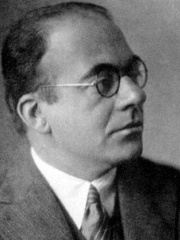
Erwin Panofsky
1892 - 1968
HPI: 72.29
Место: 44

Al-Baladhuri
806 - 892
HPI: 72.19
Место: 45
Socrates of Constantinople
380 - 440
HPI: 72.04
Место: 46
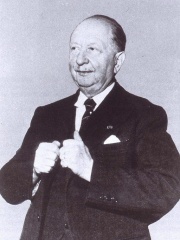
Lucien Febvre
1878 - 1956
HPI: 71.88
Место: 47
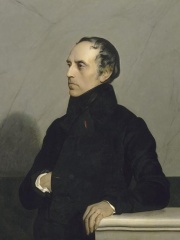
François Guizot
1787 - 1874
HPI: 71.51
Место: 48

Yuval Noah Harari
1976 - наст. время
HPI: 71.50
Место: 49
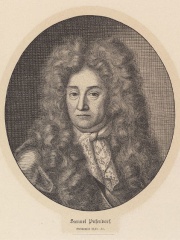
Samuel von Pufendorf
1632 - 1694
HPI: 71.49
Место: 50
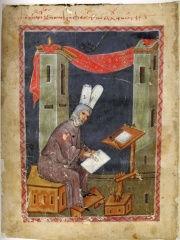
Niketas Choniates
1155 - 1217
HPI: 71.45
Место: 51
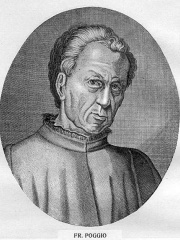
Poggio Bracciolini
1380 - 1459
HPI: 71.22
Место: 52

Современники
Среди людей, родившихся в 380 году, Socrates of Constantinople занимает 1-е место. После него идут Flavian of Constantinople, Eutyches, Peter Chrysologus, Eucherius of Lyon, Koriun, и Eznik of Kolb. Среди людей, умерших в 440 году, Socrates of Constantinople занимает 3-е место. Перед ним идут Pope Sixtus III, и Mesrop Mashtots. После него идёт Isidore of Pelusium.
Другие люди, родившиеся в 380 году
Все рейтингиSocrates of Constantinople
HISTORIAN
380 - 440
HPI: 72.04
Место: 1
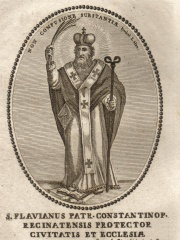
Flavian of Constantinople
RELIGIOUS FIGURE
380 - 449
HPI: 71.12
Место: 2

Eutyches
RELIGIOUS FIGURE
380 - 454
HPI: 69.83
Место: 3
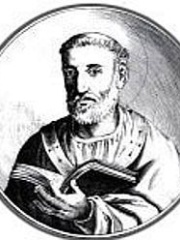
Peter Chrysologus
RELIGIOUS FIGURE
380 - 450
HPI: 67.62
Место: 4
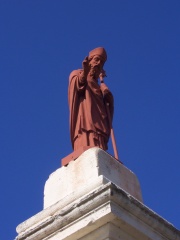
Eucherius of Lyon
RELIGIOUS FIGURE
380 - 449
HPI: 61.77
Место: 5
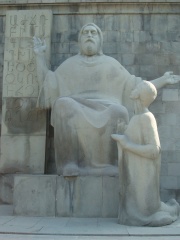
Koriun
WRITER
380 - 450
HPI: 60.82
Место: 6
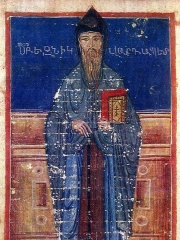
Eznik of Kolb
RELIGIOUS FIGURE
380 - 450
HPI: 59.74
Место: 7
Другие люди, умершие в 440 году
Все рейтинги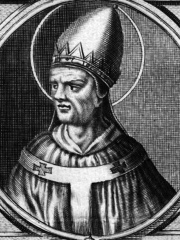
Pope Sixtus III
RELIGIOUS FIGURE
390 - 440
HPI: 77.96
Место: 1
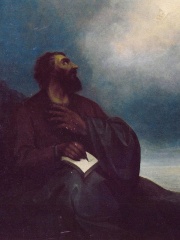
Mesrop Mashtots
LINGUIST
361 - 440
HPI: 75.17
Место: 2
Socrates of Constantinople
HISTORIAN
380 - 440
HPI: 72.04
Место: 3
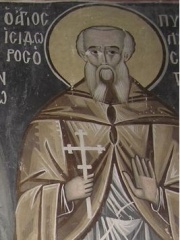
Isidore of Pelusium
RELIGIOUS FIGURE
370 - 440
HPI: 63.53
Место: 4
В стране Турция
Среди людей, родившихся в стране Турция, Socrates of Constantinople занимает 258-е место из 1,732. Перед ним идут Uzun Hasan (1423), Herophilos (-335), Ahmet Necdet Sezer (1941), Yunus Emre (1240), Kenan Evren (1917), и Pancras of Rome (289). После него идут Sultan Cem (1459), Thecla (100), Alexander (870), Alexios II Komnenos (1169), Theophanes the Confessor (758), и Helenus (null).
Другие люди, родившиеся в стране Турция
Все рейтинги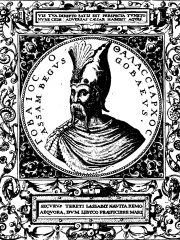
Uzun Hasan
POLITICIAN
1423 - 1478
HPI: 72.19
Место: 252
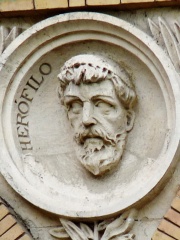
Herophilos
PHYSICIAN
335 BC - 280 BC
HPI: 72.17
Место: 253
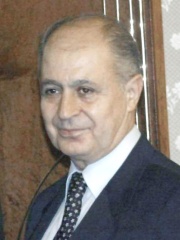
Ahmet Necdet Sezer
POLITICIAN
1941 - наст. время
HPI: 72.15
Место: 254
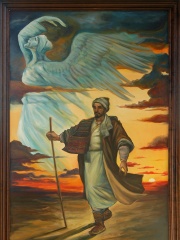
Yunus Emre
WRITER
1240 - 1321
HPI: 72.13
Место: 255
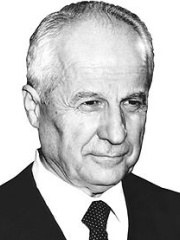
Kenan Evren
POLITICIAN
1917 - 2015
HPI: 72.08
Место: 256
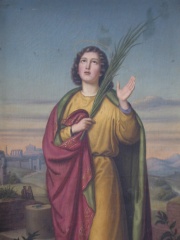
Pancras of Rome
RELIGIOUS FIGURE
289 - 304
HPI: 72.06
Место: 257
Socrates of Constantinople
HISTORIAN
380 - 440
HPI: 72.04
Место: 258
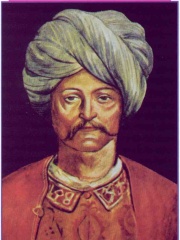
Sultan Cem
POLITICIAN
1459 - 1495
HPI: 71.92
Место: 259
Thecla
RELIGIOUS FIGURE
100 - 100
HPI: 71.86
Место: 260
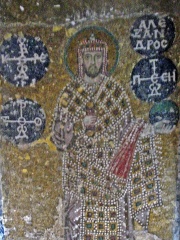
Alexander
POLITICIAN
870 - 913
HPI: 71.82
Место: 261
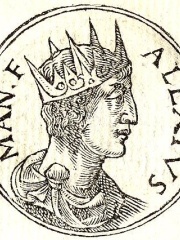
Alexios II Komnenos
POLITICIAN
1169 - 1183
HPI: 71.81
Место: 262
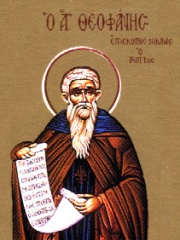
Theophanes the Confessor
RELIGIOUS FIGURE
758 - 818
HPI: 71.81
Место: 263

Helenus
POLITICIAN
HPI: 71.70
Место: 264
Среди представителей профессии «Историк» в стране Турция
Среди представителей профессии «Историк», родившихся в стране Турция, Socrates of Constantinople занимает 6-е место. Перед ним идут Herodotus (-484), Hecataeus of Miletus (-550), Cassius Dio (155), Arrian (89), и Ali ibn al-Athir (1160). После него идут Niketas Choniates (1155), Libanius (314), Ephorus (-400), Eutropius (320), George Kedrenos (1100), и Eunapius (349).
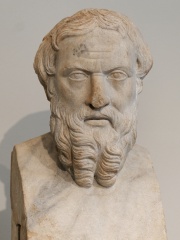
Herodotus
484 BC - 425 BC
HPI: 90.06
Место: 1
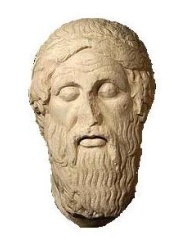
Hecataeus of Miletus
550 BC - 476 BC
HPI: 76.89
Место: 2
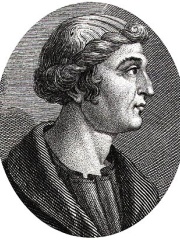
Cassius Dio
155 - 235
HPI: 76.14
Место: 3
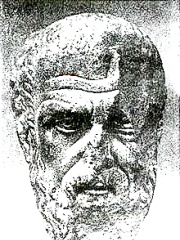
Arrian
89 - 175
HPI: 75.37
Место: 4
Ali ibn al-Athir
1160 - 1233
HPI: 72.68
Место: 5
Socrates of Constantinople
380 - 440
HPI: 72.04
Место: 6
Niketas Choniates
1155 - 1217
HPI: 71.45
Место: 7
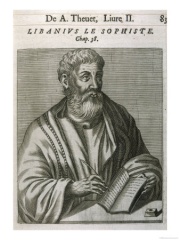
Libanius
314 - 393
HPI: 69.87
Место: 8

Ephorus
400 BC - 330 BC
HPI: 69.19
Место: 9
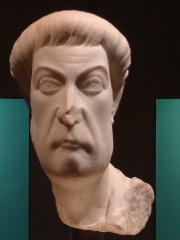
Eutropius
320 - 400
HPI: 68.75
Место: 10

George Kedrenos
1100 - 1100
HPI: 66.85
Место: 11

Eunapius
349 - 420
HPI: 66.64
Место: 12




