كاتب
جول فيرن
1828 - 1905
مشاهدات AR.WIKIPEDIA (PV)
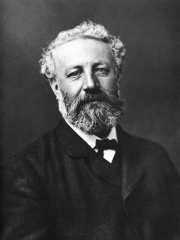
 جول فيرن
سيرته الذاتية متاحة بـ125 لغة مختلفة على ويكيبيديا (زيادة من 122 في 2024). يحتل جول فيرن المرتبة 15 بين أكثر كاتب شعبيةً (تقدمًا من 16 في 2024)، والمرتبة 11 بين أكثر السير الذاتية شعبيةً في فرنسا، كما يحتل المرتبة 3 بين أكثر كاتب من فرنسا شعبيةً.
مقاييس الشهرة
1.9M
مشاهدات الصفحة
آخر 12 شهرًا
88.32
HPI
مؤشر الشعبية التاريخية
رؤى من البيانات
مشاهدات صفحة جول فيرن حسب اللغة
من بين كاتب
من بين كاتب، يحتل جول فيرن المرتبة 15 من أصل 7,707. قبله يأتي Leo Tolstoy, Franz Kafka, Victor Hugo, Voltaire, James Joyce, وSophocles. بعده يأتي Virgil, Molière, Miguel de Cervantes, Jean-Paul Sartre, T. S. Eliot, وOvid.
أشهر كاتب على ويكيبيديا
عرض جميع التصنيفات
Leo Tolstoy
1828 - 1910
HPI: 89.82
المرتبة: 9
Franz Kafka
1883 - 1924
HPI: 89.62
المرتبة: 10
Victor Hugo
1802 - 1885
HPI: 89.52
المرتبة: 11
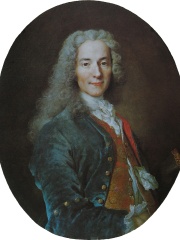
Voltaire
1694 - 1778
HPI: 89.44
المرتبة: 12
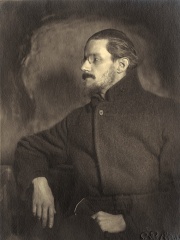
James Joyce
1882 - 1941
HPI: 89.38
المرتبة: 13
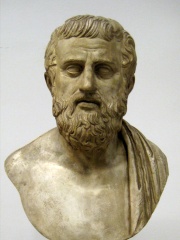
Sophocles
497 ق.م. - 406 ق.م.
HPI: 89.32
المرتبة: 14
Jules Verne
1828 - 1905
HPI: 88.32
المرتبة: 15
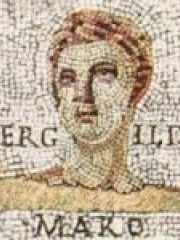
Virgil
70 ق.م. - 19 ق.م.
HPI: 88.05
المرتبة: 16
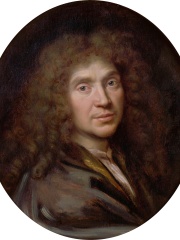
Molière
1622 - 1673
HPI: 87.83
المرتبة: 17
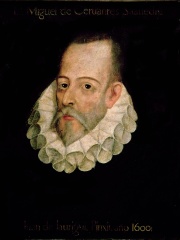
Miguel de Cervantes
1547 - 1616
HPI: 87.60
المرتبة: 18
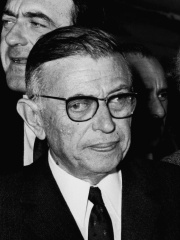
Jean-Paul Sartre
1905 - 1980
HPI: 87.31
المرتبة: 19
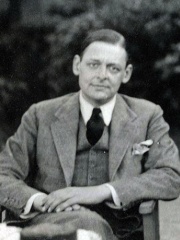
T. S. Eliot
1888 - 1965
HPI: 87.25
المرتبة: 20
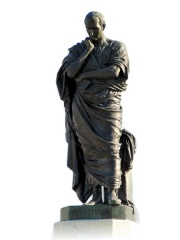
Ovid
43 ق.م. - 17
HPI: 86.87
المرتبة: 21

معاصرون
من بين المولودين في عام 1828، يحتل جول فيرن المرتبة 2. قبله يأتي Leo Tolstoy. بعده يأتي Henrik Ibsen, Henry Dunant, Rani of Jhansi, Randal Cremer, Saigō Takamori, Charbel Makhlouf, Hippolyte Taine, Dante Gabriel Rossetti, Nikolay Chernyshevsky, وAlbert Marth. من بين المتوفين في عام 1905، يحتل جول فيرن المرتبة 1. بعده يأتي William-Adolphe Bouguereau, Muhammad Abduh, Ernst Abbe, Ferdinand von Richthofen, Adolphe, Grand Duke of Luxembourg, Adolph Menzel, Grand Duke Sergei Alexandrovich of Russia, Louise Michel, Pierre Savorgnan de Brazza, Carl Wernicke, وPrince Philippe, Count of Flanders.
آخرون وُلدوا في عام 1828
عرض جميع التصنيفاتLeo Tolstoy
WRITER
1828 - 1910
HPI: 89.82
المرتبة: 1
Jules Verne
WRITER
1828 - 1905
HPI: 88.32
المرتبة: 2
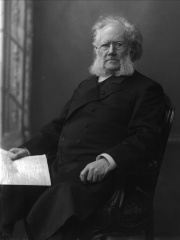
Henrik Ibsen
WRITER
1828 - 1906
HPI: 83.92
المرتبة: 3
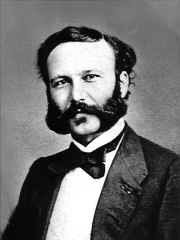
Henry Dunant
SOCIAL ACTIVIST
1828 - 1910
HPI: 83.32
المرتبة: 4
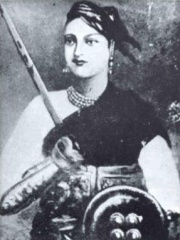
Rani of Jhansi
POLITICIAN
1828 - 1858
HPI: 78.29
المرتبة: 5
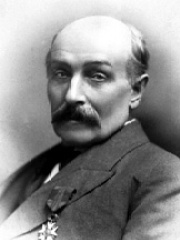
Randal Cremer
POLITICIAN
1828 - 1908
HPI: 76.27
المرتبة: 6
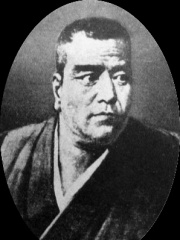
Saigō Takamori
MILITARY PERSONNEL
1828 - 1877
HPI: 74.71
المرتبة: 7
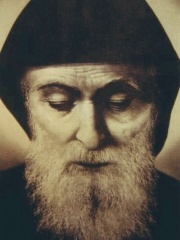
Charbel Makhlouf
RELIGIOUS FIGURE
1828 - 1898
HPI: 73.82
المرتبة: 8
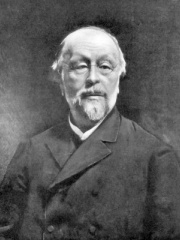
Hippolyte Taine
HISTORIAN
1828 - 1893
HPI: 73.03
المرتبة: 9

Dante Gabriel Rossetti
WRITER
1828 - 1882
HPI: 72.74
المرتبة: 10
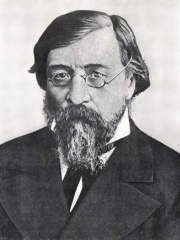
Nikolay Chernyshevsky
WRITER
1828 - 1889
HPI: 70.40
المرتبة: 11
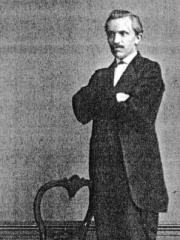
Albert Marth
ASTRONOMER
1828 - 1897
HPI: 70.37
المرتبة: 12
آخرون توفوا في عام 1905
عرض جميع التصنيفاتJules Verne
WRITER
1828 - 1905
HPI: 88.32
المرتبة: 1
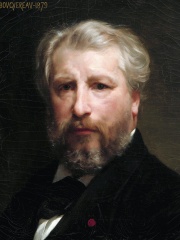
William-Adolphe Bouguereau
PAINTER
1825 - 1905
HPI: 75.56
المرتبة: 2
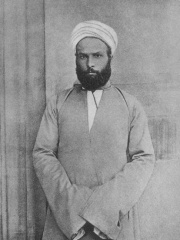
Muhammad Abduh
PHILOSOPHER
1849 - 1905
HPI: 73.35
المرتبة: 3
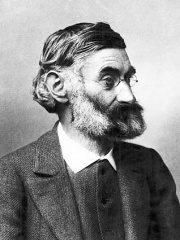
Ernst Abbe
PHYSICIST
1840 - 1905
HPI: 73.14
المرتبة: 4
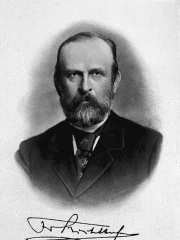
Ferdinand von Richthofen
GEOGRAPHER
1833 - 1905
HPI: 72.92
المرتبة: 5
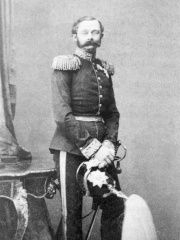
Adolphe, Grand Duke of Luxembourg
POLITICIAN
1817 - 1905
HPI: 71.96
المرتبة: 6
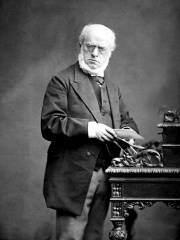
Adolph Menzel
ARTIST
1815 - 1905
HPI: 70.49
المرتبة: 7
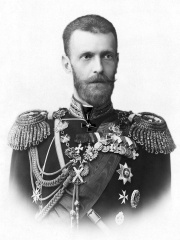
Grand Duke Sergei Alexandrovich of Russia
NOBLEMAN
1857 - 1905
HPI: 69.96
المرتبة: 8
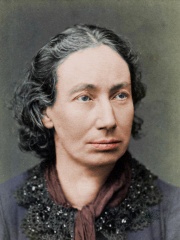
Louise Michel
SOCIAL ACTIVIST
1830 - 1905
HPI: 69.60
المرتبة: 9
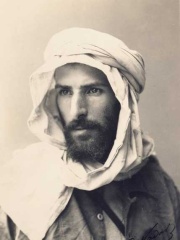
Pierre Savorgnan de Brazza
EXPLORER
1852 - 1905
HPI: 68.17
المرتبة: 10
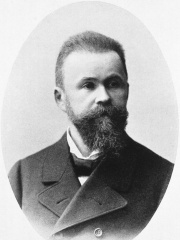
Carl Wernicke
PHYSICIAN
1848 - 1905
HPI: 68.05
المرتبة: 11
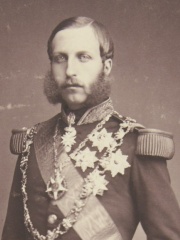
Prince Philippe, Count of Flanders
NOBLEMAN
1837 - 1905
HPI: 67.97
المرتبة: 12
في فرنسا
من بين المولودين في فرنسا، يحتل جول فيرن المرتبة 11 من أصل 7,658. قبله يأتي Joan of Arc (1412), Louis XVI of France (1754), Victor Hugo (1802), Voltaire (1694), Louis Pasteur (1822), وClaude Monet (1840). بعده يأتي Molière (1622), Montesquieu (1689), Maximilien Robespierre (1758), Jean-Paul Sartre (1905), Giuseppe Garibaldi (1807), وLouis XV of France (1710).
آخرون وُلدوا في فرنسا
عرض جميع التصنيفات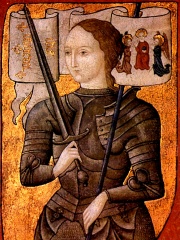
Joan of Arc
MILITARY PERSONNEL
1412 - 1431
HPI: 91.02
المرتبة: 5
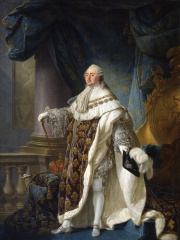
Louis XVI of France
POLITICIAN
1754 - 1793
HPI: 90.50
المرتبة: 6
Victor Hugo
WRITER
1802 - 1885
HPI: 89.52
المرتبة: 7
Voltaire
WRITER
1694 - 1778
HPI: 89.44
المرتبة: 8
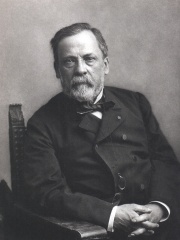
Louis Pasteur
CHEMIST
1822 - 1895
HPI: 89.24
المرتبة: 9
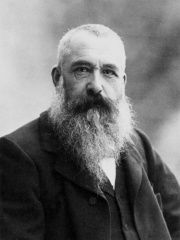
Claude Monet
PAINTER
1840 - 1926
HPI: 88.69
المرتبة: 10
Jules Verne
WRITER
1828 - 1905
HPI: 88.32
المرتبة: 11
Molière
WRITER
1622 - 1673
HPI: 87.83
المرتبة: 12
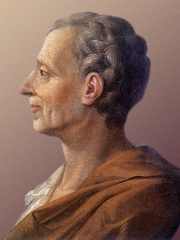
Montesquieu
PHILOSOPHER
1689 - 1755
HPI: 87.46
المرتبة: 13
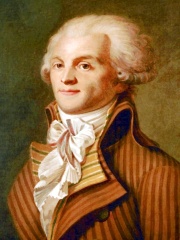
Maximilien Robespierre
POLITICIAN
1758 - 1794
HPI: 87.37
المرتبة: 14
Jean-Paul Sartre
WRITER
1905 - 1980
HPI: 87.31
المرتبة: 15
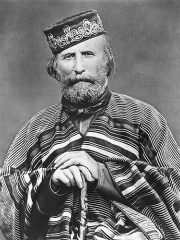
Giuseppe Garibaldi
POLITICIAN
1807 - 1882
HPI: 87.09
المرتبة: 16
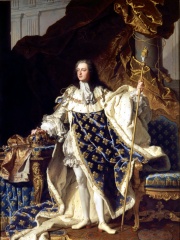
Louis XV of France
POLITICIAN
1710 - 1774
HPI: 86.93
المرتبة: 17
من بين كاتب في فرنسا
من بين كاتب المولودين في فرنسا، يحتل جول فيرن المرتبة 3. قبله يأتي Victor Hugo (1802), وVoltaire (1694). بعده يأتي Molière (1622), Jean-Paul Sartre (1905), Alexandre Dumas (1802), Honoré de Balzac (1799), Antoine de Saint-Exupéry (1900), Simone de Beauvoir (1908), Charles Baudelaire (1821), Marcel Proust (1871), وDenis Diderot (1713).
Victor Hugo
1802 - 1885
HPI: 89.52
المرتبة: 1
Voltaire
1694 - 1778
HPI: 89.44
المرتبة: 2
Jules Verne
1828 - 1905
HPI: 88.32
المرتبة: 3
Molière
1622 - 1673
HPI: 87.83
المرتبة: 4
Jean-Paul Sartre
1905 - 1980
HPI: 87.31
المرتبة: 5
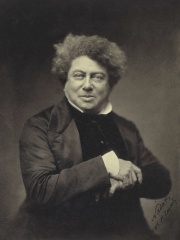
Alexandre Dumas
1802 - 1870
HPI: 86.83
المرتبة: 6
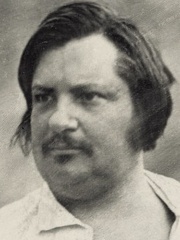
Honoré de Balzac
1799 - 1850
HPI: 86.38
المرتبة: 7
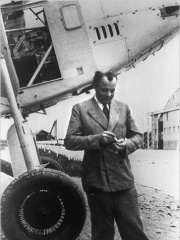
Antoine de Saint-Exupéry
1900 - 1944
HPI: 86.21
المرتبة: 8
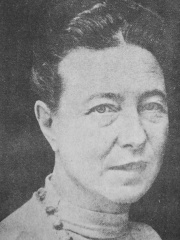
Simone de Beauvoir
1908 - 1986
HPI: 84.63
المرتبة: 9
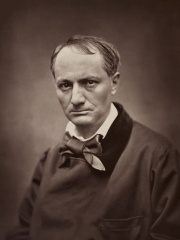
Charles Baudelaire
1821 - 1867
HPI: 84.42
المرتبة: 10
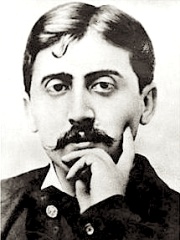
Marcel Proust
1871 - 1922
HPI: 84.39
المرتبة: 11
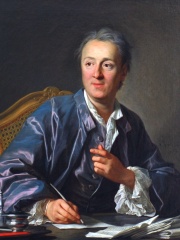
Denis Diderot
1713 - 1784
HPI: 84.31
المرتبة: 12




