Mathematician
John G. Thompson
American mathematician
1932 - today
EN.WIKIPEDIA PAGE VIEWS (PV)

 John G. Thompson
His biography is available in 40 different languages on Wikipedia. John G. Thompson is the 291st most popular mathematician (up from 315th in 2024), the 2,299th most popular biography from United States (up from 2,451st in 2019) and the 16th most popular American Mathematician.
Memorability Metrics
19k
Page Views
Past 12 months
64.88
HPI
Historical Popularity Index
Page views of John G. Thompson by language
Among Mathematicians
Among mathematicians, John G. Thompson ranks 291 out of 1,004. Before him are Sharaf al-Dīn al-Ṭūsī, S. R. Ranganathan, Gemma Frisius, Seki Takakazu, Al-Karaji, and Atle Selberg. After him are Edmund Landau, Hugo Steinhaus, Pierre Deligne, Adolf Hurwitz, Jesse Douglas, and Shing-Tung Yau.
Most Popular Mathematicians in Wikipedia
Go to all Rankings

Sharaf al-Dīn al-Ṭūsī
1135 - 1213
HPI: 65.24
Rank: 285
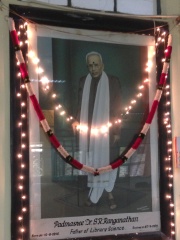
S. R. Ranganathan
1892 - 1972
HPI: 65.18
Rank: 286
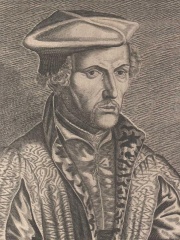
Gemma Frisius
1508 - 1555
HPI: 65.13
Rank: 287
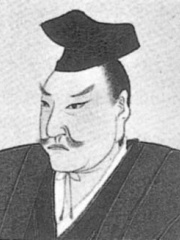
Seki Takakazu
1642 - 1708
HPI: 65.04
Rank: 288
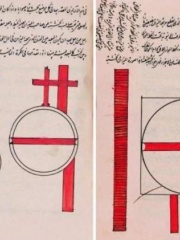
Al-Karaji
953 - 1029
HPI: 64.99
Rank: 289
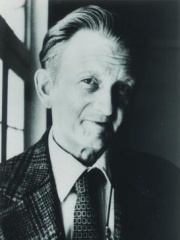
Atle Selberg
1917 - 2007
HPI: 64.97
Rank: 290
John G. Thompson
1932 - Present
HPI: 64.88
Rank: 291

Edmund Landau
1877 - 1938
HPI: 64.87
Rank: 292
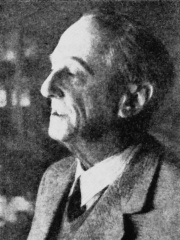
Hugo Steinhaus
1887 - 1972
HPI: 64.86
Rank: 293

Pierre Deligne
1944 - Present
HPI: 64.78
Rank: 294
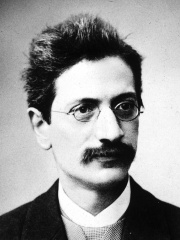
Adolf Hurwitz
1859 - 1919
HPI: 64.77
Rank: 295
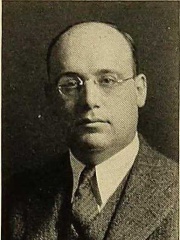
Jesse Douglas
1897 - 1965
HPI: 64.74
Rank: 296

Shing-Tung Yau
1949 - Present
HPI: 64.73
Rank: 297

Contemporaries
Among people born in 1932, John G. Thompson ranks 120. Before him are Paolo Villaggio, Tatsuya Nakadai, Piper Laurie, Geraldine McEwan, Manuel Puig, and Michael Smith. After him are Oscar de la Renta, Meir Kahane, Stuart Hall, Mustafa Tlass, Dieter Rams, and Prince Johann Georg of Hohenzollern.
Others Born in 1932
Go to all Rankings
Paolo Villaggio
ACTOR
1932 - 2017
HPI: 65.17
Rank: 114

Tatsuya Nakadai
ACTOR
1932 - 2025
HPI: 65.15
Rank: 115

Piper Laurie
ACTOR
1932 - 2023
HPI: 65.10
Rank: 116
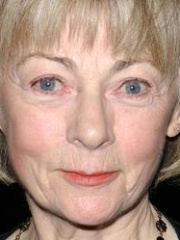
Geraldine McEwan
ACTOR
1932 - 2015
HPI: 65.09
Rank: 117
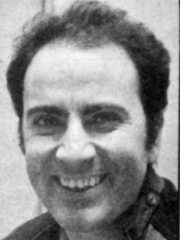
Manuel Puig
WRITER
1932 - 1990
HPI: 65.04
Rank: 118
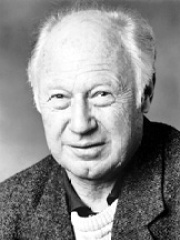
Michael Smith
CHEMIST
1932 - 2000
HPI: 64.92
Rank: 119
John G. Thompson
MATHEMATICIAN
1932 - Present
HPI: 64.88
Rank: 120

Oscar de la Renta
FASHION DESIGNER
1932 - 2014
HPI: 64.83
Rank: 121

Meir Kahane
POLITICIAN
1932 - 1990
HPI: 64.81
Rank: 122

Stuart Hall
SOCIOLOGIST
1932 - 2014
HPI: 64.71
Rank: 123

Mustafa Tlass
POLITICIAN
1932 - 2017
HPI: 64.56
Rank: 124

Dieter Rams
DESIGNER
1932 - Present
HPI: 64.44
Rank: 125
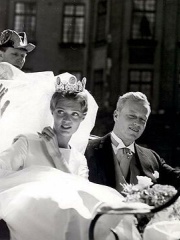
Prince Johann Georg of Hohenzollern
POLITICIAN
1932 - 2016
HPI: 64.42
Rank: 126
In United States
Among people born in United States, John G. Thompson ranks 2,299 out of NaN. Before him are Joseph Augustus Zarelli (1953), Lucille Ball (1911), Robert Grant Aitken (1864), Ernie Hudson (1945), Jerry West (1938), and Eric Maskin (1950). After him are Ben Bradlee (1921), Sarah Rose Karr (1984), Luke Perry (1966), Marcia Cross (1962), Owen Wilson (1968), and John Phillips (1935).
Others born in United States
Go to all Rankings
Joseph Augustus Zarelli
CELEBRITY
1953 - 1957
HPI: 64.90
Rank: 2,293

Lucille Ball
COMEDIAN
1911 - 1989
HPI: 64.90
Rank: 2,294
Robert Grant Aitken
ASTRONOMER
1864 - 1951
HPI: 64.90
Rank: 2,295
Ernie Hudson
ACTOR
1945 - Present
HPI: 64.89
Rank: 2,296
Jerry West
BASKETBALL PLAYER
1938 - 2024
HPI: 64.89
Rank: 2,297
Eric Maskin
ECONOMIST
1950 - Present
HPI: 64.88
Rank: 2,298
John G. Thompson
MATHEMATICIAN
1932 - Present
HPI: 64.88
Rank: 2,299
Ben Bradlee
BUSINESSPERSON
1921 - 2014
HPI: 64.88
Rank: 2,300

Sarah Rose Karr
ACTOR
1984 - Present
HPI: 64.87
Rank: 2,301

Luke Perry
ACTOR
1966 - 2019
HPI: 64.87
Rank: 2,302

Marcia Cross
ACTOR
1962 - Present
HPI: 64.86
Rank: 2,303
Owen Wilson
ACTOR
1968 - Present
HPI: 64.86
Rank: 2,304
John Phillips
MUSICIAN
1935 - 2001
HPI: 64.86
Rank: 2,305
Among Mathematicians In United States
Among mathematicians born in United States, John G. Thompson ranks 16. Before him are Mary Jackson (1921), Edward Norton Lorenz (1917), Alonzo Church (1903), Karen Uhlenbeck (1942), Richard S. Hamilton (1943), and Lloyd Shapley (1923). After him are Jesse Douglas (1897), Robert Axelrod (1943), Stephen Smale (1930), Edward Kasner (1878), Martin Davis (1928), and John Milnor (1931).
Mary Jackson
1921 - 2005
HPI: 68.42
Rank: 10
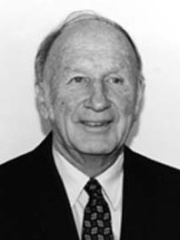
Edward Norton Lorenz
1917 - 2008
HPI: 68.25
Rank: 11
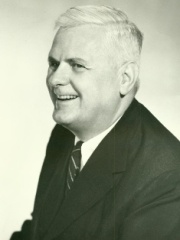
Alonzo Church
1903 - 1995
HPI: 68.08
Rank: 12

Karen Uhlenbeck
1942 - Present
HPI: 66.69
Rank: 13

Richard S. Hamilton
1943 - 2024
HPI: 66.40
Rank: 14

Lloyd Shapley
1923 - 2016
HPI: 65.42
Rank: 15
John G. Thompson
1932 - Present
HPI: 64.88
Rank: 16
Jesse Douglas
1897 - 1965
HPI: 64.74
Rank: 17
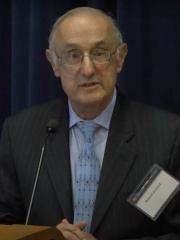
Robert Axelrod
1943 - Present
HPI: 64.65
Rank: 18
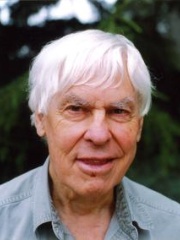
Stephen Smale
1930 - Present
HPI: 64.46
Rank: 19
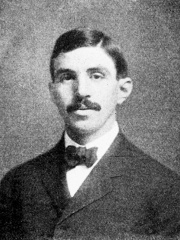
Edward Kasner
1878 - 1955
HPI: 64.01
Rank: 20
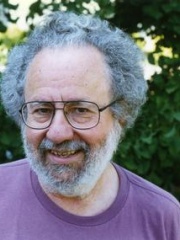
Martin Davis
1928 - 2023
HPI: 63.10
Rank: 21

John Milnor
1931 - Present
HPI: 62.77
Rank: 22




