Designer
Dieter Rams
1932 - heute
DE.WIKIPEDIA PAGE VIEWS (PV)

 Dieter Rams
Seine Biografie ist in 29 verschiedenen Sprachen auf Wikipedia verfügbar (gestiegen von 26 im Jahr 2024). Dieter Rams ist der 34th beliebteste Designer (gesunken vom 32nd im Jahr 2024), die 1,835th beliebteste Biografie aus Deutschland (gesunken vom 1,727th im Jahr 2019) und der 4th beliebteste aus Deutschland Designer.
Memorability Metrics
210k
Page Views
Past 12 months
64.44
HPI
Historical Popularity Index
Page views of Dieter Rams by language
Among Designers
Among designers, Dieter Rams ranks 34 out of 104. Before him are Aristide Cavaillé-Coll, Raymond Loewy, Pierre Balmain, Manolo Blahnik, Josiah Wedgwood, and Jimmy Choo. After him are Claude Garamond, Beau Brummell, Jeanne Lanvin, Andokides painter, Salvatore Ferragamo, and Giambattista Bodoni.
Most Popular Designers in Wikipedia
Go to all Rankings
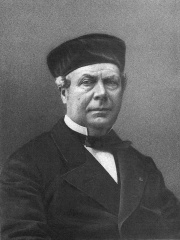
Aristide Cavaillé-Coll
1811 - 1899
HPI: 66.55
Rank: 28

Raymond Loewy
1893 - 1986
HPI: 65.74
Rank: 29
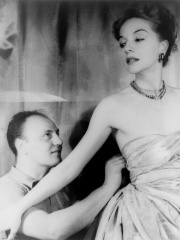
Pierre Balmain
1914 - 1982
HPI: 65.69
Rank: 30
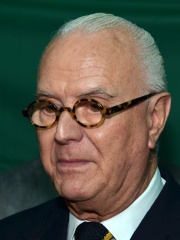
Manolo Blahnik
1942 - Present
HPI: 65.40
Rank: 31
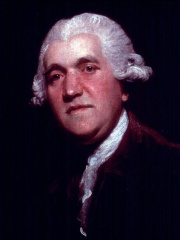
Josiah Wedgwood
1730 - 1795
HPI: 65.07
Rank: 32

Jimmy Choo
1948 - Present
HPI: 64.76
Rank: 33
Dieter Rams
1932 - Present
HPI: 64.44
Rank: 34
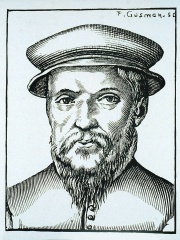
Claude Garamond
1499 - 1561
HPI: 64.08
Rank: 35
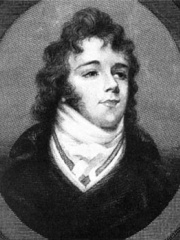
Beau Brummell
1778 - 1840
HPI: 63.76
Rank: 36
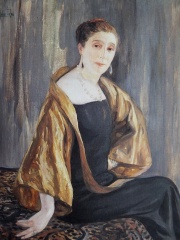
Jeanne Lanvin
1867 - 1946
HPI: 63.73
Rank: 37
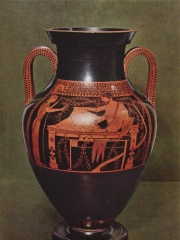
Andokides painter
600 BC - Present
HPI: 63.54
Rank: 38

Salvatore Ferragamo
1898 - 1960
HPI: 63.54
Rank: 39
Giambattista Bodoni
1740 - 1813
HPI: 63.29
Rank: 40

Contemporaries
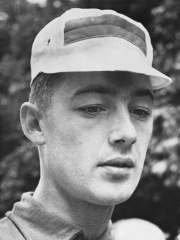
Among people born in 1932, Dieter Rams ranks 125. Before him are Michael Smith, John G. Thompson, Oscar de la Renta, Meir Kahane, Stuart Hall, and Mustafa Tlass. After him are Prince Johann Georg of Hohenzollern, Rodion Shchedrin, Fernando Arrabal, Iskandar of Johor, Dušan Makavejev, and Charly Gaul.
Others Born in 1932
Go to all Rankings
Michael Smith
CHEMIST
1932 - 2000
HPI: 64.92
Rank: 119

John G. Thompson
MATHEMATICIAN
1932 - Present
HPI: 64.88
Rank: 120
Oscar de la Renta
FASHION DESIGNER
1932 - 2014
HPI: 64.83
Rank: 121
Meir Kahane
POLITICIAN
1932 - 1990
HPI: 64.81
Rank: 122
Stuart Hall
SOCIOLOGIST
1932 - 2014
HPI: 64.71
Rank: 123

Mustafa Tlass
POLITICIAN
1932 - 2017
HPI: 64.56
Rank: 124
Dieter Rams
DESIGNER
1932 - Present
HPI: 64.44
Rank: 125
Prince Johann Georg of Hohenzollern
POLITICIAN
1932 - 2016
HPI: 64.42
Rank: 126
Rodion Shchedrin
COMPOSER
1932 - 2025
HPI: 64.19
Rank: 127

Fernando Arrabal
WRITER
1932 - Present
HPI: 64.18
Rank: 128
Iskandar of Johor
POLITICIAN
1932 - 2010
HPI: 63.98
Rank: 129

Dušan Makavejev
FILM DIRECTOR
1932 - 2019
HPI: 63.90
Rank: 130
Charly Gaul
CYCLIST
1932 - 2005
HPI: 63.81
Rank: 131
In Deutschland
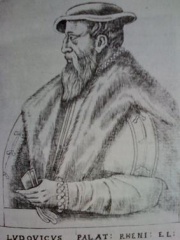
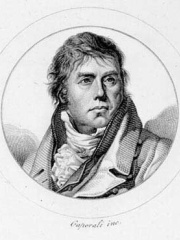
Among people born in Deutschland, Dieter Rams ranks 1,835 out of NaN. Before him are Carl Ludwig Blume (1796), Louis VI, Elector Palatine (1539), Christoph Graupner (1683), Simon Mayr (1763), Alfred Einstein (1880), and Horst Seehofer (1949). After him are Heinrich Marschner (1795), Hans Langsdorff (1894), Joos van Cleve (1485), Friedrich Ebert Jr. (1894), Paul Frederick, Grand Duke of Mecklenburg-Schwerin (1800), and Caspar Friedrich Wolff (1735).
Others born in Deutschland
Go to all Rankings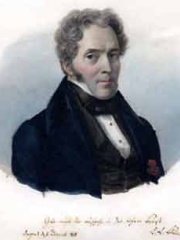
Carl Ludwig Blume
BIOLOGIST
1796 - 1862
HPI: 64.46
Rank: 1,829
Louis VI, Elector Palatine
POLITICIAN
1539 - 1583
HPI: 64.46
Rank: 1,830

Christoph Graupner
COMPOSER
1683 - 1760
HPI: 64.46
Rank: 1,831
Simon Mayr
COMPOSER
1763 - 1845
HPI: 64.46
Rank: 1,832
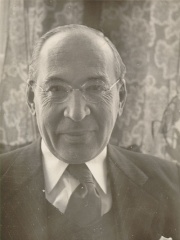
Alfred Einstein
COMPOSER
1880 - 1952
HPI: 64.44
Rank: 1,833
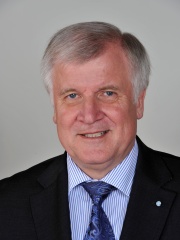
Horst Seehofer
POLITICIAN
1949 - Present
HPI: 64.44
Rank: 1,834
Dieter Rams
DESIGNER
1932 - Present
HPI: 64.44
Rank: 1,835
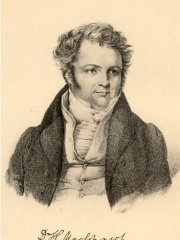
Heinrich Marschner
COMPOSER
1795 - 1861
HPI: 64.43
Rank: 1,836
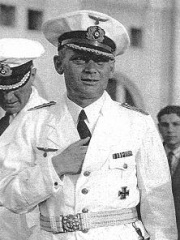
Hans Langsdorff
MILITARY PERSONNEL
1894 - 1939
HPI: 64.43
Rank: 1,837
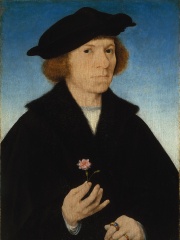
Joos van Cleve
PAINTER
1485 - 1540
HPI: 64.43
Rank: 1,838
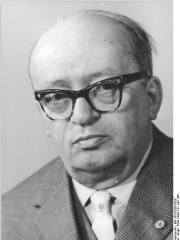
Friedrich Ebert Jr.
POLITICIAN
1894 - 1979
HPI: 64.43
Rank: 1,839
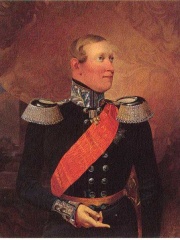
Paul Frederick, Grand Duke of Mecklenburg-Schwerin
POLITICIAN
1800 - 1842
HPI: 64.43
Rank: 1,840

Caspar Friedrich Wolff
PHYSICIAN
1735 - 1794
HPI: 64.43
Rank: 1,841
Among Designers In Deutschland
Among designers born in Deutschland, Dieter Rams ranks 4. Before him are Hugo Boss (1885), Michael Thonet (1796), and Georg Elser (1903). After him are Hubert Blaine Wolfeschlegelsteinhausenbergerdorff Sr. (1914), Margarete Steiff (1847), Luigi Colani (1928), Otl Aicher (1922), Anton Koberger (1440), Erik Spiekermann (1947), and Philipp Plein (1978).
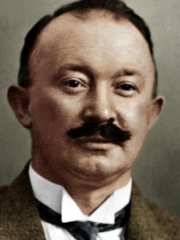
Hugo Boss
1885 - 1948
HPI: 73.83
Rank: 1
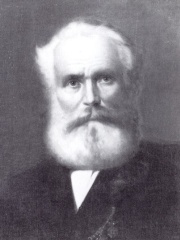
Michael Thonet
1796 - 1871
HPI: 70.03
Rank: 2
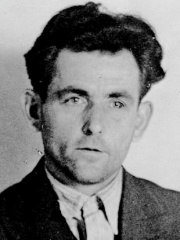
Georg Elser
1903 - 1945
HPI: 68.33
Rank: 3
Dieter Rams
1932 - Present
HPI: 64.44
Rank: 4

Hubert Blaine Wolfeschlegelsteinhausenbergerdorff Sr.
1914 - 1997
HPI: 62.15
Rank: 5
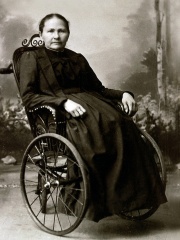
Margarete Steiff
1847 - 1909
HPI: 61.65
Rank: 6

Luigi Colani
1928 - 2019
HPI: 61.39
Rank: 7

Otl Aicher
1922 - 1991
HPI: 61.19
Rank: 8

Anton Koberger
1440 - 1513
HPI: 58.51
Rank: 9

Erik Spiekermann
1947 - Present
HPI: 54.94
Rank: 10

Philipp Plein
1978 - Present
HPI: 52.95
Rank: 11




