عالم رياضيات
Philip Hall
1904 - 1982
AR.WIKIPEDIA PAGE VIEWS (PV)
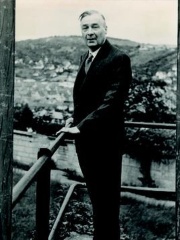
 Philip Hall
سيرته الذاتية متاحة بـ16 لغة مختلفة على ويكيبيديا. يحتل Philip Hall المرتبة 914 بين أكثر عالم رياضيات شعبيةً (تراجعًا من 880 في 2024)، والمرتبة 5,163 بين أكثر السير الذاتية شعبيةً في المملكة المتحدة (تراجعًا من 4,735 في 2019)، كما يحتل المرتبة 96 بين أكثر عالم رياضيات من المملكة المتحدة شعبيةً.
Memorability Metrics
6.8k
Page Views
Past 12 months
52.25
HPI
Historical Popularity Index
Page views of Philip Hall by language
Among عالم رياضيات
Among عالم رياضيات, Philip Hall ranks 914 out of 1,004. Before him are Christine Darden, Armand Borel, Richard Borcherds, David Blackwell, Mark Kac, and Salomon Bochner. After him are Don Zagier, Branko Grünbaum, Paul Koebe, James Arthur, Martin David Kruskal, and William Spottiswoode.
Most Popular عالم رياضيات in Wikipedia
Go to all Rankings

Christine Darden
1942 - Present
HPI: 52.42
Rank: 908

Armand Borel
1923 - 2003
HPI: 52.36
Rank: 909
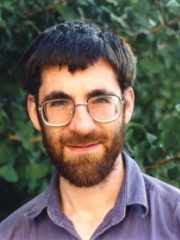
Richard Borcherds
1959 - Present
HPI: 52.34
Rank: 910
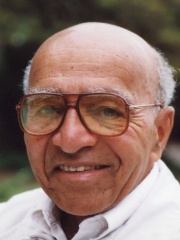
David Blackwell
1919 - 2010
HPI: 52.29
Rank: 911
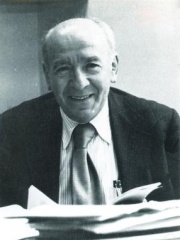
Mark Kac
1914 - 1984
HPI: 52.27
Rank: 912
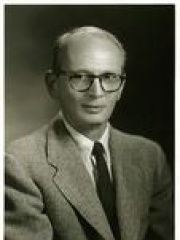
Salomon Bochner
1899 - 1982
HPI: 52.27
Rank: 913
Philip Hall
1904 - 1982
HPI: 52.25
Rank: 914

Don Zagier
1951 - Present
HPI: 52.19
Rank: 915

Branko Grünbaum
1929 - 2018
HPI: 52.17
Rank: 916
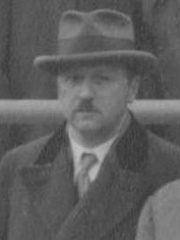
Paul Koebe
1882 - 1945
HPI: 52.17
Rank: 917

James Arthur
1944 - Present
HPI: 52.17
Rank: 918
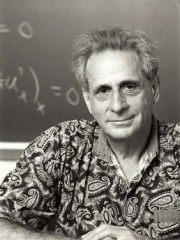
Martin David Kruskal
1925 - 2006
HPI: 52.16
Rank: 919
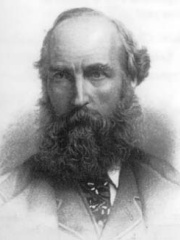
William Spottiswoode
1825 - 1883
HPI: 52.12
Rank: 920

Contemporaries
Among people born in 1904, Philip Hall ranks 325. Before him are Glenda Farrell, Steven Geray, Alexander Afinogenov, Antonio Janni, Laura La Plante, and Gordon Hodgson. After him are Lillian Copeland, John Porter, Frank Amyot, Patsy Ruth Miller, Clemente Yerovi, and George Brent. Among people deceased in 1982, Philip Hall ranks 292. Before him are James Broderick, Sue Carol, Yury Kazakov, Lamberto Dalla Costa, Cal Tjader, and Salomon Bochner. After him are Sheikh Abdullah, Otto von Porat, William Cameron Townsend, Erik Larsson, Rab Butler, and Vivien Merchant.
Others Born in 1904
Go to all Rankings
Glenda Farrell
ACTOR
1904 - 1971
HPI: 52.67
Rank: 319
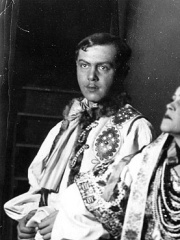
Steven Geray
ACTOR
1904 - 1973
HPI: 52.61
Rank: 320
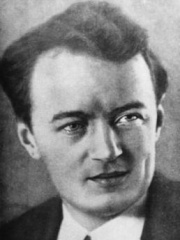
Alexander Afinogenov
WRITER
1904 - 1941
HPI: 52.60
Rank: 321
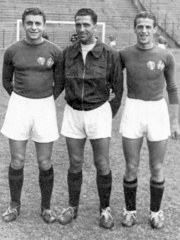
Antonio Janni
SOCCER PLAYER
1904 - 1987
HPI: 52.54
Rank: 322
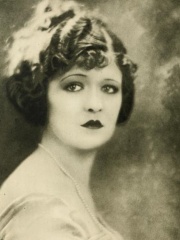
Laura La Plante
ACTOR
1904 - 1996
HPI: 52.48
Rank: 323
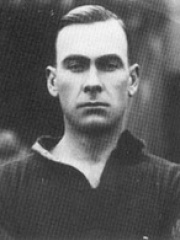
Gordon Hodgson
SOCCER PLAYER
1904 - 1951
HPI: 52.42
Rank: 324
Philip Hall
MATHEMATICIAN
1904 - 1982
HPI: 52.25
Rank: 325
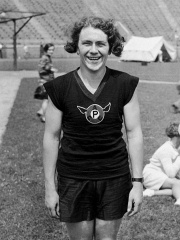
Lillian Copeland
ATHLETE
1904 - 1964
HPI: 52.18
Rank: 326
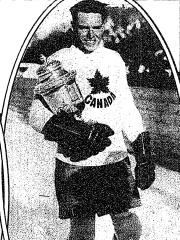
John Porter
ATHLETE
1904 - 1997
HPI: 52.06
Rank: 327
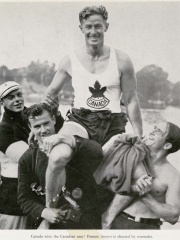
Frank Amyot
ATHLETE
1904 - 1962
HPI: 52.06
Rank: 328
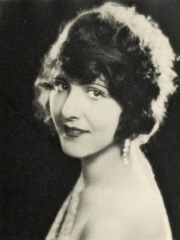
Patsy Ruth Miller
ACTOR
1904 - 1995
HPI: 51.87
Rank: 329
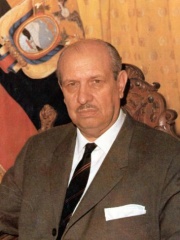
Clemente Yerovi
POLITICIAN
1904 - 1981
HPI: 51.68
Rank: 330
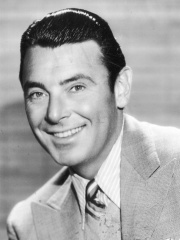
George Brent
ACTOR
1904 - 1979
HPI: 51.54
Rank: 331
Others Deceased in 1982
Go to all Rankings
James Broderick
ACTOR
1927 - 1982
HPI: 52.57
Rank: 286
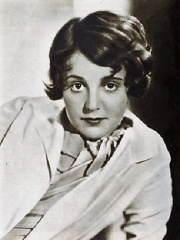
Sue Carol
ACTOR
1906 - 1982
HPI: 52.57
Rank: 287
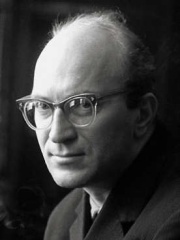
Yury Kazakov
WRITER
1927 - 1982
HPI: 52.50
Rank: 288
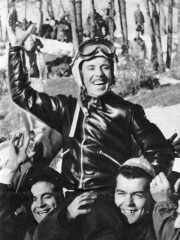
Lamberto Dalla Costa
ATHLETE
1920 - 1982
HPI: 52.39
Rank: 289
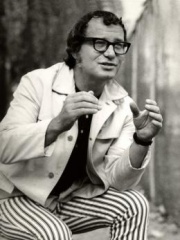
Cal Tjader
MUSICIAN
1925 - 1982
HPI: 52.29
Rank: 290
Salomon Bochner
MATHEMATICIAN
1899 - 1982
HPI: 52.27
Rank: 291
Philip Hall
MATHEMATICIAN
1904 - 1982
HPI: 52.25
Rank: 292
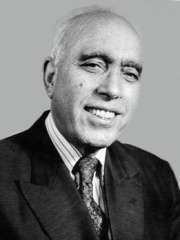
Sheikh Abdullah
POLITICIAN
1905 - 1982
HPI: 52.18
Rank: 293
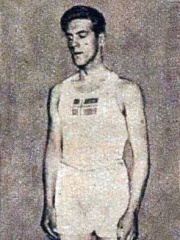
Otto von Porat
BOXER
1903 - 1982
HPI: 51.74
Rank: 294
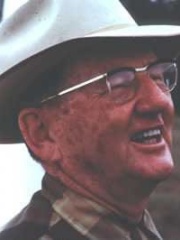
William Cameron Townsend
RELIGIOUS FIGURE
1896 - 1982
HPI: 51.49
Rank: 295
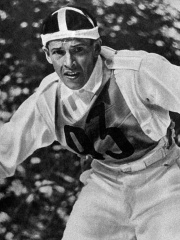
Erik Larsson
ATHLETE
1912 - 1982
HPI: 51.40
Rank: 296
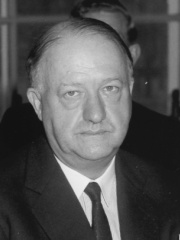
Rab Butler
POLITICIAN
1902 - 1982
HPI: 51.13
Rank: 297

Vivien Merchant
ACTOR
1929 - 1982
HPI: 51.02
Rank: 298
In المملكة المتحدة
Among people born in المملكة المتحدة, Philip Hall ranks 5,163 out of NaN. Before him are Stephanie Beacham (1947), Betty Nuthall (1911), Bob Crompton (1879), Steve Archibald (1956), Lucy Morton (1898), and Annie Lorrain Smith (1854). After him are Martin Taylor (1979), Dora Marsden (1882), Harry Ricardo (1885), Prunella Scales (1932), Stella Gibbons (1902), and Ron Greenwood (1921).
Others born in المملكة المتحدة
Go to all Rankings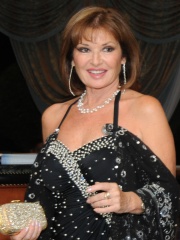
Stephanie Beacham
ACTOR
1947 - Present
HPI: 52.27
Rank: 5,157
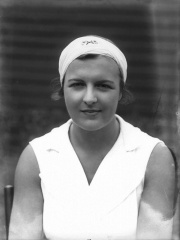
Betty Nuthall
TENNIS PLAYER
1911 - 1983
HPI: 52.27
Rank: 5,158
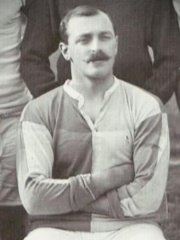
Bob Crompton
SOCCER PLAYER
1879 - 1941
HPI: 52.26
Rank: 5,159

Steve Archibald
SOCCER PLAYER
1956 - Present
HPI: 52.26
Rank: 5,160
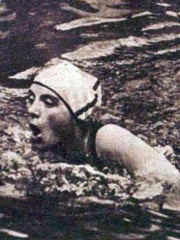
Lucy Morton
SWIMMER
1898 - 1980
HPI: 52.26
Rank: 5,161
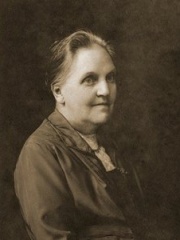
Annie Lorrain Smith
BIOLOGIST
1854 - 1937
HPI: 52.26
Rank: 5,162
Philip Hall
MATHEMATICIAN
1904 - 1982
HPI: 52.25
Rank: 5,163
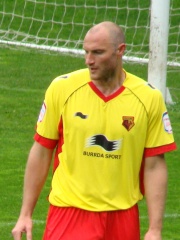
Martin Taylor
SOCCER PLAYER
1979 - Present
HPI: 52.25
Rank: 5,164
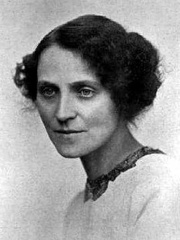
Dora Marsden
WRITER
1882 - 1960
HPI: 52.24
Rank: 5,165
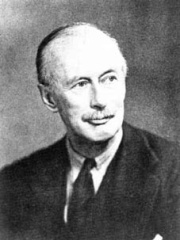
Harry Ricardo
ENGINEER
1885 - 1974
HPI: 52.24
Rank: 5,166

Prunella Scales
ACTOR
1932 - 2025
HPI: 52.24
Rank: 5,167
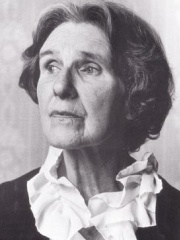
Stella Gibbons
WRITER
1902 - 1989
HPI: 52.24
Rank: 5,168
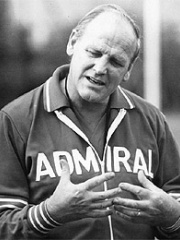
Ron Greenwood
SOCCER PLAYER
1921 - 2006
HPI: 52.23
Rank: 5,169
Among عالم رياضيات In المملكة المتحدة
Among عالم رياضيات born in المملكة المتحدة, Philip Hall ranks 96. Before him are William Shanks (1812), Joseph Wedderburn (1882), Richard Taylor (1962), Richard K. Guy (1916), I. J. Good (1916), and James Whitbread Lee Glaisher (1848). After him are William Spottiswoode (1825), Arthur Geoffrey Walker (1909), William Gemmell Cochran (1909), Henry Thomas Colebrooke (1765), W. T. Tutte (1917), and Neil Sloane (1939).

William Shanks
1812 - 1882
HPI: 54.13
Rank: 90
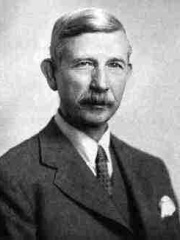
Joseph Wedderburn
1882 - 1948
HPI: 53.98
Rank: 91

Richard Taylor
1962 - Present
HPI: 53.82
Rank: 92
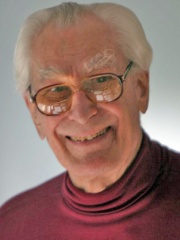
Richard K. Guy
1916 - 2020
HPI: 53.72
Rank: 93

I. J. Good
1916 - 2009
HPI: 53.68
Rank: 94
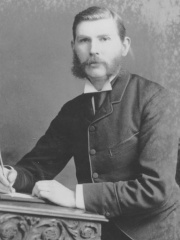
James Whitbread Lee Glaisher
1848 - 1928
HPI: 52.48
Rank: 95
Philip Hall
1904 - 1982
HPI: 52.25
Rank: 96
William Spottiswoode
1825 - 1883
HPI: 52.12
Rank: 97

Arthur Geoffrey Walker
1909 - 2001
HPI: 52.07
Rank: 98
William Gemmell Cochran
1909 - 1980
HPI: 52.06
Rank: 99
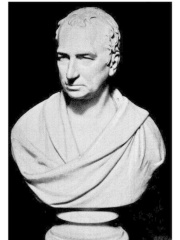
Henry Thomas Colebrooke
1765 - 1837
HPI: 51.58
Rank: 100
W. T. Tutte
1917 - 2002
HPI: 51.04
Rank: 101

Neil Sloane
1939 - Present
HPI: 50.92
Rank: 102




