Matemático
Karen Uhlenbeck
1942 - presente
VISITAS EN ES.WIKIPEDIA (PV)

 Karen Uhlenbeck
Su biografía está disponible en 50 idiomas en Wikipedia (aumentó de 48 en 2024). Karen Uhlenbeck ocupa el puesto 232 entre los matemático más populares (subió del puesto 271 en 2024), el puesto 1771 entre las biografías más populares de Estados Unidos (subió del puesto 2147 en 2019) y el puesto 13 entre los matemático de los estados unidos más populares.
Métricas de memorabilidad
35k
Visitas
Últimos 12 meses
66.69
HPI
Índice de Popularidad Histórica
Datos destacados
+5,249
Karen Uhlenbeck subió 5,249 puestos en la clasificación global de HPI de Pantheon, del n.º 20,286 al n.º 15,049.
#1,771 / 23k
Karen Uhlenbeck ocupa el puesto n.º 1,771 entre las 23,232 personas de Pantheon nacidas en Estados Unidos, dentro del 8 % más destacado del grupo.
Visitas a la página de Karen Uhlenbeck por idioma
Entre Matemático
Entre Matemático, Karen Uhlenbeck ocupa el puesto 232 de 1,010. Antes de ella están Abū Kāmil Shujāʿ ibn Aslam, Antoine Augustin Cournot, Pierre Varignon, Helge von Koch, Hermann Grassmann, y Menaechmus. Después de ella están Abu Nasr Mansur, Theaetetus, Joseph Petzval, Michael Atiyah, Callippus, y Michel Chasles.
Matemático más populares en Wikipedia
Ver todas las clasificaciones

Abū Kāmil Shujāʿ ibn Aslam
850 - 930
HPI: 66.86
Puesto: 226
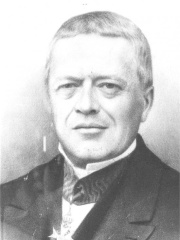
Antoine Augustin Cournot
1801 - 1877
HPI: 66.77
Puesto: 227
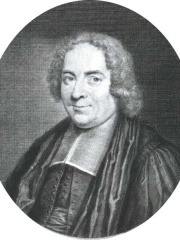
Pierre Varignon
1654 - 1722
HPI: 66.72
Puesto: 228

Helge von Koch
1870 - 1924
HPI: 66.71
Puesto: 229
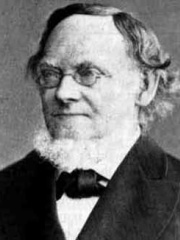
Hermann Grassmann
1809 - 1877
HPI: 66.71
Puesto: 230

Menaechmus
375 a. C. - 300 a. C.
HPI: 66.70
Puesto: 231
Karen Uhlenbeck
1942 - presente
HPI: 66.69
Puesto: 232

Abu Nasr Mansur
960 - 1036
HPI: 66.50
Puesto: 233

Theaetetus
417 a. C. - 369 a. C.
HPI: 66.49
Puesto: 234
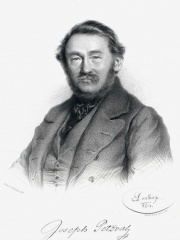
Joseph Petzval
1807 - 1891
HPI: 66.47
Puesto: 235
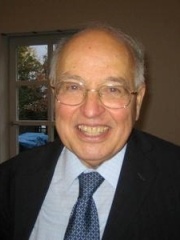
Michael Atiyah
1929 - 2019
HPI: 66.44
Puesto: 236

Callippus
370 a. C. - 300 a. C.
HPI: 66.43
Puesto: 237
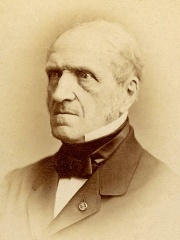
Michel Chasles
1793 - 1880
HPI: 66.41
Puesto: 238

Contemporáneos
Entre las personas nacidas en 1942, Karen Uhlenbeck ocupa el puesto 116. Antes de ella están Lee Kun-hee, Donna Leon, Muhammadu Buhari, Maria Kaczyńska, Britt Ekland, y Linda Evans. Después de ella están Mike Newell, Fred Ward, Larry Flynt, Michael Jackson, Carlos Monzón, y George Jung.
Otras personas nacidas en 1942
Ver todas las clasificaciones
Lee Kun-hee
BUSINESSPERSON
1942 - 2020
HPI: 67.05
Puesto: 110
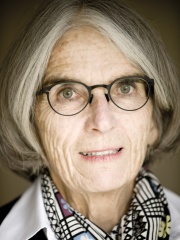
Donna Leon
WRITER
1942 - presente
HPI: 67.02
Puesto: 111
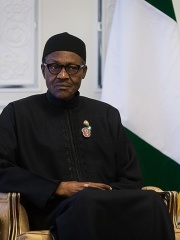
Muhammadu Buhari
POLITICIAN
1942 - 2025
HPI: 66.95
Puesto: 112

Maria Kaczyńska
POLITICIAN
1942 - 2010
HPI: 66.88
Puesto: 113

Britt Ekland
ACTOR
1942 - presente
HPI: 66.77
Puesto: 114
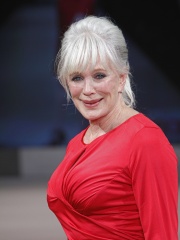
Linda Evans
ACTOR
1942 - presente
HPI: 66.76
Puesto: 115
Karen Uhlenbeck
MATHEMATICIAN
1942 - presente
HPI: 66.69
Puesto: 116
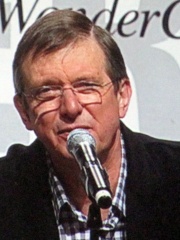
Mike Newell
FILM DIRECTOR
1942 - presente
HPI: 66.69
Puesto: 117

Fred Ward
ACTOR
1942 - 2022
HPI: 66.69
Puesto: 118
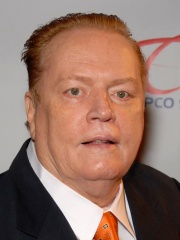
Larry Flynt
BUSINESSPERSON
1942 - 2021
HPI: 66.49
Puesto: 119

Michael Jackson
WRITER
1942 - 2007
HPI: 66.43
Puesto: 120
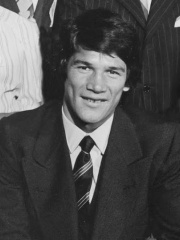
Carlos Monzón
BOXER
1942 - 1995
HPI: 66.33
Puesto: 121
George Jung
EXTREMIST
1942 - 2021
HPI: 66.31
Puesto: 122
En Estados Unidos
Entre las personas nacidas en Estados Unidos, Karen Uhlenbeck ocupa el puesto 1,771 de 23,232. Antes de ella están Courtney Love (1964), William C. McCool (1961), Hugh Glass (1783), Paul Ryan (1970), Ronnie Coleman (1964), y Kaley Cuoco (1985). Después de ella están Lee Evans (1947), Fred Ward (1942), Patrick McGoohan (1928), John Fogerty (1945), Myrtle Corbin (1868), y Benjamin Butler (1818).
Otras personas nacidas en Estados Unidos
Ver todas las clasificaciones
Courtney Love
SINGER
1964 - presente
HPI: 66.73
Puesto: 1,765

William C. McCool
ASTRONAUT
1961 - 2003
HPI: 66.73
Puesto: 1,766
Hugh Glass
EXPLORER
1783 - 1833
HPI: 66.73
Puesto: 1,767
Paul Ryan
POLITICIAN
1970 - presente
HPI: 66.71
Puesto: 1,768
Ronnie Coleman
ATHLETE
1964 - presente
HPI: 66.70
Puesto: 1,769
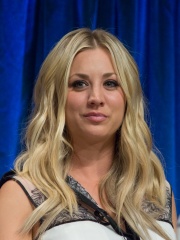
Kaley Cuoco
ACTOR
1985 - presente
HPI: 66.70
Puesto: 1,770
Karen Uhlenbeck
MATHEMATICIAN
1942 - presente
HPI: 66.69
Puesto: 1,771
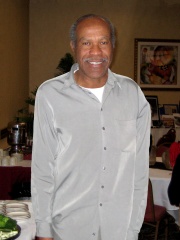
Lee Evans
ATHLETE
1947 - 2021
HPI: 66.69
Puesto: 1,772
Fred Ward
ACTOR
1942 - 2022
HPI: 66.69
Puesto: 1,773

Patrick McGoohan
ACTOR
1928 - 2009
HPI: 66.69
Puesto: 1,774

John Fogerty
SINGER
1945 - presente
HPI: 66.68
Puesto: 1,775
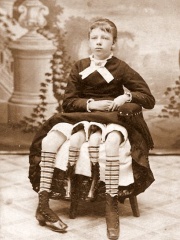
Myrtle Corbin
CELEBRITY
1868 - 1928
HPI: 66.68
Puesto: 1,776
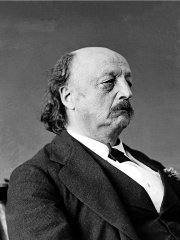
Benjamin Butler
POLITICIAN
1818 - 1893
HPI: 66.68
Puesto: 1,777
Entre Matemático en Estados Unidos
Entre Matemático nacidos en Estados Unidos, Karen Uhlenbeck ocupa el puesto 13. Antes de ella están Claude Shannon (1916), Paul Cohen (1934), John Tate (1925), Mary Jackson (1921), Edward Norton Lorenz (1917), y Alonzo Church (1903). Después de ella están Richard S. Hamilton (1943), Lloyd Shapley (1923), John G. Thompson (1932), Jesse Douglas (1897), Robert Axelrod (1943), y Stephen Smale (1930).

Claude Shannon
1916 - 2001
HPI: 72.12
Puesto: 7

Paul Cohen
1934 - 2007
HPI: 71.36
Puesto: 8

John Tate
1925 - 2019
HPI: 69.04
Puesto: 9
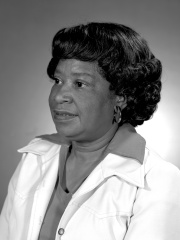
Mary Jackson
1921 - 2005
HPI: 68.42
Puesto: 10
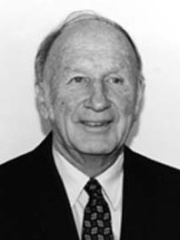
Edward Norton Lorenz
1917 - 2008
HPI: 68.25
Puesto: 11
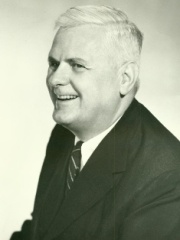
Alonzo Church
1903 - 1995
HPI: 68.08
Puesto: 12
Karen Uhlenbeck
1942 - presente
HPI: 66.69
Puesto: 13
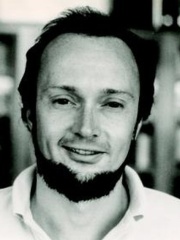
Richard S. Hamilton
1943 - 2024
HPI: 66.40
Puesto: 14

Lloyd Shapley
1923 - 2016
HPI: 65.42
Puesto: 15

John G. Thompson
1932 - presente
HPI: 64.88
Puesto: 16
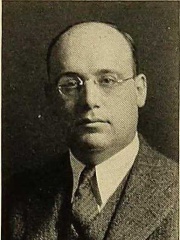
Jesse Douglas
1897 - 1965
HPI: 64.74
Puesto: 17
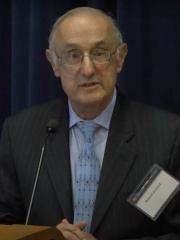
Robert Axelrod
1943 - presente
HPI: 64.65
Puesto: 18
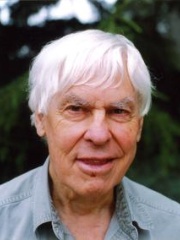
Stephen Smale
1930 - presente
HPI: 64.46
Puesto: 19




