Filosoof
Solomon ibn Gabirol
1021 - 1058
NL.WIKIPEDIA-PAGINAWEERGAVEN (PV)
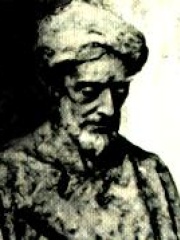
 Solomon ibn Gabirol
Zijn biografie is beschikbaar in 46 verschillende talen op Wikipedia (toegenomen van 45 in 2024). Solomon ibn Gabirol staat op plaats 220 onder de meest populaire filosoof (gedaald van plaats 196 in 2024), plaats 128 onder de meest populaire biografieën uit Spanje (gedaald van plaats 102 in 2019) en op plaats 9 onder de populairste filosoof uit Spanje.
Bekendheidsstatistieken
63k
Paginaweergaven
Afgelopen 12 maanden
73.35
HPI
Historische populariteitsindex
Data-inzichten
#128 / 3,981
Solomon ibn Gabirol staat op plaats 128 van de 3,981 personen in Pantheon die in Spanje zijn geboren, bij de beste 4% van die groep.
Paginaweergaven van Solomon ibn Gabirol per taal
Onder Filosoof
Onder Filosoof staat Solomon ibn Gabirol op plaats 220 van 1,285. Vóór hem staan Orosius, Baltasar Gracián, Hippasus, G. E. M. Anscombe, Theano, en Muhammad Abduh. Na hem komen Benjamin Constant, Xenocrates, Julius Evola, Francisco Suárez, Paulo Freire, en Joseph de Maistre.
Populairste Filosoof op Wikipedia
Naar alle ranglijsten
Orosius
375 - 420
HPI: 73.52
Plaats: 214
Baltasar Gracián
1601 - 1658
HPI: 73.52
Plaats: 215
Hippasus
600 v.Chr. - 500 v.Chr.
HPI: 73.44
Plaats: 216
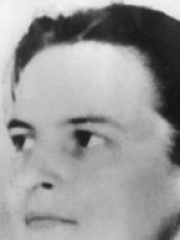
G. E. M. Anscombe
1919 - 2001
HPI: 73.41
Plaats: 217

Theano
600 v.Chr. - 600 v.Chr.
HPI: 73.38
Plaats: 218
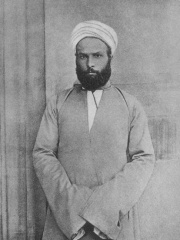
Muhammad Abduh
1849 - 1905
HPI: 73.35
Plaats: 219
Solomon ibn Gabirol
1021 - 1058
HPI: 73.35
Plaats: 220
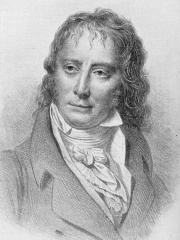
Benjamin Constant
1767 - 1830
HPI: 73.28
Plaats: 221
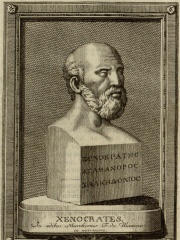
Xenocrates
396 v.Chr. - 314 v.Chr.
HPI: 73.16
Plaats: 222

Julius Evola
1898 - 1974
HPI: 73.16
Plaats: 223
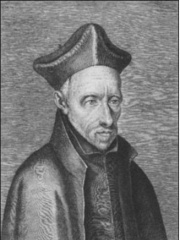
Francisco Suárez
1548 - 1617
HPI: 73.14
Plaats: 224
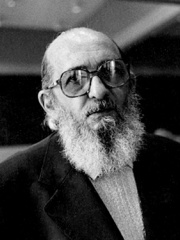
Paulo Freire
1921 - 1997
HPI: 73.10
Plaats: 225
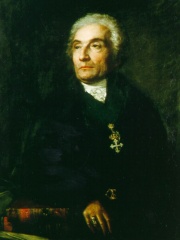
Joseph de Maistre
1753 - 1821
HPI: 73.09
Plaats: 226

Tijdgenoten
Onder de mensen geboren in 1021 staat Solomon ibn Gabirol op plaats 1. Na hem komen Eudokia Makrembolitissa, Wang Anshi, Michael Attaleiates, en Keikavus. Onder de mensen overleden in 1058 staat Solomon ibn Gabirol op plaats 2. Vóór hem staat Pope Stephen IX. Na hem komen Casimir I the Restorer, Al-Mawardi, Judith of Schweinfurt, Ermesinde of Carcassonne, Lulach, William VII, Duke of Aquitaine, en Stephen I of Croatia.
Anderen geboren in 1021
Naar alle ranglijstenSolomon ibn Gabirol
PHILOSOPHER
1021 - 1058
HPI: 73.35
Plaats: 1
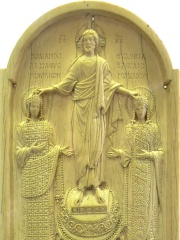
Eudokia Makrembolitissa
POLITICIAN
1021 - 1096
HPI: 70.11
Plaats: 2

Wang Anshi
ECONOMIST
1021 - 1086
HPI: 69.81
Plaats: 3
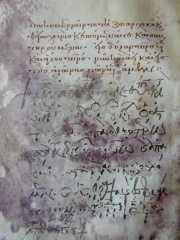
Michael Attaleiates
HISTORIAN
1021 - 1080
HPI: 63.62
Plaats: 4

Keikavus
NOBLEMAN
1021 - 1098
HPI: 56.90
Plaats: 5
Anderen overleden in 1058
Naar alle ranglijsten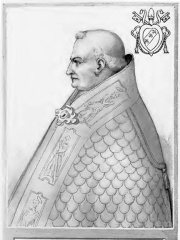
Pope Stephen IX
RELIGIOUS FIGURE
1020 - 1058
HPI: 75.71
Plaats: 1
Solomon ibn Gabirol
PHILOSOPHER
1021 - 1058
HPI: 73.35
Plaats: 2
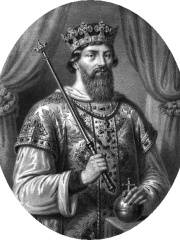
Casimir I the Restorer
POLITICIAN
1016 - 1058
HPI: 68.95
Plaats: 3

Al-Mawardi
LAWYER
974 - 1058
HPI: 66.14
Plaats: 4
Judith of Schweinfurt
POLITICIAN
1003 - 1058
HPI: 63.63
Plaats: 5
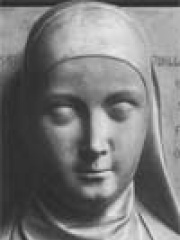
Ermesinde of Carcassonne
POLITICIAN
972 - 1058
HPI: 63.45
Plaats: 6

Lulach
POLITICIAN
1030 - 1058
HPI: 62.69
Plaats: 7

William VII, Duke of Aquitaine
POLITICIAN
1023 - 1058
HPI: 62.64
Plaats: 8

Stephen I of Croatia
POLITICIAN
HPI: 57.18
Plaats: 9
In Spanje
Onder de mensen geboren in Spanje staat Solomon ibn Gabirol op plaats 128 van 3,981. Vóór hem staan José Echegaray (1832), Antonio Banderas (1960), Miguel de Unamuno (1864), Pablo de Sarasate (1844), Baltasar Gracián (1601), en Pablo Casals (1876). Na hem komen Ferdinand III of Castile (1199), Peter of Castile (1334), Ricardo Zamora (1901), Francisco Suárez (1548), Paco de Lucía (1947), en Ibn Hazm (994).
Anderen geboren in Spanje
Naar alle ranglijsten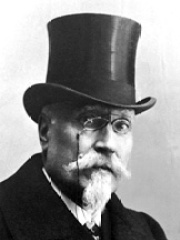
José Echegaray
ENGINEER
1832 - 1916
HPI: 73.61
Plaats: 122
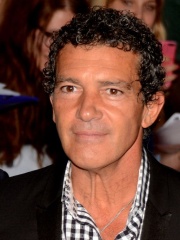
Antonio Banderas
ACTOR
1960 - heden
HPI: 73.61
Plaats: 123
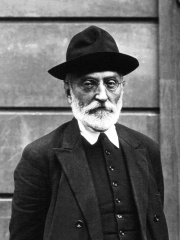
Miguel de Unamuno
PHILOSOPHER
1864 - 1936
HPI: 73.57
Plaats: 124

Pablo de Sarasate
MUSICIAN
1844 - 1908
HPI: 73.53
Plaats: 125
Baltasar Gracián
PHILOSOPHER
1601 - 1658
HPI: 73.52
Plaats: 126
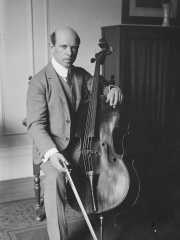
Pablo Casals
MUSICIAN
1876 - 1973
HPI: 73.47
Plaats: 127
Solomon ibn Gabirol
PHILOSOPHER
1021 - 1058
HPI: 73.35
Plaats: 128
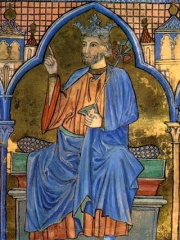
Ferdinand III of Castile
POLITICIAN
1199 - 1252
HPI: 73.30
Plaats: 129
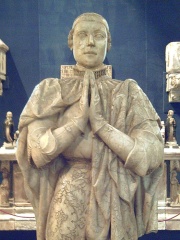
Peter of Castile
POLITICIAN
1334 - 1369
HPI: 73.17
Plaats: 130

Ricardo Zamora
SOCCER PLAYER
1901 - 1978
HPI: 73.15
Plaats: 131
Francisco Suárez
PHILOSOPHER
1548 - 1617
HPI: 73.14
Plaats: 132
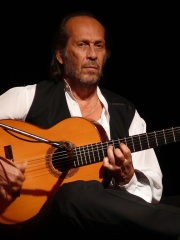
Paco de Lucía
MUSICIAN
1947 - 2014
HPI: 73.06
Plaats: 133
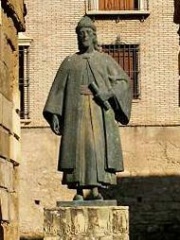
Ibn Hazm
RELIGIOUS FIGURE
994 - 1064
HPI: 72.87
Plaats: 134
Onder Filosoof in Spanje
Onder Filosoof geboren in Spanje staat Solomon ibn Gabirol op plaats 9. Vóór hem staan Ibn Arabi (1165), Ramon Llull (1232), Ibn Tufail (1110), José Ortega y Gasset (1883), Miguel de Unamuno (1864), en Baltasar Gracián (1601). Na hem komen Francisco Suárez (1548), Abraham ibn Ezra (1089), Arnaldus de Villa Nova (1240), Juan Luis Vives (1492), Nachmanides (1194), en Pompeia Plotina (65).
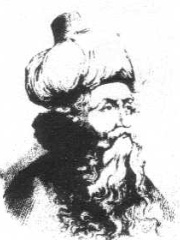
Ibn Arabi
1165 - 1240
HPI: 80.85
Plaats: 3
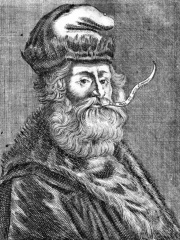
Ramon Llull
1232 - 1316
HPI: 77.38
Plaats: 4
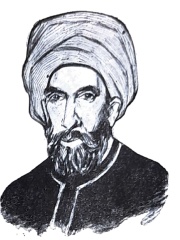
Ibn Tufail
1110 - 1185
HPI: 75.54
Plaats: 5
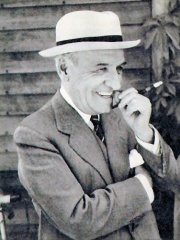
José Ortega y Gasset
1883 - 1955
HPI: 74.71
Plaats: 6
Miguel de Unamuno
1864 - 1936
HPI: 73.57
Plaats: 7
Baltasar Gracián
1601 - 1658
HPI: 73.52
Plaats: 8
Solomon ibn Gabirol
1021 - 1058
HPI: 73.35
Plaats: 9
Francisco Suárez
1548 - 1617
HPI: 73.14
Plaats: 10
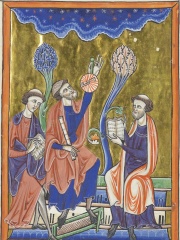
Abraham ibn Ezra
1089 - 1167
HPI: 71.20
Plaats: 11
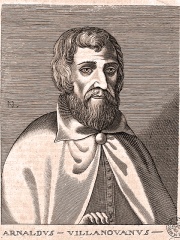
Arnaldus de Villa Nova
1240 - 1311
HPI: 70.69
Plaats: 12
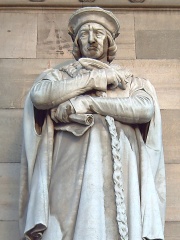
Juan Luis Vives
1492 - 1540
HPI: 69.90
Plaats: 13

Nachmanides
1194 - 1270
HPI: 69.54
Plaats: 14
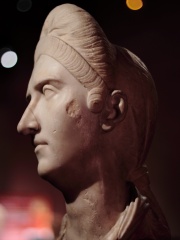
Pompeia Plotina
65 - 121
HPI: 69.35
Plaats: 15




