Politikus
Gallienus római császár
218 - 268
HU.WIKIPEDIA OLDALMEGTEKINTÉSEK (PV)
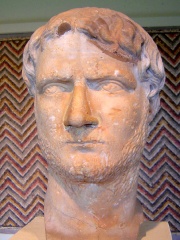
 Gallienus római császár
Életrajza 66 különböző nyelven érhető el a Wikipédián (növekedés 65-ről 2024-ben). Gallienus római császár a 889th legnépszerűbb politikus (növekedés a 1,490th-ről 2024-ben), a 395th legnépszerűbb életrajz Olaszország országából (növekedés a 575th-ről 2019-ben) és a 59th legnépszerűbb Olaszországból politikus.
Ismertségi mutatók
440k
Oldalmegtekintések
Elmúlt 12 hónap
76.39
HPI
Történelmi népszerűségi index
Adatérdekességek
#2,889
Több mint 17 évszázaddal a halála után Gallienus római császár még mindig a(z) 2,889. helyen áll a Pantheon összes személyisége között.
66
Gallienus római császár életrajza a Wikipédia 66 nyelvi változatában szerepel — több nyelven, mint a(z) Politikus 95%-a esetében.
Gallienus római császár oldalmegtekintései nyelvenként
A(z) Politikus között
A(z) Politikus között Gallienus római császár a(z) 889. helyen áll 19,576 közül. Előtte állnak: Maurice, Prince of Orange, Jadwiga of Poland, Ngo Dinh Diem, Charles IV of Spain, Yulia Tymoshenko, és Karl Liebknecht. Utána következnek: Horace Walpole, Vidkun Quisling, John A. Macdonald, Vigdís Finnbogadóttir, Robert II of France, és Imad ad-Din Zengi.
A legnépszerűbb Politikus a Wikipédián
Összes rangsor megtekintése
Maurice, Prince of Orange
1567 - 1625
HPI: 76.40
Helyezés: 883
Jadwiga of Poland
1374 - 1399
HPI: 76.40
Helyezés: 884

Ngo Dinh Diem
1901 - 1963
HPI: 76.40
Helyezés: 885
Charles IV of Spain
1748 - 1819
HPI: 76.39
Helyezés: 886

Yulia Tymoshenko
1960 - napjainkig
HPI: 76.39
Helyezés: 887
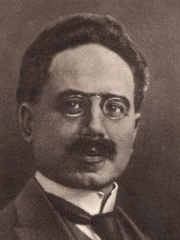
Karl Liebknecht
1871 - 1919
HPI: 76.39
Helyezés: 888
Gallienus
218 - 268
HPI: 76.39
Helyezés: 889

Horace Walpole
1717 - 1797
HPI: 76.39
Helyezés: 890
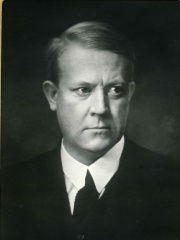
Vidkun Quisling
1887 - 1945
HPI: 76.38
Helyezés: 891
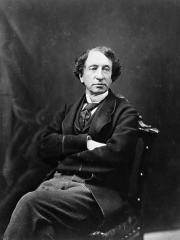
John A. Macdonald
1815 - 1891
HPI: 76.38
Helyezés: 892
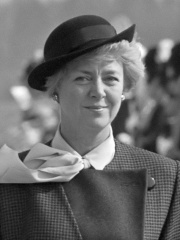
Vigdís Finnbogadóttir
1930 - napjainkig
HPI: 76.38
Helyezés: 893
Robert II of France
972 - 1031
HPI: 76.37
Helyezés: 894
Imad ad-Din Zengi
1087 - 1146
HPI: 76.37
Helyezés: 895

Kortársak
A(z) 218. évben születettek között Gallienus római császár a(z) 1. helyen áll. A(z) 268. évben elhunytak között Gallienus római császár a(z) 2. helyen áll. Előtte áll: Pope Dionysius. Utána következnek: Cornelia Salonina, Aureolus, és Licinius Valerianus.
További személyek, akik a(z) 218. évben születtek
Összes rangsor megtekintéseTovábbi személyek, akik a(z) 268. évben hunytak el
Összes rangsor megtekintése
Pope Dionysius
RELIGIOUS FIGURE
200 - 268
HPI: 76.42
Helyezés: 1
Gallienus
POLITICIAN
218 - 268
HPI: 76.39
Helyezés: 2
Cornelia Salonina
POLITICIAN
300 - 268
HPI: 64.41
Helyezés: 3
Aureolus
POLITICIAN
220 - 268
HPI: 63.86
Helyezés: 4

Licinius Valerianus
POLITICIAN
300 - 268
HPI: 60.22
Helyezés: 5
A(z) Olaszország rangsorában
A(z) Olaszország területén születettek között Gallienus római császár a(z) 395. helyen áll 5,161 közül. Előtte állnak: Man in the Iron Mask (1640), Pope John I (470), Claudio Abbado (1933), Pope John IX (850), Charles IV of Spain (1748), és Pope Mark (290). Utána következnek: Antonio Canova (1757), Pope Stephen IV (770), Gaius Octavius (-100), Pope Sergius I (650), Filippo Lippi (1406), és Guido Reni (1575).
További személyek, akik Olaszország területén születtek
Összes rangsor megtekintése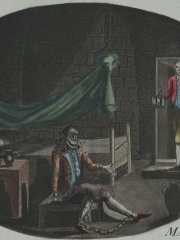
Man in the Iron Mask
EXTREMIST
1640 - 1703
HPI: 76.42
Helyezés: 389
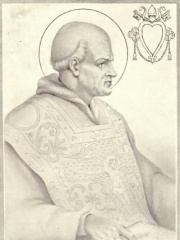
Pope John I
RELIGIOUS FIGURE
470 - 526
HPI: 76.42
Helyezés: 390

Claudio Abbado
CONDUCTOR
1933 - 2014
HPI: 76.41
Helyezés: 391
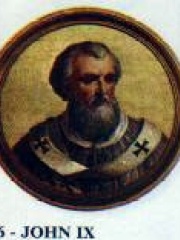
Pope John IX
RELIGIOUS FIGURE
850 - 900
HPI: 76.41
Helyezés: 392
Charles IV of Spain
POLITICIAN
1748 - 1819
HPI: 76.39
Helyezés: 393
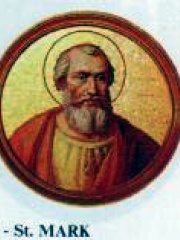
Pope Mark
RELIGIOUS FIGURE
290 - 336
HPI: 76.39
Helyezés: 394
Gallienus
POLITICIAN
218 - 268
HPI: 76.39
Helyezés: 395

Antonio Canova
SCULPTOR
1757 - 1822
HPI: 76.37
Helyezés: 396
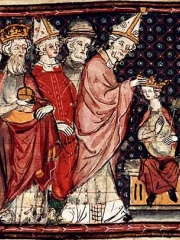
Pope Stephen IV
RELIGIOUS FIGURE
770 - 817
HPI: 76.36
Helyezés: 397
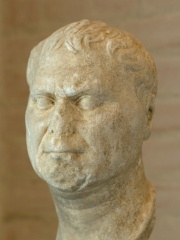
Gaius Octavius
POLITICIAN
100 BC - 58 BC
HPI: 76.35
Helyezés: 398
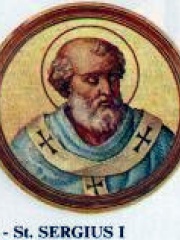
Pope Sergius I
RELIGIOUS FIGURE
650 - 701
HPI: 76.34
Helyezés: 399
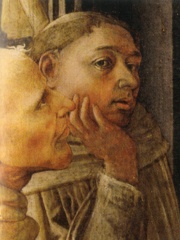
Filippo Lippi
PAINTER
1406 - 1469
HPI: 76.31
Helyezés: 400
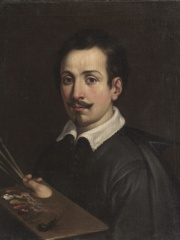
Guido Reni
PAINTER
1575 - 1642
HPI: 76.27
Helyezés: 401
A(z) Politikus között – Olaszország
A(z) Olaszország területén született Politikus között Gallienus római császár a(z) 59. helyen áll. Előtte állnak: Aldo Moro (1916), Herod Agrippa II (28), Atia (-85), Catiline (-109), Maxentius (278), és Charles IV of Spain (1748). Utána következnek: Gaius Octavius (-100), Enrico Dandolo (1107), Lucius Caesar (-17), Giorgio Napolitano (1925), Ferdinand I of the Two Sicilies (1751), és Conrad IV of Germany (1228).
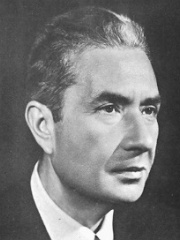
Aldo Moro
1916 - 1978
HPI: 76.98
Helyezés: 53
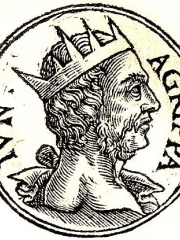
Herod Agrippa II
28 - 100
HPI: 76.66
Helyezés: 54
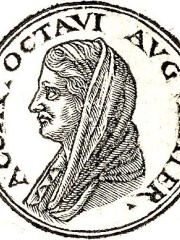
Atia
85 BC - 43 BC
HPI: 76.61
Helyezés: 55

Catiline
109 BC - 62 BC
HPI: 76.46
Helyezés: 56
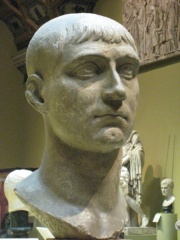
Maxentius
278 - 312
HPI: 76.43
Helyezés: 57
Charles IV of Spain
1748 - 1819
HPI: 76.39
Helyezés: 58
Gallienus
218 - 268
HPI: 76.39
Helyezés: 59
Gaius Octavius
100 BC - 58 BC
HPI: 76.35
Helyezés: 60
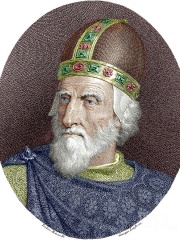
Enrico Dandolo
1107 - 1205
HPI: 76.16
Helyezés: 61
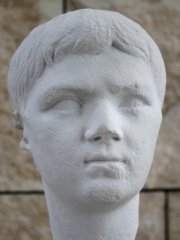
Lucius Caesar
17 BC - 2
HPI: 76.00
Helyezés: 62
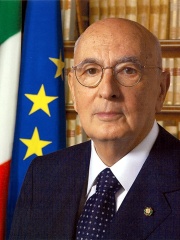
Giorgio Napolitano
1925 - 2023
HPI: 75.95
Helyezés: 63

Ferdinand I of the Two Sicilies
1751 - 1825
HPI: 75.79
Helyezés: 64
Conrad IV of Germany
1228 - 1254
HPI: 75.78
Helyezés: 65




