Político
Diodotus II
252 BC - 220 BC
PT.WIKIPEDIA PAGE VIEWS (PV)
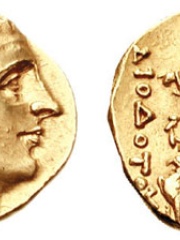
 Diodotus II
Sua biografia está disponível em 27 idiomas na Wikipédia (aumento em relação a 25 em 2024). Diodotus II é o 8455º político mais popular (subiu do 9028º em 2024), a 72ª biografia mais popular do Afeganistão e o 50º político mais popular do Afeganistão.
Memorability Metrics
12k
Page Views
Past 12 months
62.75
HPI
Historical Popularity Index
Page views of Diodotus II by language
Among Políticos
Among políticos, Diodotus II ranks 8,451 out of 19,576. Before him are Michel Kafando, Charles Watson-Wentworth, 2nd Marquess of Rockingham, Alghu, Marcus Minucius Rufus, Andranik Margaryan, and Pons, Count of Tripoli. After him are José Manuel Balmaceda, Henry II, Duke of Guise, Gerhard Klopfer, William I of Provence, Gilukhipa, and Sobekhotep III.
Most Popular Políticos in Wikipedia
Go to all Rankings
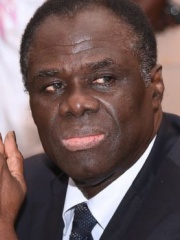
Michel Kafando
1942 - Present
HPI: 62.76
Rank: 8,449
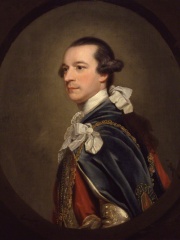
Charles Watson-Wentworth, 2nd Marquess of Rockingham
1730 - 1782
HPI: 62.76
Rank: 8,450
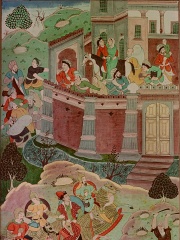
Alghu
1250 - 1266
HPI: 62.75
Rank: 8,451

Marcus Minucius Rufus
300 BC - 216 BC
HPI: 62.75
Rank: 8,452
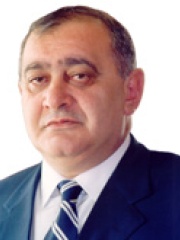
Andranik Margaryan
1949 - 2007
HPI: 62.75
Rank: 8,453
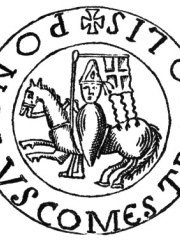
Pons, Count of Tripoli
1096 - 1137
HPI: 62.75
Rank: 8,454
Diodotus II
252 BC - 220 BC
HPI: 62.75
Rank: 8,455
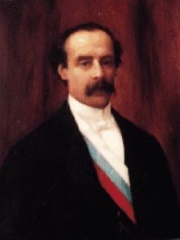
José Manuel Balmaceda
1840 - 1891
HPI: 62.75
Rank: 8,456
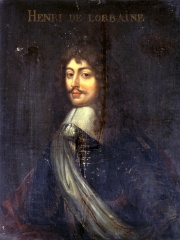
Henry II, Duke of Guise
1614 - 1664
HPI: 62.75
Rank: 8,457
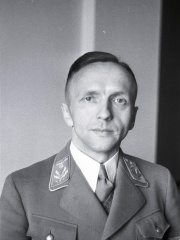
Gerhard Klopfer
1905 - 1987
HPI: 62.75
Rank: 8,458
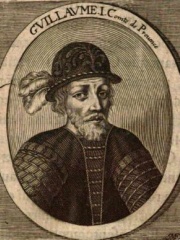
William I of Provence
950 - 993
HPI: 62.75
Rank: 8,459
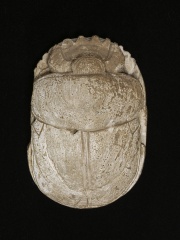
Gilukhipa
1390 BC - 1400 BC
HPI: 62.75
Rank: 8,460
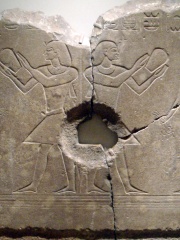
Sobekhotep III
1800 BC - 1800 BC
HPI: 62.75
Rank: 8,461

Contemporaries
Among people born in 252 BC, Diodotus II ranks 2. Before him is Dasharatha Maurya. After him is Brihadratha Maurya. Among people deceased in 220 BC, Diodotus II ranks 2. Before him is Philo of Byzantium. After him are Archidamus V, Molon, Gnaeus Cornelius Scipio Asina, and Ariarathes III of Cappadocia.
Others Born in 252 BC
Go to all Rankings
Dasharatha Maurya
POLITICIAN
252 BC - 224 BC
HPI: 69.55
Rank: 1
Diodotus II
POLITICIAN
252 BC - 220 BC
HPI: 62.75
Rank: 2

Brihadratha Maurya
POLITICIAN
252 BC - 180 BC
HPI: 58.09
Rank: 3
Others Deceased in 220 BC
Go to all Rankings
Philo of Byzantium
ENGINEER
280 BC - 220 BC
HPI: 69.80
Rank: 1
Diodotus II
POLITICIAN
252 BC - 220 BC
HPI: 62.75
Rank: 2

Archidamus V
POLITICIAN
250 BC - 220 BC
HPI: 61.10
Rank: 3

Molon
POLITICIAN
300 BC - 220 BC
HPI: 60.56
Rank: 4

Gnaeus Cornelius Scipio Asina
POLITICIAN
310 BC - 220 BC
HPI: 59.46
Rank: 5
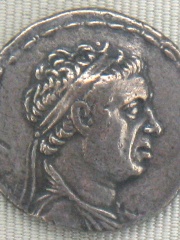
Ariarathes III of Cappadocia
POLITICIAN
300 BC - 220 BC
HPI: 58.89
Rank: 6
In Afeganistão
Among people born in Afeganistão, Diodotus II ranks 72 out of NaN. Before him are Zaman Shah Durrani (1770), Inayatullah Khan (1888), Ayub Khan (1857), Abdul Ghani Baradar (1968), Sanai (1080), and Al-Sijzi (945). After him are Kujula Kadphises (20), Jalaluddin Haqqani (1939), Akhtar Mansour (1968), Ahmad Zahir (1946), Diodotus I (-285), and Ismail Khan (1946).
Others born in Afeganistão
Go to all Rankings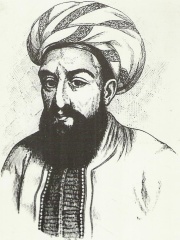
Zaman Shah Durrani
POLITICIAN
1770 - 1845
HPI: 63.88
Rank: 66
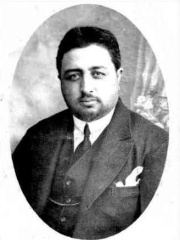
Inayatullah Khan
POLITICIAN
1888 - 1946
HPI: 63.65
Rank: 67
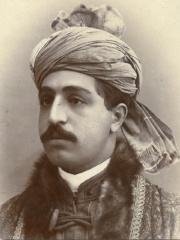
Ayub Khan
POLITICIAN
1857 - 1914
HPI: 63.58
Rank: 68
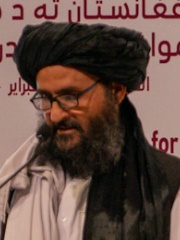
Abdul Ghani Baradar
POLITICIAN
1968 - Present
HPI: 63.48
Rank: 69
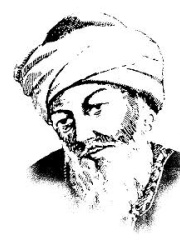
Sanai
WRITER
1080 - 1131
HPI: 63.41
Rank: 70
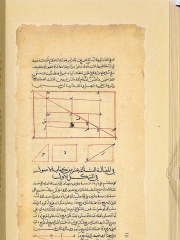
Al-Sijzi
MATHEMATICIAN
945 - 1020
HPI: 63.37
Rank: 71
Diodotus II
POLITICIAN
252 BC - 220 BC
HPI: 62.75
Rank: 72
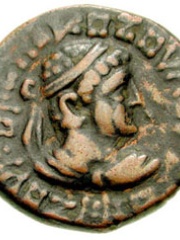
Kujula Kadphises
POLITICIAN
20 - 80
HPI: 62.71
Rank: 73
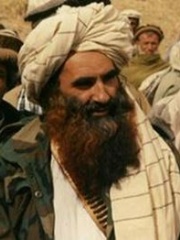
Jalaluddin Haqqani
EXTREMIST
1939 - 2018
HPI: 62.43
Rank: 74
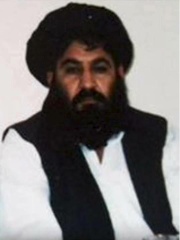
Akhtar Mansour
POLITICIAN
1968 - 2016
HPI: 62.38
Rank: 75
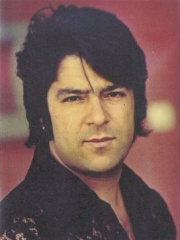
Ahmad Zahir
SINGER
1946 - 1979
HPI: 62.23
Rank: 76
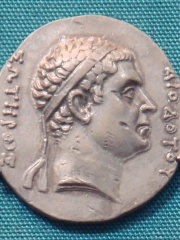
Diodotus I
POLITICIAN
285 BC - 230 BC
HPI: 62.13
Rank: 77
Ismail Khan
POLITICIAN
1946 - Present
HPI: 62.08
Rank: 78
Among Políticos In Afeganistão
Among políticos born in Afeganistão, Diodotus II ranks 50. Before him are Saman Khuda (701), Abul-Qasim Babur Mirza (1422), Zaman Shah Durrani (1770), Inayatullah Khan (1888), Ayub Khan (1857), and Abdul Ghani Baradar (1968). After him are Kujula Kadphises (20), Akhtar Mansour (1968), Diodotus I (-285), Ismail Khan (1946), Ya'qub ibn al-Layth al-Saffar (840), and Abdul Rasul Sayyaf (1946).

Saman Khuda
701 - Present
HPI: 64.13
Rank: 44

Abul-Qasim Babur Mirza
1422 - 1457
HPI: 63.92
Rank: 45
Zaman Shah Durrani
1770 - 1845
HPI: 63.88
Rank: 46
Inayatullah Khan
1888 - 1946
HPI: 63.65
Rank: 47
Ayub Khan
1857 - 1914
HPI: 63.58
Rank: 48
Abdul Ghani Baradar
1968 - Present
HPI: 63.48
Rank: 49
Diodotus II
252 BC - 220 BC
HPI: 62.75
Rank: 50
Kujula Kadphises
20 - 80
HPI: 62.71
Rank: 51
Akhtar Mansour
1968 - 2016
HPI: 62.38
Rank: 52
Diodotus I
285 BC - 230 BC
HPI: 62.13
Rank: 53
Ismail Khan
1946 - Present
HPI: 62.08
Rank: 54
Ya'qub ibn al-Layth al-Saffar
840 - 879
HPI: 61.75
Rank: 55
Abdul Rasul Sayyaf
1946 - Present
HPI: 61.70
Rank: 56




