Polityk
Mithridates I of Parthia
195 BC - 132 BC
WYŚWIETLENIA PL.WIKIPEDIA (PV)
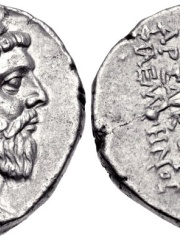
 Mithridates I of Parthia
Jego biografia jest dostępna w 45 różnych językach w Wikipedii (wzrost z 44 w 2024 roku). Mithridates I of Parthia jest 2677. najpopularniejszym polityk (wzrost z 2706. w 2024 roku), 91. najpopularniejszą biografią Iran (wzrost z 107. w 2019 roku) oraz 48. najpopularniejszym polityk Iran.
Wskaźniki rozpoznawalności
82k
Wyświetlenia strony
Ostatnie 12 miesięcy
70.43
HPI
Indeks historycznej popularności
Ciekawostki z danych
45
Biografia postaci Mithridates I of Parthia obejmuje 45 wersji językowych Wikipedii, a jej Historyczny Indeks Popularności wynosi 70.43.
Wyświetlenia strony Mithridates I of Parthia według języka
Wśród przedstawicieli zawodu Polityk
Wśród przedstawicieli zawodu „Polityk” Mithridates I of Parthia zajmuje 2,676. miejsce na 20,022. Przed nim są Juscelino Kubitschek, Princess Augusta Wilhelmine of Hesse-Darmstadt, Abgar V, Ricimer, Jehoahaz of Judah, i Shah Jahan II. Po nim są Shigeru Ishiba, Kārlis Ulmanis, Frederick IV, Elector Palatine, Humphrey, Duke of Gloucester, Emperor Higashiyama, i Gustav Bauer.
Najpopularniejsi w Wikipedii: Polityk
Zobacz wszystkie rankingi
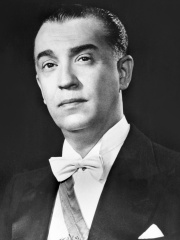
Juscelino Kubitschek
1902 - 1976
HPI: 70.43
Miejsce: 2,671

Princess Augusta Wilhelmine of Hesse-Darmstadt
1765 - 1796
HPI: 70.43
Miejsce: 2,672
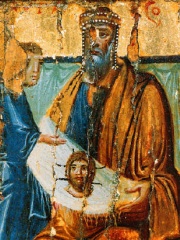
Abgar V
1 p.n.e. - 50
HPI: 70.43
Miejsce: 2,673
Ricimer
405 - 472
HPI: 70.43
Miejsce: 2,674
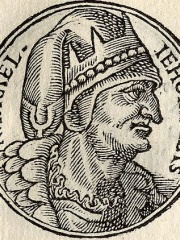
Jehoahaz of Judah
630 p.n.e. - 700 p.n.e.
HPI: 70.43
Miejsce: 2,675
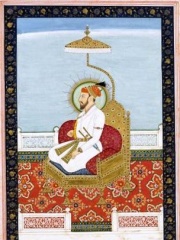
Shah Jahan II
1696 - 1719
HPI: 70.43
Miejsce: 2,676
Mithridates I of Parthia
195 p.n.e. - 132 p.n.e.
HPI: 70.43
Miejsce: 2,677

Shigeru Ishiba
1957 - obecnie
HPI: 70.43
Miejsce: 2,678
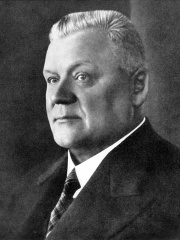
Kārlis Ulmanis
1877 - 1942
HPI: 70.42
Miejsce: 2,679
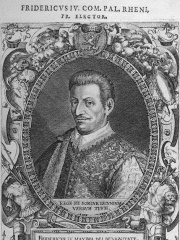
Frederick IV, Elector Palatine
1574 - 1610
HPI: 70.42
Miejsce: 2,680
Humphrey, Duke of Gloucester
1390 - 1447
HPI: 70.42
Miejsce: 2,681

Emperor Higashiyama
1675 - 1710
HPI: 70.42
Miejsce: 2,682
Gustav Bauer
1870 - 1944
HPI: 70.42
Miejsce: 2,683

Współcześni
Wśród osób urodzonych w 195 BC roku Mithridates I of Parthia zajmuje 1. miejsce. Wśród osób zmarłych w 132 BC roku Mithridates I of Parthia zajmuje 1. miejsce. Po nim są Publius Cornelius Scipio Nasica Serapio, i Eunus.
Inne osoby urodzone w 195 BC roku
Zobacz wszystkie rankingiInne osoby zmarłe w 132 BC roku
Zobacz wszystkie rankingiMithridates I of Parthia
POLITICIAN
195 p.n.e. - 132 p.n.e.
HPI: 70.43
Miejsce: 1

Publius Cornelius Scipio Nasica Serapio
POLITICIAN
181 p.n.e. - 132 p.n.e.
HPI: 65.33
Miejsce: 2
Eunus
SOCIAL ACTIVIST
200 p.n.e. - 132 p.n.e.
HPI: 62.66
Miejsce: 3
W kraju Iran
Wśród osób urodzonych w kraju Iran Mithridates I of Parthia zajmuje 91. miejsce na 800. Przed nim są Abdullah al-Mahdi Billah (873), Magtymguly Pyragy (1733), Ismail II (1533), Abbas II of Persia (1633), Abu Sa'id Bahadur Khan (1305), i Barkiyaruq (1081). Po nim są Yazdegerd I (400), Gaykhatu (1300), Mazdak (450), Ali al-Sistani (1930), Bahram V (406), i Naser al-Din Shah Qajar (1831).
Inne osoby urodzone w kraju Iran
Zobacz wszystkie rankingi
Abdullah al-Mahdi Billah
POLITICIAN
873 - 934
HPI: 70.87
Miejsce: 85
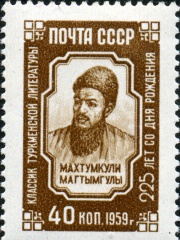
Magtymguly Pyragy
WRITER
1733 - 1807
HPI: 70.86
Miejsce: 86
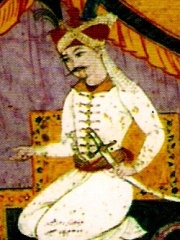
Ismail II
POLITICIAN
1533 - 1577
HPI: 70.82
Miejsce: 87
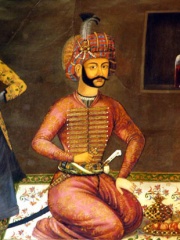
Abbas II of Persia
POLITICIAN
1633 - 1666
HPI: 70.72
Miejsce: 88
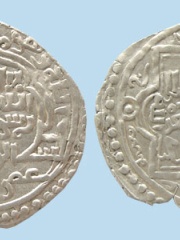
Abu Sa'id Bahadur Khan
POLITICIAN
1305 - 1335
HPI: 70.59
Miejsce: 89
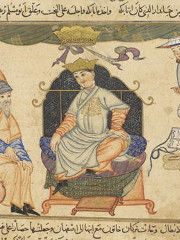
Barkiyaruq
POLITICIAN
1081 - 1104
HPI: 70.56
Miejsce: 90
Mithridates I of Parthia
POLITICIAN
195 p.n.e. - 132 p.n.e.
HPI: 70.43
Miejsce: 91
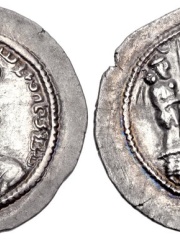
Yazdegerd I
POLITICIAN
400 - 421
HPI: 70.40
Miejsce: 92
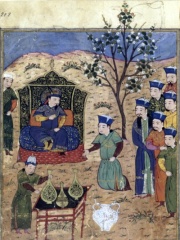
Gaykhatu
POLITICIAN
1300 - 1295
HPI: 70.32
Miejsce: 93
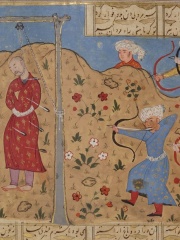
Mazdak
PHILOSOPHER
450 - 529
HPI: 70.30
Miejsce: 94
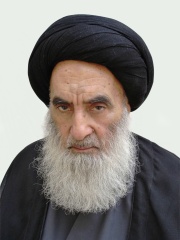
Ali al-Sistani
POLITICIAN
1930 - obecnie
HPI: 70.22
Miejsce: 95
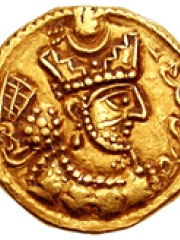
Bahram V
POLITICIAN
406 - 438
HPI: 70.21
Miejsce: 96
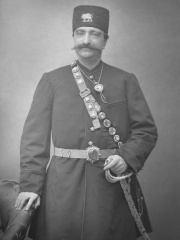
Naser al-Din Shah Qajar
POLITICIAN
1831 - 1896
HPI: 70.18
Miejsce: 97
Wśród przedstawicieli zawodu Polityk w kraju Iran
Wśród przedstawicieli zawodu „Polityk” urodzonych w kraju Iran Mithridates I of Parthia zajmuje 48. miejsce. Przed nim są Al-Hadi (764), Abdullah al-Mahdi Billah (873), Ismail II (1533), Abbas II of Persia (1633), Abu Sa'id Bahadur Khan (1305), i Barkiyaruq (1081). Po nim są Yazdegerd I (400), Gaykhatu (1300), Ali al-Sistani (1930), Bahram V (406), Naser al-Din Shah Qajar (1831), i Ahmad Shah Qajar (1898).
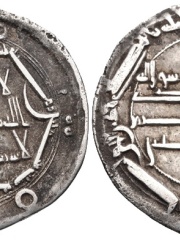
Al-Hadi
764 - 786
HPI: 71.01
Miejsce: 42
Abdullah al-Mahdi Billah
873 - 934
HPI: 70.87
Miejsce: 43
Ismail II
1533 - 1577
HPI: 70.82
Miejsce: 44
Abbas II of Persia
1633 - 1666
HPI: 70.72
Miejsce: 45
Abu Sa'id Bahadur Khan
1305 - 1335
HPI: 70.59
Miejsce: 46
Barkiyaruq
1081 - 1104
HPI: 70.56
Miejsce: 47
Mithridates I of Parthia
195 p.n.e. - 132 p.n.e.
HPI: 70.43
Miejsce: 48
Yazdegerd I
400 - 421
HPI: 70.40
Miejsce: 49
Gaykhatu
1300 - 1295
HPI: 70.32
Miejsce: 50
Ali al-Sistani
1930 - obecnie
HPI: 70.22
Miejsce: 51
Bahram V
406 - 438
HPI: 70.21
Miejsce: 52
Naser al-Din Shah Qajar
1831 - 1896
HPI: 70.18
Miejsce: 53
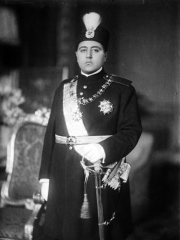
Ahmad Shah Qajar
1898 - 1930
HPI: 69.82
Miejsce: 54




