Politikus
Diodotus II
252 BC - 220 BC
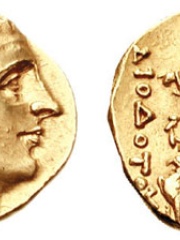
 Diodotus II
Életrajza 27 különböző nyelven érhető el a Wikipédián (növekedés 25-ről 2024-ben). Diodotus II a 8,455th legnépszerűbb politikus (növekedés a 9,028th-ről 2024-ben), a 72nd legnépszerűbb életrajz Afganisztán országából és a 50th legnépszerűbb Afganisztánból politikus.
Ismertségi mutatók
12k
Oldalmegtekintések
Elmúlt 12 hónap
62.75
HPI
Történelmi népszerűségi index
Adatérdekességek
#26,325
Több mint 22 évszázaddal a halála után Diodotus II még mindig a(z) 26,325. helyen áll a Pantheon összes személyisége között.
Diodotus II oldalmegtekintései nyelvenként
A(z) Politikus között
A(z) Politikus között Diodotus II a(z) 8,451. helyen áll 19,576 közül. Előtte állnak: Michel Kafando, Charles Watson-Wentworth, 2nd Marquess of Rockingham, Alghu, Marcus Minucius Rufus, Andranik Margaryan, és Pons, Count of Tripoli. Utána következnek: José Manuel Balmaceda, Henry II, Duke of Guise, Gerhard Klopfer, William I of Provence, Gilukhipa, és Sobekhotep III.
A legnépszerűbb Politikus a Wikipédián
Összes rangsor megtekintése
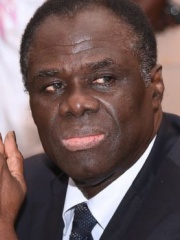
Michel Kafando
1942 - napjainkig
HPI: 62.76
Helyezés: 8,449
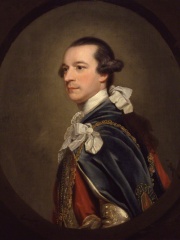
Charles Watson-Wentworth, 2nd Marquess of Rockingham
1730 - 1782
HPI: 62.76
Helyezés: 8,450
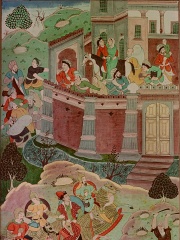
Alghu
1250 - 1266
HPI: 62.75
Helyezés: 8,451

Marcus Minucius Rufus
300 BC - 216 BC
HPI: 62.75
Helyezés: 8,452
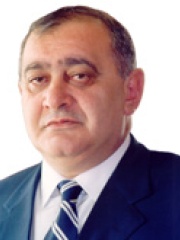
Andranik Margaryan
1949 - 2007
HPI: 62.75
Helyezés: 8,453
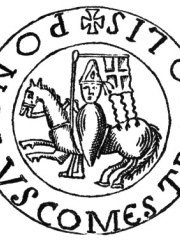
Pons, Count of Tripoli
1096 - 1137
HPI: 62.75
Helyezés: 8,454
Diodotus II
252 BC - 220 BC
HPI: 62.75
Helyezés: 8,455
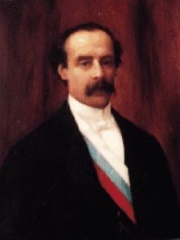
José Manuel Balmaceda
1840 - 1891
HPI: 62.75
Helyezés: 8,456
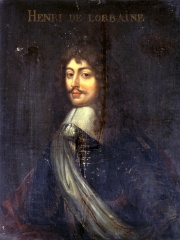
Henry II, Duke of Guise
1614 - 1664
HPI: 62.75
Helyezés: 8,457
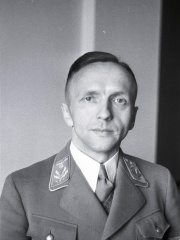
Gerhard Klopfer
1905 - 1987
HPI: 62.75
Helyezés: 8,458

William I of Provence
950 - 993
HPI: 62.75
Helyezés: 8,459
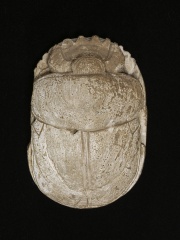
Gilukhipa
1390 BC - 1400 BC
HPI: 62.75
Helyezés: 8,460
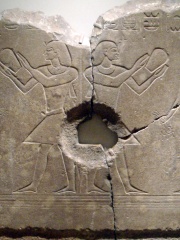
Sobekhotep III
1800 BC - 1800 BC
HPI: 62.75
Helyezés: 8,461

Kortársak
A(z) 252 BC. évben születettek között Diodotus II a(z) 2. helyen áll. Előtte áll: Dasharatha Maurya. Utána következik: Brihadratha Maurya. A(z) 220 BC. évben elhunytak között Diodotus II a(z) 2. helyen áll. Előtte áll: Philo of Byzantium. Utána következnek: Archidamus V, Molon, Gnaeus Cornelius Scipio Asina, és Ariarathes III of Cappadocia.
További személyek, akik a(z) 252 BC. évben születtek
Összes rangsor megtekintése
Dasharatha Maurya
POLITICIAN
252 BC - 224 BC
HPI: 69.55
Helyezés: 1
Diodotus II
POLITICIAN
252 BC - 220 BC
HPI: 62.75
Helyezés: 2

Brihadratha Maurya
POLITICIAN
252 BC - 180 BC
HPI: 58.09
Helyezés: 3
További személyek, akik a(z) 220 BC. évben hunytak el
Összes rangsor megtekintése
Philo of Byzantium
ENGINEER
280 BC - 220 BC
HPI: 69.80
Helyezés: 1
Diodotus II
POLITICIAN
252 BC - 220 BC
HPI: 62.75
Helyezés: 2

Archidamus V
POLITICIAN
250 BC - 220 BC
HPI: 61.10
Helyezés: 3

Molon
POLITICIAN
300 BC - 220 BC
HPI: 60.56
Helyezés: 4

Gnaeus Cornelius Scipio Asina
POLITICIAN
310 BC - 220 BC
HPI: 59.46
Helyezés: 5
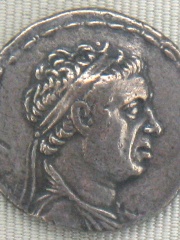
Ariarathes III of Cappadocia
POLITICIAN
300 BC - 220 BC
HPI: 58.89
Helyezés: 6
A(z) Afganisztán rangsorában
A(z) Afganisztán területén születettek között Diodotus II a(z) 72. helyen áll 177 közül. Előtte állnak: Zaman Shah Durrani (1770), Inayatullah Khan (1888), Ayub Khan (1857), Abdul Ghani Baradar (1968), Sanai (1080), és Al-Sijzi (945). Utána következnek: Kujula Kadphises (20), Jalaluddin Haqqani (1939), Akhtar Mansour (1968), Ahmad Zahir (1946), Diodotus I (-285), és Ismail Khan (1946).
További személyek, akik Afganisztán területén születtek
Összes rangsor megtekintése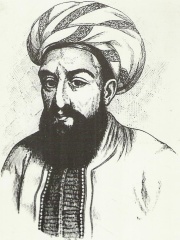
Zaman Shah Durrani
POLITICIAN
1770 - 1845
HPI: 63.88
Helyezés: 66
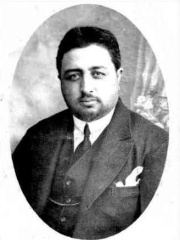
Inayatullah Khan
POLITICIAN
1888 - 1946
HPI: 63.65
Helyezés: 67
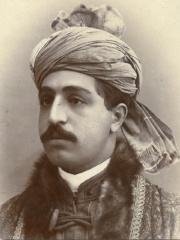
Ayub Khan
POLITICIAN
1857 - 1914
HPI: 63.58
Helyezés: 68
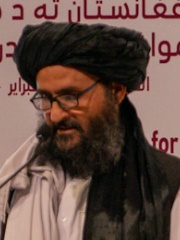
Abdul Ghani Baradar
POLITICIAN
1968 - napjainkig
HPI: 63.48
Helyezés: 69
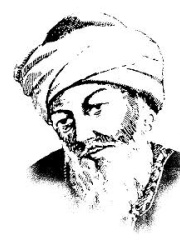
Sanai
WRITER
1080 - 1131
HPI: 63.41
Helyezés: 70
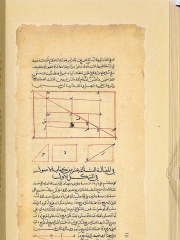
Al-Sijzi
MATHEMATICIAN
945 - 1020
HPI: 63.37
Helyezés: 71
Diodotus II
POLITICIAN
252 BC - 220 BC
HPI: 62.75
Helyezés: 72
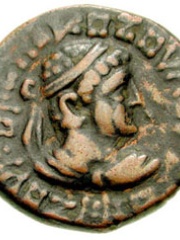
Kujula Kadphises
POLITICIAN
20 - 80
HPI: 62.71
Helyezés: 73
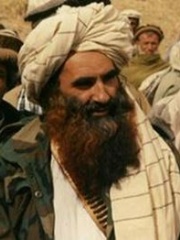
Jalaluddin Haqqani
EXTREMIST
1939 - 2018
HPI: 62.43
Helyezés: 74
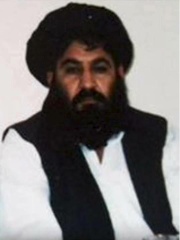
Akhtar Mansour
POLITICIAN
1968 - 2016
HPI: 62.38
Helyezés: 75
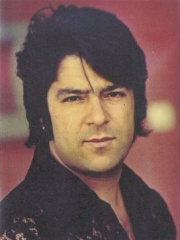
Ahmad Zahir
SINGER
1946 - 1979
HPI: 62.23
Helyezés: 76
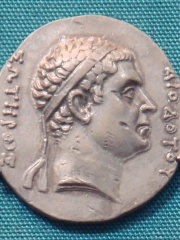
Diodotus I
POLITICIAN
285 BC - 230 BC
HPI: 62.13
Helyezés: 77
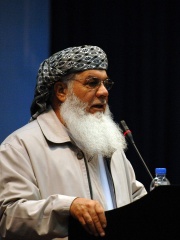
Ismail Khan
POLITICIAN
1946 - napjainkig
HPI: 62.08
Helyezés: 78
A(z) Politikus között – Afganisztán
A(z) Afganisztán területén született Politikus között Diodotus II a(z) 50. helyen áll. Előtte állnak: Saman Khuda (701), Abul-Qasim Babur Mirza (1422), Zaman Shah Durrani (1770), Inayatullah Khan (1888), Ayub Khan (1857), és Abdul Ghani Baradar (1968). Utána következnek: Kujula Kadphises (20), Akhtar Mansour (1968), Diodotus I (-285), Ismail Khan (1946), Ya'qub ibn al-Layth al-Saffar (840), és Abdul Rasul Sayyaf (1946).

Saman Khuda
701 - napjainkig
HPI: 64.13
Helyezés: 44

Abul-Qasim Babur Mirza
1422 - 1457
HPI: 63.92
Helyezés: 45
Zaman Shah Durrani
1770 - 1845
HPI: 63.88
Helyezés: 46
Inayatullah Khan
1888 - 1946
HPI: 63.65
Helyezés: 47
Ayub Khan
1857 - 1914
HPI: 63.58
Helyezés: 48
Abdul Ghani Baradar
1968 - napjainkig
HPI: 63.48
Helyezés: 49
Diodotus II
252 BC - 220 BC
HPI: 62.75
Helyezés: 50
Kujula Kadphises
20 - 80
HPI: 62.71
Helyezés: 51
Akhtar Mansour
1968 - 2016
HPI: 62.38
Helyezés: 52
Diodotus I
285 BC - 230 BC
HPI: 62.13
Helyezés: 53
Ismail Khan
1946 - napjainkig
HPI: 62.08
Helyezés: 54
Ya'qub ibn al-Layth al-Saffar
840 - 879
HPI: 61.75
Helyezés: 55
Abdul Rasul Sayyaf
1946 - napjainkig
HPI: 61.70
Helyezés: 56




