政治家
Mawdud of Ghazni
1012 - 現在
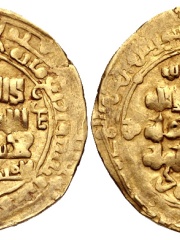
 Mawdud of Ghazni
彼の伝記はウィキペディアで16言語で利用可能です(2024年の15言語から増加)。Mawdud of Ghazniは、最も人気のある政治家の中で第11211位(2024年の第9300位から順位を下げ)、アフガニスタン人物の伝記の中で第96位(2019年の第77位から順位を下げ)、また最も人気のあるアフガニスタン人政治家の中で第66位に位置しています。
Memorability Metrics
13k
Page Views
Past 12 months
60.13
HPI
Historical Popularity Index
Page views of Mawdud of Ghazni by language
Among 政治家
Among 政治家, Mawdud of Ghazni ranks 11,205 out of 19,576. Before him are Francesc Pi i Margall, Pavel Kiselyov, Otto Strandman, Zera Yacob Amha Selassie, Henuttaneb, and Edmund Barton. After him are Ants Piip, Hans-Jochen Vogel, Michel Micombero, Princess Marie-Esméralda of Belgium, Giovanni Lanza, and Epeius of Phocis.
Most Popular 政治家 in Wikipedia
Go to all Rankings
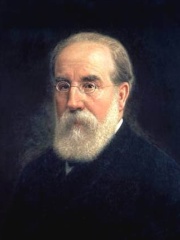
Francesc Pi i Margall
1824 - 1901
HPI: 60.13
Rank: 11,205
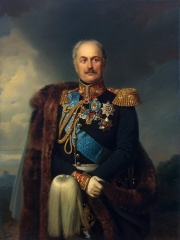
Pavel Kiselyov
1788 - 1872
HPI: 60.13
Rank: 11,206
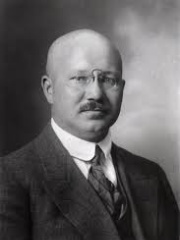
Otto Strandman
1875 - 1941
HPI: 60.13
Rank: 11,207

Zera Yacob Amha Selassie
1953 - Present
HPI: 60.13
Rank: 11,208
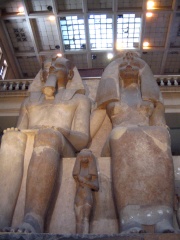
Henuttaneb
1350 BC - Present
HPI: 60.13
Rank: 11,209
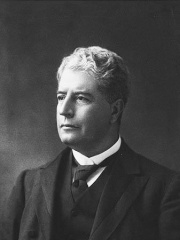
Edmund Barton
1849 - 1920
HPI: 60.13
Rank: 11,210
Mawdud of Ghazni
1012 - Present
HPI: 60.13
Rank: 11,211
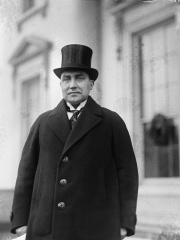
Ants Piip
1884 - 1942
HPI: 60.13
Rank: 11,212
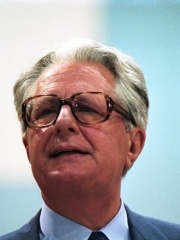
Hans-Jochen Vogel
1926 - 2020
HPI: 60.13
Rank: 11,213
Michel Micombero
1940 - 1983
HPI: 60.13
Rank: 11,214
Princess Marie-Esméralda of Belgium
1956 - Present
HPI: 60.13
Rank: 11,215
Giovanni Lanza
1810 - 1882
HPI: 60.13
Rank: 11,216

Epeius of Phocis
HPI: 60.13
Rank: 11,217

Contemporaries
Among people born in 1012, Mawdud of Ghazni ranks 6. Before him are Pope Benedict IX, Baldwin V, Count of Flanders, Marpa Lotsawa, García Sánchez III of Pamplona, and Abbad II al-Mu'tadid. After him are Odo of Gascony, and Cai Xiang.
Others Born in 1012
Go to all Rankings
Pope Benedict IX
RELIGIOUS FIGURE
1012 - 1055
HPI: 80.65
Rank: 1

Baldwin V, Count of Flanders
POLITICIAN
1012 - 1067
HPI: 67.47
Rank: 2

Marpa Lotsawa
PHILOSOPHER
1012 - 1097
HPI: 65.55
Rank: 3
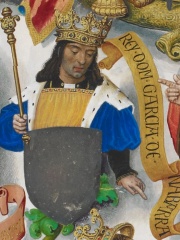
García Sánchez III of Pamplona
POLITICIAN
1012 - 1054
HPI: 64.45
Rank: 4
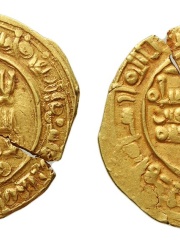
Abbad II al-Mu'tadid
POLITICIAN
1012 - 1069
HPI: 60.50
Rank: 5
Mawdud of Ghazni
POLITICIAN
1012 - Present
HPI: 60.13
Rank: 6

Odo of Gascony
NOBLEMAN
1012 - 1039
HPI: 58.71
Rank: 7
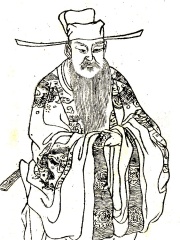
Cai Xiang
POLITICIAN
1012 - 1067
HPI: 57.03
Rank: 8
In アフガニスタン
Among people born in アフガニスタン, Mawdud of Ghazni ranks 96 out of NaN. Before him are Unsuri (980), Demetrius I of Bactria (-300), Agathokleia (-200), Humaira Begum (1918), Abdul Ali Mazari (1946), and Ashraf Hotak (1700). After him are Mahmud Tarzi (1865), Mohammad Yaqub Khan (1849), Ibrahim al-Nazzam (760), Ghiyath al-Din Muhammad (1139), Rabia Balkhi (1000), and Suhail Shaheen (null).
Others born in アフガニスタン
Go to all Rankings
Unsuri
WRITER
980 - 1039
HPI: 60.72
Rank: 90
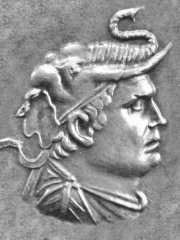
Demetrius I of Bactria
POLITICIAN
300 BC - 180 BC
HPI: 60.67
Rank: 91
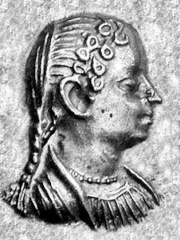
Agathokleia
POLITICIAN
200 BC - 160 BC
HPI: 60.64
Rank: 92
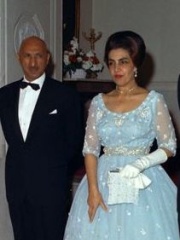
Humaira Begum
NOBLEMAN
1918 - 2002
HPI: 60.58
Rank: 93
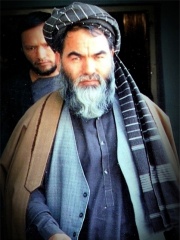
Abdul Ali Mazari
POLITICIAN
1946 - 1995
HPI: 60.41
Rank: 94
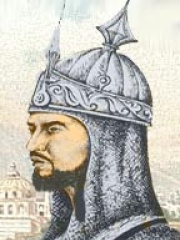
Ashraf Hotak
POLITICIAN
1700 - 1730
HPI: 60.32
Rank: 95
Mawdud of Ghazni
POLITICIAN
1012 - Present
HPI: 60.13
Rank: 96
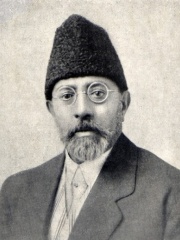
Mahmud Tarzi
POLITICIAN
1865 - 1933
HPI: 60.08
Rank: 97
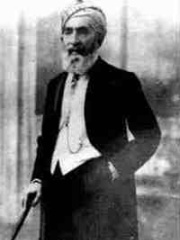
Mohammad Yaqub Khan
POLITICIAN
1849 - 1923
HPI: 60.06
Rank: 98

Ibrahim al-Nazzam
PHILOSOPHER
760 - 835
HPI: 59.64
Rank: 99
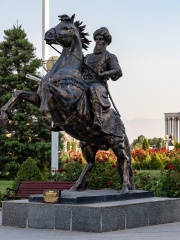
Ghiyath al-Din Muhammad
POLITICIAN
1139 - 1202
HPI: 59.55
Rank: 100

Rabia Balkhi
WRITER
1000 - Present
HPI: 59.32
Rank: 101
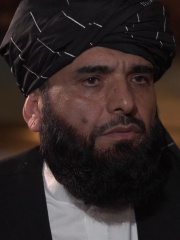
Suhail Shaheen
POLITICIAN
HPI: 59.15
Rank: 102
Among 政治家 In アフガニスタン
Among 政治家 born in アフガニスタン, Mawdud of Ghazni ranks 66. Before him are Suhaila Siddiq (1938), Eucratides I (-170), Demetrius I of Bactria (-300), Agathokleia (-200), Abdul Ali Mazari (1946), and Ashraf Hotak (1700). After him are Mahmud Tarzi (1865), Mohammad Yaqub Khan (1849), Ghiyath al-Din Muhammad (1139), Suhail Shaheen (null), Mohammed Fahim (1957), and Qabus (1000).
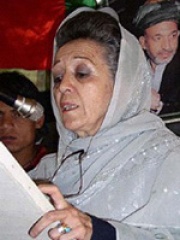
Suhaila Siddiq
1938 - 2020
HPI: 61.07
Rank: 60
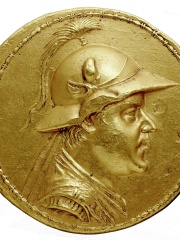
Eucratides I
170 BC - 200 BC
HPI: 60.88
Rank: 61
Demetrius I of Bactria
300 BC - 180 BC
HPI: 60.67
Rank: 62
Agathokleia
200 BC - 160 BC
HPI: 60.64
Rank: 63
Abdul Ali Mazari
1946 - 1995
HPI: 60.41
Rank: 64
Ashraf Hotak
1700 - 1730
HPI: 60.32
Rank: 65
Mawdud of Ghazni
1012 - Present
HPI: 60.13
Rank: 66
Mahmud Tarzi
1865 - 1933
HPI: 60.08
Rank: 67
Mohammad Yaqub Khan
1849 - 1923
HPI: 60.06
Rank: 68
Ghiyath al-Din Muhammad
1139 - 1202
HPI: 59.55
Rank: 69
Suhail Shaheen
HPI: 59.15
Rank: 70
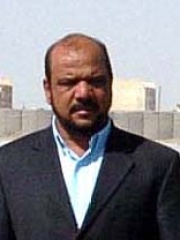
Mohammed Fahim
1957 - 2014
HPI: 59.13
Rank: 71
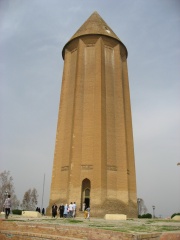
Qabus
1000 - 1012
HPI: 58.64
Rank: 72




