Историк
Khvandamir
1475 - 1534
ПРОСМОТРЫ RU.WIKIPEDIA (PV)
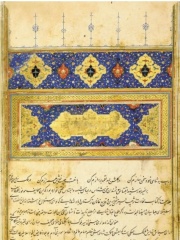
 Khvandamir
Его биография доступна на 18 различных языках в Википедии. Khvandamir занимает 223-е место среди самых популярных историк (снижение с 185-е места в 2024 году), занимает 88-е место среди самых популярных биографий из Афганистана (снижение с 70-е места в 2019 году) и занимает 4-е место среди историк Афганистан.
Метрики памятности
7.5k
Просмотры страниц
За последние 12 месяцев
60.84
HPI
Индекс исторической популярности
Интересные факты
18
Биография Khvandamir представлена в 18 языковых разделах Википедии, а Индекс исторической популярности составляет 60.84.
Просмотры страницы Khvandamir по языкам
Среди представителей профессии «Историк»
Среди представителей профессии «Историк» Khvandamir занимает 223-е место из 579. Перед ним идут Deborah Lipstadt, Annius of Viterbo, Gerardus Vossius, H. J. R. Murray, Saul Friedländer, и Fritz Fischer. После него идут Aban ibn Uthman, Gonzalo Fernández de Oviedo y Valdés, Joseph de Guignes, Constantine Lascaris, Ibn Sa'id al-Maghribi, и İbrahim Peçevi.
Самые популярные в Википедии: Историк
Все рейтинги
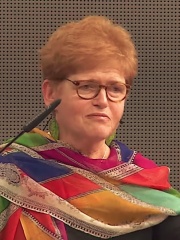
Deborah Lipstadt
1947 - наст. время
HPI: 61.07
Место: 217
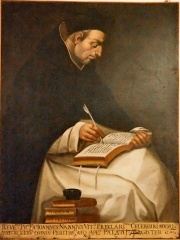
Annius of Viterbo
1437 - 1502
HPI: 61.05
Место: 218
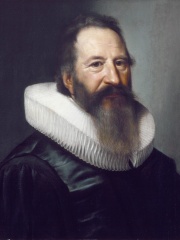
Gerardus Vossius
1577 - 1649
HPI: 60.96
Место: 219
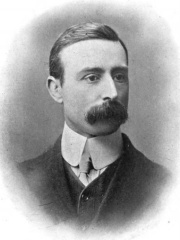
H. J. R. Murray
1868 - 1955
HPI: 60.94
Место: 220
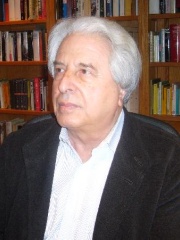
Saul Friedländer
1932 - наст. время
HPI: 60.89
Место: 221

Fritz Fischer
1908 - 1999
HPI: 60.85
Место: 222
Khvandamir
1475 - 1534
HPI: 60.84
Место: 223

Aban ibn Uthman
641 - 723
HPI: 60.82
Место: 224
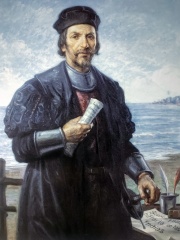
Gonzalo Fernández de Oviedo y Valdés
1478 - 1557
HPI: 60.79
Место: 225

Joseph de Guignes
1721 - 1800
HPI: 60.79
Место: 226
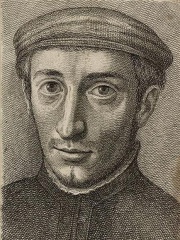
Constantine Lascaris
1434 - 1501
HPI: 60.76
Место: 227
Ibn Sa'id al-Maghribi
1213 - 1286
HPI: 60.75
Место: 228
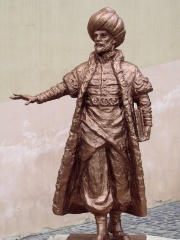
İbrahim Peçevi
1574 - 1650
HPI: 60.72
Место: 229

Современники
Среди людей, родившихся в 1475 году, Khvandamir занимает 17-е место. Перед ним идут Anne of York, Afonso, Prince of Portugal, Francisco Hernández de Córdoba, Maximus the Greek, Edward Plantagenet, 17th Earl of Warwick, и Pierre Gringore. После него идут Marcantonio Trivisan, Jörg Breu the Elder, Jan Mostaert, и Thomas Murner. Среди людей, умерших в 1534 году, Khvandamir занимает 14-е место. Перед ним идут Philippe Villiers de L'Isle-Adam, Stephen VIII Báthory, Otto Brunfels, Barbara Jagiellon, Antonio da Sangallo the Elder, и Johannes Aventinus. После него идут Magdalena of Saxony, и Beatriz Galindo.
Другие люди, родившиеся в 1475 году
Все рейтинги
Anne of York
POLITICIAN
1475 - 1511
HPI: 67.04
Место: 11
Afonso, Prince of Portugal
1475 - 1491
HPI: 66.22
Место: 12
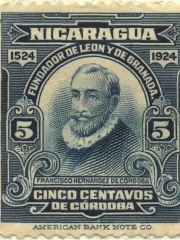
Francisco Hernández de Córdoba
MILITARY PERSONNEL
1475 - 1526
HPI: 64.28
Место: 13
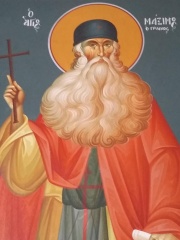
Maximus the Greek
WRITER
1475 - 1556
HPI: 62.88
Место: 14
Edward Plantagenet, 17th Earl of Warwick
POLITICIAN
1475 - 1499
HPI: 61.97
Место: 15
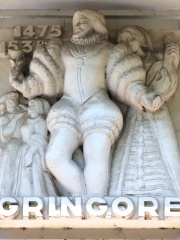
Pierre Gringore
WRITER
1475 - 1539
HPI: 61.07
Место: 16
Khvandamir
HISTORIAN
1475 - 1534
HPI: 60.84
Место: 17
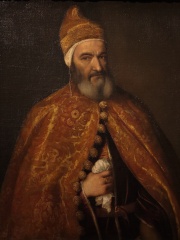
Marcantonio Trivisan
POLITICIAN
1475 - 1554
HPI: 60.10
Место: 18

Jörg Breu the Elder
PAINTER
1475 - 1537
HPI: 59.46
Место: 19
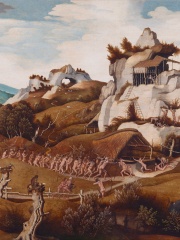
Jan Mostaert
PAINTER
1475 - 1555
HPI: 59.42
Место: 20
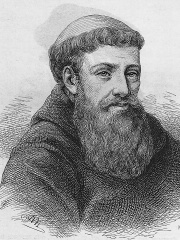
Thomas Murner
WRITER
1475 - 1537
HPI: 58.07
Место: 21
Другие люди, умершие в 1534 году
Все рейтинги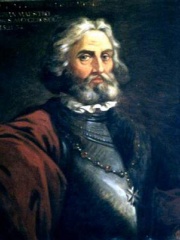
Philippe Villiers de L'Isle-Adam
POLITICIAN
1464 - 1534
HPI: 65.93
Место: 8

Stephen VIII Báthory
POLITICIAN
1477 - 1534
HPI: 64.38
Место: 9
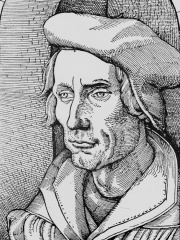
Otto Brunfels
BIOLOGIST
1488 - 1534
HPI: 63.89
Место: 10
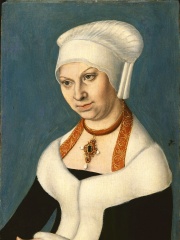
Barbara Jagiellon
POLITICIAN
1478 - 1534
HPI: 63.68
Место: 11

Antonio da Sangallo the Elder
ARCHITECT
1455 - 1534
HPI: 62.96
Место: 12
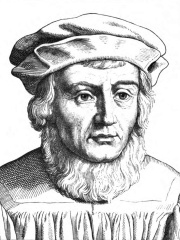
Johannes Aventinus
HISTORIAN
1477 - 1534
HPI: 61.16
Место: 13
Khvandamir
HISTORIAN
1475 - 1534
HPI: 60.84
Место: 14
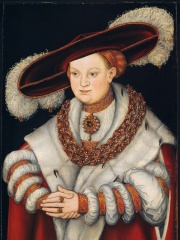
Magdalena of Saxony
NOBLEMAN
1507 - 1534
HPI: 60.28
Место: 15
Beatriz Galindo
WRITER
1465 - 1534
HPI: 55.36
Место: 16
В стране Афганистан
Среди людей, родившихся в стране Афганистан, Khvandamir занимает 88-е место из 213. Перед ним идут Abdul Rasul Sayyaf (1946), Abdullah Abdullah (1960), Muhammad of Ghazni (998), Abdul Qadir (1944), Suhaila Siddiq (1938), и Eucratides I (-170). После него идут Abdul Ahad Mohmand (1959), Unsuri (980), Demetrius I of Bactria (-300), Agathokleia (-200), Humaira Begum (1918), и Abdul Ali Mazari (1946).
Другие люди, родившиеся в стране Афганистан
Все рейтинги
Abdul Rasul Sayyaf
POLITICIAN
1946 - наст. время
HPI: 61.70
Место: 82
Abdullah Abdullah
POLITICIAN
1960 - наст. время
HPI: 61.41
Место: 83
Muhammad of Ghazni
POLITICIAN
998 - 1041
HPI: 61.24
Место: 84
Abdul Qadir
POLITICIAN
1944 - 2014
HPI: 61.11
Место: 85
Suhaila Siddiq
POLITICIAN
1938 - 2020
HPI: 61.07
Место: 86
Eucratides I
POLITICIAN
170 BC - 200 BC
HPI: 60.88
Место: 87
Khvandamir
HISTORIAN
1475 - 1534
HPI: 60.84
Место: 88
Abdul Ahad Mohmand
ASTRONAUT
1959 - 2026
HPI: 60.79
Место: 89

Unsuri
WRITER
980 - 1039
HPI: 60.72
Место: 90
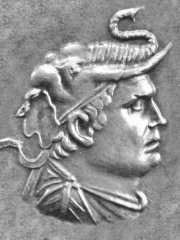
Demetrius I of Bactria
POLITICIAN
300 BC - 180 BC
HPI: 60.67
Место: 91
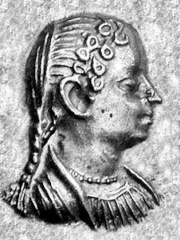
Agathokleia
POLITICIAN
200 BC - 160 BC
HPI: 60.64
Место: 92
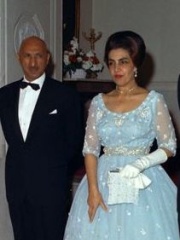
Humaira Begum
NOBLEMAN
1918 - 2002
HPI: 60.58
Место: 93
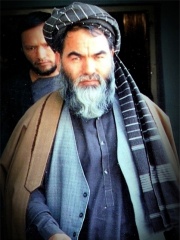
Abdul Ali Mazari
POLITICIAN
1946 - 1995
HPI: 60.41
Место: 94
Среди представителей профессии «Историк» в стране Афганистан
Среди представителей профессии «Историк», родившихся в стране Афганистан, Khvandamir занимает 4-е место. Перед ним идут Minhaj-i-Siraj (1193), Abd-al-Razzāq Samarqandī (1413), и Ibn Hibban (883).

Minhaj-i-Siraj
1193 - 1260
HPI: 66.00
Место: 1

Abd-al-Razzāq Samarqandī
1413 - 1482
HPI: 64.80
Место: 2

Ibn Hibban
883 - 965
HPI: 63.98
Место: 3
Khvandamir
1475 - 1534
HPI: 60.84
Место: 4




